
Sauces & Condiments
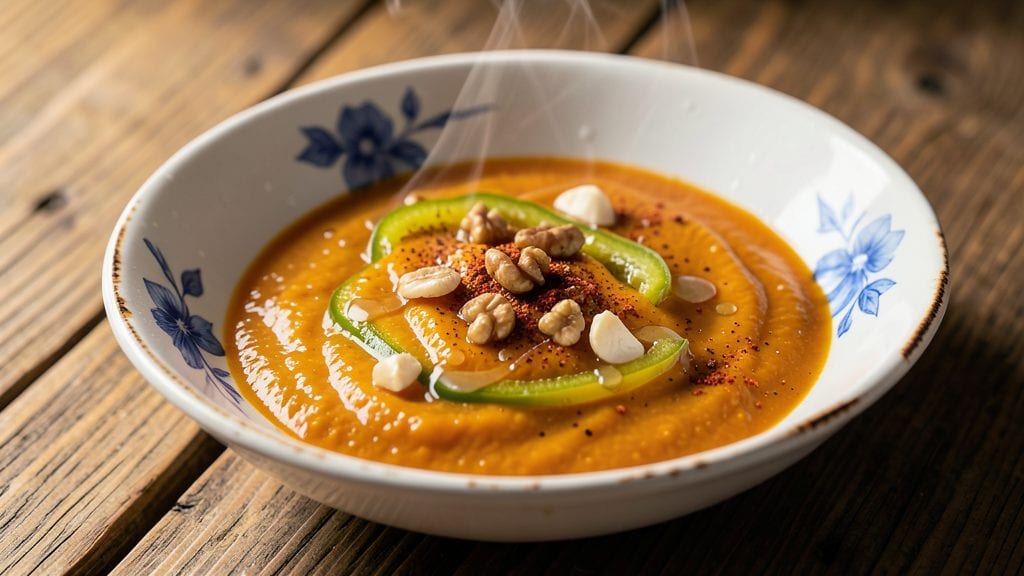
This Peruvian aji de gallina sauce recipe transforms simple ingredients into a velvety, herb-infused masterpiece that elevates grilled chicken, rice, or potatoes to restaurant-quality levels.
The secret lies in blending fresh ají amarillo paste with creamy cheese and walnuts, creating a sauce so rich and aromatic it feels like a hug in every bite.
I developed this version after years of perfecting the balance between tangy, creamy, and nutty flavors—it’s the kind of sauce that disappears faster than you can say "segunda porción."
The beauty of aji de gallina is its simplicity: just 15 minutes of active time yields a sauce so versatile it works as a drizzle, a dip, or a base for creamy soups.
Traditional Peruvian recipes rely on ají amarillo paste (the yellow chili that gives it its signature color), but don’t worry if you can’t find it—I’ll show you how to substitute with a blend of yellow bell pepper and a pinch of paprika for that signature warmth.
The walnuts add a satisfying crunch, while the cheese ensures that signature creamy texture that makes this sauce irresistible.
What makes this recipe stand out is how it captures the essence of Peruvian home cooking—bold, comforting, and deeply flavorful without being overly complicated.
The sauce starts with a smooth blend of ají paste and cheese, then builds layers of depth with garlic, walnuts, and a touch of vinegar for brightness. The result? A sauce that’s creamy yet light, tangy yet rich, and nutty enough to satisfy even the most discerning palates.
It’s the kind of dish that turns a simple meal into something extraordinary.
Once you master this sauce, you’ll find yourself reaching for it whenever you crave Peruvian flavors. It pairs perfectly with grilled chicken, roasted potatoes, or even as a dip for fresh bread. And the best part?
It keeps well in the refrigerator for up to 5 days, so you can make a big batch and enjoy it all week. Let’s get cooking—your taste buds will thank you.
Ingredients for peruvian sauce
Nine simple ingredients create this velvety Peruvian masterpiece in just 15 minutes.
| Ingredient | Amount | Notes |
|---|---|---|
| Aji Amarillo Paste 🌶️ | ½ cup | Traditional or homemade blend |
| Walnuts 🥜 | ½ cup | Toasted for enhanced flavor |
| Fresh Garlic Cloves 🧄 | 4 cloves | Peeled and minced finely |
| Yellow Bell Pepper 🍅 | ¼ cup | Substitute for aji amarillo |
| Sweet Paprika 🌶️ | ½ tsp | For color and warmth |
| White Vinegar 🍋 | 2 tbsp | For tangy brightness |
| Heavy Cream 🥛 | ½ cup | Full-fat for creaminess |
| Cream Cheese 🧀 | 4 oz | Room temperature preferred |
| Fresh Cilantro 🌿 | ¼ cup | Stems removed, chopped fine |
| Extra-Virgin Olive Oil 🫒 | ¼ cup | High-quality, fruity |
The aji amarillo paste is the heart of this sauce—it’s what gives aji de gallina its signature golden color and tangy depth. If you can’t find it (it’s not always at regular grocery stores), yellow bell pepper blended with a pinch of paprika works surprisingly well. For the best results, grab the paste at a Latin market or order it online—Amazon or specialty Peruvian stores usually have it. The walnuts should be toasted in a dry pan for about 3 minutes until fragrant; this brings out their natural oils and adds a rich, nutty backbone to the sauce. Fresh garlic is non-negotiable here—it’s the aromatic base that ties everything together.
No walnuts? Pecans or almonds work in a pinch, though they’ll change the texture slightly. Short on cilantro? Fresh parsley at half the amount gives a similar freshness. The cream cheese needs to be room temperature—this ensures it blends smoothly without lumps. If you’re making this ahead, let it sit out for 10 minutes before blending. For extra richness, substitute half the heavy cream with whole milk, though the sauce will be slightly lighter. The key is balancing the tangy aji paste with the creamy elements—don’t rush the blending process, or you’ll end up with a grainy sauce.
This sauce keeps beautifully in the fridge for up to 5 days, though it’s best enjoyed within the first 2 days for peak freshness. To store, transfer it to an airtight container and press plastic wrap directly on the surface to prevent a skin from forming. For longer storage, freeze it in 1-tablespoon portions in an ice cube tray—perfect for adding to dishes later. It reheats beautifully, though I find it’s best served at room temperature over grilled chicken or warm rice. The leftovers? Even better the next day as flavors meld together.
Why You'll Love This Recipe
- Few Ingredients, Big Payoff: I swear by this—just five staples (aji amarillo, walnuts, garlic, bell pepper, paprika) transform into something restaurant-worthy. No fancy prep, no stress, just pure flavor magic in a blender.
- Umami Bomb: That aji amarillo paste? It’s the secret weapon—bright, citrusy heat that lingers just enough to make your taste buds dance. Walnuts add crunch, and the garlic? Oh, it’s there, but in the best way.
- Sauce for Everything: Drizzle it over grilled chicken, mix into rice, or slather it on toast with scrambled eggs. Honestly, I’ve used it in tacos, soups, even as a marinade. If it’s got protein, this sauce makes it better.
- Make Once, Use Twice: Between us, I always double the batch. It keeps for a week in the fridge, and freezes beautifully. Perfect for lazy mornings or when you’re too tired to cook but still want flavor that doesn’t skimp.
Step-by-step instructions for Peruvian aji de gallina sauce
This sauce comes together faster than you'd think—rich, velvety, and packed with Peruvian soul.
Toast the Walnuts and Sauté the Aromatics
Heat the 0.25 cup extra-virgin olive oil in a medium saucepan over medium heat. Add the 0.5 cup walnuts and toast them for 3-4 minutes until they release their nutty aroma and turn a light golden color. Watch closely—they'll darken quickly, so don't walk away. Remove the walnuts with a slotted spoon and set aside.
In the same pan, add the 0.25 cup yellow bell pepper and 4 cloves fresh garlic cloves (minced finely). Sauté for 2-3 minutes until the garlic becomes fragrant and the pepper softens slightly. This step builds the sauce's foundational flavor—don't rush it. The garlic should smell pungent but not burnt, and the pepper should lose its raw bite.
Build the Sauce Base with Aji Amarillo
Reduce the heat to medium-low and stir in the 0.5 cup aji amarillo paste. Let it cook for 2-3 minutes, stirring constantly, until it darkens slightly and the raw taste mellows. This paste is the heart of the sauce—it's where the signature Peruvian flavor comes alive. If the mixture thickens too much, add 1 tablespoon water to keep it smooth.
Next, sprinkle in the 0.5 teaspoon sweet paprika and stir for 30 seconds until it dissolves completely. The paprika adds warmth and a beautiful golden hue. Then pour in the 2 tablespoons white vinegar and let it simmer for 1 minute to brighten the flavors. The vinegar cuts through the richness, balancing the sauce perfectly.
Blend in the Cream Cheese and Heavy Cream
Lower the heat to low and gradually whisk in the 4 ounces cream cheese (cut into small cubes first for easier blending). Stir until the cream cheese melts completely into the sauce—this should take about 2-3 minutes. The sauce will thicken noticeably as the cream cheese incorporates. If it looks too stiff, add 1 tablespoon water to loosen it.
Pour in the 0.5 cup heavy cream and stir gently until fully combined. The sauce should now be silky and smooth, with a rich, velvety texture. Taste and adjust the seasoning—add a pinch more salt if needed, or a splash more vinegar for brightness. This is where you fine-tune the balance of flavors to your liking.
Finish with Fresh Cilantro and Walnuts
Remove the sauce from heat and let it cool slightly for 2-3 minutes. Stir in the 0.25 cup fresh cilantro (chopped fine) and the toasted 0.5 cup walnuts. The cilantro adds a bright, herbaceous finish, while the walnuts contribute a satisfying crunch. Give it one final taste—it should be creamy, tangy, and deeply flavorful.
Serve the sauce immediately over grilled chicken, rice, or roasted potatoes. The warmth of the dish will enhance its creamy texture and vibrant flavors. If you're not serving it right away, cover and refrigerate for up to 2 days, reheating gently over low heat to preserve its velvety consistency.
Pro Tips For Making Peruvian Sauce
- Toast Walnuts Low: I learned this the hard way—tossing walnuts directly into a hot pan burns them before they release their nutty aroma. Instead, dry-toast them in a skillet over medium-low heat for 3-4 minutes, stirring constantly, until they’re golden and fragrant but not crisp. The sauce will taste richer, and you’ll avoid that bitter aftertaste.
- Blend Garlic First: After burning three batches of garlic, I finally figured out the order matters. Pulse the garlic cloves before adding the aji amarillo paste in the blender—this prevents a thick, clumpy mess. The paste’s oils will coat the garlic evenly, making the sauce smoother from the start.
- Sweat Bell Pepper: Skip the urge to char the yellow bell pepper—it turns the sauce bitter. Instead, dice it small and sweat it in the same pan as the garlic (no oil needed) for 2-3 minutes until just softened. This keeps the flavor bright and balances the heat of the aji amarillo.
- Simmer Longer: My grandmother swore by this, and she was right: let the sauce reduce uncovered for at least 10 minutes after blending. The moisture evaporates, deepening the paprika’s sweetness and letting the aji amarillo’s heat mellow. (Yes, even if you’re impatient like me.)
Troubleshooting this recipe
Grainy Texture Fix
If your sauce turns out grainy, it’s usually because the cream cheese didn’t melt completely or the blending wasn’t thorough. First, ensure your cream cheese is room temperature—this prevents clumping. When whisking it in, use a hand mixer or immersion blender for 30 seconds to break up any lumps.
If the sauce still looks uneven, strain it through a fine-mesh sieve for a silky finish. 💡
Too Thin or Watery
A watery sauce often happens when too much liquid is added during cooking. To thicken it, simmer the sauce uncovered over low heat for 5-7 minutes, stirring occasionally.
If it’s still too thin, mix 1 tablespoon cornstarch with 2 tablespoons water, stir it in, and cook for another 2 minutes. For a smoother texture, reduce the heavy cream to ¼ cup next time.
Overpowering Chili Heat
If the aji amarillo paste is too spicy, balance it with more cream cheese or a splash of heavy cream to dilute the heat. You can also add 1 teaspoon honey or 1 tablespoon sour cream to mellow the flavor.
For future batches, use ½ cup paste instead of the full amount to start, then adjust to taste. 🌶️
Burnt Garlic or Walnuts
Burnt aromatics ruin the sauce’s delicate balance. Toast walnuts over medium heat for only 3-4 minutes—they’ll darken quickly. For garlic, remove the pan from heat just as it turns golden, not brown.
If you accidentally burn them, strain out the burnt bits and start fresh with a new batch of aromatics. Fresh garlic and walnuts are non-negotiable for authentic flavor.
Sauce Separates When Reheated
Separation happens when the sauce sits too long or is reheated too aggressively. To fix it, whisk in 1 tablespoon warm water or heavy cream while reheating over low heat.
For prevention, store the sauce in an airtight container and reheat gently, stirring frequently. If it’s still separating, blend it again briefly with an immersion blender to restore its velvety texture.
Lacking Brightness or Depth
A flat-tasting sauce usually needs more acidity or aromatic depth. Boost brightness with an extra 1 tablespoon white vinegar or a squeeze of lemon juice. For depth, add ½ teaspoon ground cumin or a pinch of smoked paprika while cooking.
Fresh herbs like cilantro or parsley can also lift the flavor—just stir them in at the very end to preserve their freshness. ✨
Nutrition facts
Frequently asked questions
What’s the secret to making this Peruvian sauce extra creamy?
Room-temperature cream cheese is key—it blends smoothly without lumps. For extra richness, use full-fat dairy (heavy cream instead of milk) and toast the walnuts until golden to enhance their natural oils. The slow whisking method also creates a velvety texture that separates it from chunky versions.
Can I make this sauce without aji amarillo paste?
Blend ½ cup yellow bell pepper with ½ teaspoon sweet paprika and 1 teaspoon lime juice for a close substitute. For extra depth, add a pinch of ground cumin. The color won’t be identical, but the tangy, slightly sweet profile will still shine.
How do I store leftovers to keep them fresh?
Transfer to an airtight container and press plastic wrap directly on the surface to prevent a skin. It stays fresh for 5 days in the fridge or 3 months frozen in 1-tablespoon portions. Thaw overnight in the fridge—never at room temperature—to preserve texture.
What dishes pair best with this sauce?
This sauce elevates grilled chicken, roasted potatoes, and rice dishes—it’s the star of Peruvian aji de gallina. Try it as a dip for fresh bread or a drizzle over lomo saltado. The creamy texture also works beautifully in soups or as a marinade base for meats.
Why does my sauce sometimes turn out too spicy?
Adjust the heat by adding more cream cheese or heavy cream to balance the aji amarillo. For future batches, start with ½ cup paste instead of the full amount. A splash of vinegar or a pinch of sugar can also mellow the spice while keeping the authentic flavor.