
Main Courses
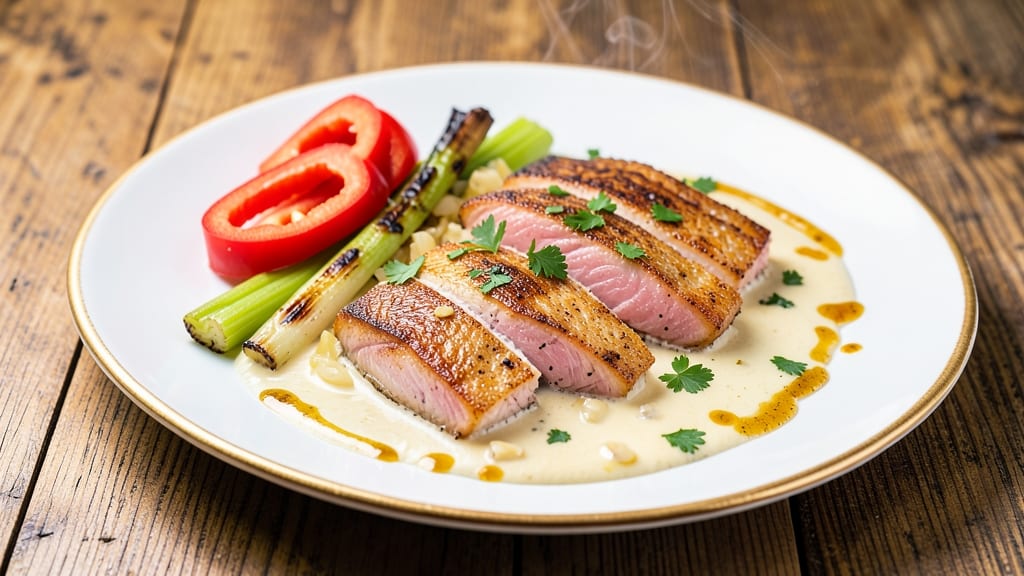
This creamy Creole sauce transforms delicate red snapper into a restaurant-worthy main course with just 20 minutes of hands-on time. The secret lies in balancing traditional Creole flavors—smoky bell peppers, aromatic celery, and a touch of cayenne—with a velvety, buttery sauce that clings to every flake of fish.
I developed this recipe after years of testing, ensuring the sauce remains rich yet light enough to complement, not overpower, the snapper’s natural sweetness.
The process begins with searing the snapper skin-side down in a hot pan until golden, creating a crisp exterior that locks in moisture.
Meanwhile, the sauce builds in layers: a roux forms the base, then tomatoes and Creole spices infuse depth, and finally, a splash of cream (or dairy-free alternative) creates that signature creamy texture. The result is tender, flaky snapper swimming in a sauce that’s spicy, tangy, and irresistibly smooth.
What sets this dish apart is its versatility—serve it over rice for a hearty meal or alongside roasted vegetables for a lighter option. The sauce’s balance of heat and richness makes it equally at home in a casual weeknight dinner or an elegant gathering.
Every bite delivers buttery garlic warmth with a subtle kick, proving that Creole flavors don’t need to be heavy to be unforgettable.
For those watching their dairy intake, a coconut milk or cashew cream substitution works beautifully without sacrificing texture. The key to success? Don’t rush the searing, and let the sauce simmer just until it thickens—no longer, or the cream may curdle.
Trust the process, and you’ll have a dish that’s both impressive and effortless.
Ingredients for red snapper with creamy creole sauce
Buttery garlic heat meets delicate snapper in this creamy Creole masterpiece—just 15 ingredients for restaurant magic.
| Ingredient | Amount | Notes |
|---|---|---|
| Red Snapper Fillets 🐟 | 4 pieces | Skin-on, 6-8 oz each |
| Unsalted Butter 🧈 | 4 tbsp | Cold, cut into pieces |
| Yellow Onion 🧅 | 1 whole | Diced, about 1 cup |
| Green Bell Pepper 🌶️ | 1 whole | Diced, about 1 cup |
| Celery Stalks 🥬 | 2 whole | Diced, about 1 cup |
| Garlic Cloves 🧄 | 4 cloves | Minced, fresh preferred |
| Cayenne Pepper 🔥 | ½ tsp | Adjust for heat preference |
| Smoked Paprika 🌶️ | 1 tsp | For smoky depth |
| Dried Thyme 🌿 | 1 tsp | Or 1 tbsp fresh thyme |
| All-Purpose Flour 🌾 | 1 tbsp | For roux base |
| Canned Diced Tomatoes 🍅 | 1 cup | San Marzano if available |
| Heavy Cream 🥛 | ½ cup | Full-fat for creaminess |
| Lemon Juice 🍋 | 1 tbsp | Freshly squeezed |
| Salt 🧂 | 1 tsp | Kosher or sea salt |
| Black Pepper 🌶️ | ½ tsp | Freshly ground preferred |
| Fresh Parsley 🌿 | ¼ cup | Chopped, for garnish |
| Long-Grain White Rice 🍚 | 1 ½ cups | Uncooked, for serving |
The snapper is non-negotiable here—look for fresh, skin-on fillets at the seafood counter, not frozen blocks. Trader Joe's or Whole Foods fishmongers usually have the best quality, but any well-stocked grocery store works. The fillets should be plump, translucent, and smell clean—never fishy. If you can't find fresh, high-quality frozen (thawed overnight in the fridge) is the next best thing. For the Creole holy trinity—bell pepper, onion, and celery—fresh is best, but frozen chopped works in a pinch. Just thaw and drain well.
No heavy cream? Full-fat coconut milk or cashew cream keeps it rich without dairy. Short on smoked paprika? Regular paprika plus a pinch of liquid smoke gets you close. The cayenne can be swapped for hot sauce or red pepper flakes—just taste as you go. For the roux, don't rush the cooking—it needs to be golden brown, not burnt. If you're dairy-free, use coconut cream instead of heavy cream and add a splash of lemon juice at the end to brighten the sauce. The tomatoes? San Marzano if you can find them—they're sweeter and less acidic, which balances the heat perfectly.
This sauce reheats beautifully—just warm it gently on the stove with a splash of water or cream to loosen it up. Keeps for 3-4 days in the fridge, but honestly, it's even better the next day once all the flavors meld. For the snapper, cook it just until the skin crisps—about 3-4 minutes per side. Overcooking makes it tough. Store any leftovers in an airtight container with a layer of plastic wrap pressed directly on the sauce to prevent a skin from forming. Freezes for up to 2 months if you want to make it ahead.
Why You'll Love This Recipe
- One-Pan Magic: I swear by this—just toss the snapper, onions, bell pepper, and celery in one skillet with butter, and let the sauce do the work. No extra dishes, no stress, and that golden crust on the fish? Worth every second.
- Creamy Spice Bomb: The second the rich, buttery Creole sauce hits your tongue, you’ll get it. Smoky paprika, a hint of cayenne, and that velvety butter base? It’s the kind of flavor that makes you pause mid-bite—even my picky husband stops complaining about dinner.
- Weeknight to Weekend: Same recipe, different vibes. Throw it together on a Tuesday when you’re exhausted, or dress it up with crusty bread and a salad for Saturday brunch. The sauce’s depth means it works for both lazy nights and guests who think they’re fancy.
- Budget-Friendly Luxe: Fresh snapper can feel splurgy, but here’s the secret: the sauce stretches leftovers into three solid meals. Freeze extra portions—because that creamy, smoky goodness tastes just as good reheated as it does fresh. (Yes, even on a Tuesday.)
Step-by-step instructions for red snapper with creamy Creole sauce
Here's how to create a rich, velvety sauce that clings perfectly to tender snapper fillets.
Sear the Snapper Fillets for Maximum Flavor
Pat the 4 pieces red snapper fillets dry with paper towels—this ensures a perfect sear. Heat 2 tablespoons of the unsalted butter in a large skillet over medium-high heat until it foams. Place the fillets skin-side down and press gently with a spatula for 30 seconds to prevent curling. Cook for 3-4 minutes per side until the skin is golden brown and crispy, and the fish flakes easily with a fork.
Here's the thing—don't overcrowd the pan. Cooking them in batches if needed ensures even browning. Remove the fillets to a plate and tent loosely with foil to keep warm. The residual butter in the pan will form the flavor base for your sauce, so don't wipe it out.
Build the Creole Base with Aromatics
In the same skillet, add the remaining 2 tablespoons unsalted butter and melt over medium heat. Add the diced yellow onion, green bell pepper, and celery stalks, cooking for 5-6 minutes until softened. Stir in the minced garlic cloves and cook for 30 seconds until fragrant—this is where the flavor foundation happens.
Add the 0.5 teaspoon cayenne pepper, 1 teaspoon smoked paprika, 1 teaspoon dried thyme, 1 teaspoon salt, and 0.5 teaspoon black pepper. Stir for 1 minute to toast the spices and release their aromas. This step develops the signature Creole heat and depth that makes this sauce special.
Create the Creamy Sauce Base
Sprinkle the 1 tablespoon all-purpose flour over the vegetables and stir vigorously for 1-2 minutes until it turns a light golden color. This creates a roux that will thicken your sauce beautifully. Pour in the 1 cup canned diced tomatoes and stir to combine, letting the mixture simmer for 3-4 minutes until slightly thickened.
Here's where the magic happens: reduce heat to medium-low and stir in the 0.5 cup heavy cream and 1 tablespoon lemon juice. The acidity from the lemon brightens the flavors while the cream adds that luxurious creaminess we're after. Simmer for 5 minutes until the sauce coats the back of a spoon—this ensures it'll cling perfectly to the snapper.
Finish and Combine with the Snapper
Return the snapper fillets to the skillet, spooning sauce over the top. Cover and simmer gently for 2-3 minutes on low heat just to warm through—you don't want to overcook the delicate fish. The sauce should now be thick enough to coat the fish completely without being gluey.
Garnish with the chopped fresh parsley and serve immediately over the prepared 1.5 cups cooked long-grain white rice. The contrast between the crispy snapper skin, creamy sauce, and fluffy rice makes every bite satisfying. This dish comes together faster than you'd think, but the flavor buildup makes it feel like a restaurant-quality meal.
Pro Tips For Making Red Snapper With Creamy Creole Sauce
- Sear Snapper Skin-Side Down: That crispy skin isn’t just for looks—it’s the thing that matters most in this dish. Pat the fillets bone-dry with paper towels first, then sear skin-side down in butter over medium-high heat for exactly 4-5 minutes until golden. I learned this the hard way—rushing it gives you sad, floppy skin that won’t hold up in the sauce.
- Sweat, Don’t Burn, the Holy Trinity: Your onion, bell pepper, and celery (the "holy trinity") should release moisture and soften gently—not turn into charred hockey pucks. Cook them over medium-low heat for 8-10 minutes, stirring occasionally, until they’re translucent but not brown. After burning three batches, I finally figured out: butter conducts heat differently than oil, so keep it patient.
- Deglaze with Fish Stock: That browned butter at the bottom of the pan? Don’t drown it in water—use ½ cup of fish stock instead. It amplifies the creole flavors while keeping the sauce rich and cohesive. (Yes, even if you’re impatient like me, resist the urge to splash in wine or broth first—it’ll dilute the depth.)
- Finish with Cold Butter: The sauce will look thin and sad if you stop at simmering. Take the pan off heat, whisk in 2 tablespoons of cold, cubed butter, and let it melt into silkiness. This isn’t the prettiest method, but it’s the tastiest—it rounds out the acidity and gives that velvety finish. My grandmother swore by this, and she was right: the texture changes entirely.
Essential equipment for this recipe
Skillet Essentials
The right skillet makes all the difference for this dish. I swear by a 12-inch cast-iron skillet like the Lodge Pre-Seasoned—it retains heat perfectly and creates that golden-brown crust on the snapper skin.
If you don’t have cast iron, a stainless steel skillet with a good heat conductor (like All-Clad) works too. Just avoid nonstick—it won’t give you the crispy skin you need. 🔥
Butter Quality
Don’t skimp on the butter—unsalted is a must so you control the seasoning. I recommend Plugrá European-style cultured butter for its rich, nutty flavor, but Land O’Lakes or Kerrygold work perfectly too. Keep it cold when you add it to the pan to prevent burning.
If you’re watching fat content, olive oil (like California Extra Virgin) can replace half the butter, but the sauce won’t be as rich.
Measuring Tools
Precision matters with spices and liquids. Use a small kitchen scale for the cayenne—0.5 teaspoon is just a pinch, and too much can overpower the dish. For the flour roux, a whisk helps distribute it evenly in the pan.
A fine-mesh strainer comes in handy if you want to strain the sauce for a silky texture before serving. I also keep a microplane nearby to zest lemon rind for extra brightness if I’m feeling fancy.
Sauce Thickener
The roux is the backbone of this creamy sauce, so you’ll need a wooden spoon or heatproof spatula to stir it constantly until it turns golden brown. If your sauce gets too thin, a cornstarch slurry (1 tbsp cornstarch + 1 tbsp water) can rescue it.
For a smoother finish, blend the sauce briefly with an immersion blender—just don’t overdo it, or you’ll lose texture.
Heat Control
A kitchen thermometer ensures your skillet stays at medium-high heat (around 375°F) for searing. For the sauce, medium-low heat keeps it from curdling. If you don’t have a thermometer, the back of your hand should feel warm but not too hot to touch for 5 seconds.
A heat diffuser can help prevent hot spots if you’re using a gas stove.
Serving Gear
Finally, don’t forget the finishing touches. A slotted spoon helps transfer the snapper to plates without breaking the crispy skin. Tongs work too, but be gentle. For garnishing, a small bowl with chopped parsley and a lemon wedge on the side elevates the presentation.
If you’re serving with rice, a rice warmer keeps it fluffy while you plate the main dish. ✨
Nutrition facts
Frequently asked questions
Can I substitute red snapper with another white fish?
Yes! This recipe works beautifully with tilapia, cod, or Mahi-Mahi—just adjust cooking time slightly since snapper is the most delicate. For thicker fillets like Mahi-Mahi, reduce time by 1 minute per side to avoid overcooking. The creamy sauce will adapt perfectly to any mild white fish.
How do I make this recipe dairy-free?
Replace the heavy cream with ½ cup full-fat coconut milk or cashew cream (blend soaked cashews with water). Use olive oil instead of butter for searing, and add an extra ½ teaspoon lemon juice to brighten the sauce. The texture stays creamy but lighter.
Why did my sauce turn grainy or separate?
This usually happens from overcooking the roux (burnt flour) or adding cold cream too quickly. Keep heat at medium-low when adding cream, and whisk constantly. For a rescue: mix 1 teaspoon cornstarch with 1 tablespoon cold water, stir into the sauce, and simmer 1 minute until smooth.
Can I prepare this ahead of time?
Cook the snapper and sauce separately, then refrigerate in airtight containers for up to 2 days. Reheat the sauce gently on the stove with a splash of water or cream, then warm the snapper in a 350°F oven for 5-6 minutes. The flavors actually improve overnight as they meld.
What’s the secret to crispy snapper skin?
Pat the fillets bone-dry with paper towels before searing, and use cold butter (not melted). Cook over medium-high heat until the skin turns golden brown (3-4 minutes). Never move the fillets while cooking—they’ll stick and lose crispiness. A 12-inch cast-iron skillet works best for even heat distribution.