
Sauces & Condiments
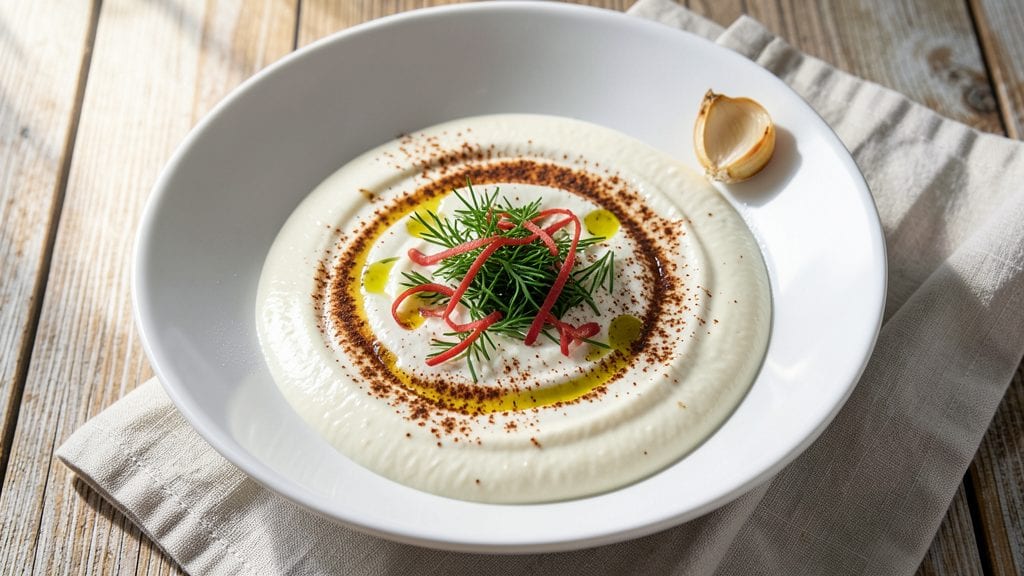
This smoky dill-yogurt salmon dipping sauce transforms simple pantry staples into a velvety, tangy companion that elevates every bite of grilled or baked salmon. The balance of creamy yogurt, fresh dill, and subtle smokiness creates a sauce that's restaurant-quality yet effortless to make—no specialty ingredients required.
I developed this recipe after realizing store-bought versions couldn't match the depth of homemade, especially when paired with perfectly cooked fish.
The foundation of this sauce lies in its three core components: Greek yogurt for creaminess, fresh dill for bright herbal notes, and a touch of smoked paprika for that signature smoky aroma.
What sets it apart is the lemon juice, which brightens the flavors and prevents the sauce from becoming too heavy. The ingredients come together in just 5 minutes with a whisk, yet the result is a sauce that tastes like it simmered for hours.
Once mixed, this sauce delivers a velvety texture that clings beautifully to salmon fillets while adding layers of flavor with each dip. The smoky undertones complement grilled or baked salmon perfectly, while the tangy yogurt base cuts through the richness of the fish.
It's the kind of sauce that makes even simple salmon preparations feel like a gourmet experience.
Best of all, this recipe scales effortlessly—double the batch for parties or store leftovers in an airtight container for up to 5 days. Whether you're serving salmon for a weeknight dinner or a special occasion, this sauce delivers professional results with minimal effort. Let's make it together.
Ingredients for salmon dipping sauce
Pantry staples and fresh herbs combine for a velvety, restaurant-worthy salmon sauce.
| Ingredient | Amount | Notes |
|---|---|---|
| Plain Greek Yogurt 🥛 | 1 cup | Full-fat for creaminess, unsweetened |
| Fresh Dill 🌿 | ½ cup | Chopped, stems removed, loosely packed |
| Smoked Paprika 🌶️ | 1 tbsp | High-quality, not cayenne |
| Lemon Juice 🍋 | 2 tbsp | Freshly squeezed, no seeds |
| Extra-Virgin Olive Oil 🫒 | 2 tbsp | Mild, fruity flavor preferred |
| Garlic Cloves 🧄 | 2 cloves | Minced, or 1 tsp pre-minced |
| Dijon Mustard 🍯 | 1 tsp | Mild, not spicy |
| Sea Salt 🧂 | ½ tsp | Fine grain, adjust to taste |
| Black Pepper 🌶️ | ¼ tsp | Freshly ground, coarse |
| Honey 🍯 | 1 tsp | Light, mild-flavored |
The Greek yogurt is non-negotiable here—full-fat delivers the richest texture. I always reach for Fage or Chobani from the refrigerated section, not the powdered kind. Fresh dill is the secret weapon; garden variety from the grocery store works, but Trader Joe's or Whole Foods often have more vibrant options. The smoked paprika should be pure smoked—none of that cayenne-blended stuff. For the lemon juice, I squeeze mine fresh every time; bottled lacks the brightness. The olive oil matters too—California or Italian varieties work best, not the cheap stuff in plastic bottles.
No Greek yogurt? Sour cream at half the amount works in a pinch, though the texture will be slightly heavier. Fresh dill wilt fast, so dried dill at one-third the amount is an option, but it won't have that same bright punch. Short on smoked paprika? Liquid smoke at a quarter teaspoon adds depth, though it's not identical. The Dijon mustard can be swapped for whole-grain mustard, but it'll add a slight graininess. For the honey, agave or maple syrup work in a bind, though honey's floral notes are ideal. The garlic can be pre-minced from a jar if you're in a rush, but fresh is always better.
This sauce keeps beautifully—5 days in the fridge sealed in an airtight container. The texture thickens slightly over time, so whisk before using. For longer storage, freeze for up to 3 months in ice cube trays; thaw overnight in the fridge. I like to double the batch and keep one portion frozen for when I'm craving salmon but don't feel like making sauce. The sauce thickens when chilled, so add a splash of water or milk if it's too stiff after refrigeration.
Why You'll Love This Recipe
- No-Fuss Mixing: Honestly, this sauce takes less effort than boiling water. Just fold together Greek yogurt, finely chopped dill (or the dried stuff in a pinch), a pinch of smoked paprika, and a squeeze of lemon—no whisking, no straining, no waiting. That olive oil drizzle ties it all together while you’re still thinking about lunch.
- Bright & Smoky Magic: The lemon cuts through the richness of the yogurt while the smoked paprika adds this subtle, woodsy depth that makes it ridiculously good with salmon. Fresh dill? It’s the secret—bright, herby, and impossible to overdo (unlike some recipes I’ve tried).
- Weeknight & Party Star: Between us, this sauce works just as well on a rushed Tuesday night as it does at a summer BBQ. Slather it on grilled salmon, use it as a tzatziki swap, or even drizzle it over roasted veggies. My kids dip pita chips in it—no judgment.
- Leftovers That Don’t Suck: Most sauces turn sad after day one, but this one? It actually improves when stored. The flavors meld, the lemon brightens, and it’s still creamy—no weird textures. Plus, it’s cheap to make (Greek yogurt stretches far), so I never mind doubling the batch.
Step-by-step instructions for smoky dill-yogurt velocity
Here's the method—simple, balanced, and packed with smoky-sweet depth.
Combine the Base Ingredients
In a medium bowl, scoop the 1 cup plain Greek yogurt. I use a full-fat variety for that rich, creamy texture that stands up to the bold flavors. Add the 2 tablespoons lemon juice and 1 teaspoon Dijon mustard, whisking until fully incorporated. The lemon brightens the yogurt while the mustard adds subtle tang and depth.
Next, fold in the 2 cloves minced garlic and 1 tablespoon smoked paprika. The paprika brings that signature smokiness that pairs perfectly with salmon. Stir gently to avoid breaking the yogurt's delicate structure—you want a smooth, velvety base, not a broken one.
Incorporate the Fresh Dill and Olive Oil
Add the ½ cup chopped fresh dill to the yogurt mixture. This is where the sauce gets its signature herbal brightness. I like to use loosely packed dill for maximum freshness—don't pack it down or you'll end up with a watery sauce. Stir well so the dill distributes evenly throughout.
Drizzle in the 2 tablespoons extra-virgin olive oil while whisking continuously. The oil helps emulsify the sauce and adds a silky mouthfeel. Taste at this stage—you should notice the lemon's acidity, the garlic's sharpness, and the paprika's smokiness all coming together in harmony.
Balance with Sweetness and Seasoning
Add the 1 teaspoon honey, ½ teaspoon sea salt, and ¼ teaspoon black pepper. The honey rounds out the flavors, cutting through the acidity and adding a subtle sweetness that complements the smokiness. Stir until the honey dissolves completely—this ensures even distribution throughout the sauce.
Taste again and adjust the seasoning if needed. I often find I need a touch more salt or lemon juice at this point to balance the flavors perfectly. The sauce should be tangy, slightly sweet, and herbaceous with a smoky undertone—this is the ideal flavor profile for salmon.
Rest and Serve
Cover the bowl and refrigerate the sauce for at least 30 minutes before serving. This resting period allows the flavors to meld together completely, creating a cohesive taste experience. When you're ready to serve, give it one final stir to ensure everything is evenly distributed.
The sauce should be thick but still pourable—if it's too thick, thin it with a splash of water or additional lemon juice. Serve immediately alongside grilled or baked salmon for that perfect balance of creamy, tangy, and smoky flavors. The contrast with the rich salmon will be incredible.
Pro Tips For Making Salmon Dipping Sauce
- STRAIN THE YOGURT: Thick, clumpy Greek yogurt makes for a messy sauce. After mixing, let it sit for 5 minutes, then press it through a fine-mesh sieve or strainer lined with cheesecloth. This removes excess water and gives you that silky, dip-worthy texture—no one wants to spoon up a watery mess.
- CHOP DILL FINE: Big dill chunks sink to the bottom and ruin the presentation. Pulse fresh dill in a food processor for 2-3 seconds until it’s finely chopped but not paste. If you’re doing it by hand, take the extra 30 seconds to snip it small—your sauce will look polished and taste evenly bright.
- TEMPER THE LEMON: Pour lemon juice into the yogurt slowly while stirring. Dumping it all at once can curdle the yogurt, turning your creamy sauce into a sad, grainy lump. Start with half, mix, then add the rest—this keeps the texture smooth and the flavor balanced.
- SALT THE PAPRIKA: Smoked paprika is already salty, but most recipes don’t account for it. Taste your sauce before adding extra salt—you might need half the amount you’d normally use. Better to check now than end up with a dish that tastes like a campfire.
Make-ahead tips for salmon dipping sauce
Batch Prep Strategy
Double the recipe and store half in an airtight container in the refrigerator—this ensures you always have fresh sauce ready for spontaneous salmon nights. I use glass containers (like Le Parfait jars) because they preserve flavors better than plastic and are microwave-safe when needed.
The sauce keeps its vibrant color and creamy texture for up to 5 days when stored properly. 🥛
Freezer-Friendly Tips
For long-term storage, freeze the sauce in 1-ounce portions using silicone ice cube trays. Once frozen, transfer the cubes to a ziplock freezer bag and label with the date.
Thaw overnight in the fridge—this gradual process prevents texture breakdown. The sauce may thicken slightly after freezing, so add 1 teaspoon water or milk per serving when reheating. 🧊
Flavor Boosting Hacks
Add a pinch of ground coriander (about ¼ teaspoon) when reheating for an earthy depth that pairs beautifully with salmon. Or, stir in 1 teaspoon capers for a briny kick that mimics the flavors of Mediterranean seafood dishes.
Both additions work best when incorporated just before serving to preserve freshness. 🌿
Portion Control
Divide the sauce into 4-ounce servings in small ramekins before refrigerating. This makes it easy to grab exactly what you need without over-prepping. I like to keep these ramekins in a stackable container in my fridge door for quick access.
Each serving pairs perfectly with 4-6 ounces of salmon, balancing flavors without overwhelming the plate. 🍽️
Make-Ahead Timeline
Prepare the sauce 1 day ahead of serving for optimal flavor development. The resting time in the fridge allows the smoked paprika and lemon juice to meld seamlessly with the yogurt.
If you're planning a meal 3 days in advance, freeze half the batch and thaw the other half—this gives you flexibility while keeping the sauce fresh. Time your thawing so it's ready just before serving. ⏰
Reheating Methods
For best results, reheat the sauce gently on the stovetop over low heat for 2-3 minutes, stirring constantly to prevent scorching. Avoid the microwave—it can make the yogurt grainy.
If you must microwave, use 30-second intervals on 50% power and stir vigorously between each interval. Always taste and adjust seasoning after reheating. 🔥
Nutrition facts
Frequently asked questions
Can I make this sauce without fresh dill?
Yes! Use 1 tablespoon dried dill instead, but reduce the amount since dried herbs are more concentrated. For best results, crush the dried dill between your fingers first to release the flavors. The texture will be slightly less vibrant, but it'll still taste delicious.
How does this sauce pair with different salmon preparations?
This sauce works beautifully with grilled, baked, or pan-seared salmon. For extra richness, try it with butter-basted salmon or lemon-herb crusts. The smoky dill flavors complement salmon's natural oils perfectly, whether it's flaky or firm.
What if my sauce is too thick after refrigeration?
Stir in 1 teaspoon water or lemon juice at a time until you reach your desired consistency. The sauce should be thick but still pourable. If it's too thin, chill it longer—it often thickens as it cools. For immediate use, whisk in ½ teaspoon cornstarch mixed with 1 tsp water for instant thickening.
Can I use this sauce as a marinade for salmon?
Not recommended. This sauce contains yogurt and fresh herbs that would break down the salmon's texture when used as a marinade. Instead, use it as a dipping sauce or topping after cooking. For a marinade, create a separate blend with olive oil, lemon, and herbs instead.
What's the best way to store leftovers?
Transfer to an airtight container and refrigerate for up to 5 days. For longer storage, freeze in 1-ounce portions using ice cube trays. Thaw overnight in the fridge—never at room temperature. The sauce may separate slightly when frozen, so whisk vigorously before using.