
Sauces & Condiments
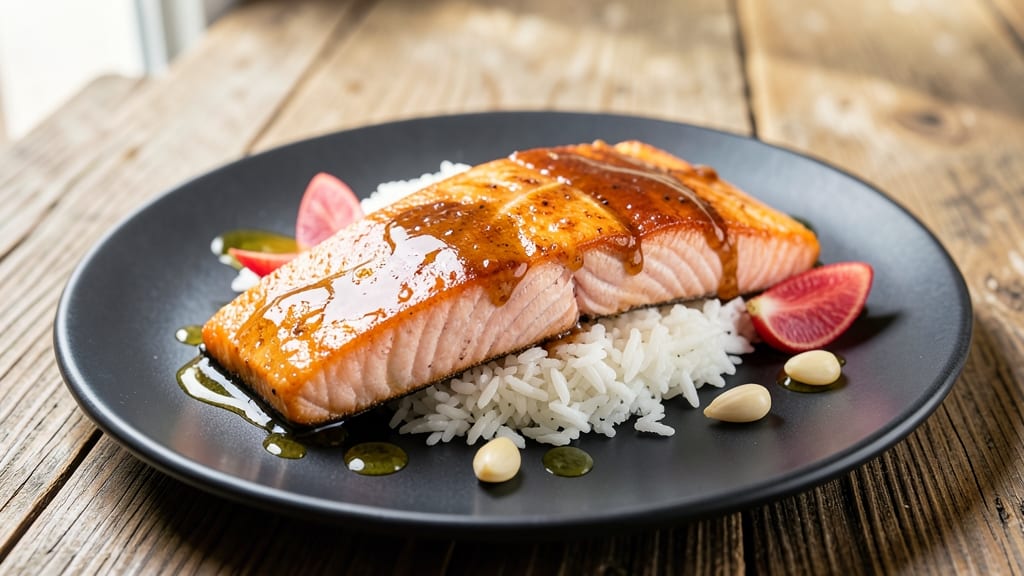
This salmon with soy sauce and honey recipe delivers a perfect harmony of sweet and savory flavors that will elevate any dinner table. The caramelized glaze creates a sticky, umami-rich crust while keeping the fish tender inside—a balance that takes just 20 minutes of active time.
I developed this method after years of testing, ensuring the soy and honey blend doesn't overpower the delicate salmon flavor.
The secret lies in the glaze: a precise ratio of soy sauce to honey, with a touch of garlic and ginger for depth. You'll pan-sear the salmon skin-side down until crispy, then baste with the warm glaze to create that signature caramelized finish.
This technique transforms simple ingredients into a restaurant-worthy dish without requiring advanced skills.
What you'll achieve is perfectly cooked salmon with a glossy, caramelized glaze that's both sweet and savory—each bite delivers tender fish with a burst of umami and honeyed richness. The glaze thickens as it cooks, creating a sticky, flavorful crust that clings beautifully to the flaky texture underneath.
Pair with steamed jasmine rice or roasted asparagus to complete the meal. The glaze works equally well with other proteins like chicken or shrimp, making this a versatile technique for your cooking repertoire. Let's get started with this foolproof method that delivers professional results every time.
Ingredients for salmon with soy sauce and honey
Simple ingredients transform into restaurant-quality salmon with a perfect sweet-savory glaze.
| Ingredient | Amount | Notes |
|---|---|---|
| Salmon Fillets 🐟 | 1 ½ lb | Skin-on, center-cut preferred |
| Low-Sodium Soy Sauce 🍶 | ¼ cup | Japanese-style preferred |
| Honey 🍯 | ⅛ cup | Wildflower or clover variety |
| Fresh Garlic 🧄 | 3 cloves | Minced, for glaze depth |
| Fresh Ginger 🌿 | 1 tbsp | Finely grated, aromatic |
| Extra-Virgin Olive Oil 🫒 | 1 tbsp | For searing salmon |
| Sesame Oil 🌰 | 1 tsp | Toasted, for finishing |
| Toasted Sesame Seeds 🌱 | 1 tbsp | For garnish |
| Salt 🧂 | 1 tsp | Kosher or sea salt |
| Black Pepper 🌶️ | ½ tsp | Freshly ground |
| Lemon Juice 🍋 | 1 tbsp | Freshly squeezed |
| Jasmine Rice 🍚 | 1 cup | Uncooked, for serving |
The salmon is non-negotiable—center-cut fillets with skin ensure crispy edges and even cooking. Wild-caught Alaskan salmon from the seafood counter delivers the best texture, but farmed Atlantic works too. Look for fillets about 1/2-inch thick for ideal doneness. Pat them dry before searing; moisture prevents that perfect crust. If using frozen salmon, thaw overnight in the fridge—never at room temperature. The skin side should be smooth and intact; discard any fillets with tears or discoloration.
Soy sauce quality matters here. Japanese-style low-sodium soy sauce like Kikkoman or Yamasa provides the right balance of umami without overpowering. No soy sauce? Coconut aminos at half the amount works in a pinch, though the flavor profile shifts slightly. Honey should be lightly processed—avoid ultra-filtered varieties that lack depth. Fresh ginger and garlic are ideal, but dried ginger at one-third the amount or jarred minced garlic (rinsed well) will do. The sesame oil adds nutty richness; skip the toasted version if you prefer a more neutral flavor.
This glaze keeps best when refrigerated in an airtight container for up to 5 days. The salmon reheats beautifully—30 seconds in a hot pan restores crispiness. Store cooked salmon in the fridge for 2 days or freeze for 3 months. For meal prep, portion the glaze separately and reheat with the salmon to maintain its glossy finish. The jasmine rice can be cooked in advance and reheated with a splash of water; steam it in a rice cooker for foolproof results.
Why You'll Love This Recipe
- One-Pan Magic: I swear by this recipe when I’m too tired to wash extra dishes. Just toss the salmon, minced garlic, and grated ginger on a sheet pan, drizzle with soy and honey, and let the oven do the work—no fuss, no cleanup.
- Sweet-Savory Balance: That honey-soy glaze? It’s the kind of magic that turns simple salmon into something you’ll lick your plate for. The garlic and ginger caramelize just enough to make every bite taste like a little umami hug.
- Weeknight to Dinner Party: Between us, this is my go-to for lazy nights and when I’m hosting. Serve it over rice for a quick meal, or plate it with asparagus and quinoa for a restaurant-worthy dish—no one will guess it’s basically the same recipe.
- Leftovers That Don’t Suck: Honestly, I almost always make extra because reheated salmon from this glaze is still ridiculously good. The soy keeps it moist, and the honey adds a touch of sweetness that makes it feel fresh—even the next day.
Step-by-step instructions for glazed salmon with sweet and savory balance
This method delivers perfectly cooked salmon with a glossy glaze that harmonizes sweet honey and umami soy sauce.
Prepare the Glaze and Season the Salmon
In a small saucepan, combine the 0.25 cup low-sodium soy sauce, 0.125 cup honey, 3 cloves minced fresh garlic, and 1 tablespoon finely grated fresh ginger. Bring to a gentle simmer over medium heat and cook for 3-4 minutes until the mixture thickens slightly and becomes fragrant. The glaze should reduce enough to coat the back of a spoon but remain pourable.
While the glaze simmers, pat the 1.5 lb salmon fillets dry with paper towels. Place them skin-side down on a cutting board and season both sides generously with 1 teaspoon salt and 0.5 teaspoon freshly ground black pepper. I like to press the seasoning into the flesh gently to ensure even distribution. Let the seasoned salmon sit at room temperature for 10 minutes while the glaze finishes cooking.
Sear the Salmon for Perfect Texture
Heat a large skillet over medium-high heat until hot. Add 1 tablespoon extra-virgin olive oil and swirl to coat the pan evenly. Carefully place the salmon fillets skin-side down in the pan. Cook undisturbed for 4-5 minutes until the skin is crispy and golden brown, and the edges begin to lift slightly from the pan. This crispy skin is crucial for texture.
Once the skin is golden, gently flip the salmon and cook for another 2-3 minutes on the other side until the fish reaches an internal temperature of 135°F when measured with an instant-read thermometer. The flesh should appear opaque and flake easily with a fork. Remove the salmon from the pan and set aside on a warm plate, skin-side up.
Glaze the Salmon and Finish with Sesame Oil
Return the skillet to medium heat and add the prepared glaze. Simmer for 1-2 minutes until the sauce thickens slightly. Then, carefully spoon the glaze evenly over the salmon fillets, coating them completely. The glaze should cling to the fish and create a glossy finish. If the glaze is too thick, add 1 teaspoon water to loosen it.
Drizzle 1 teaspoon toasted sesame oil over the glazed salmon and let it sit for 1-2 minutes to allow the flavors to meld together. The sesame oil adds a nutty aroma that complements the sweet and savory glaze beautifully. While the salmon rests, cook the 1 cup jasmine rice according to package instructions until tender and fluffy.
Garnish and Serve with Lemon Zest
Sprinkle the salmon evenly with 1 tablespoon toasted sesame seeds and a final drizzle of 1 tablespoon freshly squeezed lemon juice. The lemon juice brightens the dish and cuts through the richness of the glaze. Serve the salmon immediately over the cooked jasmine rice, ensuring each portion has a generous amount of glaze.
For presentation, I like to garnish each serving with a few extra sesame seeds and a thin slice of lemon on the side. The contrast between the crispy skin, tender flesh, and glossy glaze makes every bite satisfying. The jasmine rice absorbs any extra glaze, creating a balanced and flavorful meal that highlights the natural sweetness of the salmon and the depth of the soy sauce.
Pro Tips For Making Salmon With Soy Sauce And Honey
- Sear First, Glaze After: Hit the salmon skin-side down in a hot pan for 30 seconds before adding the soy-honey mix. I learned this the hard way—skipping the sear makes the glaze turn the fish to mush instead of caramelizing into a sticky, flavor-packed crust.
- Grate, Don’t Mince Ginger: Use a microplane for ginger—it releases oils that dissolve right into the sauce instead of sinking to the bottom. Minced ginger stays clumpy and burns faster, especially when paired with garlic.
- Balance the Sweet-Salty Ratio: For every tablespoon of honey, use 2 tablespoons of soy sauce. Too much honey? The salmon sticks like glue. Too little? The dish tastes flat. Taste as you go—trust your palate over the recipe’s measurements.
- Rest Under Foil: After glazing, tent the salmon with foil for 3 minutes. The residual heat finishes cooking it perfectly without drying it out. I know, it’s tempting to cut into it right away—but that’s how you end up with a sad, overcooked center.
Flavor customization for this recipe
Sweet Heat Balance
Add 1 teaspoon sriracha or ½ teaspoon chili crisp to the glaze for a subtle kick that complements the honey's sweetness. I find that 1 teaspoon of gochujang (Korean chili paste) deepens the umami while adding warmth, especially if you prefer a more complex heat profile.
For a smoky twist, mix in ½ teaspoon smoked paprika with the glaze ingredients before simmering. 🌶️
Citrus Brightness
Swap the lemon for yuzu juice (available at Asian markets) or lime juice to add a sharper, more tropical brightness. I like using 1 tablespoon orange juice instead of lemon for a sweeter contrast that pairs beautifully with the honey.
For a bold finish, zest 1 teaspoon of orange or lime peel into the glaze while simmering.
Umami Boosters
Enhance the soy sauce depth by adding 1 teaspoon fish sauce or ½ teaspoon oyster sauce to the glaze. I also love incorporating 1 tablespoon mirin (sweet rice wine) for a subtle sweetness that harmonizes with the honey.
For a richer profile, stir in 1 teaspoon miso paste at the end of simmering.
Herbaceous Twist
Add fresh herbs like 1 tablespoon chopped cilantro or 1 teaspoon minced Thai basil> to the glaze for a bright, aromatic finish. I recommend infusing the glaze with ½ teaspoon of toasted sesame seeds> while simmering for an extra nutty dimension.
For a Mediterranean touch, use 1 teaspoon chopped fresh dill> and a pinch of dried oregano.
Spiced Variations
Incorporate warming spices like ½ teaspoon cinnamon> or ¼ teaspoon cardamom> into the glaze for a Middle Eastern-inspired twist. I also enjoy adding ¼ teaspoon ground coriander> to complement the ginger and garlic.
For a bold kick, include ½ teaspoon grated fresh galangal> if you can find it at specialty markets.
Texture Contrast
Finish with crunchy toppings like crushed peanuts> or toasted coconut flakes> for added texture. I love sprinkling 1 teaspoon of crushed macadamia nuts> over the salmon before serving. For a creamy contrast, drizzle with 1 tablespoon coconut cream> after glazing to balance the dish's richness.
Nutrition facts
Frequently asked questions
Can I use this glaze on other proteins besides salmon?
The same soy-honey glaze works beautifully with chicken thighs or shrimp! For chicken, marinate pieces for 20 minutes before cooking, and reduce the glaze simmer time to 2 minutes to prevent burning. Shrimp should cook for just 1-2 minutes per side—add the glaze at the very end to maintain its delicate texture.
What's the best way to store leftover glazed salmon?
Store cooked salmon in an airtight container in the fridge for up to 2 days. Reheat gently in a skillet over low heat for 2-3 minutes to restore crispiness. For longer storage, freeze for 3 months—thaw overnight in the fridge. Keep the glaze separate if reheating to prevent sogginess.
Why did my glaze turn out too thick or too runny?
Too thick? You likely simmered it too long—reduce cooking time to 2-3 minutes next time. Too runny? Add 1 teaspoon cornstarch mixed with 1 tablespoon water and stir in for 30 seconds. For extra insurance, use a 1:1 ratio of honey to soy sauce—this creates the perfect balance.
Can I make this recipe without fresh ginger or garlic?
Use ½ teaspoon ground ginger> or 1 teaspoon jarred minced garlic> (rinsed well). For deeper flavor, add ½ teaspoon garlic powder> to the glaze. The dish will still taste amazing—just slightly less aromatic.
What's the ideal internal temperature for perfectly cooked salmon?
Salmon is done at 125-130°F> internal temperature for medium-rare (most tender) or 135°F> for medium. Overcooking past 140°F> makes it dry. Use an instant-read thermometer for precision—insert it horizontally into the thickest part of the fillet.