
Sauces & Condiments
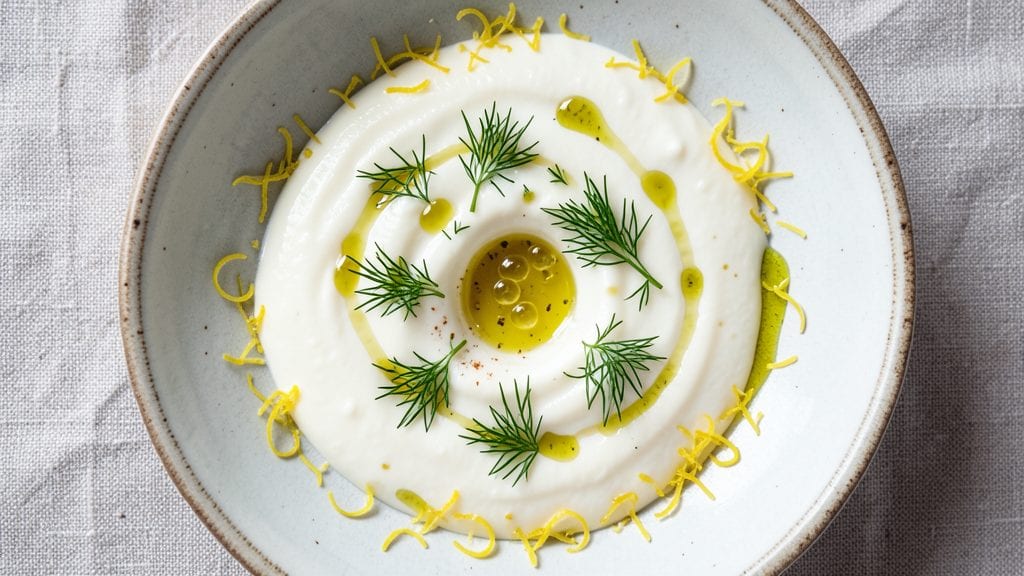
This lemon-dill cream sauce transforms ordinary salmon cakes into a restaurant-worthy dish with its bright, tangy punch that cuts through rich fish perfectly.
The secret lies in balancing fresh dill and lemon zest with a velvety cream base—no heavy mayo here, just a light, elegant sauce that enhances rather than overpowers the delicate flavors of the salmon.
I developed this recipe after years of testing sauces that either drowned the fish or left it tasting flat, and this version finally nailed the balance.
The magic happens in the emulsification—whisking cold cream into the lemon-dill mixture creates a stable, creamy texture without breaking, while a touch of Dijon mustard adds depth that elevates the entire dish.
What makes this sauce truly special is its versatility: it works equally well as a dipping sauce, a topping for grilled salmon, or even a dressing for seafood salads. The bright citrus and herbal notes not only complement the salmon cakes but also make them feel fresh and sophisticated.
What you’ll end up with is a sauce so perfectly balanced—tangy yet creamy, fresh yet rich—that it becomes the star of the plate. The lemon zest infuses subtle brightness, while the fresh dill adds an aromatic finish that lingers on the palate.
This isn’t just a sauce; it’s the finishing touch that turns a simple appetizer into an unforgettable bite. Ready in just 10 minutes, it’s the kind of recipe that proves even the simplest dishes can shine with the right accompaniment.
Once you try this sauce, you’ll never go back to store-bought versions—it’s that good. The best part? It keeps beautifully in the fridge for up to 5 days, making it perfect for meal prep or entertaining.
Whether you’re serving salmon cakes at a dinner party or enjoying them as a weeknight snack, this lemon-dill cream sauce will leave everyone asking for the recipe.
Ingredients for sauce for salmon cakes
Six simple ingredients transform into a sauce that makes salmon cakes unforgettable.
| Ingredient | Amount | Notes |
|---|---|---|
| Heavy Cream 🥛 | ½ cup | Full-fat for richness |
| Fresh Dill Leaves 🌿 | ½ cup | Packed, stems removed |
| Lemon Zest 🍋 | 1 tbsp | From 1 large lemon |
| Lemon Juice 🍋 | 1 tbsp | Freshly squeezed |
| Extra-Virgin Olive Oil 🫒 | ¼ cup | High-quality, fruity |
| Dijon Mustard 🍯 | 1 tsp | Mild or strong |
| Salt 🧂 | ½ tsp | Fine sea salt |
| Black Pepper 🌶️ | ¼ tsp | Freshly ground |
| Garlic Cloves 🧄 | 1 clove | Minced, optional |
The dill and lemon are the stars here—farmers market dill has the most vibrant flavor, but grocery store bunches work too if they're fresh (no wilted leaves!). For zest, use the outer layer only—avoid the bitter white pith. The heavy cream needs to be cold when you whisk it in, so pull it from the fridge right before using. I always grab Whole Foods 365 brand heavy cream for consistency, but any full-fat works. The Dijon mustard adds depth without overpowering—Maille is my go-to, but any good-quality brand does the trick.
No fresh dill? Dried dill at one-third the amount gets you close, but it won't have that same bright aroma. Short on lemon? Lime zest and juice works surprisingly well—just halve the amount. The olive oil matters—avoid the cheap stuff that tastes like soap. If you're avoiding garlic, skip it entirely—the sauce still shines. For extra richness, stir in 1 tbsp of crème fraîche at the end. And if you're making this ahead, add the lemon juice last to keep the sauce brightest.
This sauce keeps beautifully—5 days in the fridge, sealed in a jar with a thin layer of olive oil on top to preserve freshness. Freezes for 3 months if you make a big batch. I always double the recipe because it disappears fast—perfect for meal prep or entertaining. The texture thickens slightly when chilled, so whisk before serving. Trust me, the first time you taste this sauce, you'll never buy store-bought again.
Why You'll Love This Recipe
- Here’s the best part: this sauce keeps perfectly in the fridge for up to 5 days, and it only gets better as the flavors meld. I make a double batch because it’s cheap (just a few dollars’ worth of ingredients) and turns a simple meal into something that feels like a treat—no extra effort required.
- No-Chop Needed: I swear by this sauce because it takes zero prep work—just a quick whisk of heavy cream, a handful of fresh dill, and a splash of lemon. The zest and juice are the only things I measure, and honestly? That’s it. You’ll be done before the salmon cakes even hit the pan.
- Bright & Creamy Magic: That first bite of salmon cake with this sauce is ridiculously good—the lemon zest cuts through the richness of the heavy cream, while the dill adds this fresh, herby punch. It’s like a little burst of summer in every spoonful, and it pairs perfectly with the flaky texture of the cakes.
- Weeknight & Dinner Party: Between us, this sauce works for everything—a quick weeknight dinner with store-bought salmon cakes or a fancy spread when you’re hosting. I’ve used it on grilled fish, even as a drizzle for roasted veggies. It’s my go-to for when I don’t want to fuss but still want something special.
Step-by-step instructions for lemon-dill cream sauce
This bright, herby sauce comes together in minutes and elevates salmon cakes instantly.
Whisk Together Cream and Mustard
In a medium bowl, combine the 0.5 cup heavy cream and 1 tsp Dijon mustard. Whisk vigorously for 30 seconds until the mustard is fully dissolved and the mixture is smooth. The mustard adds depth while keeping the sauce from being too heavy—don't skip this step, or the sauce will taste flat.
Here's the thing—this is where the sauce's texture begins. The mustard emulsifies the cream, creating a silky base that won't separate later. If you notice any lumps, strain the mixture through a fine-mesh sieve to ensure a velvety finish.
Add Lemon Zest and Juice
Grate the 1 tbsp lemon zest using a fine grater (don't use a zester—you want the oil-rich outer layer for maximum flavor). Add it to the cream mixture along with the 1 tbsp lemon juice. Whisk again until fully combined and the zest is evenly distributed.
The zest gives the sauce its signature brightness, while the juice adds a sharp contrast that cuts through the richness of the salmon cakes. If you're using bottled lemon juice, strain it first to remove any pulp—it can make the sauce grainy. Taste at this point; you should notice a noticeable tang but not overwhelming sourness.
Incorporate Olive Oil and Seasonings
Slowly drizzle in the 0.25 cup extra-virgin olive oil while whisking continuously. This gradual addition prevents the sauce from breaking. Once fully incorporated, add the 0.5 tsp salt, 0.25 tsp black pepper, and the 1 minced garlic clove (if using). Whisk until the garlic is completely distributed.
This is where the sauce transforms from tangy to balanced. The olive oil adds richness and helps create that signature glossy finish. If you're using garlic, mince it finely—you don't want chunks in your sauce. The olive oil should be fully emulsified, creating a smooth, creamy texture without separation.
Fold in Fresh Dill
Chop the 0.5 cup fresh dill leaves (stems removed) into small pieces. Gently fold them into the sauce using a rubber spatula, being careful not to overmix. The dill should be evenly distributed but still visible as bright green flecks throughout.
Real talk: this is the moment that matters. The dill gives the sauce its signature aroma and freshness. Don't pulse it in a food processor—you want visible herb flecks in every bite. If your dill is particularly strong, you might want to use slightly less than the full amount, but the recipe quantity is perfect for balanced flavor.
Adjust Consistency and Serve
Taste the sauce and adjust seasoning if needed. If it's too thick, thin it with 1-2 tablespoons of warm water or additional lemon juice. For a thinner consistency, add a splash of warm water 1 tablespoon at a time until you reach your desired texture. The sauce should coat the back of a spoon smoothly.
This sauce is best served immediately over salmon cakes, but it will keep in the refrigerator for up to 3 days in an airtight container. Before serving, give it a quick whisk to redistribute any settled ingredients. The perfect sauce should be creamy, tangy, and bursting with fresh dill flavor that brightens every bite of your salmon cakes.
Pro Tips For Making Sauce For Salmon Cakes
- STRAIN THE CREAM: Heavy cream separates when heated, and nothing ruins a silky sauce faster than lumps. Warm it gently over low heat—just until it’s steaming, not boiling—then strain it through a fine-mesh sieve into your saucepan. I’ve learned this the hard way: skipping the straining leaves a chalky texture that fights even the best dill.
- ZEST FIRST, JUICE LATER: Lemon zest packs more punch when added early. Toss it into the warm cream while you’re straining, let it steep for 2 minutes, then remove it with a slotted spoon before adding juice. The zest’s oils infuse better this way, and you avoid that sharp, watery hit from overdoing the juice later—trust me, your salmon cakes will taste brighter.
- DILL IN BATCHES: Chunky dill leaves turn your sauce into a green sludge if you dump them all in at once. Start with half the leaves, let the sauce simmer for 30 seconds, then add the rest. This keeps the texture smooth and the flavor balanced—no more scraping dill chunks off your fork.
- ACID TEST THE CREAM: Heavy cream curdles when it hits acid too fast. Before adding lemon juice, whisk in 1 tablespoon of cold cream first, then slowly drizzle in the juice while stirring constantly. If the sauce thickens too fast, splash in a teaspoon of water to loosen it. I was skeptical until I tried it—now it’s non-negotiable for my salmon cakes.
Troubleshooting great sauce for salmon cakes
Broken Emulsion Fix
If your sauce separates into oily layers, don’t panic—this is fixable! The issue usually happens when oil is added too quickly or the mixture isn’t whisked enough. To rescue it, whisk in 1 tablespoon of cold heavy cream while drizzling in 1 teaspoon of Dijon mustard—this helps re-emulsify.
For extra insurance, add ½ teaspoon of xanthan gum (a common thickener) dissolved in 1 tablespoon water and whisk vigorously for 30 seconds. The sauce should smooth out immediately. 💡
Overly Tangy Sauce
If the lemon flavor dominates and overpowers the dill, balance it by adding 1 teaspoon of honey or ½ teaspoon of sugar while whisking. The sweetness will mellow the acidity without sacrificing brightness.
Alternatively, stir in ½ teaspoon of crème fraîche—its mild tang and creaminess will soften the sharpness. Taste as you go; you’re aiming for a harmonious blend where lemon enhances, not overpowers. 🍋
Dull or Flat Flavor
A lackluster sauce often means the dill wasn’t fresh enough or the lemon zest was skipped. Boost the flavor by adding ½ teaspoon of lemon extract (not oil-based) for extra zing, or fold in 1 tablespoon of finely chopped chives for a milder herbal note.
If the sauce tastes bland, increase the salt to ¾ teaspoon and add a pinch of smoked paprika for depth. Freshness is key—always use the brightest ingredients you can find. ✨
Too Thick or Grainy
If the sauce is too thick, thin it with 1 tablespoon of warm water or lemon juice while whisking. For graininess caused by lemon pulp or dill stems, strain the sauce through a fine-mesh sieve into a clean bowl.
If it’s still too thick after thinning, whisk in 1 teaspoon of extra heavy cream to restore creaminess. The ideal consistency should coat the back of a spoon smoothly without being gluey. 🥄
Sauce Separates After Chilling
This happens when the sauce isn’t properly emulsified before refrigeration. To prevent it, whisk the sauce vigorously for 1 full minute before storing. When ready to serve, give it a quick whisk to redistribute any separated layers.
For extra stability, add ½ teaspoon of ground flaxseed (mixed with 1 tablespoon water) to the sauce before chilling—it acts as a natural thickener and emulsifier. The sauce should hold together beautifully for up to 5 days in the fridge. ❄️
Dill Overpowers Everything
If the dill flavor is too strong, reduce it by ¼ cup next time or balance it with ½ teaspoon of fresh tarragon or 1 teaspoon of chopped parsley. For an immediate fix, stir in 1 teaspoon of honey or ½ teaspoon of sugar to mellow the herbal intensity.
The goal is a bright, balanced flavor where dill shines but doesn’t dominate. Taste as you go—adjust gradually to avoid overcorrecting. 🌿
Nutrition facts
Frequently asked questions
Can I make this sauce without heavy cream?
Swap the heavy cream for ½ cup full-fat Greek yogurt or ½ cup crème fraîche to keep it rich but lighter. For a vegan option, use ½ cup coconut cream (chilled overnight) and add 1 tsp xanthan gum to stabilize. The texture will be slightly different but still delicious—just whisk vigorously to emulsify.
How do I prevent the sauce from separating?
Add the olive oil very slowly while whisking constantly, and keep all ingredients cold until the very end. For extra stability, whisk in ½ tsp ground flaxseed mixed with 1 tbsp water before adding the dill. If it separates later, whisk in 1 tbsp cold cream and ½ tsp Dijon mustard to re-emulsify. Patience is key—rush the process and you risk breaking the emulsion.
Can I use this sauce for other seafood dishes?
This sauce pairs beautifully with grilled shrimp, scallops, or even cod fillets. For a bolder flavor, add ½ tsp smoked paprika or 1 tsp capers when folding in the dill. The bright lemon-dill notes complement delicate seafood perfectly. Just reduce the dill to ⅓ cup if using stronger herbs like tarragon.
Why does my sauce taste bland?
Blandness usually means the dill wasn't fresh or the lemon zest was skipped. Boost flavor by adding ½ tsp lemon extract (not oil-based) or 1 tsp finely chopped chives. For depth, increase salt to ¾ tsp and add a pinch of smoked paprika. Always use the freshest herbs and zest—they make all the difference.
How long can I store this sauce?
This sauce keeps for up to 5 days in an airtight container in the fridge. For longer storage, freeze it for 3 months. Before serving, whisk to redistribute any settled ingredients. To preserve freshness, add a thin layer of olive oil on top before sealing. The sauce thickens slightly when chilled, so thin with 1 tbsp warm water if needed.