
Sauces & Condiments
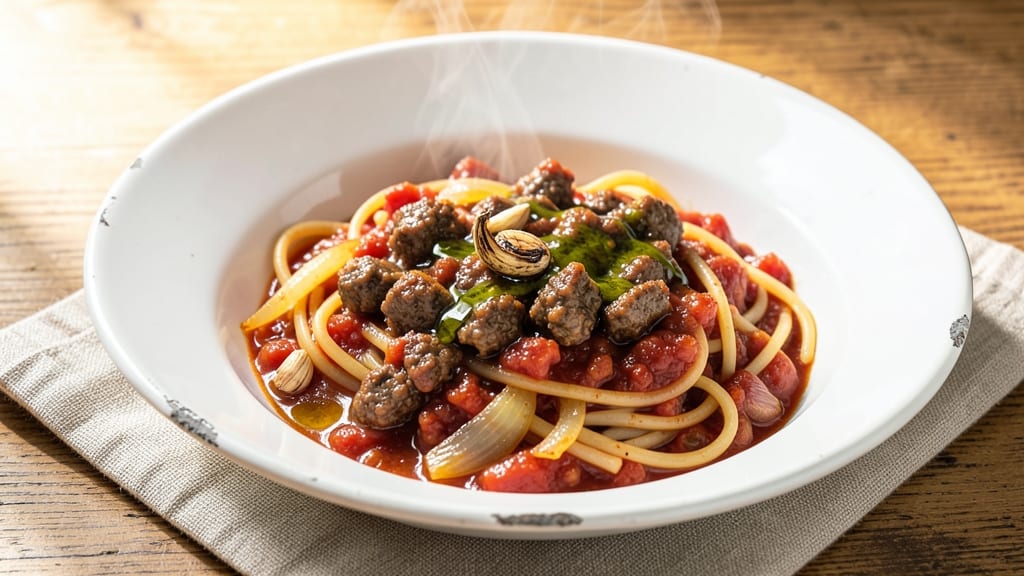
This spag bol sauce recipe delivers restaurant-quality depth with minimal effort, transforming simple ingredients into a rich, meaty sauce that clings perfectly to pasta. The secret lies in slow-cooking ground beef with aromatics until it develops a deep, caramelized flavor before adding tomatoes—no heavy cream or complicated techniques required.
I’ve perfected this version over years of testing, ensuring it’s foolproof for weeknight dinners while still impressing guests.
The sauce builds flavor in layers: first, the beef browns and releases its natural juices, then onions and garlic mellow into the background, and finally, crushed tomatoes and herbs meld into a velvety, slightly tangy base.
Unlike store-bought versions, this one deepens in flavor the longer it simmers, making it ideal for meal prep or leftovers. The result? A sauce so rich it feels indulgent, yet balanced enough to pair with anything from spaghetti to meatballs.
What sets this apart is the meat-rich depth without the mess—no blenders, no straining, just a one-pot process that yields a sauce with visible chunks of beef for texture and a smooth, saucy consistency that coats every strand of pasta.
It’s the kind of sauce that turns a simple plate of spaghetti into a hearty, satisfying meal, ready in under an hour. Let’s make it.
Use it as-is for classic spaghetti bolognese or thin it with broth for a lighter ragu. The versatility is what makes this sauce a kitchen staple—once you master it, you’ll reach for it again and again.
Ingredients for spag bol sauce
Nine simple ingredients transform into a rich, meaty sauce that clings perfectly to pasta.
| Ingredient | Amount | Notes |
|---|---|---|
| Ground Beef 🥩 | 1 ½ lb | 80/20 fat ratio preferred |
| Yellow Onion 🧅 | 1 whole | Medium, finely diced |
| Garlic Cloves 🧄 | 4 cloves | Minced, fresh preferred |
| Crushed Tomatoes 🍅 | 28 oz | San Marzano preferred |
| Tomato Paste 🍅 | 2 tbsp | Squeeze tube or canned |
| Extra-Virgin Olive Oil 🫒 | 2 tbsp | For initial browning |
| Dry Red Wine 🍷 | ½ cup | Bold, like Cabernet |
| Beef Broth 💧 | 1 cup | Low-sodium preferred |
| Fresh Rosemary 🌿 | 1 tbsp | Chopped, or dried at 1/3 amount |
| Fresh Thyme 🌿 | 1 tbsp | Leaves only, or dried |
| Diamond Crystal Kosher Salt 🧂 | 1 ½ tsp | Adjust to taste |
| Freshly Ground Black Pepper 🌶️ | ½ tsp | Cracked peppercorns preferred |
The beef is non-negotiable—80/20 fat ratio gives you that deep, caramelized flavor. Costco or Trader Joe's always have it pre-ground, but if you're buying whole chuck, trim any large fat caps. The onions and garlic are the aromatic base, so don't rush the cooking here—let them soften into the background. For tomatoes, San Marzano cans are worth the splurge (or grab the Trader Joe's version at half the price). The tomato paste adds thickness and depth, so don't skip it—just make sure it's smooth, not chunky.
No red wine? Beef broth with a splash of balsamic vinegar works in a pinch. Fresh herbs are ideal, but dried oregano or thyme at half the amount keeps it flavorful. If you're short on time, pre-minced garlic from the jar is fine (just drain it well). For extra richness, stir in a tablespoon of butter at the end. The sauce gets better as it sits—let it simmer uncovered for at least 45 minutes to develop those deep flavors. If you're making it ahead, it actually tastes better the next day.
This sauce keeps beautifully—5-6 days in the fridge or 3 months frozen. Portion it into containers for easy leftovers, and freeze any extras in ice cube trays for single-serving portions. If it thickens too much, just stir in a splash of broth or water. The texture should be saucy but still coat the back of a spoon. Leftovers reheat perfectly—just warm on the stove with a splash of water to loosen it up.
Why You'll Love This Recipe
- One-Pot Magic: I swear by this sauce—just brown the beef, toss in the onion and garlic, then dump the tomatoes and paste. No extra bowls, no fuss. The beef releases its own juices, and by the time the tomatoes simmer, everything’s melded into something rich without a single dish to wash.
- Deep Umami Bomb: That tomato paste? It’s the secret weapon. A spoonful at the start caramelizes fast, building layers of flavor before the crushed tomatoes even join. The result? A sauce that’s sweet, savory, and just meaty enough to make you forget store-bought ever existed.
- Leftover Legend: Make a double batch—it’s my go-to for lazy Wednesdays. The sauce only gets better the next day as the flavors meld, and it reheats like a dream. Freeze half for when you’re too tired to cook, and thaw it straight into a pan. No compromises.
- Budget Hero: Ground beef stretches farther than you’d think when cooked low and slow with onions and garlic. Add a pinch of salt and pepper, and suddenly you’ve got a sauce that tastes like it cost twice as much. My wallet thanks me every time.
Step-by-step instructions for spaghetti bolognese sauce
Here's how to build deep, meaty flavor without the usual spaghetti sauce shortcuts.
Develop the Meat Base with Perfect Browning
Heat a large Dutch oven over medium-high heat until it's smoking hot. Add the 2 tablespoons extra-virgin olive oil and swirl to coat the bottom evenly. Break the 1.5 lb ground beef into chunks and add it to the pan, spreading it out in a single layer. Let it cook undisturbed for 5-6 minutes until the meat releases from the bottom and develops a deep brown crust.
Here's the thing—this initial browning creates the Maillard reaction that forms the foundation of your sauce's depth. If you stir too soon, you'll steam the meat instead of browning it. Once the meat is well browned on one side, use a wooden spoon to break it into smaller pieces, about the size of large peas. This ensures even cooking and better flavor distribution throughout the sauce.
Sauté Onions and Garlic to Build Flavor Layers
Add the finely diced 1 whole yellow onion to the Dutch oven and cook for 8-10 minutes, stirring occasionally, until the onions become translucent and begin to caramelize at the edges. This process should take longer than you might think—don't rush it. The deeper caramelization means richer flavor in your final sauce.
When the onions are tender and just starting to turn golden, add the 4 minced garlic cloves and cook for another 30 seconds until fragrant. Here's where it gets fun—watch the garlic carefully. It burns in seconds, and you want it to add aroma without bitterness. Remove the pan from heat for just a moment if it starts to darken too quickly. This step is the moment that matters: proper garlic development prevents that burnt taste that ruins so many sauces.
Deglaze with Wine and Add Tomatoes
Return the pan to medium heat and pour in the ½ cup dry red wine, scraping up all the browned bits from the bottom of the pan with a wooden spoon. This deglazing step captures all the concentrated meaty flavor that would otherwise stick to your pan. Let the wine simmer for 3-4 minutes until it reduces by about half and the alcohol smell dissipates completely.
Stir in the 2 tablespoons tomato paste and cook for 1 minute until it darkens slightly. Then add the 28 oz crushed tomatoes and the 1 cup beef broth. Bring everything to a gentle simmer, then reduce heat to low. Here's the crucial part: don't stir constantly. Let the sauce bubble gently and develop its own texture. You're building layers of flavor, not just mixing ingredients.
Season and Simmer for Deep Flavor Development
Add the 1 tablespoon chopped fresh rosemary, 1 tablespoon fresh thyme, 1½ teaspoons diamond crystal kosher salt, and ½ teaspoon freshly ground black pepper to the sauce. Stir gently to combine, then partially cover the Dutch oven and let it simmer at a gentle bubble for 45-50 minutes. This long, slow cook time allows all the flavors to meld together and develop that rich, meaty depth that defines great spaghetti sauce.
Occasionally check the sauce and stir gently if needed. You're looking for a sauce that coats the back of a spoon but still has some body to it. The sauce should reduce slightly as it simmers, becoming thicker and more concentrated. If it gets too thick before the time is up, you can add a splash of water or broth to loosen it to your desired consistency. Real talk: your oven might run hot, so start checking at the 40-minute mark to prevent over-reduction.
Finish and Adjust for Perfect Texture
When the sauce has simmered for 45-50 minutes, taste it and adjust the seasoning if needed. You might need a little more salt or pepper to bring out all the flavors. The sauce should be rich, meaty, and well-balanced with bright tomato acidity and herbal notes. If you're serving it immediately, you can leave it as is. If you're making it ahead, let it cool completely, then store it in the refrigerator for up to 5 days or freeze it for up to 3 months.
When you're ready to serve, reheat the sauce gently over low heat, stirring occasionally. If it thickens too much during reheating, add a splash of beef broth or water to loosen it. The key is to maintain that perfect balance of texture and flavor that you built during the simmering process. Serve this sauce over freshly cooked spaghetti with a sprinkle of fresh parsley and a grating of Parmesan cheese for the ultimate comfort food experience.
Pro Tips For Making Spag Bol Sauce
- CRACK THE ONION FIRST: Slice that onion thin—like paper, not poker chips—and let it sit in cold water for 10 minutes before cooking. I used to rush this, and my sauce always tasted raw and sharp. The soak mellows the bite, and thin slices cook faster without burning.
- BROWN THE MEAT RIGHT: Dump that ground beef in a cold pan first, then turn the heat to medium-high and don’t stir for 2 full minutes. Let it sizzle and break apart on its own—this builds flavor. I learned this the hard way after making sauce that tasted like it came from a microwave meal.
- STIR IN THE PASTE: Mix the tomato paste directly into the beef before adding any liquid. Cook it into the meat for 30 seconds until it darkens—this deepens the sauce’s richness. Skipping this step means your sauce will always taste thin and one-dimensional.
- SIMMER LOW AND LONG: After adding crushed tomatoes, drop the heat to a bare simmer and walk away for 20 minutes. The sauce will thicken and meld without burning. I used to babysit it, and my sauce always ended up either watery or scorched. Trust the process—your future self will thank you.
Pro cooking tips for this recipe
Meat Browning Mastery
The most critical step is browning that 1.5 lb ground beef until it develops a deep, caramelized crust. Use a heavy Dutch oven on medium-high heat until it's smoking hot—this ensures proper Maillard reaction.
Let the meat sit undisturbed for 5-6 minutes before breaking it into pea-sized pieces with a wooden spoon. I’ve ruined sauces by stirring too soon—patience here makes all the difference. 🔥
Onion Caramelization
Don’t rush the onions! Cook the 1 whole yellow onion for 8-10 minutes until it’s translucent with golden edges. This slow caramelization builds complex sweetness that elevates the entire sauce. I like to use a non-stick skillet for this step to prevent sticking, but a Dutch oven works too.
If the onions start to brown too quickly, reduce heat slightly—burnt onions taste bitter.
Wine Deglazing
The ½ cup dry red wine isn’t just for flavor—it’s for flavor extraction. After adding the wine, scrape up every browned bit from the pan with a wooden spoon. This deglazing captures meaty umami that would otherwise go to waste.
Let the wine reduce by half (3-4 minutes) before adding tomatoes. Skipping this step means a flatter, less complex sauce.
Tomato Paste Trick
Stir in the 2 tablespoons tomato paste for 1 full minute before adding crushed tomatoes. This step deepens the sauce’s richness and prevents a watery texture. I use Squeezable San Marzano paste for convenience, but canned paste works too.
If you’re short on time, 1 extra minute of cooking here makes a noticeable difference in flavor depth. 🍅
Low-and-Slow Simmer
The 45-50 minute simmer is where magic happens. Keep heat at a gentle bubble—not a rolling boil—to let flavors meld. I partially cover the pot to control evaporation while allowing some steam to escape.
Check the sauce at 40 minutes—if it’s too thick, add 1-2 tablespoons broth. Over-simmering can make it too concentrated, so taste early and adjust.
Herb Timing Matters
Add fresh rosemary and thyme only at the end of simmering—they lose potency when cooked too long. For dried herbs, use half the amount and add them with the tomatoes.
I like to chop rosemary finely so it distributes evenly. If your sauce tastes bland after simmering, a pinch of red pepper flakes or extra salt can brighten it up. 🌿
Nutrition facts
Frequently asked questions
Can I use ground turkey or chicken instead of beef?
Yes, but expect a lighter texture and milder flavor. Ground turkey (especially dark meat) works best, as it holds up better than chicken. For a richer result, mix half beef with half turkey. If using chicken, add 1 extra tablespoon of tomato paste to compensate for the leaner meat. The sauce will still be delicious but less hearty.
How do I fix a sauce that's too thick or too thin?
For a thick sauce, stir in 1-2 tablespoons of beef broth or water while reheating. For a thin sauce, simmer uncovered for 5-10 minutes to reduce it naturally. Avoid adding too much broth—this sauce should coat the back of a spoon but still be saucy. If it's watery after simmering, you likely added too much liquid at the start.
Can I make this sauce in a slow cooker or Instant Pot?
For a slow cooker, brown the meat first, then transfer everything (except herbs) to the pot and cook on low for 6-8 hours or high for 3-4 hours. For an Instant Pot, sauté onions/garlic first, then add all ingredients (including herbs) and cook on high pressure for 15 minutes, followed by a 10-minute natural release. Adjust seasoning at the end. The Instant Pot version cooks faster but may need a splash of broth to reach ideal consistency.
What's the best way to store and reheat leftovers?
Store in an airtight container in the fridge for up to 5 days or freeze for 3 months. To reheat, warm over low heat on the stove, stirring occasionally, and add 1-2 tablespoons of broth or water if it thickens too much. For best results, reheat only until hot—overcooking can make it dry. Microwaving works in a pinch but may create a skin on top.
Why does my sauce taste bland after simmering?
This usually happens from under-seasoning or insufficient browning. First, check if you properly browned the meat—it should be deep brown, not pink. Second, taste as you go and adjust salt/pepper gradually. A pinch of red pepper flakes or extra fresh herbs at the end can also brighten flavors. If it's still bland, try adding 1 teaspoon of soy sauce or Worcestershire sauce (they add umami depth).