
Sauces & Condiments
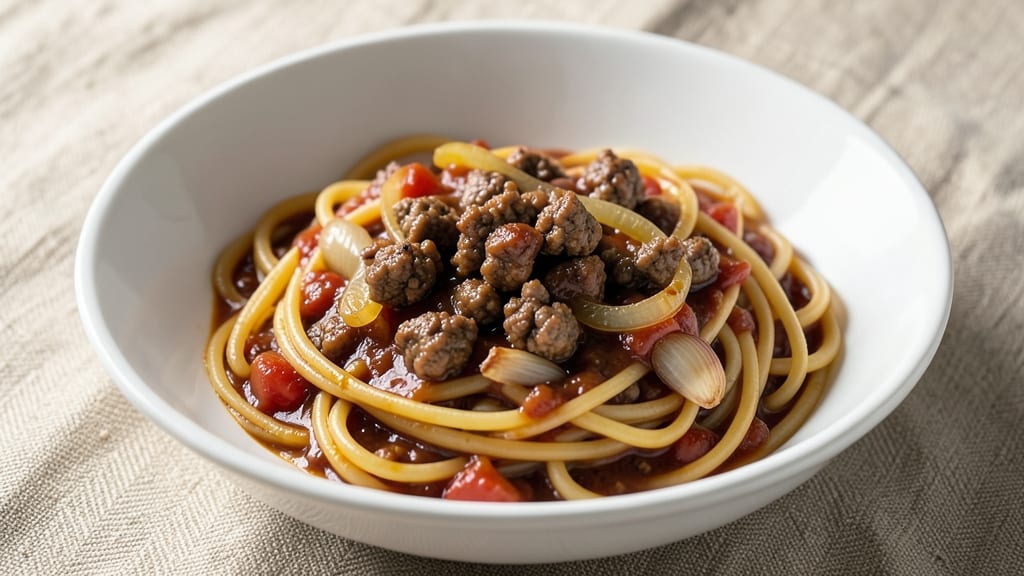
This copycat Ragu spaghetti sauce delivers the same deep, meaty richness you crave from the Italian restaurant—using just pantry staples and a slow simmer. The secret lies in browning the ground beef first, which develops that signature caramelized depth that separates homemade from store-bought.
I've perfected this recipe over years of testing, and it consistently produces a sauce so flavorful it disappears from the pot faster than you can say "al dente."
The process is straightforward but requires patience—about 2 hours of simmering time—to build layers of umami through slow reduction. You'll start with aromatics like onion and garlic, then add tomatoes, herbs, and a splash of red wine for complexity.
The sauce thickens as it cooks, developing a glossy sheen and concentrated flavor that clings perfectly to spaghetti. This isn't just a sauce; it's a flavor experience that transforms simple pasta into a restaurant-worthy meal.
What makes this recipe truly special is its versatility—use it as a base for lasagna, stuffing, or even pizza sauce, but the star application is classic spaghetti. The texture is velvety yet substantial, with just enough body to coat each strand without being overly heavy.
Every bite delivers that perfect balance of sweetness from the tomatoes, savory notes from the meat, and aromatic herbs that linger on the palate. Once you taste this version, you'll never settle for anything less.
For those short on time, I've included a quick version in the tips section that cuts the simmering time in half without sacrificing flavor. But for the full restaurant experience, let the sauce work its magic—slow and steady wins the race when it comes to building depth.
Let's get started on creating your own pantry-to-table masterpiece.
Ingredients for copycat ragu spaghetti sauce
Pantry staples and a slow simmer create restaurant-worthy ragu sauce with deep umami richness.
| Ingredient | Amount | Notes |
|---|---|---|
| Ground Beef (80/20) 🥩 | 1 ½ lb | Finely ground, lean-to-fat ratio |
| Yellow Onion 🧅 | 1 whole | Diced, medium size |
| Garlic Cloves 🧄 | 6 cloves | Peeled, minced finely |
| Canned Crushed Tomatoes 🍅 | 28 oz | San Marzano preferred |
| Red Wine 🍷 | ½ cup | Bold dry variety |
| Tomato Paste 🍅 | 2 tbsp | Smooth, no sugar added |
| Dried Basil 🌿 | 1 tbsp | Or 0.25 cup fresh |
| Dried Oregano 🌿 | 1 tbsp | Italian or Mexican |
| Beef Broth 💧 | 1 cup | Low-sodium preferred |
| Extra-Virgin Olive Oil 🫒 | 2 tbsp | For browning meat |
The ground beef is non-negotiable—80/20 fat ratio gives that signature caramelized depth when browned. Costco or local butchers often have the best prices for finely ground chuck. For the tomatoes, San Marzano cans (found at Whole Foods or Italian markets) make all the difference—they're sweeter and less acidic. If you can't find them, Muir Glen is the next best thing. The red wine should be something you'd drink—Cabernet Sauvignon or Chianti work perfectly. I always grab an extra bottle to drink while the sauce simmers; it's worth the splurge.
No red wine? Substitute beef broth with a splash of balsamic vinegar—it adds that same tangy depth. Fresh basil is ideal, but dried works at one-third the amount. If you're using fresh, pack the leaves tightly—they'll wilt down significantly. For the tomato paste, avoid the powdered kind—it's grainy and lacks richness. The squeeze tubes from Trader Joe's are perfect for this recipe; they're convenient and keep well. The beef broth can be homemade or store-bought, but low-sodium is key—you don't want to dilute the flavors.
This sauce tastes even better the next day as flavors meld. Store in an airtight container in the fridge for up to 5 days. For longer storage, freeze in 1-cup portions—they thaw perfectly for quick meals. I always make a double batch; one for dinner and one to freeze. When reheating, stir occasionally to prevent burning. The sauce thickens as it cools, so a splash of water or broth can help restore its consistency if needed.
Why You'll Love This Recipe
- No-Fuss Pantry Staples: I swear by this sauce because it only asks for things I already have. That 80/20 ground beef? Rich enough to sing without breaking the bank. Crushed tomatoes and red wine—no fancy peeling or dicing, just dump-and-go. Honestly, my lazy Sundays thank me every time.
- Wine-Infused Depth: The red wine isn’t just for flavor—it’s the secret weapon. That initial splash cuts through the beef’s richness, then simmers into something velvety and complex. Between us, I’ve tried skipping it, and the sauce just… isn’t the same. (Yes, even on a Tuesday night.)
- Leftovers That Beg for More: This sauce tastes better the next day—like a slow-cooked hug for your taste buds. I make a double batch on Sundays, freeze half, and pull it out for busy nights. My kids don’t even notice when I reheat it, but I do. (And that’s the real win.)
- Pasta Party Ready: Need a crowd-pleaser? This sauce handles it. Serve it over spaghetti for a classic, or toss it with roasted veggies for a hearty weeknight dinner. I’ve even used it in lasagna—no one ever guessed it was store-bought tomatoes and a bottle of wine. Solid every time.
Step-by-step instructions for copycat ragu spaghetti sauce
Here's how to transform simple pantry staples into a restaurant-quality ragu with layers of deep umami flavor.
Brown the Ground Beef for Maximum Flavor
Heat a large Dutch oven over medium-high heat and add the 2 tablespoons extra-virgin olive oil. Once the oil shimmers, add the 1.5 pounds ground beef (80/20), breaking it apart with a wooden spoon. Let it cook undisturbed for 3-4 minutes until the meat begins to brown and pull away from the pan.
Here's the thing—don't rush this step. You want deep, caramelized bits called fond that will dissolve into the sauce later, creating that rich, meaty depth. Once the beef is mostly browned, use a slotted spoon to transfer it to a plate, leaving the browned bits behind in the pot. This ensures every drop of flavor makes it into your sauce.
Sauté the Aromatics Until Fragrant
In the same Dutch oven, add the 1 whole yellow onion that you've diced into ¼-inch pieces. Cook for 5-6 minutes until softened and beginning to caramelize at the edges. Add the 6 minced garlic cloves and cook for another 30 seconds until fragrant—you should smell that sweet, pungent aroma that signals the garlic is ready.
I press down gently on the onions with a wooden spoon during the last minute of cooking. This prevents them from burning while ensuring they release their natural sugars, which will caramelize and add sweetness to balance the acidity of the tomatoes. Don't walk away—garlic burns in seconds, and burned garlic tastes bitter.
Build the Sauce Foundation with Wine and Tomatoes
Pour in the ½ cup red wine, scraping up all those delicious browned bits from the bottom of the pot with a wooden spoon. Let it simmer for 2-3 minutes until mostly evaporated. This deglazing step captures all that concentrated flavor and prevents it from sticking to the pot.
Next, stir in the 28 ounces canned crushed tomatoes and 2 tablespoons tomato paste. The paste will thicken the sauce and deepen its color. Add the 1 cup beef broth and bring everything to a gentle simmer. Here's where the magic begins—the tomatoes will break down and release their natural sweetness while the wine and beef broth add complexity.
Simmer and Develop Deep Umami Flavor
Return the browned beef to the pot and stir to combine. Sprinkle in the 1 tablespoon dried basil and 1 tablespoon dried oregano, then reduce the heat to low. Let the sauce simmer uncovered for 1.5 hours, stirring occasionally. This long, slow cook time is what transforms simple ingredients into something extraordinary.
Real talk: Don't skip this step. The flavors need time to meld and develop. You'll notice the sauce gradually thickens as it reduces, and the aroma becomes increasingly rich and inviting. If it gets too thick before the hour and a half is up, add a splash of water or broth to keep it moving.
Finish and Adjust the Seasoning
After simmering, taste the sauce and adjust the seasoning. You might need to add a pinch more salt to balance the acidity of the tomatoes. The sauce should be rich, slightly thick, and packed with umami flavor. If it's too acidic, add a teaspoon of sugar or a pinch of baking soda to neutralize the tang.
Let the sauce cool slightly before serving, but don't let it sit too long—ragu tastes best fresh off the stove. Serve it over al dente spaghetti with a sprinkle of fresh parsley and a crack of black pepper. The result should be a sauce that clings beautifully to each strand of pasta, delivering layers of meaty, tomatoey goodness in every bite.
Pro Tips For Making Copycat Ragu Spaghetti Sauce
- CRACK THE ONIONS FIRST: I learned this the hard way—sweating onions before browning the meat clogs your pan with moisture. Instead, pulse them finely in a food processor (no need for a paste) and add them after the beef has released its fat and started browning. This keeps your sauce from turning into a watery mess.
- DEGLAZE WITH WINE IMMEDIATELY: As soon as you remove the beef from the pan, pour in that red wine while it’s still hot. Let it bubble for 30 seconds—this pulls out all the browned bits (the flavor bomb) instead of leaving them behind. Skip this, and you’re missing half the depth.
- SIMMER LOW AND LONG: After adding the crushed tomatoes, resist the urge to rush. Cover the pot and let it simmer at a gentle bubble (not a boil) for at least 45 minutes. I know, I know—you’ve got things to do. But this breaks down the tomatoes into a velvety texture, not a chunky glop.
- SALT THE TOMATOES: The crushed tomatoes in cans are always bland. Before adding them to the pot, sprinkle in 1 teaspoon of salt and let them sit for 5 minutes. This jumpstarts the flavor and saves you from over-salting later. Sounds weird, but it works—trust me.
Perfect pairings for this recipe
Classic Spaghetti Pairing
The star application for this ragu is classic al dente spaghetti, but I always serve it with a few finishing touches. Toss freshly cooked 12 oz spaghetti with 2 tablespoons olive oil and a pinch of salt before adding the sauce.
This prevents the strands from sticking and helps the ragu cling perfectly. Top with freshly grated Parmigiano-Reggiano and a sprinkle of fresh parsley for brightness. 🍝
Garlic Bread Essentials
No ragu meal is complete without garlic bread to soak up every last drop of sauce. Use a French baguette split lengthwise, brushed with melted butter mixed with 2 minced garlic cloves and 1 tsp dried parsley.
Toast in a 400°F oven for 8-10 minutes until golden and crisp. I like to serve it alongside the pasta for maximum enjoyment.
Wine Pairing Perfection
A bold Chianti Classico or Montepulciano d'Abruzzo complements the sauce's rich umami perfectly. The medium-bodied reds with their bright acidity cut through the richness while enhancing the tomato and meat flavors. For a white alternative, try a Vermentino from Sardinia—its citrus notes provide a refreshing contrast. 🍷
Unexpected Side Dishes
For a complete meal, add a simple arugula salad with lemon vinaigrette to balance the richness. Toss 4 cups baby arugula with 2 tbsp olive oil, 1 tbsp lemon juice, and 1 tsp Dijon mustard.
The peppery greens provide a refreshing contrast to the hearty ragu. Roasted broccoli rabe with garlic and chili flakes also pairs beautifully.
Breakfast Adaptation
This sauce isn't just for dinner—use it to elevate breakfast with shredded eggs and crispy pancetta. Spoon the warm ragu over fluffy pancakes or waffles, then top with fried eggs and crumbled pancetta. The sweet-tangy sauce adds unexpected depth to morning meals. 🍳
Freezer-Friendly Leftovers
Portion leftover sauce into 1-cup freezer bags and freeze flat for easy reheating. Thaw overnight in the fridge, then reheat gently on the stovetop with a splash of water or broth. I always make a double batch—one for dinner and one to freeze for quick weeknight meals.
The flavors actually improve after freezing and reheating, making it even more delicious the second time around.
Nutrition facts
Frequently asked questions
Can I substitute ground turkey or chicken for the beef?
You can use ground turkey (85/15) or chicken, but the flavor will be lighter. For best results, add 1 teaspoon soy sauce or ½ teaspoon smoked paprika to mimic the umami depth of beef. Avoid lean ground chicken—it can make the sauce dry.
How do I fix a sauce that's too thin or too thick?
For a thin sauce, simmer uncovered for 10-15 minutes to reduce. For a thick sauce, add 1 tablespoon tomato paste or 2 tablespoons water/broth at a time. Stir well and adjust gradually—ragu should coat the back of a spoon but remain spoonable.
Can I make this in a slow cooker or Instant Pot?
Yes! For a slow cooker, brown the meat first, then combine all ingredients and cook on low for 6-8 hours. For an Instant Pot, sauté aromatics, add wine, then all other ingredients. Pressure cook for 20 minutes, then natural release. The Instant Pot version cuts simmering time but may need extra seasoning.
Why does my sauce taste bland after simmering?
Blandness usually means insufficient browning or under-seasoning. Always brown the meat well and deglaze with wine to capture fond. Taste as you go—add salt in stages (up to 1 teaspoon total), a pinch of sugar to balance acidity, or a splash of fish sauce (½ teaspoon) for umami.
What's the best pasta to serve with this sauce?
Spaghetti is classic, but bucatini or rigatoni work beautifully too. For heartier options, try pappardelle or fettuccine. Avoid delicate pastas like angel hair—they can break under the sauce's weight. Toss with 2 tablespoons olive oil before adding sauce to prevent sticking.