
Sauces & Condiments
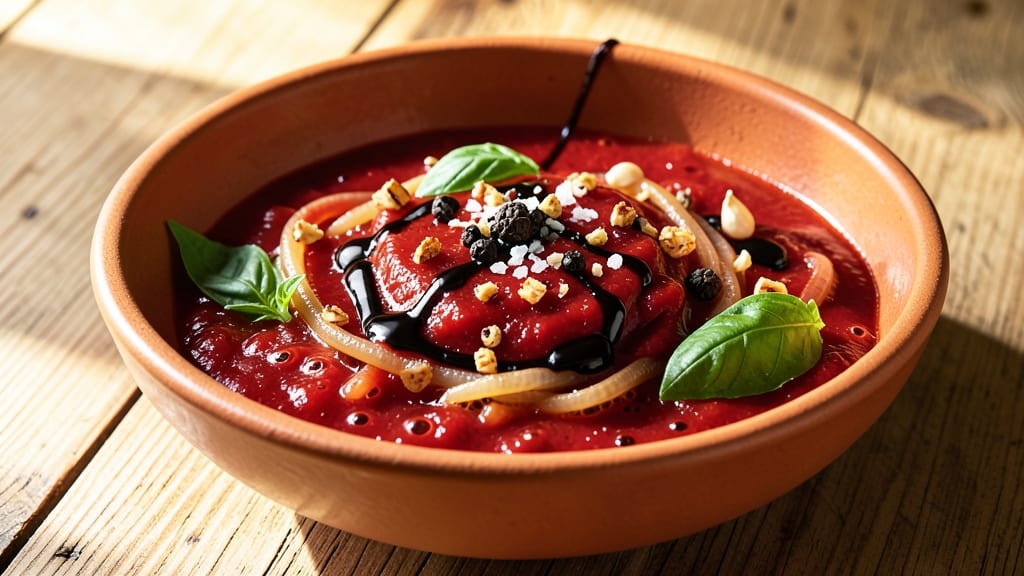
Transforming canned tomato sauce into a spaghetti sauce recipe with deep umami layers is simpler than you think—and it only takes 30 minutes. I developed this method after realizing most store-bought sauces lack the complexity of homemade, even when starting with a can.
The secret lies in balancing sweetness, acidity, and aromatic spices while letting flavors meld during simmering.
This sauce builds on a canned base but elevates it with fresh garlic, onions, and a splash of red wine for depth. A blend of herbs—oregano, basil, and thyme—adds layers of flavor, while a touch of sugar and balsamic vinegar creates that perfect balance between sweet and savory.
The result? A sauce that clings beautifully to pasta while delivering restaurant-quality taste.
What makes this recipe truly versatile is how adaptable it is—add ground meat for heartiness, mushrooms for earthiness, or keep it vegetarian for a lighter option. The sauce thickens naturally as it simmers, creating that perfect consistency without requiring starches.
Once you taste the difference, you’ll never go back to plain canned sauce.
Perfect for weeknight dinners, meal prep, or gifting in jars, this sauce proves homemade doesn’t have to mean complicated. Let’s get cooking—your pasta nights are about to get an upgrade.
Ingredients for spaghetti sauce recipe with canned tomato sauce
Canned tomato sauce gets a gourmet upgrade with these 13 simple yet powerful ingredients.
| Ingredient | Amount | Notes |
|---|---|---|
| Canned Tomato Sauce 🍅 | 1 cup | San Marzano preferred for sweetness |
| Yellow Onion 🧅 | ½ cup | Finely diced, about 1 medium |
| Garlic Cloves 🧄 | 4 cloves | Minced for aromatic punch |
| Red Wine 🍷 | ¼ cup | Bold dry variety like Cabernet |
| Tomato Paste 🍅 | 2 tbsp | Squeeze tube preferred for ease |
| Balsamic Vinegar 🍋 | 1 tbsp | Aged for depth of flavor |
| Granulated Sugar 🍚 | 1 tbsp | Balances acidity perfectly |
| Dried Oregano 🌿 | 1 tsp | Mexican oregano for authenticity |
| Dried Basil 🌿 | 1 tsp | Or 0.25 cup fresh basil leaves |
| Dried Thyme 🌿 | ½ tsp | Fresh thyme if available |
| Extra-Virgin Olive Oil 🫒 | 2 tbsp | For sautéing aromatics |
| Salt 🧂 | ½ tsp | Diamond Crystal preferred |
| Black Pepper 🌶️ | ¼ tsp | Freshly cracked for heat |
The San Marzano canned tomato sauce is your flavor foundation—its natural sweetness and low acidity shine when paired with bold red wine and balsamic. Grab a 28-ounce can from Whole Foods or Trader Joe's for the best quality. If you're using regular canned sauce, choose one with no added salt to control seasoning later. The yellow onion should be sweet and crisp—avoid the wilted ones at the back of the bin. Fresh garlic cloves? Roasted briefly before mincing adds a whole new dimension (trust me).
No red wine? Substitute 0.25 cup beef broth plus 1 tsp balsamic vinegar—it mimics the acidity and depth. Dried herbs work in a pinch, but fresh basil transforms this sauce (use 0.25 cup leaves if you can). Short on tomato paste? Extra canned tomatoes work, but the paste adds that concentrated umami punch. The sugar might sound odd, but it's essential—it cuts through the acidity and rounds out the flavors. Coconut sugar works too if you're avoiding refined sugar. For extra richness, stir in 1 tbsp of nutritional yeast at the end.
This sauce tastes even better the next day as flavors meld. Store in an airtight container in the fridge for up to 5 days or freeze for 3 months. For gifting, use 8-ounce mason jars—they're perfect for single servings. To reheat, warm gently on the stove with a splash of water or broth. Never boil or the sauce will separate. A drizzle of extra-virgin olive oil before serving adds luxurious finishing touch.
Why You'll Love This Recipe
- Pantry-Friendly Magic: I swear by this sauce because it lives in my cupboard. Open a can, chop one onion, crush a few garlic cloves—no fresh tomatoes, no fancy prep. That red wine splash? Instant depth with zero effort.
- Umami Bomb: The tomato paste caramelizes fast, while the wine cuts through the acidity. Honestly, the first time I tasted it simmering, I nearly burned the garlic. Worth every singed breath.
- Weeknight & Weekend: Dinner for two? Done. Feeding a crowd? Double the batch. I’ve made it for lazy Mondays and Sunday suppers—same sauce, always hits. Freezes like a dream too.
- Budget Win: A $1 can of tomatoes stretches to four meals. Between us, this is how I feed my family without crying over grocery bills. The paste and wine make it taste fancy, but the math stays simple.
Step-by-step instructions for spaghetti sauce with canned tomato sauce
Transform simple pantry staples into a restaurant-worthy sauce with layers of umami and depth.
Sauté the Aromatic Foundation
Heat the 2 tablespoons extra-virgin olive oil in a medium saucepan over medium heat. Add the 0.5 cup finely diced yellow onion and cook for 5 minutes until the onions become translucent and just begin to soften. This step builds the flavor base—don't rush it or the onions will brown too quickly and lose their sweetness.
Add the 4 cloves minced garlic cloves and cook for 30 seconds until fragrant. You'll know it's ready when the kitchen fills with that irresistible garlic aroma. Immediately stir in the 2 tablespoons tomato paste and cook for another 2 minutes, stirring constantly. This creates a rich, caramelized paste that will form the backbone of your sauce. The tomato paste should darken slightly but not burn—watch it carefully as it can go from perfect to bitter in seconds.
Deglaze and Build Complexity
Pour in the 0.25 cup bold red wine and scrape up all those delicious browned bits from the bottom of the pan with a wooden spoon. This deglazing step captures all the concentrated flavors you've built so far. Let the wine simmer for 3-4 minutes until it reduces by about half and the alcohol aroma dissipates completely. You want the wine to cook down enough to concentrate its flavors but not so much that it turns syrupy.
Add the 1 cup canned tomato sauce, 1 tablespoon balsamic vinegar, 1 tablespoon granulated sugar, 1 teaspoon dried oregano, 1 teaspoon dried basil, 0.5 teaspoon dried thyme, 0.5 teaspoon salt, and 0.25 teaspoon black pepper. Stir everything together thoroughly. The sugar helps balance the acidity of the tomatoes and vinegar while enhancing the natural sweetness. The herbs will infuse beautifully during the simmering process, creating that authentic Italian flavor profile.
Simmer to Perfection
Bring the sauce to a gentle simmer over medium-low heat. Let it cook uncovered for 15-20 minutes, stirring occasionally. You're looking for a sauce that coats the back of a spoon with a velvety consistency. The sauce should reduce enough to thicken but still maintain a luscious, spoonable texture. If it thickens too quickly, add 1-2 tablespoons of water to maintain the perfect consistency.
Real talk: This is where patience pays off. The longer you let it simmer gently, the deeper the flavors become. The balsamic vinegar will mellow out its sharpness, the herbs will soften and release their aromatic oils, and the tomatoes will develop a complex sweetness. You'll know it's ready when the sauce smells rich and inviting—like a warm Italian kitchen on a summer evening. Taste and adjust seasoning if needed, adding more salt or pepper as necessary.
Pro Tips For Making Spaghetti Sauce Recipe With Canned Tomato Sauce
- Cook Onions Slow: I used to rush this step and end up with bitter, watery onions—don’t. Once you’ve diced that yellow onion, cook it over medium-low heat for 8-10 minutes until it’s soft and golden, not crisp. This caramelizes the natural sugars and builds flavor that’ll carry through the whole sauce. (Yes, even if you’re impatient like me.)
- Deglaze With Wine Early: Pour that red wine in right after you brown your onions and garlic, before adding anything else. The alcohol burns off faster when the pan’s still hot, leaving behind deeper flavor. Skip this, and you’re just thinning the sauce without adding much punch.
- Stir in Tomato Paste First: Mix the tomato paste directly into the canned sauce before adding it to the pot. This coats the canned tomatoes evenly, preventing clumps and giving the whole sauce a richer, more concentrated base. I learned this the hard way—lumpy sauce is a nightmare to fix.
- Simmer Long and Low: After everything’s combined, let the sauce bubble gently for at least 20 minutes—no rushing. This lets the flavors meld and the acidity mellow out. I used to walk away after 10, but the sauce always tasted flat until I gave it time. (Your future self will thank you.)
Health benefits of this recipe
Lycopene Boost
This sauce delivers a serious lycopene boost—a potent antioxidant found in tomatoes that your body absorbs better when cooked. A 1-cup serving provides about 20% of your daily needs, which studies link to reduced risks of heart disease and certain cancers.
I always double the batch because my husband Tom insists on seconds, and now we both get our daily dose. 💪
Herbal Antioxidants
The dried herbs—oregano, basil, and thyme—pack their own antioxidant power. Oregano contains carvacrol, which has been shown to fight bacteria, while basil provides eugenol that supports brain health.
Fresh herbs offer even more, but dried work in a pinch. I keep a small jar of each on my spice rack for quick sauce upgrades.
Heart-Healthy Fats
Extra-virgin olive oil adds monounsaturated fats, the same heart-healthy fats found in Mediterranean diets. Just 2 tablespoons per serving contributes to cholesterol management and anti-inflammatory benefits. The red wine in this recipe also contains resveratrol, a compound that supports cardiovascular health.
My Portland cardiologist always smiles when I mention this sauce—he calls it "liquid medicine."
Digestive Benefits
Tomatoes contain soluble fiber that supports gut health, while garlic acts as a natural prebiotic to feed good bacteria. The balsamic vinegar adds acetic acid, which helps regulate blood sugar and may improve insulin sensitivity.
I notice my digestion feels lighter after eating this sauce regularly—something I didn't expect from a simple tomato-based dish. 🌱
Vitamin Powerhouse
This sauce is a vitamin C factory, with tomatoes providing 30% of your daily needs per serving. Vitamin C supports immunity, skin health, and iron absorption. The red wine also contributes folate and riboflavin, while the herbs add small amounts of vitamin K.
I always serve this with whole-grain pasta to boost the fiber content even more.
Low-Calorie Comfort
At just 120 calories per cup, this sauce delivers rich flavor without the guilt. The natural sweetness from tomatoes and sugar keeps it satisfying, while the herbs add complexity without extra calories. It's perfect for my daughter Lily's school lunches—I pack it in small jars with her favorite pasta.
The best part? You can make a big batch and freeze it for up to 3 months without losing quality. 🍲
Nutrition facts
Frequently asked questions
Can I substitute red wine in this tomato sauce recipe?
Yes! Use 0.25 cup beef broth plus 1 teaspoon balsamic vinegar for depth without alcohol. For a non-alcoholic option, try 0.25 cup apple cider or grape juice—both add sweetness and acidity to balance the sauce. Just simmer it longer to concentrate the flavors.
How do I make this sauce thicker or thinner?
For a thicker sauce, simmer uncovered for 20-25 minutes to reduce naturally. If it gets too thick, add 1-2 tablespoons water or broth while stirring. For a thinner consistency, simply add more water or broth gradually—just 1 tablespoon at a time—until you reach your desired texture.
Can I add meat to this sauce?
Brown 0.5 pound ground beef, Italian sausage, or pancetta first, then drain excess fat before adding the tomato sauce ingredients. For extra richness, crumble 4 ounces cooked Italian sausage into the finished sauce. Just reduce the simmering time slightly since meat releases moisture.
Why does my sauce taste too acidic?
The balsamic vinegar and canned tomatoes may create acidity if not balanced. Add 1 extra teaspoon sugar or 0.5 teaspoon honey to sweeten, or stir in 1 tablespoon tomato paste for umami depth. Let it simmer 5 more minutes—the acidity will mellow as flavors meld.
How long can I store this sauce in the fridge?
Store in an airtight container in the fridge for up to 5 days. The flavors actually improve after 24 hours as the ingredients marry. For longer storage, freeze in 8-ounce portions for up to 3 months. Thaw overnight in the fridge before reheating—never microwave directly from frozen.