
Sauces & Condiments
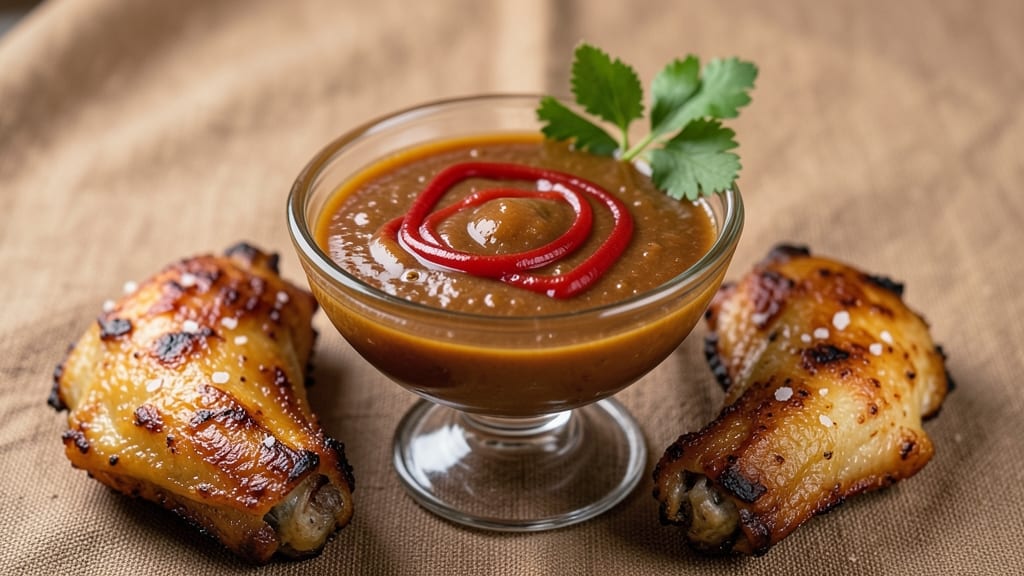
Creating an authentic Sweet Baby Ray's wing sauce at home delivers that signature smoky-sweet heat that makes every bite irresistible. I've perfected this recipe after years of testing—balancing the tangy, spicy, and sweet notes that make it a game-changer for wings, fries, or even burgers.
The secret lies in simmering the ingredients until the flavors meld together just right, creating a sauce that's bold enough to stand out but smooth enough to coat perfectly.
This recipe uses simple pantry staples like ketchup, vinegar, and spices, but the magic happens in the precise measurements and the slow reduction process. I developed it to be foolproof, so you can achieve restaurant-quality flavor without any shortcuts.
Whether you're hosting a game day or craving wings at home, this sauce will elevate your dish every time.
The result is a glossy, sticky sauce with a perfect balance of sweetness, heat, and tang—ready to transform your favorite proteins into something unforgettable. It keeps well in the fridge for up to two weeks, so you can make a big batch and enjoy it all week long.
Let's get started on making this crowd-pleaser!
For those who love a little extra kick, I'll share tips on adjusting the spice level while keeping that signature Sweet Baby Ray's flavor. The sauce works perfectly on wings, but don't stop there—it's also amazing on fries, pulled pork, or even as a marinade.
Here's everything you need to make it right at home.
Ingredients for sweet baby ray's wing sauce
Nine simple pantry staples transform into that iconic smoky-sweet sauce everyone loves.
| Ingredient | Amount | Notes |
|---|---|---|
| Ketchup 🍅 | 1 cup | High-quality, no sugar added preferred |
| Apple Cider Vinegar 🍎 | ½ cup | For tangy brightness |
| Brown Sugar 🍚 | ½ cup | Packed firmly, not lightly |
| Worcestershire Sauce 🍶 | 2 tbsp | High-quality, like Lea & Perrins |
| Garlic Powder 🧄 | 1 tbsp | Freshly ground preferred |
| Onion Powder 🧅 | 1 tbsp | For depth of flavor |
| Smoked Paprika 🌶️ | 1 tbsp | Key for smoky flavor |
| Cayenne Pepper 🔥 | ½ tsp | Adjust for heat preference |
| Ground Black Pepper 🌶️ | ½ tsp | Freshly cracked preferred |
| Salt 🧂 | 1 tsp | Kosher or sea salt |
The ketchup is your base—Heinz or Hunt's work perfectly, but if you can find a no-sugar-added version, it'll taste even better. Apple cider vinegar gives that signature tang, so don't substitute white vinegar here. Brown sugar is key for caramelization (pack it firmly, not loosely), and Worcestershire sauce is non-negotiable—it brings that umami depth. For smoked paprika, Penzeys or Tony Chachere's are my go-tos, but any quality smoked paprika will work. The cayenne is where you can play—start with half a teaspoon and add more if you're feeling brave.
No apple cider vinegar? White vinegar or balsamic vinegar will do in a pinch, but the flavor won't be quite the same. Running low on Worcestershire? Soy sauce plus a pinch of sugar mimics some of the depth. Want to cut back on sugar? Swap half the brown sugar for honey or maple syrup. For extra smokiness, add a dash of liquid smoke (like 1/4 teaspoon)—just don't overdo it. The spices are flexible, but the smoked paprika and cayenne are what give it that signature heat. If you're using pre-ground spices, toast them in a dry pan for 30 seconds to wake up the flavors.
This sauce keeps like a dream—2 weeks in the fridge in an airtight container, or 6 months in the freezer if you make a big batch. I like to portion it into small jars so I can grab just what I need. It thickens as it cools, so stir it well before using. If it gets too thick after refrigeration, just add a splash of water or vinegar to loosen it up. The flavor actually improves after the first day as everything melds together—perfect for making ahead for game day or wing nights.
Why You'll Love This Recipe
- Pantry Magic: I swear, this sauce comes together with stuff I already have—no special shopping needed. Just ketchup, a splash of vinegar, and a spoonful of brown sugar. That’s it. Zero stress, all flavor.
- Sweet-Savory Balance: The brown sugar caramelizes just enough to give it that sticky, irresistible glaze, while the Worcestershire and garlic powder add depth. It’s not too sweet, not too tangy—just right, like a hug in sauce form.
- Game for Any Occasion: Use it on wings, sure, but I’ve drizzled it over fries, baked it into meatballs, and even glopped it on grilled cheese. (Yes, even on a Tuesday night.) It’s the kind of sauce that turns ordinary meals into something special.
- Leftover Goldmine: Make a big batch—it keeps for weeks in the fridge. I always have it on hand for last-minute cravings or when friends drop by unannounced. Cheap, easy, and always a crowd-pleaser.
Instructions for sweet baby ray's wing sauce recipe
Here's how to make this iconic sauce that balances smoky, sweet, and spicy flavors perfectly.
Combine Wet Ingredients in a Saucepan
Place a medium saucepan over medium heat and add the 1 cup ketchup, 0.5 cup apple cider vinegar, and 0.5 cup brown sugar. Stir gently to combine, letting the mixture heat through while you prepare the remaining ingredients. You'll see the brown sugar begin to dissolve as it warms.
Don't rush this step—allowing the wet ingredients to blend evenly creates a smoother sauce. The vinegar will add a bright tang that cuts through the sweetness, while the ketchup provides that classic umami base. Keep stirring occasionally to prevent any scorching at the bottom of the pan.
Add Sauces and Spices
Once the mixture reaches a gentle simmer, reduce the heat to low and add the 2 tablespoons Worcestershire sauce, 1 tablespoon garlic powder, 1 tablespoon onion powder, and 1 tablespoon smoked paprika. Stir continuously for 2-3 minutes to ensure everything is fully incorporated and the spices are evenly distributed.
The Worcestershire sauce adds depth, while the garlic and onion powders create a savory backbone. The smoked paprika introduces that signature smoky flavor that makes this sauce so special. You'll notice the mixture darkening slightly as the spices bloom and release their aromas.
Incorporate Heat and Seasoning
Add the 0.5 teaspoon cayenne pepper, 0.5 teaspoon ground black pepper, and 1 teaspoon salt, stirring well to combine. Taste the sauce at this point—it should have a balanced foundation of sweet, tangy, and slightly spicy flavors. Adjust the cayenne if you prefer more heat, or add a pinch more salt if needed.
This is where you can customize the heat level to your preference. If you're serving to a group with varied tastes, you might want to hold back a bit of cayenne to add later. The black pepper adds a subtle sharpness that complements all the other flavors beautifully.
Simmer to Thicken
Return the heat to medium-low and let the sauce simmer uncovered for 10-15 minutes, stirring occasionally. You're looking for the sauce to thicken slightly—it should coat the back of a spoon but still be pourable. If it thickens too quickly, add 1-2 tablespoons water to reach your desired consistency.
The simmering process allows all the flavors to meld together and develop that rich, complex taste. You'll notice the sauce becoming glossy and slightly reduced. This is the point where the sauce transforms from a simple mixture to something truly special that will cling perfectly to your wings.
Cool and Use
Remove the sauce from heat and let it cool slightly—this helps the flavors settle and makes it easier to handle. Transfer to a clean jar or container for storage. The sauce will continue to thicken as it cools, so you might want to stir it again before using to ensure even consistency.
This sauce is best used within 1 week when refrigerated, though it can be frozen for up to 3 months. The flavors actually improve slightly as they sit, developing even more depth. Whether you're tossing it with wings, drizzling over fries, or using as a dip, you'll love how perfectly balanced this sauce is every time.
Pro Tips For Making Sweet Baby Ray'S Wing Sauce
- Simmer Slow and Steady: Don’t rush the sauce—bring it to a gentle boil first, then reduce to a low simmer for 10-15 minutes. I learned this the hard way when I skipped it and ended up with a gloppy, underdeveloped mess. The longer it simmers, the richer the flavors meld together.
- Measure Brown Sugar Wet: Pack that brown sugar into your measuring cup and tap it firmly—don’t scoop it loose. I used to eyeball it, and the sauce always came out either too sweet or cloying. A tight pack ensures consistent sweetness every time.
- Skip the Vinegar Rush: Add the apple cider vinegar last, and only a splash at a time. Too much upfront makes the sauce taste harsh and unbalanced. Taste as you go—you’re aiming for tangy, not sour.
- Stir in Worcestershire Early: Whisk in the Worcestershire sauce right when you start heating, not at the end. It needs time to bloom and deepen the sauce’s umami. I used to add it late, and the flavor always felt flat—like an afterthought.
Pro cooking tips for great sweet baby ray's wing sauce
Heat Control Mastery
Low and slow is key when simmering this sauce. I always use medium-low heat after the initial simmer to prevent scorching—especially with the brown sugar. If you see the sauce darkening too quickly, immediately reduce the heat or cover the pan.
The goal is a gentle reduction that thickens the sauce without burning the spices. 🌡️
Pro tip: Use a heavy-bottomed saucepan like my trusty All-Clad to prevent hot spots. If you don't have one, a stainless steel pan works just as well. The even heat distribution makes all the difference in achieving that perfect glossy finish.
Spice Bloom Technique
When adding the spices, let them bloom for 30 seconds before stirring. This releases their essential oils and deepens the flavor profile. I like to sprinkle them directly over the simmering mixture, then stir vigorously. The smoked paprika is particularly important—it's what gives that signature Sweet Baby Ray's smokiness. 🌶️
For extra depth, toast your spices in a dry pan for 10-15 seconds before adding them to the sauce. This wakes up their flavors and adds a subtle nutty note. Just be careful not to burn them—you want to see them sizzle, not smoke.
Adjusting Consistency
The sauce should be thick enough to coat the back of a spoon but still pourable. If it thickens too quickly during simmering, add 1-2 tablespoons water to loosen it.
I've found that using apple cider vinegar instead of water adds a nice tangy brightness if you need to thin it out.
After refrigeration, the sauce will thicken further. To restore it to its original consistency, stir in 1 teaspoon water or vinegar at a time until it reaches your desired thickness. The sauce should cling beautifully to wings without being too sticky.
Customizing the Heat
Start with the ½ teaspoon cayenne as written, but adjust to taste. For a milder sauce, reduce to ¼ teaspoon or even omit it entirely. If you want extra heat, add ¼ teaspoon at a time until you reach your desired level.
Remember, the sauce will mellow slightly as it cools.
For a smoky kick without extra heat, add ¼ teaspoon liquid smoke along with the spices. This enhances the smokiness without adding spiciness. I like to taste the sauce after simmering to make final adjustments—this is where you can really personalize it to your preference.
Storage Secrets
Let the sauce cool completely before transferring to an airtight container. I use glass jars with tight-sealing lids for best results. The sauce will keep in the fridge for up to 2 weeks, with flavors actually improving as they meld together over time. 💡
For long-term storage, freeze the sauce in ice cube trays or small jars. This makes it easy to grab just what you need for a quick meal. When reheating, warm gently on the stove or microwave for 20-30 seconds to restore its glossy texture.
Nutrition facts
Frequently asked questions
Can I make this sauce without Worcestershire sauce?
Yes, but the flavor will be less complex. Replace the 2 tablespoons Worcestershire with 1 tablespoon soy sauce plus 1 teaspoon honey to mimic some of the umami depth. For a closer match, try 1 tablespoon fish sauce (if you're comfortable with it) or 1 tablespoon balsamic vinegar plus 1/2 teaspoon soy sauce. The sauce will still taste good, but Worcestershire is what gives it that signature savory backbone.
How do I make this sauce spicier without losing the sweet balance?
Start by increasing the cayenne pepper to 1 teaspoon (double the original amount). For extra heat without overpowering sweetness, add 1/4 teaspoon crushed red pepper flakes or 1/2 teaspoon gochujang (Korean chili paste). Taste as you go—remember, the sauce mellows slightly when cooled. If it gets too hot, balance it with an extra 1/2 teaspoon brown sugar or 1 teaspoon honey.
Why did my homemade sauce turn out too thick?
This usually happens from simmering too long or not enough liquid. Thin it with 1-2 tablespoons apple cider vinegar or water while warm. For future batches, reduce simmering time to 8-10 minutes or add 1 extra tablespoon vinegar at the start. The sauce will thicken more as it cools, so stop when it's still slightly runny. If storing, stir in 1 teaspoon vinegar before refrigerating to prevent excessive thickening.
Can I use this sauce on foods other than wings?
This versatile sauce works perfectly on fries, pulled pork, burgers, grilled chicken, or even as a marinade. For extra flavor on fries, toss them in 1 teaspoon cornstarch before adding the sauce to create a crispy coating. On meats, let it sit for 5-10 minutes before serving to let the flavors penetrate. It's also amazing as a dipping sauce for spring rolls or as a glaze for roasted vegetables.
How do I store leftover sauce to keep it fresh?
Transfer cooled sauce to an airtight glass jar and refrigerate for up to 2 weeks. For longer storage, freeze in ice cube trays or small jars (up to 3 months). When reheating, warm gently on the stove over low heat for 2-3 minutes or microwave for 20-30 seconds. Stir well before using—it thickens significantly when chilled. If it separates, whisk in 1 teaspoon water or vinegar to restore consistency.