
Sauces & Condiments
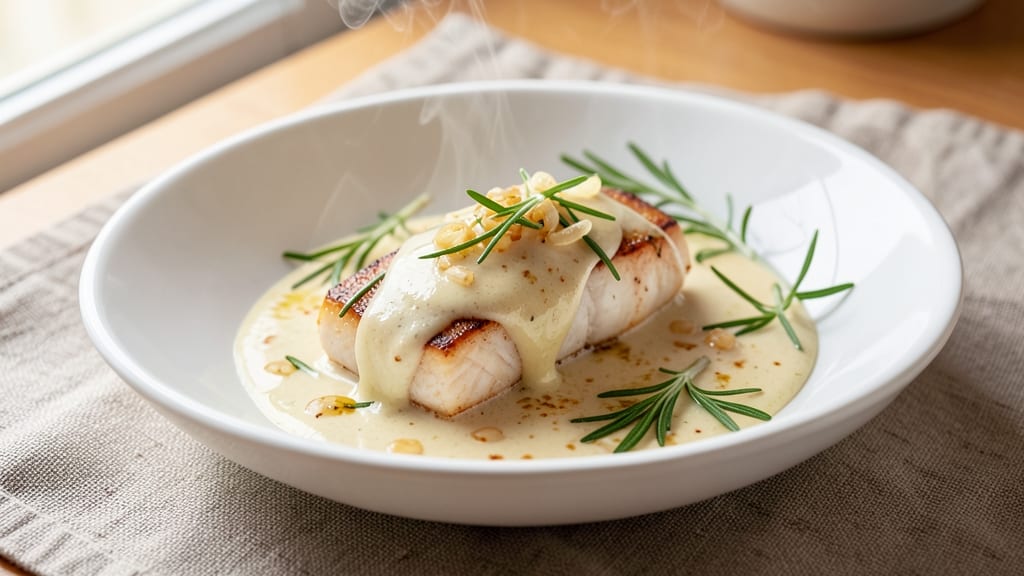
This tarragon sauce recipe transforms simple meals into restaurant-worthy dishes with its bright, anise-like flavor and velvety texture. I developed it after years of testing—balancing tarragon’s delicate aroma with rich butter and tangy vinegar creates a sauce that elevates everything from grilled chicken to poached fish.
The secret lies in proper emulsification, ensuring no separation while maintaining that signature herbal brightness.
What makes this sauce stand out is its versatility—drizzle it over seared scallops, toss with roasted vegetables, or use as a finishing touch for creamy pasta.
Unlike store-bought versions, this recipe uses fresh tarragon (or high-quality dried) for maximum flavor, and the process takes just 10 minutes with no complicated techniques. The result? A smooth, aromatic sauce that’s light enough for summer dishes but rich enough for winter meals.
By the end, you’ll have a foolproof tarragon sauce that’s creamy, tangy, and packed with herbaceous depth. The key is patience during emulsification—whisking steadily until the sauce thickens just enough to coat the back of a spoon.
Store it in the fridge for up to 5 days, or freeze for longer use. This isn’t just a condiment; it’s a flavor multiplier that turns ordinary meals into something extraordinary.
Perfect for weeknight dinners or special occasions, this sauce pairs especially well with lemon butter fish, roasted chicken, or even as a dressing for salads. The bright, herbal notes cut through richness while adding a professional touch to home cooking. Let’s make it—your taste buds will thank you.
Ingredients for tarragon sauce
Ten ingredients, ten minutes, restaurant-quality tarragon sauce for your best dishes.
| Ingredient | Amount | Notes |
|---|---|---|
| Fresh Tarragon Leaves 🌿 | ½ cup | Packed, stems removed for maximum flavor |
| Unsalted Butter 🧈 | ½ cup | Cold, cubed for proper emulsification |
| White Wine Vinegar 🍷 | 2 tbsp | Dry, aged for tangy brightness |
| Heavy Cream 🥛 | ½ cup | Full-fat for velvety texture |
| Shallots 🧅 | 2 whole | Minced fine for subtle sweetness |
| Extra-Virgin Olive Oil 🫒 | ¼ cup | High-quality, fruity variety |
| Diamond Crystal Kosher Salt 🧂 | ¼ tsp | Fine grain for delicate seasoning |
| Freshly Ground Black Pepper 🌶️ | ⅛ tsp | Lightly cracked for subtle heat |
| Dried Tarragon 🌿 | 1 tsp | Substitute for fresh if needed |
| Lemon Zest 🍋 | 1 tsp | Brightens the herbal notes |
Fresh tarragon is non-negotiable here—look for vibrant, deep green leaves at specialty markets or well-stocked grocery stores like Whole Foods or Trader Joe's. The stems contain bitter compounds, so remove them completely. If you can't find fresh, dried tarragon works at one-third the amount, but it lacks that bright anise-like punch. For the butter, Plugrá or European-style brands melt more smoothly than American butter. Shallots should be firm and pale—avoid any with sprouts or soft spots. The olive oil matters too—California Extra Virgin brands with fruity notes elevate the sauce's depth.
No fresh tarragon? Dried is fine, but reduce to one-third the amount. Short on white wine vinegar? Apple cider vinegar or lemon juice works in a pinch, though the flavor will shift slightly. The heavy cream can be swapped for half-and-half if you prefer a lighter sauce, but the texture won't be as luxurious. For a dairy-free version, use coconut cream—just reduce the olive oil by half to balance richness. The lemon zest is optional but adds a bright contrast that makes the sauce sing. If you're making this ahead, skip the zest until serving to preserve its potency.
This sauce keeps beautifully—5 days in the fridge sealed in a jar with a thin layer of olive oil on top to preserve freshness. For longer storage, freeze in ice cube trays for single-serving portions. Reheat gently over low heat, whisking constantly to prevent separation. If the sauce breaks during reheating, just whisk in a splash of cold water or heavy cream until smooth. The sauce thickens as it cools, so adjust consistency with a bit of warm water if needed. Leftovers make an excellent sandwich spread or salad dressing—don't let it go to waste!
Why You'll Love This Recipe
- Five-Ingredient Magic: I swear, this sauce comes together with just five things—no fancy techniques, no stress. Sauté shallots in butter until they’re golden, add vinegar to deglaze, then stir in tarragon and cream. That’s it. No measuring cups, no last-minute grocery runs.
- Anchovy-Free Umami Bomb: Honestly, the tarragon and white wine vinegar combo is where this sauce gets its soul. The vinegar brightens everything, while the tarragon’s licorice-kissed warmth balances the richness of the cream. It’s the kind of flavor that makes you pause mid-bite—like a secret handshake between ingredients.
- Dinner Party Ready: I’ve drizzled this over grilled fish, spooned it onto roasted chicken, and even used it as a dip for crusty bread at gatherings. It’s fancy enough for company but so simple I’d make it on a Tuesday night. (Yes, even on a Tuesday night.)
- Leftovers That Lie: Between us, this sauce tastes better the next day. The flavors meld, the cream thickens just enough to cling to everything, and it’s still light, not heavy. I’ve made a double batch and had it last four days—no one ever guessed it wasn’t fresh.
Step-by-step instructions for tarragon sauce recipe
Here's how to create a velvety, herb-infused sauce that pairs beautifully with delicate proteins.
Prepare the Shallot and Herb Base
In a medium saucepan, combine the 2 whole shallots that have been finely minced with the 0.25 cup extra-virgin olive oil. Cook over medium-low heat for 5-6 minutes, stirring occasionally, until the shallots become translucent and just begin to soften. This gentle cooking prevents them from turning bitter while developing their natural sweetness.
Add the 0.5 cup fresh tarragon leaves (stems removed) and the 1 tsp dried tarragon to the pan. Stir for 1 minute until the fresh tarragon wilts slightly and releases its aromatic oils. The sauce should already be developing a vibrant green hue and a subtle herbal fragrance. Remove from heat temporarily—this base will form the flavor foundation for the entire sauce.
Deglaze and Build the Sauce Structure
Return the pan to medium heat and carefully pour in the 2 tbsp white wine vinegar. Let it simmer for 2-3 minutes until the vinegar has mostly evaporated, leaving behind a glossy, slightly reduced liquid. This step creates a bright, acidic backbone that will balance the richness of the cream and butter.
Add the 0.25 tsp diamond crystal kosher salt and 0.125 tsp freshly ground black pepper to the pan, stirring to dissolve completely. The salt should be fully incorporated before moving forward—this ensures even seasoning throughout the sauce. The pepper will add a subtle warmth that complements the tarragon's anise notes.
Emulsify with Butter and Cream
Reduce the heat to low and gradually whisk in the 0.5 cup unsalted butter (cold, cubed) and 0.5 cup heavy cream. The butter should melt slowly while maintaining the sauce's emulsification. Stir constantly for 3-4 minutes until the mixture thickens to a velvety consistency, coating the back of a spoon.
Here's the thing—this is where precision matters. If the sauce looks too thick, add 1-2 tablespoons of hot water (from the saucepan) to loosen it. The sauce should be smooth, glossy, and hold its shape when drizzled. The butter adds richness while the cream creates that signature silky texture that makes this sauce so irresistible.
Finish with Brightness and Rest
Remove the pan from heat and stir in the 1 tsp lemon zest. Let the sauce sit off the heat for 2 minutes to allow the lemon's citrus oils to infuse fully. The zest will brighten the herbal notes and create a beautiful contrast against the sauce's creamy texture. Taste and adjust seasoning if needed—this is your final chance to balance the flavors.
For best results, let the sauce rest for 10-15 minutes before serving. This resting period allows the flavors to meld completely and the sauce to reach its ideal consistency. If you're serving it over fish or chicken, strain it through a fine-mesh sieve to remove any herb stems and achieve a silky-smooth finish. Serve immediately while warm for the most vibrant flavor experience.
Pro Tips For Making Tarragon Sauce
- Sweat Shallots Slow: I learned this the hard way—rushing the shallots turns your sauce bitter. Use low heat and let them cook for 8-10 minutes until soft and translucent, stirring occasionally. No need to brown; you’re building flavor, not frying onions.
- Chill the Cream First: Cold heavy cream blends smoother and prevents curdling when you add the vinegar. Pop the cream in the fridge for 15 minutes before mixing—your sauce will be silky, not lumpy.
- Don’t Overcook Tarragon: Add fresh tarragon leaves at the very end, just to warm through for 30 seconds. Let them sit too long, and they’ll turn bitter. Think of it like a garnish that happens to be cooked in.
- Whisk Vinegar Gradually: Dump white wine vinegar in all at once, and you’ll risk separating the sauce. Whisk it in slowly, a tablespoon at a time, while the butter-cream mixture is still hot. Patience here keeps your sauce cohesive.
Serving suggestions for this dish
Fish Pairings
This tarragon sauce is a match made in heaven with delicate white fish like halibut or cod. I love drizzling it over pan-seared scallops—the sauce's bright acidity cuts through the richness of the butter, creating a perfect balance.
For a restaurant-worthy dish, try it with lemon butter poached salmon, where the tarragon's anise notes complement the fish's natural sweetness. 🍽️
For a lighter option, pair it with grilled trout or sea bass. The sauce's velvety texture enhances the fish's natural oils without overpowering it. I recommend serving it with a sprinkle of toasted hazelnuts for added crunch and depth.
The contrast between the sauce's creaminess and the fish's flaky texture is pure magic.
Chicken and Poultry
Roasted or grilled chicken breast becomes extraordinary with this sauce. I often brush it onto the chicken during the last 5 minutes of cooking, letting the sauce caramelize slightly for extra flavor.
For a showstopper, try it with herb-roasted chicken thighs—the sauce's richness pairs beautifully with the crispy skin. 🍗
Turkey lovers, don't miss out! This sauce elevates herb-crusted turkey breast or turkey cutlets, especially during holiday meals. The tarragon's herbal notes complement the turkey's mild flavor, making it feel more gourmet. For a lighter option, use it as a dipping sauce for turkey meatballs or skewers.
Vegetable Dishes
This sauce isn't just for proteins—it transforms roasted asparagus into a luxurious side dish. Toss it with blistered green beans or sautéed Brussels sprouts for a bright, herbaceous finish. The acidity in the sauce cuts through the vegetables' natural bitterness, making them taste even fresher. 🥦
For a heartier dish, drizzle it over creamy mashed potatoes or smashed cauliflower. The tarragon's anise-like flavor adds a sophisticated touch, while the sauce's creaminess makes the dish feel indulgent. I also love using it as a dressing for grain bowls, especially with quinoa or farro.
Salads and Sandwiches
Turn a simple mixed greens salad into a standout with this sauce. I toss it with arugula, shaved fennel, and pomegranate seeds for a refreshing, herbaceous bite. The sauce's tangy notes balance the sweetness of the pomegranate beautifully. For a protein boost, add grilled shrimp or poached chicken. 🥗
Sandwich lovers, this sauce is your new best friend. Spread it on ciabatta with smoked salmon and cream cheese for an open-faced masterpiece. It also works wonders in chicken salad sandwiches, replacing traditional dressings. The tarragon's herbal depth adds complexity that store-bought dressings can't match.
Garnishing Tips
Fresh tarragon leaves make a stunning garnish—simply tear them and sprinkle over the sauce before serving. For extra flair, add a pinch of flaky sea salt or a few cracked black peppercorns. A drizzle of high-quality olive oil just before serving adds a luxurious finish. 💫
If you're serving the sauce over fish or chicken, strain it through a fine-mesh sieve to remove any herb stems, ensuring a silky-smooth texture. For a pop of color, add a few edible flowers like nasturtiums or borage.
These garnishes not only look beautiful but also enhance the sauce's fresh, herbal notes.
Nutrition facts
Frequently asked questions
Can I make this tarragon sauce without butter?
Yes! For a lighter version, replace the 0.5 cup butter with 0.25 cup olive oil and 0.25 cup coconut cream (or additional heavy cream). The sauce will be dairy-free but still rich and velvety. Adjust the vinegar to 3 tbsp to balance the richness. The texture will be slightly thinner, but it works beautifully over grilled vegetables or salads.
Why did my tarragon sauce separate?
Separation usually happens when the sauce cools too quickly or isn't emulsified properly. To fix it, whisk in 1-2 tbsp hot water or a splash of cold heavy cream while stirring vigorously. For prevention, keep the sauce warm over low heat while stirring constantly during the emulsification step. If the sauce breaks again, strain it through a fine-mesh sieve to remove any separated liquid.
How can I use dried tarragon instead of fresh?
Use 1 tsp dried tarragon for every 0.5 cup fresh tarragon called for in the recipe. Dried tarragon is more concentrated, so reduce the amount by one-third. Toast the dried tarragon lightly in a dry pan for 30 seconds before adding to deepen its flavor. The sauce will still be aromatic, though fresh tarragon provides that bright, anise-like freshness that dried can't fully replicate.
Can I make this sauce ahead of time?
Store the sauce in an airtight container in the fridge for up to 5 days. For longer storage, freeze it in ice cube trays for single-serving portions. Reheat gently over low heat, whisking constantly until smooth. If it thickens too much, thin it with a splash of warm water or heavy cream. The flavors actually improve as they meld over time.
What’s the best way to serve this sauce with fish?
Drizzle it over pan-seared scallops, grilled trout, or lemon butter fish just before serving. The sauce’s bright acidity cuts through the richness of the fish, creating a perfect balance. For extra flair, garnish with fresh tarragon leaves and a sprinkle of toasted hazelnuts or flaky sea salt. Serve immediately while warm for the most vibrant flavor experience.