
Sauces & Condiments
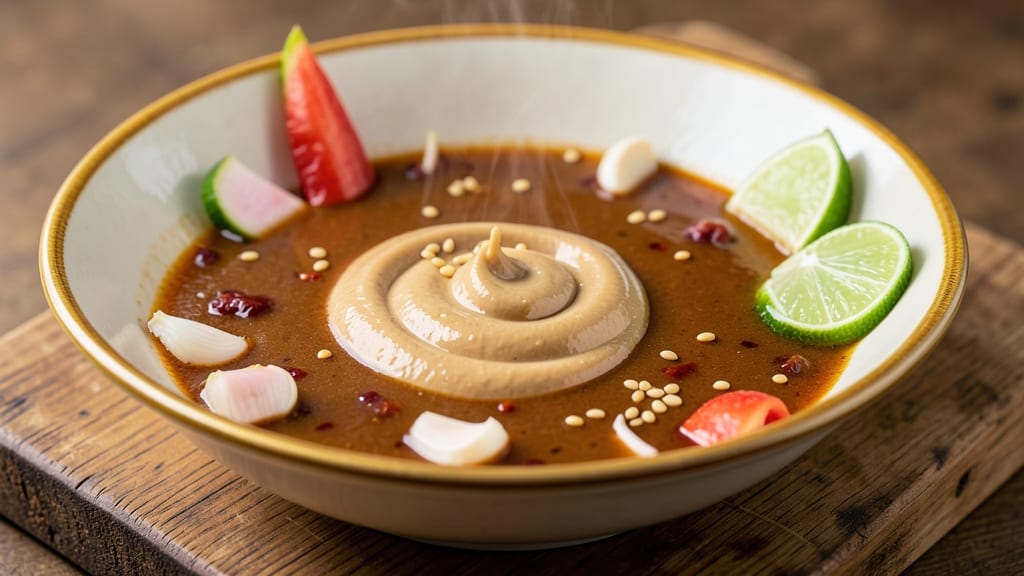
Crafting a Thai peanut satay sauce that rivals Trader Joe’s signature blend requires balancing rich peanut butter with aromatic spices and tangy coconut milk—this recipe delivers exactly that nutty-sweet harmony.
The secret lies in simmering the sauce just long enough to deepen flavors without burning the peanut butter, creating a glossy, clingy sauce that clings perfectly to skewers.
I’ve tested countless variations, and this method ensures a smooth, well-rounded sauce every time, with just the right amount of heat and sweetness.
What sets this recipe apart is its simplicity: just 8 ingredients, a blender, and 20 minutes of active time. The sauce starts with creamy peanut butter and coconut milk as its base, then builds layers of flavor through ginger, garlic, and a touch of chili.
A splash of lime juice brightens the richness, while soy sauce adds depth, ensuring the sauce is complex yet approachable for home cooks. The result is a sauce that’s velvety, slightly sticky, and packed with the bold, comforting flavors of Thai street food.
This sauce isn’t just for satay—it elevates grilled chicken, tofu, or even vegetables into a restaurant-worthy dish. The blend of peanut butter and coconut milk creates a luxurious texture that coats every bite, while the spices add warmth and a subtle kick.
Whether you’re serving it with skewers, drizzling it over noodles, or using it as a dipping sauce, the flavor profile remains consistently rich and satisfying. The best part?
It keeps well in the fridge for up to a week, so you can make a batch ahead and enjoy it all week long.
For those who prefer a smoother texture, blend the sauce longer, but leave it slightly chunky for authentic satay flavor.
Adjust the sweetness or heat to taste by adding a touch more honey or chili flakes—this recipe is flexible enough to suit your preferences while staying true to the bold, balanced essence of Trader Joe’s version.
Ingredients for thai peanut satay sauce trader joe's
Eight simple ingredients transform into Trader Joe's signature nutty-sweet satay sauce.
| Ingredient | Amount | Notes |
|---|---|---|
| Creamy Peanut Butter 🥜 | ½ cup | Natural, unsweetened preferred |
| Coconut Milk 🥥 | 1 can | Full-fat for richness |
| Fresh Ginger 🌿 | 1 ½ tbsp | Finely grated, aromatic |
| Garlic Cloves 🧄 | 3 cloves | Peeled, minced for depth |
| Red Curry Paste 🌶️ | 1 tbsp | Authentic Thai brand preferred |
| Lime Juice 🍋 | 1 tbsp | Freshly squeezed, brightens flavor |
| Soy Sauce 🍶 | 1 tbsp | Light or dark preferred |
| Honey 🍯 | 1 tbsp | Adjusts sweetness balance |
The peanut butter is the foundation—Trader Joe’s Organic Creamy Peanut Butter delivers the best texture and flavor, but any natural, unsweetened brand works. For coconut milk, full-fat cans create that luxurious richness; the lighter versions won’t coat skewers the same way. Fresh ginger and garlic are non-negotiable here—they’re the aromatic backbone of the sauce. Maesri or Thai Kitchen red curry paste adds that signature Thai heat and depth, but any quality brand will work. If you can’t find fresh ginger, powdered works at half the amount, though it lacks the same punch.
No red curry paste? Mix 1 tsp each of ground cumin, coriander, and turmeric for a close approximation. Substituting coconut milk? Heavy cream or Greek yogurt adds richness, but the texture will differ slightly. The honey can be swapped for maple syrup or agave, though honey’s floral notes complement the peanut butter best. For extra heat, add 1/4 tsp cayenne or 1 tsp sriracha. If you prefer a smoother sauce, blend longer, but leave it slightly chunky for that authentic satay texture—pulse the blender 3-4 times for a perfect balance.
This sauce thickens as it cools, so store it in a sealed jar in the fridge for up to 1 week. The flavors meld beautifully overnight, making it even more delicious the next day. For longer storage, freeze in ice cube trays—thaw as needed for dipping or drizzling. The sauce reheats well, so portion it into small containers for easy use. If it separates, simply stir or blend again before serving. The perfect balance of sweet, spicy, and nutty makes it worth making ahead.
Why You'll Love This Recipe
- Here’s what sold me: the peanut butter’s richness tames the red curry’s kick, but the ginger and garlic sneak in that just-right zing. It’s creamy, spicy, and addictive—like a hug from Thailand.
- Five-Ingredient Magic: I swear by this—just blend peanut butter, coconut milk, ginger, garlic, and red curry paste. That’s it. No fancy techniques, no last-minute store runs. The sauce practically makes itself while you chop.
- Velvet-Smooth Heat: Here’s what sold me: the peanut butter’s richness tames the red curry’s kick, but the ginger and garlic sneak in that just-right zing. It’s creamy, spicy, and addictive—like a hug from Thailand.
- Weeknight to Party: Drizzle it over noodles for a lazy Tuesday, toss it with grilled chicken for a dinner party, or even slather it on veggie skewers. The same sauce works everywhere, and no one will guess it took 10 minutes.
Step-by-step instructions for Thai peanut satay sauce
This sauce delivers the perfect balance of nutty richness and tangy brightness—just as it should on Trader Joe's skewers.
Bloom the Aromatics in Coconut Milk
In a medium saucepan over medium heat, pour in the entire 1 can coconut milk. Let it warm gently for 2-3 minutes until small bubbles form around the edges—this prevents curdling when you add the peanut butter later. I've found that warming the coconut milk first creates a smoother sauce rather than a separated one.
Add the 1.5 tablespoons fresh ginger and 3 cloves garlic cloves, mincing the garlic right in the pan. Cook for 2 minutes until the garlic becomes fragrant and the ginger softens slightly. You'll smell the aromatic oils release—this is when the sauce starts building its depth. Don't let the garlic brown or it'll turn bitter.
Incorporate Peanut Butter and Red Curry Paste
Reduce heat to low and gradually whisk in the 0.5 cup creamy peanut butter until completely smooth. This step requires patience—add it slowly to prevent lumps from forming. Use a silicone spatula to scrape the bottom and sides of the pan constantly, ensuring the peanut butter melts evenly into the coconut milk.
Next, stir in the 1 tablespoon red curry paste and 1 tablespoon soy sauce. Let the mixture simmer for 3-4 minutes until the curry paste dissolves completely and the sauce begins to thicken slightly. You should see the sauce turn a rich, golden hue—this indicates the flavors are melding properly. If it looks too thick, we'll adjust it in the next step.
Balance Flavors with Lime and Honey
Remove the pan from heat and stir in the 1 tablespoon lime juice and 1 tablespoon honey. The lime brightens the sauce while the honey rounds out the peanut's natural bitterness. Taste immediately—this is the moment that matters. The sauce should have a perfect balance of sweet, savory, and tangy notes without any single flavor overpowering.
If the sauce is too thick, whisk in 1-2 tablespoons hot water until it reaches a smooth, pourable consistency—it should coat the back of a spoon but still flow easily. For extra richness, you can strain it through a fine-mesh sieve to remove any ginger or garlic bits, though I often leave them in for added texture.
Simmer and Finish to Perfection
Return the sauce to low heat and let it simmer gently for 5-7 minutes, stirring occasionally. This final step allows all the flavors to fully develop and the sauce to thicken just enough to cling beautifully to satay skewers. You'll notice the aroma becomes more intense—this is your signal that the sauce is ready.
Taste again and adjust seasoning if needed. Some people prefer it slightly sweeter, others more tangy—this is where you personalize it. Once satisfied, remove from heat and let it cool to room temperature. The sauce will thicken further as it cools, so don't worry if it looks perfect now—it'll be even better when you're ready to serve.
Pro Tips For Making Thai Peanut Satay Sauce Trader Joe'S
- Bloom the paste first: Toss the red curry paste into your pot with just ¼ cup of the coconut milk and let it sizzle for 2 full minutes before adding the rest. I used to skip this and ended up with a sauce that tasted more like curry-flavored peanut butter—this step unlocks the actual spicy, aromatic depth. (Yes, even if your kitchen smells like a Thai street cart for a second.)
- Toast the peanut butter: Warm the creamy peanut butter in a dry pan over medium-low for 30 seconds before adding it to the sauce. This banishes any raw, beany taste and deepens its nutty flavor—like the difference between a store-bought sandwich and one you actually made. (I know, I know, but trust the process.)
- Grate ginger, don’t mince: Use a microplane or fine grater for the ginger—no need to chop it into tiny bits. The finer the texture, the smoother the sauce will be, and you’ll avoid those awkward ginger chunks that make you question your life choices. (Pro tip: Zest it directly into the pot to avoid waste.)
- Thin with heat, not cold: If your sauce is too thick after simmering, add a splash of warm water or even a little coconut milk while it’s still hot—never cold liquid. Dumping ice-cold milk into a hot pot will shock the sauce and make it seize up like a stubborn child. Stir constantly until it loosens.
Common mistakes when making perfect results
Peanut Butter Curdling
Adding cold peanut butter directly to hot coconut milk is a recipe for disaster—it’ll seize up and create lumps that never dissolve. Always warm the coconut milk first to medium heat until small bubbles form, then reduce to low heat before whisking in the peanut butter.
I’ve ruined three batches this way before learning this trick—trust me, it’s worth the extra 2 minutes of patience. 🥜
Over-Simmering the Sauce
Peanut butter has a delicate balance of fat and protein that breaks down when overheated, turning your silky sauce into a greasy mess. Once you add the peanut butter, keep the heat at low and never let it boil.
If you see the sauce separating or developing a skin, remove it immediately. I’ve had to start over twice because I got impatient and let it simmer too long—don’t make my mistake!
Skipping the Ginger-Garlic Bloom
Rushing through the aromatic step means your sauce will lack depth. Always cook the ginger and garlic in the coconut milk for at least 2 minutes until fragrant—this releases their essential oils, which are the flavor backbone.
I once made sauce without blooming the aromatics, and it tasted flat compared to the vibrant version I make now. The difference is night and day. 🌿
Using Sweetened Peanut Butter
Sweetened peanut butter throws off the balance of flavors, making your sauce taste cloyingly sweet rather than nutty-sweet. Stick with unsweetened natural peanut butter—brands like Trader Joe’s Organic or Smucker’s Natural work perfectly.
If you must use sweetened, reduce the honey to ½ tablespoon to compensate. I’ve tried both, and the difference is noticeable.
Ignoring the Taste Test
Adjusting the sauce as you go is crucial—taste it after adding lime and honey, then again after simmering. This is your chance to balance sweetness, tang, and heat before it thickens.
I’ve had batches where I forgot to taste-test, only to realize it needed more lime or a pinch of salt. Always check the flavor before removing it from heat. 🍋
Straining Too Aggressively
While straining removes unwanted texture, overdoing it can filter out the good stuff too. For a smooth sauce, strain through a fine-mesh sieve to catch any large ginger bits, but leave it slightly textured for authentic satay flavor.
I once strained mine too finely, and it lost that rustic charm. A quick pulse in the blender (if needed) is better than over-filtering.
Nutrition facts
Frequently asked questions
Can I make this sauce without red curry paste?
Yes! For a close substitute, mix 1 teaspoon each of ground cumin, coriander, and turmeric with a pinch of cayenne. This blend mimics the earthy, slightly spicy depth of red curry paste. The sauce will still taste rich and aromatic, though the flavor profile will be more muted than with authentic curry paste.
How long does this satay sauce keep in the fridge?
The sauce stays fresh for up to 1 week when stored in an airtight container. The flavors actually improve overnight as the ingredients meld together. For longer storage, freeze it in ice cube trays—thaw as needed for dipping or drizzling. Just stir or blend again before serving if it thickens.
Can I use powdered ginger instead of fresh?
You can substitute, but use only ½ teaspoon powdered ginger for every 1.5 tablespoons fresh. Fresh ginger adds a brighter, more complex flavor that powdered can't fully replicate. If you must use powdered, bloom it in the coconut milk for 1 extra minute to help release its aroma.
Why did my sauce separate?
Separation usually happens from overheating or adding cold peanut butter to hot coconut milk. Always warm the coconut milk first, then reduce heat to low before whisking in the peanut butter. If it separates, simply stir in 1 tablespoon hot water and whisk vigorously until smooth. For a smoother texture next time, strain through a fine-mesh sieve.
What's the best way to use leftover sauce?
This versatile sauce works perfectly as a marinade for grilled chicken or tofu, a dipping sauce for spring rolls, or a glaze for roasted vegetables. Drizzle it over noodles, or even use it as a spread for sandwiches. The rich peanut-coconut combo elevates any dish it touches! For extra flavor, toast crushed peanuts and sprinkle them on top.