
Sauces & Condiments
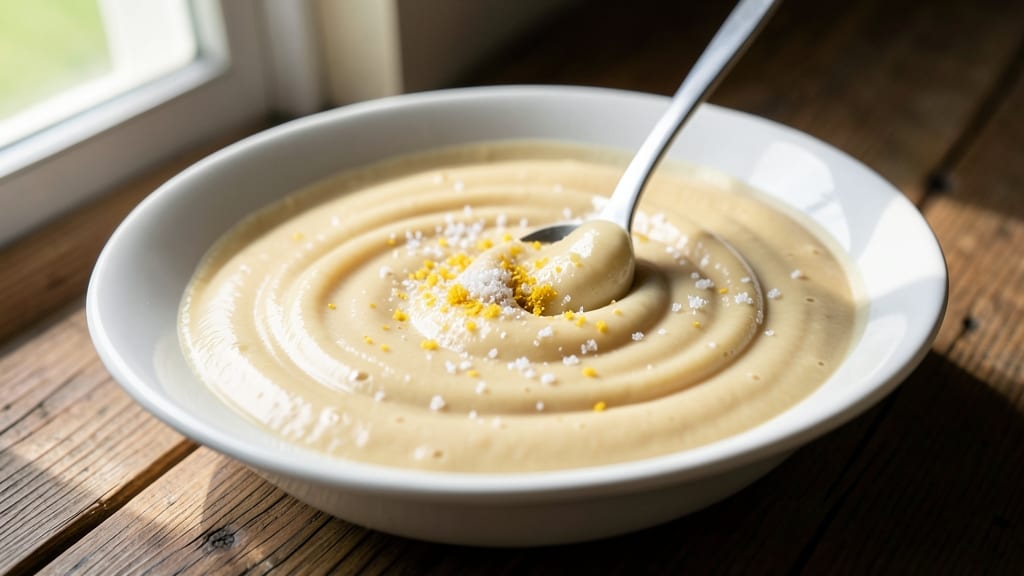
Mastering the art of traditional béchamel sauce transforms ordinary dishes into something extraordinary—this velvety white sauce forms the foundation of countless classics. The secret lies in a perfectly balanced roux and gradual milk incorporation, a technique I’ve refined over years of testing to ensure a smooth, lump-free finish every time.
With just three core ingredients, you’ll create a sauce so versatile it elevates everything from lasagna to croquettes.
This recipe stays true to the original method while simplifying the process for home cooks. The key is patience: cooking the butter and flour until golden creates a rich flavor base, and whisking in warm milk gradually prevents lumps.
For extra depth, a pinch of nutmeg adds that classic aromatic touch that defines authentic béchamel. The result? A sauce that’s silky, flavorful, and ready in just 15 minutes.
Once perfected, this sauce becomes your culinary secret weapon. Use it as-is for creamy pasta dishes, or transform it into Mornay by stirring in cheese. It also freezes beautifully for up to three months, making it the ideal make-ahead component for meal prep.
The possibilities are endless—whether you’re building a layered casserole or enriching a soup.
What sets this recipe apart is its reliability—no special equipment or advanced skills required. The technique is straightforward, the ingredients simple, and the results consistently professional. Let’s create a sauce that forms the heart of countless classic dishes, one whisk at a time.
Ingredients for traditional bechamel sauce
Three core ingredients transform into a velvety foundation for countless classic dishes.
| Ingredient | Amount | Notes |
|---|---|---|
| Unsalted Butter 🧈 | ½ cup | Cold-cut into small cubes |
| All-Purpose Flour 🌾 | ½ cup | Sifted for smooth texture |
| Whole Milk 🥛 | 2 cups | Room temperature preferred |
| Ground Nutmeg 🌿 | ¼ tsp | Freshly grated preferred |
| Diamond Crystal Kosher Salt 🧂 | ½ tsp | Adjust to taste |
| Freshly Ground White Pepper 🌶️ | ¼ tsp | For subtle seasoning |
| Heavy Cream 🥛 | ½ cup | Optional for richer texture |
The butter quality is non-negotiable—opt for European-style unsalted with at least 82% fat content for optimal flavor development. Plugrá or Kerrygold are excellent choices, available at specialty stores or well-stocked supermarkets. The flour should be sifted to eliminate lumps and ensure a silky sauce; King Arthur or Gold Medal brands work exceptionally well. Whole milk should be room temperature to prevent cooling the roux during incorporation. For the nutmeg, freshly grated from a whole nutmeg using a microplane yields the most aromatic results—pre-ground loses potency quickly. Store nutmeg seeds in the freezer to preserve freshness.
No unsalted butter? European-style salted butter works if you omit the kosher salt entirely. Whole milk unavailable? Evaporated milk or half-and-half can substitute at the same volume, though texture may vary slightly. Freshly grated nutmeg unavailable? Ground nutmeg at half the amount suffices, though flavor intensity will diminish. For a richer version, substitute half the milk with heavy cream—this creates a sauce with a luxurious mouthfeel ideal for dishes like croquettes or cheese sauces. The white pepper should be freshly ground for the best flavor; pre-ground loses its subtle piquancy within weeks.
This sauce freezes beautifully—portion into airtight containers and store for up to three months for future use. For best results, cool the sauce completely before freezing to prevent ice crystals. Reheat gently over low heat, whisking continuously until smooth. The sauce can also be reheated in the microwave at 50% power for 1-2 minutes, then whisked vigorously to restore its velvety consistency. For meal prep, consider making a double batch—it's the perfect base for lasagna, macaroni and cheese, or creamy soups.
Why You'll Love This Recipe
- No-Fuss Technique: I swear by this method—just melt butter, whisk in flour, then slowly add milk while stirring like my life depends on it. No blender, no stress, just that perfect, velvety texture every single time.
- Nutmeg Magic: That tiny pinch of ground nutmeg? It’s the secret weapon. Warm, earthy, and just a whisper—it transforms this from basic roux to something rich and sophisticated without overpowering.
- Weeknight Workhorse: I use it for creamy pasta, baked potatoes, or even as a glaze for roasted veggies. Honestly, if I had to pick one sauce to keep in my rotation, this would be it—it’s that reliable.
- Budget Stretch: Butter and flour might sound fancy, but they go a long way. A single batch stretches across three meals, and the milk? You’re probably already drinking it. It’s the kind of recipe that makes grocery bills feel lighter.
Step-by-step instructions for traditional bechamel sauce
Master this classic French sauce with precise technique and patience—every step builds on the last.
Melt the Butter Over Gentle Heat
Place a medium saucepan over medium-low heat and add the 0.5 cup unsalted butter, cut into small cubes as specified. Allow the butter to melt completely, stirring occasionally with a wooden spoon to distribute the heat evenly. You'll see the butter transform from solid to a smooth, glossy liquid—this takes about 3-4 minutes.
Watch for the butter to stop bubbling vigorously and instead develop a gentle, uniform shimmer across the surface. This indicates it's ready for the next step. If the butter browns or develops any nutty aroma, reduce the heat further—bechamel requires patience at this stage to avoid developing any unwanted flavors that would compromise its delicate character.
Whisk in the Flour to Form a Roux
Once the butter has melted completely, immediately reduce the heat to low and gradually sprinkle in the 0.5 cup all-purpose flour, ensuring it's sifted for a smooth texture. Begin whisking continuously with a wire whisk to prevent any lumps from forming. The flour will absorb the butter, creating a thick paste known as a roux.
Continue whisking for 1-2 minutes until the mixture turns a pale, creamy color and emits a toasty aroma. This is your foundation—the roux must be fully cooked to eliminate the raw flour taste and create the velvety texture bechamel is known for. If the mixture darkens or smells nutty, you've gone too far; return to the previous step and adjust the heat accordingly.
Gradually Add the Milk for a Smooth Sauce
With the heat still at low, begin adding the 2 cups whole milk, room temperature as preferred, in a slow, steady stream. Pour the milk from a height of about 2 inches above the pan while whisking vigorously to incorporate it smoothly. This gradual addition prevents lumps from forming and ensures a silky consistency.
As the milk incorporates, the sauce will begin to thicken. Keep whisking constantly for 5-7 minutes until the sauce coats the back of a spoon and holds its shape when drawn across with a finger. The sauce should be thick enough to cling to the whisk but still flow smoothly—this is the ideal texture for a traditional bechamel. If it thickens too quickly, add a splash of warm milk to loosen it.
Season and Finish with Nuanced Flavors
Once the sauce has reached the proper consistency, remove it from the heat and stir in the 0.5 tsp diamond crystal kosher salt, 0.25 tsp freshly ground white pepper, and 0.25 tsp ground nutmeg. The nutmeg adds a subtle warmth that elevates the sauce, while the white pepper provides a delicate seasoning without overpowering. Taste and adjust the salt if needed—bechamel should be seasoned subtly, allowing the natural flavors to shine.
For a richer texture, stir in the 0.5 cup heavy cream at this stage. The cream will blend seamlessly into the sauce, adding depth and a luxurious mouthfeel. Return the sauce to the heat for just 1 minute to warm through, then remove from heat and let it rest for 2-3 minutes to allow the flavors to meld. The final sauce should be smooth, velvety, and free of any lumps or graininess.
Use Immediately or Store Properly
Bechamel sauce is best used immediately for dishes like macaroni and cheese, chicken pot pie, or gratin dauphinois, where its creamy texture and mild flavor shine. If you need to store it, transfer the sauce to an airtight container and refrigerate for up to 3 days. To reheat, warm it gently over low heat, stirring constantly to prevent it from breaking or developing a skin.
If the sauce thickens too much upon reheating, thin it with a splash of warm milk or cream. Avoid boiling the sauce, as this can cause it to separate or develop a curdled texture. The key to a perfect bechamel lies in the technique—patience, gentle heat, and constant whisking ensure a flawless result every time.
Pro Tips For Making Traditional Bechamel Sauce
- Whisk Like Your Life Depends on It: I learned this the hard way—skipping the whisk when adding milk to the roux is how you end up with lumps the size of marbles. Use a proper whisk (not a spoon) and pour the milk in a slow, steady stream while stirring constantly. If you’re lazy, at least use a hand mixer, but don’t stop stirring until the sauce is completely smooth.
- Salt the Butter First: Unsalted butter tastes bland until you season it properly. Toss in a pinch of kosher salt (about ¼ teaspoon) with the butter before melting—this flavors the entire sauce from the start. Trust me, your bechamel will taste richer without having to adjust later.
- Keep the Heat Medium-Low: High heat turns bechamel into glue. After the roux forms, reduce the heat to medium-low and let it cook gently for 2-3 minutes before adding milk. This prevents scorching and ensures a silky texture instead of a grainy mess.
- Warm the Milk First: Cold milk shocks the roux and makes it seize up like a stubborn mule. Heat the milk in a separate saucepan until it’s just warm to the touch (not boiling) before adding it to the roux. Your sauce will thicken smoothly—no clumping, no stress.
Dietary considerations for traditional bechamel sauce
Gluten-Free Adaptation
For a gluten-free version, replace the all-purpose flour with a 1:1 gluten-free flour blend like Bob's Red Mill 1-to-1 or King Arthur Measure for Measure. Use the same ratio—0.5 cup—but whisk the roux for an extra 2-3 minutes to fully cook the starches.
The texture will be slightly thicker, so thin with warm milk or broth as needed. 🌾
Dairy-Free Options
Create a dairy-free béchamel by using unsalted vegan butter (like Miyoko's) and unsweetened almond milk or oat milk instead of whole milk. The sauce will be lighter but still velvety.
For richness, add 2 tbsp nutritional yeast for a cheesy depth. Keep whisking constantly to prevent curdling, as plant-based milks separate more easily.
Lactose-Friendly Version
If lactose intolerance is a concern, use lactose-free butter (like Land O'Lakes Lactose-Free) and lactose-free milk (such as Fairlife). The technique remains identical, but the sauce will have a slightly cleaner finish.
This version works perfectly for those with mild lactose sensitivity who still want the creamy texture of traditional béchamel.
Vegan Cheese Sauce
Transform your béchamel into a vegan cheese sauce by stirring in ½ cup vegan cheddar shreds (like Violife) or cashew cream (blend ½ cup soaked cashews with ¼ cup water).
Warm the sauce gently to melt the cheese fully, then adjust seasoning with extra nutmeg or garlic powder for depth. This version pairs beautifully with vegan mac and cheese or baked potatoes.
Low-Fat Adjustments
For a lighter sauce, reduce the butter to ¼ cup and use 2% milk instead of whole milk. To compensate for the reduced fat, add 1 tbsp cornstarch to the flour mixture for better thickening power.
The result is a silkier, lower-calorie sauce that still clings beautifully to pasta or casseroles. 💪
Nut-Free Considerations
If nut allergies are a concern, avoid the heavy cream substitution and stick to whole milk. For added richness, use coconut milk (full-fat) instead of heavy cream—it blends seamlessly and adds a subtle sweetness. Ensure all other ingredients (like flour blends) are certified nut-free to prevent cross-contamination in shared kitchens.
Nutrition facts
Frequently asked questions
Why does my bechamel sauce turn out lumpy?
Lumps usually happen when milk is added too quickly or the roux isn't whisked properly. Always pour milk in a slow, steady stream while whisking continuously over low heat. For extra insurance, whisk the milk slightly before adding it to the pan. If lumps appear, immediately remove the pan from heat and blend with an immersion blender until smooth.
Can I make bechamel sauce ahead of time?
This sauce keeps well in an airtight container in the fridge for 3-4 days or freezes for up to 3 months. To reheat, warm over low heat while whisking constantly. For best texture, avoid boiling—just gently warm until creamy. The sauce may thicken slightly upon reheating, so thin with warm milk if needed.
What's the difference between bechamel and velouté?
Both are French white sauces, but they start differently: bechamel uses a butter-flour roux while velouté begins with a butter-flour stock roux. This makes velouté slightly lighter and more flavorful from the stock base. For bechamel's signature richness, the milk (or cream) is essential—velouté can't substitute milk for stock.
How can I make my bechamel extra creamy?
For maximum creaminess, replace ½ cup of the milk with heavy cream or add 1 tbsp cornstarch to the flour before making the roux. Another pro trick is to whisk in 1 egg yolk at the end (tempered first by mixing with a splash of warm sauce) for a luxurious, almost custard-like texture. This works perfectly for dishes like cheesecake fillings or creamy pasta.
What are the best dishes to use bechamel sauce in?
Bechamel is incredibly versatile! Use it as a base for macaroni and cheese, layer it in lasagna, or top gratin dauphinois with it. It also works wonders in croquettes, chicken pot pie, or as a creamy sauce for roasted vegetables. For extra flavor, infuse the milk with garlic or herbs before making the sauce, or finish with a sprinkle of Gruyère cheese for a Mornay-style sauce.