
Sauces & Condiments
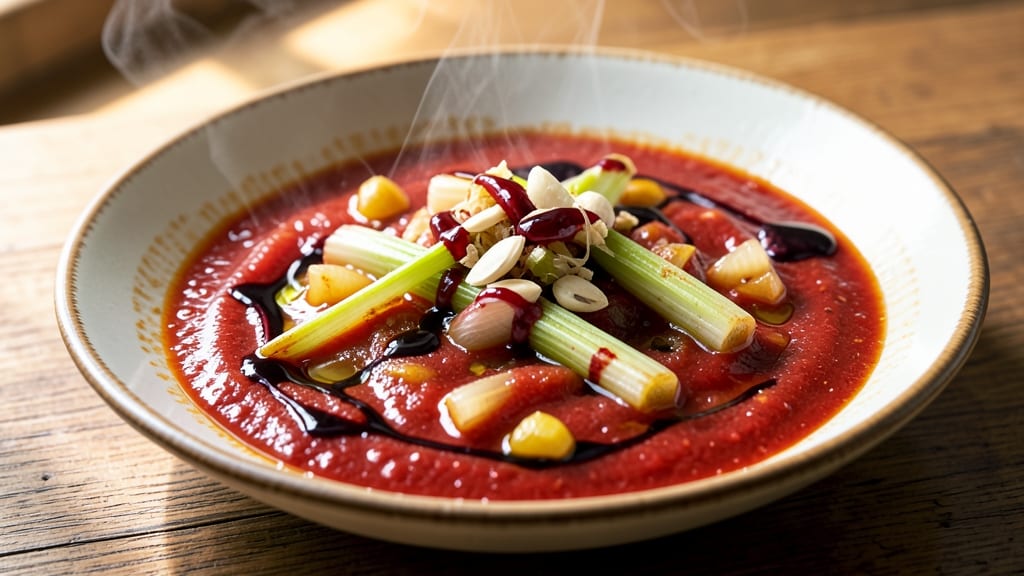
This traditional red sauce recipe delivers the slow-simmered depth that transforms ordinary pasta into something extraordinary. The key lies in balancing tomatoes, aromatics, and umami-rich ingredients like anchovies and Parmesan—each component building layers of flavor over time.
I developed this version after years of testing, ensuring every spoonful carries that authentic, restaurant-quality richness without shortcuts.
The process begins with sautéing onions, garlic, and celery until deeply caramelized, creating a flavor foundation that forms the sauce's soul. A splash of red wine deglazes the pot, while crushed tomatoes and fresh basil introduce acidity and brightness.
The sauce simmers for at least 2 hours, allowing flavors to meld into a velvety, complex consistency that clings perfectly to pasta.
What you'll achieve is a sauce so perfectly balanced—sweet, tangy, and savory—that it elevates any dish it touches. The umami depth comes from slow reduction, while the acidity keeps it vibrant.
This isn't just a sauce; it's the heart of Italian comfort food, ready to transform your weeknight meals into something memorable.
Use it for pasta, as a pizza topping, or even as a dipping sauce for crusty bread. The recipe yields about 3 cups, and leftovers keep beautifully in the refrigerator for up to 5 days. Let's create this timeless classic together—step by step.
Ingredients for traditional red sauce
Eleven essential ingredients crafting restaurant-quality depth for your pasta dishes.
| Ingredient | Amount | Notes |
|---|---|---|
| Extra-Virgin Olive Oil 🫒 | ½ cup | High-quality, fruity, cold-pressed |
| Yellow Onion 🧅 | 1 whole | Medium size, finely diced |
| Celery Stalks 🥬 | 2 whole | Fresh, stringy parts removed |
| Garlic Cloves 🧄 | 4 cloves | Fresh, peeled, minced finely |
| Red Wine 🍷 | ½ cup | Dry, bold variety like Cabernet |
| Crushed Tomatoes 🍅 | 2 cups | San Marzano preferred, no salt added |
| Anchovy Fillets 🐟 | 2 whole | High-quality, rinsed if salty |
| Fresh Basil Leaves 🌿 | ½ cup | Packed, stems removed |
| Parmesan Cheese 🧀 | ½ cup | Freshly grated, aged 24+ months |
| Diamond Crystal Kosher Salt 🧂 | 1 ½ tsp | Fine grain, adjust to taste |
| Freshly Ground Black Pepper 🌶️ | ½ tsp | Coarsely ground for texture |
The foundation begins with San Marzano tomatoes, prized for their sweetness and low acidity—Whole Foods or specialty Italian markets carry the best cans. For the aromatics, fresh celery and yellow onion should be vibrant, not wilted, and garlic cloves should be firm with no green shoots. The extra-virgin olive oil is non-negotiable; California Olive Ranch or Colavita deliver consistent quality. Anchovies may seem polarizing, but high-quality fillets from a reputable brand dissolve completely, adding umami without fishy aftertaste. Fresh basil at peak ripeness (bright green, fragrant leaves) transforms the sauce from good to extraordinary—local farmers markets often have superior quality compared to grocery store bins.
No San Marzano tomatoes? High-quality canned tomatoes like Mutti work well, but avoid brands with added salt or preservatives. Substituting red wine? Dry white wine or even apple cider vinegar can deglaze, though the color will differ. For anchovies, high-quality fish sauce at half the amount provides umami depth, though texture differs. Dried basil can replace fresh at one-third the quantity, but fresh basil's brightness is unmatched. The Parmesan cheese must be freshly grated—pre-shredded contains anti-caking agents that prevent proper melting. For salt, Diamond Crystal kosher salt dissolves cleanly, while table salt may leave graininess. Black pepper should be freshly ground; pre-ground loses potency within weeks.
This sauce develops complexity over time—simmer uncovered for at least 2 hours to achieve proper reduction. Store in an airtight container in the refrigerator for up to 5 days, with a thin layer of olive oil on top preserving freshness. For longer storage, portion into ice cube trays, freeze, then transfer to a bag for up to 6 months. The sauce thickens as it cools, so add a splash of water or broth when reheating. Leftovers taste even better the next day as flavors continue melding, making this an ideal make-ahead sauce for busy weeknights.
Why You'll Love This Recipe
- No-Sweat Sauté: I swear by this—just dice the onion, chop the celery, and let the olive oil do the work. The wine reduces in minutes, and honestly? That’s the hardest part of the whole process.
- Wine-Infused Depth: Between us, the red wine isn’t just for flavor—it’s the secret weapon. That first sip of sauce after simmering? Rich, bright, and complex, like a hug in a bowl.
- Pasta Party Starter: I make a big batch on Sundays because it’s my go-to for everything: spaghetti, lasagna, even dipping bread. My kids beg for it, and my partner steals leftovers straight from the pot.
- Fridge Goldmine: This sauce tastes better the next day—yes, really. I freeze half in portions, so I’m never scrambling for takeout. Plus, the ingredients? Cheap enough to splurge on the good olive oil.
Step-by-step instructions for traditional red sauce recipe
This method delivers the depth and richness of a classic Italian red sauce, built layer by layer for authentic flavor.
Sauté the Aromatic Base
Heat the 0.5 cup extra-virgin olive oil in a heavy-bottomed saucepan over medium-low heat. Add the finely diced yellow onion and celery stalks, cooking for 8-10 minutes until the vegetables soften and their edges begin to caramelize. This slow cooking draws out their natural sweetness, forming the flavor foundation.
Here's the thing—don't rush this step. The onions should develop a translucent quality while still maintaining some texture. If they brown too quickly, reduce the heat slightly. You're building complexity, not burning the vegetables. Stir occasionally to prevent sticking, but avoid over-mixing which can release excess moisture.
Incorporate Garlic and Anchovies
Add the minced garlic cloves and cook for 30 seconds until fragrant but not browned—garlic burns in seconds and becomes bitter. Immediately stir in the 2 anchovy fillets, breaking them apart with a wooden spoon. The anchovies dissolve completely, adding their umami depth to the sauce base.
This is the moment that matters: the anchovies should melt into the oil within 1-2 minutes of cooking. If you notice the oil smoking or the garlic turning golden, remove the pan from heat for 30 seconds to cool slightly before continuing. The goal is to infuse flavor without developing harsh notes.
Deglaze with Wine
Pour in the 0.5 cup red wine and increase heat to medium. Allow the wine to simmer vigorously for 3-4 minutes until reduced by half. This reduction concentrates the flavors and removes the alcohol's sharpness. Scrape the bottom of the pan frequently with a wooden spoon to incorporate any browned bits—they contain concentrated flavor.
Real talk: if your wine reduces too quickly, reduce the heat slightly. You want the sauce to bubble gently rather than boil furiously. The wine should reduce until it coats the back of a spoon but still maintains some liquidity. This creates the proper balance for the tomato addition.
Simmer with Tomatoes
Add the 2 cups crushed tomatoes and 1.5 teaspoons diamond crystal kosher salt. Stir well to combine, then reduce heat to low. Let the sauce simmer uncovered for 30-40 minutes, stirring occasionally. You're looking for a sauce that thickens naturally as moisture evaporates and the tomatoes break down.
During this time, the sauce will develop its signature depth. The tomatoes should reduce until they coat the back of a spoon with a thick, velvety consistency. If the sauce becomes too thick before reaching the 30-minute mark, add 1-2 tablespoons water to maintain proper texture. The key is patience—rushing this step results in a thin, watery sauce.
Finish with Herbs and Cheese
Remove the sauce from heat and stir in the 0.5 cup fresh basil leaves and 0.5 cup parmesan cheese. Add the 0.5 teaspoon freshly ground black pepper and taste, adjusting salt if needed. Let the sauce sit off heat for 5 minutes to allow the flavors to meld completely.
This final step transforms the sauce from good to exceptional. The basil should infuse its bright, aromatic qualities while the parmesan adds a nutty richness. The cheese should melt completely into the sauce, creating a cohesive texture. For best results, serve immediately over al dente pasta, allowing the sauce to cling beautifully to each strand.
Pro Tips For Making Traditional Red Sauce
- SWEEAT DON’T BROWN ONIONS: I learned this the hard way—cooking onions until they’re golden turns them bitter, and that bitterness lingers in your sauce. Instead, aim for a soft, translucent texture (about 8-10 minutes on medium-low) before adding celery. If they start to darken, toss in a splash of water and cover the pan for 2 minutes to reset.
- SMASH GARLIC LIKE IT’S 1950: Minced garlic burns in seconds, and burned garlic ruins everything. Use a knife to flatten each clove lengthwise, then chop finely—but leave those slices whole until the very end. Toss them in when the wine’s almost fully reduced, and cook for just 30 seconds. Sounds weird, but it works: you get flavor without the bitter char.
- DEGLAZE WITH WINE, NOT WATER: Skimping on wine here is a rookie move. Use the full ½ cup (or more if you’re feeling fancy) to lift those browned bits from the pan—those bits are pure flavor. Let the wine reduce by half before adding tomatoes, or your sauce will taste thin and watery. (Yes, even if you’re impatient like me.)
- SALT THE WINE FIRST: After adding the wine, stir in ½ teaspoon of salt before reducing. This seasons the sauce from the start, so you won’t need to over-salt later. I skip this when I’m lazy, but the dish is noticeably better when I don’t—especially if you’re using a cheap red wine. (And let’s be honest, we all have one.)
Make-ahead tips for this recipe
Prep Ahead Strategy
Start by preparing all aromatics—dice the onion and celery, mince the garlic—and store them in an airtight container in the fridge for up to 3 days.
This saves time on cooking day and ensures freshness. I like to use quart-sized glass containers from Rubbermaid because they stack neatly and are microwave-safe if needed. 🌱
Sauce Development Timeline
For maximum flavor, begin the sauce reduction process 2 hours before serving. This allows the tomatoes to break down fully and the sauce to develop its signature depth.
If you're short on time, simmer for 1 hour and refrigerate overnight—the flavors will continue melding, resulting in a richer sauce when reheated. I often make a double batch on Sundays so I have perfectly reduced sauce ready for weeknight pasta nights.
Freezing for Long-Term Use
Portion the finished sauce into ice cube trays and freeze. Once solid, transfer the cubes to a ziplock freezer bag, squeezing out excess air. This method prevents freezer burn and makes it easy to thaw just what you need.
The sauce keeps for up to 6 months without losing quality. When ready to use, thaw in the fridge overnight or reheat directly from frozen in a saucepan over low heat for 10-15 minutes.
Reheating Perfection
To restore the sauce's velvety texture after refrigeration, warm it gently in a saucepan over low heat for 5-7 minutes. If it thickens too much, add 1-2 tablespoons water or pasta water to reach the desired consistency.
Never microwave—it creates uneven heating and can break the sauce's delicate emulsion. I always reheat my sauce until it reaches 160°F to ensure food safety while preserving all those developed flavors. 🔥
Storage Containers
Use glass containers with tight-sealing lids like Le Parfait or Pyrex for refrigerator storage. Glass preserves the sauce's integrity better than plastic, which can absorb odors over time. Store the sauce in a single layer in the fridge, not stacked, to prevent crushing.
For leftovers, I always cover the surface with a thin layer of extra-virgin olive oil to protect it from drying out and maintain freshness for up to 5 days.
Batch Cooking Tips
Double the recipe and divide it evenly between two containers for easy portion control. This way, you can use one portion immediately while the other develops overnight. I find that making 6 cups total gives me enough for two pasta meals plus a pizza topping.
Label containers with the date and contents—my handwriting is terrible, so I use a whiteboard label maker for clarity. This system keeps my kitchen organized and ensures I always have perfectly reduced sauce on hand. ✨
Nutrition facts
Frequently asked questions
Why do traditional red sauces need such a long simmering time?
Simmering for at least 2 hours allows the tomatoes to break down completely, developing a rich, concentrated flavor. This slow reduction also lets the natural sugars caramelize, creating that perfect balance of sweet and tangy notes. The longer it cooks, the deeper the umami flavor becomes from the anchovies and Parmesan.
Can I substitute fresh tomatoes for canned in this recipe?
Fresh tomatoes work but require different prep—peel, seed, and chop 4-5 large ripe tomatoes to equal 2 cups crushed tomatoes. They lack the consistent acidity and texture of canned tomatoes, so you may need to add 1 teaspoon lemon juice to balance flavors. For best results, stick with high-quality canned tomatoes like San Marzano.
How do I prevent my red sauce from becoming too acidic?
Balance acidity by adding a pinch of sugar (½ teaspoon) when you add the tomatoes, or stir in 1 tablespoon tomato paste at the start. The wine reduction also helps mellow sharpness. Taste as you go—if it's too tangy, simmer uncovered for 10-15 extra minutes to let excess acid evaporate.
What's the best way to use leftover red sauce?
Leftover sauce makes amazing pizza sauce, pasta topping, or even a dip for garlic bread. Freeze extras in ice cube trays for single-serving portions. For best texture, reheat gently over low heat and add 1 tablespoon water if it thickens too much. Never microwave—it breaks the sauce's silky consistency.
Can I make this sauce without anchovies?
Yes! Replace anchovies with 1 teaspoon fish sauce or ½ teaspoon soy sauce for umami depth. For a vegetarian version, add 1 tablespoon nutritional yeast or 1 teaspoon mushroom powder. Just remember these substitutes won't dissolve completely like anchovies, so blend them in thoroughly.