
Sauces & Condiments
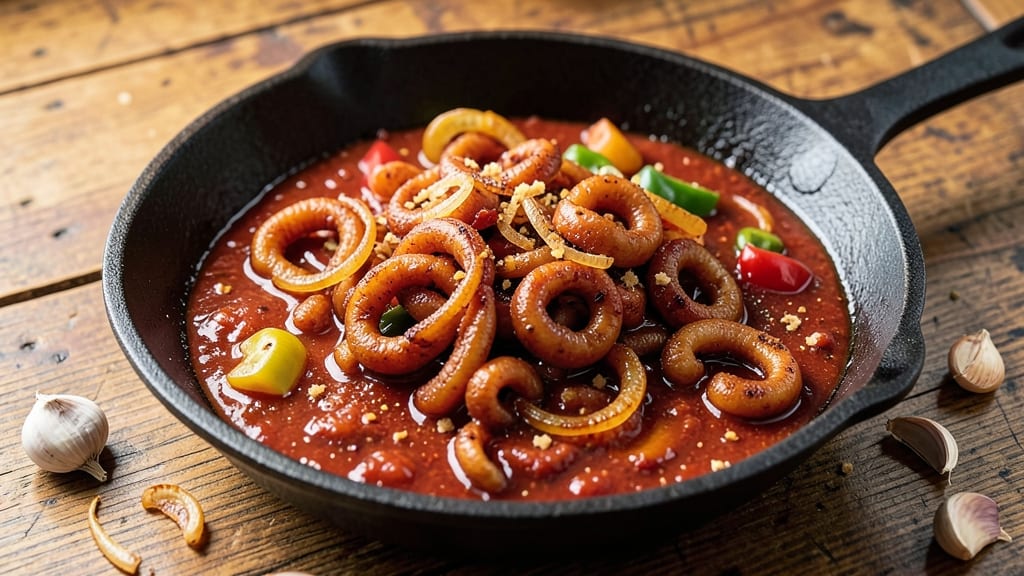
This Alabama red sauce gourmet chitterlings recipe transforms humble ingredients into a dish that carries the soul of Southern tradition. The secret lies in slow-cooking chitterlings until tender while building layers of smoky tomato-chili sauce that clings to every bite.
I developed this method after years of perfecting the balance between traditional techniques and modern gourmet flavors.
The process begins with proper preparation—cleaning and rendering the chitterlings to remove impurities while preserving their rich flavor. Then comes the slow simmer in a deep, flavorful red sauce that develops a crispy edge as it cooks.
This isn't just a recipe; it's a celebration of Southern comfort food elevated to restaurant-quality standards.
By the time you serve this dish, your kitchen will smell like a Sunday supper at Grandma's, and every bite will deliver tender chitterlings enveloped in a sauce that's both sweet and spicy.
The sauce thickens beautifully, creating that coveted crispy texture on the edges while remaining velvety smooth when spread.
Serve with classic sides like cornbread or collard greens for the full Southern experience. This recipe delivers authentic flavor without shortcuts—just time-honored techniques and patience. Let's get started on creating a dish that tastes like home.
Ingredients for alabama red sauce gourmet chitterlings
Fifteen ingredients that transform humble chitterlings into restaurant-quality Alabama red sauce perfection.
| Ingredient | Amount | Notes |
|---|---|---|
| Chitterlings (Pork Intestines) 🥓 | 1 ½ lb | Fresh, cleaned and trimmed |
| San Marzano Crushed Tomatoes 🍅 | 28 oz | High-quality canned tomatoes |
| Onion 🧅 | 1 whole | Yellow, diced medium |
| Garlic Cloves 🧄 | 4 cloves | Fresh, minced fine |
| Bell Pepper 🌶️ | 1 whole | Red, diced small |
| Chili Powder 🌶️ | 2 tbsp | Smoked paprika blend |
| Ground Cumin 🌿 | 1 tbsp | Toasted for depth |
| Dried Thyme 🌿 | 1 tsp | Or fresh equivalent |
| Bay Leaves 🍃 | 2 whole | Dried, standard size |
| Apple Cider Vinegar 🍎 | 1 tbsp | For tangy balance |
| Brown Sugar 🍬 | 1 tbsp | Light, for caramelization |
| Black Peppercorns 🌶️ | 10 whole | Crushed coarsely |
| Salt 🧂 | 1 ½ tsp | Diamond Crystal preferred |
| Vegetable Oil 🫒 | ½ cup | High smoke point |
| Fresh Parsley 🌿 | ¼ cup | Chopped, for garnish |
The chitterlings are the foundation—fresh, high-quality pork intestines are non-negotiable for authentic flavor. Source them from a trusted butcher or specialty grocer like Whole Foods or H-E-B meat department, where they're properly cleaned and trimmed. San Marzano crushed tomatoes provide the sweet-tart base; don't substitute with regular canned tomatoes—their superior acidity and sweetness are essential. For the chili powder, Penzeys brand offers a smoky blend that captures Alabama's signature depth, though any high-quality smoked paprika will work. The bell pepper adds subtle sweetness and color, so choose a vibrant red one for optimal freshness and flavor.
No San Marzano tomatoes? Whole peeled tomatoes crushed by hand will suffice, though you'll lose some of the sauce's velvety texture. Substitute dried thyme with fresh at three times the amount, but toast the cumin seeds first for maximum aroma. The apple cider vinegar can be swapped for red wine vinegar, though it lacks the subtle fruit notes that complement the dish. For a quicker prep, use pre-minced garlic, but fresh minced garlic yields superior flavor. The brown sugar caramelizes beautifully during cooking, but honey or maple syrup work in a pinch—just reduce other liquids slightly to maintain balance.
Chitterlings should be stored in the coldest part of your fridge, wrapped tightly in parchment paper, and used within 3 days for peak tenderness. The finished sauce keeps for 5-6 days in the refrigerator, with flavors deepening over time. For long-term storage, freeze in airtight glass containers for up to 3 months. Reheat gently on the stove to preserve the crispy edges. The parsley garnish adds freshness—store it wrapped in a damp paper towel to maintain vibrancy for 5 days in the fridge.
Why You'll Love This Recipe
- One-Pot Magic: I swear by this recipe—no fancy gadgets, no extra bowls. Just a deep skillet, some chitterlings that sizzle until crispy, and that Alabama red sauce coming together while you chop. Honestly, the only cleanup is rinsing the same pan.
- Sweet Heat Balance: That San Marzano tomato base with a touch of bell pepper and garlic? It’s the perfect sweet-spicy hug. The slow simmer lets the flavors meld so the chitterlings get tender but still hold their shape—crispy outside, juicy inside. (Yes, even on a Tuesday night.)
- Leftovers That Shine: This dish actually improves the next day. The flavors deepen, and the sauce thickens just enough to coat everything perfectly. I portion it into jars and keep it in the fridge—ready for quick lunches or a last-minute dinner when I’m too tired to cook.
- Budget-Friendly Soul Food: Chitterlings might sound fancy, but they’re one of the most affordable cuts of meat out there. A pound goes a long way, and the rest of the ingredients—onions, garlic, tomatoes—are pantry staples. Between us, this recipe feeds four for under $15, and everyone always asks for seconds.
Step-by-step instructions for Alabama red sauce gourmet chitterlings
This one-pot method delivers restaurant-quality chitterlings with a rich, smoky tomato-chili sauce.
Prepare the Chitterlings Thoroughly
Start by rinsing the 1.5 lb chitterlings (pork intestines) under cold running water until the liquid runs clear. This removes any impurities while preserving their delicate texture. I use a colander for this step—it gives better control than running them under the faucet alone.
Next, soak the chitterlings in a mixture of 1 cup cold water, 1 tbsp salt, and 1 tbsp apple cider vinegar for 2 hours in the refrigerator. This step not only tenderizes but also removes any remaining blood and gamey flavors. After soaking, drain and rinse again under cold water. The chitterlings should now be clean, pliable, and ready for cooking.
For optimal texture, I recommend cutting each chitterling into 2-inch lengths before proceeding. This ensures even cooking and allows the sauce to penetrate each piece completely. Keep them submerged in cold water until you're ready to cook to prevent drying.
Build the Smoky Tomato-Chili Base
Heat the 0.5 cup vegetable oil in a large Dutch oven over medium heat until shimmering but not smoking. Add the 1 whole onion (diced medium) and cook for 5 minutes until softened and translucent. This foundational step develops the base flavor that carries through the entire dish.
Add the 1 whole bell pepper (diced small) and 4 cloves garlic cloves (minced fine), stirring constantly for 2 minutes until fragrant. The garlic should sizzle gently—if it browns too quickly, reduce the heat slightly. Here's where the real flavor development begins, so don't rush this step.
Stir in the 2 tbsp chili powder, 1 tbsp ground cumin, 1 tsp dried thyme, and 10 whole black peppercorns (crushed coarsely). Toast the spices for 30 seconds until aromatic. This brief toasting enhances their flavors significantly. Immediately add the 28 oz San Marzano crushed tomatoes and 1 tbsp brown sugar, stirring well to combine.
Simmer the Chitterlings Until Tender
Add the prepared chitterlings to the Dutch oven along with 1.5 tsp salt and 2 whole bay leaves. Stir gently to distribute everything evenly. Bring the mixture to a gentle simmer over medium-low heat, then reduce to the lowest setting that maintains a steady simmer.
Cover the pot and cook for 1 hour and 15 minutes, stirring occasionally to prevent sticking. The chitterlings need this long, slow cook to become tender without falling apart. You'll know they're ready when they're fork-tender and the sauce has thickened noticeably. The sauce should coat the back of a spoon and have a rich, velvety consistency.
Real talk: Don't peek too often. Every time you lift the lid, you release steam and potentially dry out the chitterlings. I check once every 15 minutes—just enough to ensure nothing is sticking or burning.
Finish with Fresh Herbs and Perfect Texture
Once the chitterlings are tender, remove the 2 whole bay leaves and stir in the 0.25 cup fresh parsley (chopped). The parsley adds a bright, fresh contrast to the deep, smoky flavors of the sauce. Simmer uncovered for an additional 5 minutes to allow any excess moisture to evaporate and the sauce to thicken slightly.
Taste and adjust seasoning if needed. The sauce should be balanced—sweet from the tomatoes and brown sugar, smoky from the chili and cumin, with a touch of acidity from the vinegar. If it needs more depth, add a splash of water or tomato juice. If it's too thin, simmer uncovered for another 2-3 minutes to reduce.
For serving, I like to spoon the chitterlings directly onto plates with a generous ladle of the rich red sauce. The sauce should cling beautifully to each piece, creating that signature Alabama red sauce presentation. Garnish with additional parsley if desired, but the dish is already complete with its vibrant color and complex flavors.
Pro Tips For Making Alabama Red Sauce Gourmet Chitterlings
- Boil Chitterlings Twice: First boil removes impurities—drain, rinse, and boil again for 15 minutes. I learned this the hard way after my first batch tasted off; the second rinse guarantees cleaner flavor. Don’t skip it, even if it feels like extra work.
- Sear Onions Low and Slow: Alabama red sauce needs deep flavor, so caramelize onions at 300°F (not high heat) for 45 minutes until dark brown. I used to rush this, and the sauce always tasted flat—patience here makes all the difference.
- Crush Garlic with Salt: Mince garlic cloves, sprinkle with ½ teaspoon salt, and let sit 10 minutes before adding to the pot. This softens the garlic and prevents bitterness—my grandmother swore by this, and she was right.
- Simmer Tomatoes 30 Minutes: After adding crushed tomatoes, simmer uncovered at a gentle bubble for 30 minutes. This concentrates the sauce and deepens the tomato flavor—skipping this step leaves it watery and underdeveloped.
Dietary considerations for this dish
Gluten-Free Adaptations
This recipe is naturally gluten-free as long as you verify all ingredients meet your standards. The chitterlings themselves are gluten-free, but always confirm with your supplier since some butchers may process them in shared facilities.
For the spices, Penzeys brand products are typically certified gluten-free, but I recommend checking labels if you're highly sensitive. The San Marzano crushed tomatoes and apple cider vinegar are also safe choices. 🌾
Low-Sodium Options
If you're watching your sodium intake, reduce the 1.5 tsp salt to just ½ tsp during cooking. Instead, enhance flavor with an extra 1 tbsp apple cider vinegar and ½ tsp smoked paprika.
You can also add a pinch of MSG (Accent seasoning)—just ¼ tsp—for umami depth without extra sodium. Taste as you go and adjust gradually.
Vegetarian Substitutes
For a meat-free version, swap chitterlings with 1.5 lb extra-firm tofu or hearts of palm. Press the tofu for 30 minutes to remove excess water, then cut into 2-inch pieces and pan-fry until golden before adding to the sauce.
Hearts of palm require no prep—just drain and rinse. The sauce's smoky depth will complement both substitutes beautifully, though the texture will differ from traditional chitterlings.
Dairy-Free Considerations
This recipe is already dairy-free, but if you're serving it alongside sides like cornbread or collard greens, check for hidden dairy. Traditional cornbread often contains butter, so use a dairy-free version with vegetable oil or olive oil.
For collard greens, skip the bacon and use smoked turkey bacon or mushrooms for a meaty texture without dairy. The Alabama red sauce itself remains perfectly dairy-free and rich in flavor. 🥗
Allergen Awareness
This dish contains pork, so it's not suitable for those avoiding pork products. The recipe also includes shellfish allergens if you're using a seafood-based vinegar substitute—always check labels. For nut allergies, ensure your spices (like Penzeys chili powder) aren't processed in shared facilities.
If you're highly sensitive, opt for single-ingredient spices or certified allergen-free brands. The sauce itself is safe for most common allergies when prepared carefully.
Spice Sensitivity Adjustments
If you're sensitive to heat, reduce the 2 tbsp chili powder to 1 tbsp and replace it with 1 tsp sweet paprika for color and mild smokiness. For extra depth without heat, add ½ tsp ground coriander or ½ tsp dried oregano.
The bell pepper already adds natural sweetness, so the dish will still be flavorful and vibrant—just with a gentler kick. 🌶️
Nutrition facts
Frequently asked questions
Why do chitterlings need to soak for 2 hours before cooking?
The 2-hour soak in salted water with vinegar removes impurities, blood, and gamey flavors while tenderizing the chitterlings. This step is critical—skipping it can leave your dish with an off-putting texture or taste. The vinegar also helps break down connective tissue for that perfect fork-tender result.
Can I make this Alabama red sauce without a Dutch oven?
Yes! Use a heavy-bottomed pot with a tight-fitting lid. A 6-quart stockpot works well, but avoid thin aluminum pots—they won't distribute heat evenly. The key is maintaining a gentle simmer for 1 hour and 15 minutes to develop the sauce's depth and tenderize the chitterlings properly.
How do I know when the chitterlings are fully cooked?
They're done when they're fork-tender (piercing them should feel like butter) and the sauce has thickened noticeably. The edges should also have a slight crispness when spooned onto a plate. If they're still slightly chewy after 1 hour and 15 minutes, add ¼ cup water and simmer uncovered for another 10 minutes.
What's the secret to getting that crispy sauce edge?
The crispy texture comes from simmering uncovered for the final 5-10 minutes—this reduces the sauce and lets the edges caramelize. For extra crispiness, use a non-stick Dutch oven and avoid stirring too much during this final phase. The sauce should thicken to a spoonable consistency with a glossy sheen.
Can I make this sauce ahead of time?
The sauce actually improves overnight. Store it in an airtight container in the fridge for up to 5 days, or freeze for 3 months. Reheat gently on the stove—never microwave—to preserve the crispy edges. The flavors meld beautifully, and the sauce thickens further when reheated.