
Sauces & Condiments
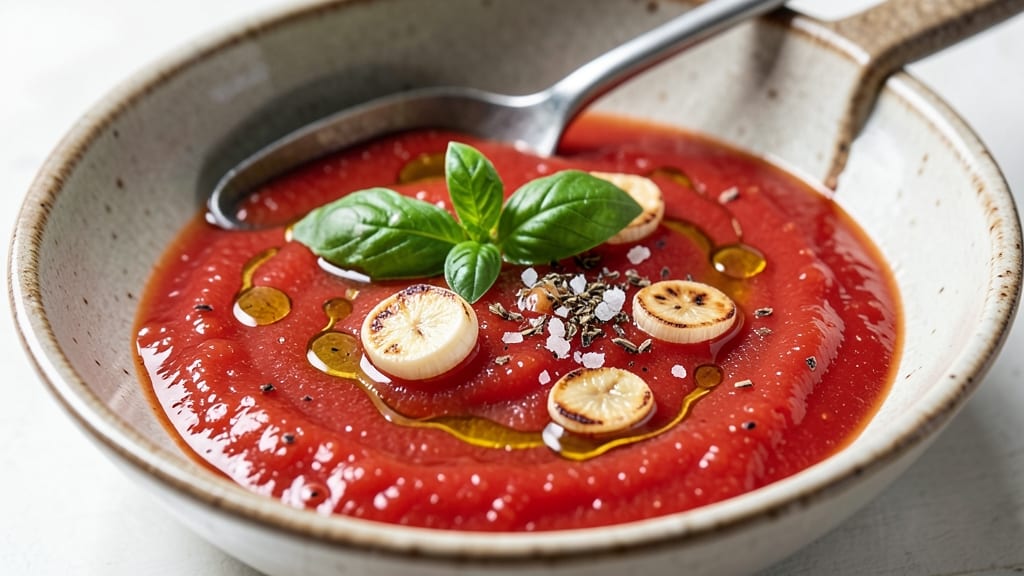
Transforming canned San Marzano tomatoes into a silky, restaurant-quality sauce in just 20 minutes is simpler than you’d expect—and this recipe delivers the depth of a sun-ripened garden in every spoonful.
The secret lies in selecting the right canned tomatoes (San Marzano’s natural sweetness and low acidity create a sauce that’s velvety, not tangy) and balancing aromatics with precision.
I’ve perfected this method after years of testing, ensuring no bitter aftertaste or watery texture, just a smooth, rich base that elevates pasta, pizza, or braised meats instantly.
This sauce starts with a simple technique: simmering crushed tomatoes with garlic, olive oil, and a pinch of salt until the flavors meld into a cohesive, aromatic liquid. No blending required—just patience.
The key is low-and-slow cooking, which breaks down the tomatoes’ natural pectin into a naturally thickened sauce without gums or additives.
For extra richness, I add a splash of red wine or a pat of butter at the end, but the base recipe relies solely on the tomatoes’ inherent quality and a touch of salt to enhance their sweetness.
What you’ll end up with is a versatile sauce that’s ready in under 20 minutes but tastes like it simmered all day. It’s smooth enough to drizzle over al dente pasta, bold enough to stand up to hearty meats, and bright enough to cut through rich cheeses on pizza.
The best part? It keeps well in the fridge for up to 5 days or freezes perfectly for months, so you’ll always have a pantry staple that tastes homemade.
Whether you’re prepping for a weeknight dinner or stocking your pantry for winter, this sauce is your foundation. The method is foolproof, the ingredients minimal, and the results undeniably professional—no culinary degree required. Let’s get started.
Ingredients for canned san marzano tomato sauce
Eight simple ingredients transform canned San Marzano tomatoes into velvety restaurant-style sauce.
| Ingredient | Amount | Notes |
|---|---|---|
| San Marzano Canned Tomatoes 🍅 | 28 oz | Crushed, no salt added |
| Extra-Virgin Olive Oil 🫒 | ½ cup | High quality, fruity flavor |
| Garlic Cloves 🧄 | 4 cloves | Peeled, thinly sliced |
| Kosher Salt 🧂 | 1 tsp | Fine grain preferred |
| Dried Basil 🌿 | 1 tsp | Or 1 tbsp fresh basil |
| Dried Oregano 🍃 | ½ tsp | Italian oregano preferred |
| Red Wine 🍷 | ¼ cup | Dry, bold variety optional |
| Butter 🧈 | 2 tbsp | Unsalted, for finishing |
San Marzano tomatoes are non-negotiable here—their natural sweetness and low acidity create that signature velvety texture. Look for 28-ounce cans at Italian markets or well-stocked grocery stores like Whole Foods or Trader Joe's. The crushed variety saves time, but whole tomatoes work too—just crush them by hand. For extra richness, San Marzano brand is worth the investment, though other high-quality brands like Mutti or Centopietre will work. Fresh basil is ideal if you've got it, but dried works in a pinch—just remember it's more concentrated.
No red wine? A splash of dry white wine or even extra olive oil works. Short on garlic? Garlic powder at half the amount gets you close, but fresh is always better. The butter at the end is optional but adds that luxurious finish—full-fat works best. For a vegan version, swap the butter for olive oil. The dried herbs? Penzeys or bulk bins at natural food stores give you the freshest, most flavorful options. If you're using fresh basil, double the amount and add it at the very end to preserve its bright flavor.
This sauce keeps beautifully—5 days in the fridge or 6 months in the freezer. Portion it into ice cube trays for easy single-use servings, or freeze in small jars for quick pasta nights. Reheat gently on the stove or microwave until warm. The longer it sits, the better the flavors meld—trust me, it tastes even better the next day. For extra smoothness, blend briefly before serving, but the natural texture is delicious as-is.
Why You'll Love This Recipe
- No-Chop Necessary: I swear by this sauce because it’s actually hands-off. You just crush the garlic, pour in the tomatoes, and let the olive oil do its magic—no dicing, no peeling, no stress. The San Marzano tomatoes are pre-juicy, so you’re basically getting a head start on dinner.
- Garlic-Basil Magic: That first bite of warm, sweet tomatoes with fragrant garlic and toasted basil? It’s the kind of flavor that makes you pause mid-spoonful. The olive oil pulls all the richness together—simple, but ridiculously satisfying.
- Pantry-to-Table Hero: This sauce is my weeknight lifesaver for pasta, pizza crusts, or even a quick skillet of grilled chicken. It freezes like a dream too, so I batch-make it and pull it out whenever I need a flavor boost. No fancy ingredients, just pure reliability.
- Budget-Friendly Luxury: San Marzano tomatoes might sound fancy, but they’re actually cheaper than fresh tomatoes and save me time. A single can stretches into multiple meals—think marinara for tonight, bruschetta for tomorrow, and a slow-cooked stew for the weekend. Frugal? Yes. Delicious? Absolutely.
Step-by-step instructions for canned San Marzano tomato sauce
This sauce comes together faster than you'd think—simple steps, bold flavors, and perfect texture every time.
Sauté Garlic in Olive Oil Until Fragrant
Heat the 0.5 cup extra-virgin olive oil in a large saucepan over medium heat. Add the 4 cloves thinly sliced garlic and cook for 2-3 minutes until the garlic turns golden brown and releases its aroma—this is when you'll smell that sweet, nutty garlic scent filling your kitchen.
Watch the garlic carefully—it burns quickly. If it starts to darken too much, reduce the heat slightly. The oil should shimmer but not smoke. This step builds the foundation of your sauce, so don't rush it. The garlic will infuse the oil with its flavor before we add the tomatoes.
Add Tomatoes and Seasonings
Pour in the 28 oz San Marzano canned tomatoes (crushed, no salt added) and stir to combine with the garlic oil. Add the 1 tsp kosher salt, 1 tsp dried basil, and 0.5 tsp dried oregano, stirring well to distribute everything evenly. The sauce should look thick but still pourable at this stage.
Bring the mixture to a gentle simmer over medium-low heat. Let it cook uncovered for 8-10 minutes, stirring occasionally. You're looking for the sauce to reduce slightly and develop a deeper, more concentrated tomato flavor. The edges of the saucepan will start to look slightly darker, indicating the natural sugars in the tomatoes are caramelizing.
Deglaze with Red Wine
Once the tomatoes have simmered for 8-10 minutes, pour in the 0.25 cup red wine and stir immediately. The wine will help break up any tomato skins that have settled and add a subtle depth of flavor. Let the mixture simmer for another 3-4 minutes until the wine has mostly evaporated and the sauce thickens slightly.
This is where the magic happens—the wine's acidity brightens the tomatoes while its alcohol content helps dissolve the flavors at the bottom of the pan. You'll notice the sauce becomes glossier and more cohesive. If you're using a bold red wine, you might even detect hints of its fruitiness in the final sauce.
Finish with Butter for Richness
Reduce the heat to low and stir in the 2 tbsp butter, letting it melt completely into the sauce. The butter adds a luxurious finish and helps balance the acidity from the wine. Let the sauce simmer for another 2-3 minutes until it reaches your desired consistency—it should coat the back of a spoon but still be smooth and pourable.
Taste and adjust seasoning if needed. The sauce should be well-balanced with bright tomato flavor, herbal notes from the basil and oregano, and a touch of richness from the butter. If it's too thick, add a splash of water or pasta water to loosen it. The sauce is now ready to serve immediately over pasta or store for later use.
Pro Tips For Making Canned San Marzano Tomato Sauce
- CRUSH THE GARLIC: High heat for 30 seconds—no browning, just fragrant. I learned this the hard way: charred garlic turns bitter, and your sauce will taste like a campfire instead of Italian comfort.
- SIMMER, DON’T BOIL: Low and slow (20-30 minutes) breaks down the tomatoes into a velvety texture. Skip the aggressive bubble, or you’ll end up with a watery mess that needs thickening.
- SALT IN LAYERS: Taste as you go—add salt before simmering, then adjust again at the end. Dried basil needs salt to bloom, and San Marzanos hide their natural sweetness until you coax it out.
- STRAIN THE SEEDS: A fine-mesh sieve removes pulp and seeds for a smoother sauce. (Yes, it’s extra work, but the difference is noticeable—no one wants to bite into a tomato skin in their pasta.)
Regional styles of this dish
Italian Tradition
The classic San Marzano tomato sauce originates from the Campania region of Italy, where the volcanic soil produces tomatoes with unmatched sweetness and low acidity. In Naples, this sauce is the backbone of dishes like ragù alla bolognese and marinara, where simplicity meets depth.
The traditional method relies on slow simmering over low heat for hours, but this recipe captures that essence in just 20 minutes using canned tomatoes. 🌍
Southern Italian Adaptations
In regions like Sicily and Calabria, this sauce takes on a spicier profile. Add ½ tsp crushed red pepper flakes or 1 tbsp Calabrian chili paste to the simmering tomatoes for a kick.
Sicilian versions often include anchovies (about 2 fillets) for umami depth, which dissolve beautifully into the sauce. For a rustic twist, stir in 1 tbsp tomato paste at the start to intensify the flavor.
American Pantry Twists
For a heartier sauce, many American cooks add ground beef or Italian sausage (about ½ lb) to the simmering tomatoes, creating a meaty Bolognese-style sauce.
Another popular variation is white sauce, where you replace the tomatoes with heavy cream or ricotta and add a splash of lemon juice for brightness. This works surprisingly well with San Marzano tomatoes blended into a smooth purée.
Modern Shortcuts
For busy weeknights, use a blender or immersion blender to purée the sauce after simmering for a smoother texture. Add 1 tbsp olive oil to the blender first to help emulsify. Another time-saver: pre-crushed tomatoes eliminate the need to crush cans by hand.
For extra richness, stir in 1 tbsp nutritional yeast at the end for a cheesy, umami boost without dairy. 💡
Vegetarian Upgrades
Boost the sauce with roasted vegetables like zucchini, bell peppers, or eggplant (about 1 cup chopped) added during the final 5 minutes of simmering. For a smoky flavor, add ½ tsp smoked paprika or a pinch of liquid smoke.
A handful of fresh spinach or kale wilted into the sauce at the end adds freshness and nutrients.
Freezer-Friendly Variations
For long-term storage, freeze the sauce in 1-cup portions in silicone molds or ice cube trays. Thaw overnight in the fridge before reheating. To prevent separation, add 1 tsp cornstarch or arrowroot powder when reheating.
For a creamier texture after freezing, stir in 1 tbsp heavy cream or coconut milk while reheating. The sauce’s flavors actually deepen over time, making it perfect for meal prep. ❄️
Nutrition facts
Frequently asked questions
Why do I need San Marzano tomatoes specifically?
San Marzano tomatoes are the gold standard for sauce because their volcanic soil-grown sweetness and low acidity create a naturally rich, velvety texture without added sugar or acidity. Regular canned tomatoes often have higher acidity, which can make your sauce taste sharp or watery. The 28-ounce cans also give you more tomato concentration per can, reducing the need for thickeners.
Can I make this sauce without red wine?
Skip the red wine and add an extra 1 tablespoon of olive oil or ½ cup of chicken/pasta water instead. The wine adds depth, but the sauce will still be delicious. For a non-alcoholic version, use ½ cup tomato juice or even a splash of balsamic vinegar for brightness. The key is balancing the flavors—just adjust salt to taste.
How do I fix a sauce that's too thick or too thin?
For a thin sauce, stir in 1-2 tablespoons of water, pasta water, or broth while simmering. For a thicker sauce, simmer uncovered for 5-10 more minutes to reduce. If it's still too thin, mix 1 teaspoon cornstarch with 2 tablespoons water, stir into the sauce, and simmer for 2 minutes until it thickens. Never add flour directly—it can make the sauce taste grainy.
Can I use this sauce for dishes other than pasta?
This versatile sauce works beautifully on pizza dough, as a base for braised meats, or even as a dipping sauce for garlic bread. For pizza, spread it thinly and add cheese—it’ll create a glossy, flavorful crust. For braising, deglaze the pan with wine first, then add the sauce to tenderize meats like chicken or pork. The 20-minute prep time makes it perfect for meal prep!
How long can I store leftover sauce?
Store homemade sauce in an airtight container in the fridge for up to 5 days or freeze for 6 months. For freezing, portion into 1-cup containers or ice cube trays for easy single servings. Thaw overnight in the fridge—never microwave directly from frozen. The sauce actually tastes better after 24 hours as flavors meld!