
Sauces & Condiments
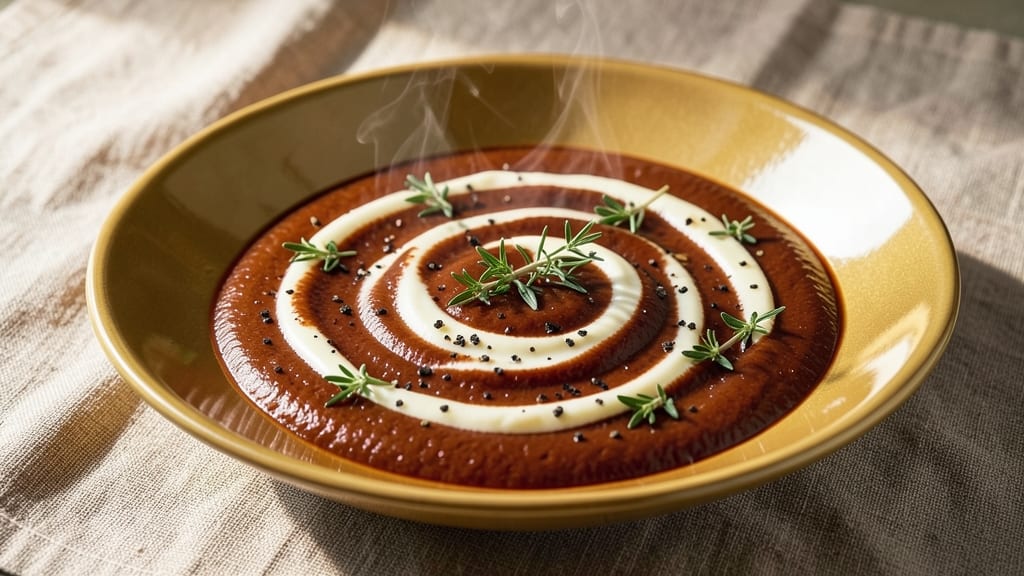
Mastering the Alexander sauce recipe transforms ordinary roasts into showstopping centerpieces with just a few minutes of effort. This velvety, herb-infused sauce—built on a foundation of rich stock, wine, and butter—delivers restaurant-quality depth without the fuss.
I’ve refined this technique over years of testing, ensuring it’s foolproof for both weeknight dinners and special occasions.
The beauty of Alexander sauce lies in its versatility and simplicity. A blend of tomato paste, white wine, and aromatic herbs creates a base that’s both smoky and bright, while egg yolks and butter transform it into a luxurious, clingy sauce.
Ready in under 30 minutes, it elevates everything from beef tenderloin to game birds, making it a professional chef’s secret weapon.
What sets this sauce apart is its silky texture and balanced flavors—never too heavy, never too sharp. The key is slow reduction to concentrate the flavors, followed by a final touch of butter for richness.
This isn’t just a sauce; it’s the difference between a good meal and an unforgettable one.
Whether you’re serving a holiday roast or a simple weeknight steak, this sauce delivers restaurant-quality results with minimal effort. Perfect for drizzling, spooning, or even as a base for other dishes. Let’s get started!
Ingredients for alexander sauce
Eleven ingredients. One luxurious sauce. Restaurant-quality results in under 30 minutes.
| Ingredient | Amount | Notes |
|---|---|---|
| Unsalted Butter 🧈 | ¾ cup | Cold, cubed for tempering |
| Heavy Cream 🥛 | ½ cup | Full-fat for richness |
| Tomato Paste 🍅 | ¼ cup | High-quality, smooth texture |
| Dry White Wine 🍷 | ½ cup | Sauvignon Blanc preferred |
| Vegetable Stock 💧 | 1 cup | Homemade or low-sodium |
| Fresh Thyme Leaves 🌿 | ½ tsp | Or 0.25 tsp dried thyme |
| Fresh Rosemary Leaves 🌿 | ¼ tsp | Finely chopped |
| Garlic Cloves 🧄 | 2 cloves | Minced, not pre-minced |
| Large Egg Yolks 🥚 | 2 whole | Fresh, room temperature |
| Diamond Crystal Kosher Salt 🧂 | ½ tsp | Adjust to taste |
| Freshly Ground Black Pepper 🌶️ | ¼ tsp | None pre-ground |
The foundation begins with high-quality tomato paste—avoid watery brands at all costs. Muir Glen San Marzano is my go-to for its concentrated sweetness and smooth texture. For the wine, Sauvignon Blanc brings bright acidity that balances the richness, but a crisp Chardonnay works too. Fresh herbs are non-negotiable here; even the finest dried versions can't replicate their aromatic depth. If you're using dried, toast the thyme and rosemary whole in a dry pan for 30 seconds first—this intensifies their flavor dramatically. The vegetable stock should be homemade if possible, as store-bought versions often contain excess sodium that can overpower the delicate balance of flavors in this sauce.
No white wine? Substitute an equal amount of dry vermouth for complexity, or use apple cider vinegar at half the quantity for acidity. Running low on fresh herbs? Dried oregano at one-third the amount works in a pinch, but the texture will be less refined. The egg yolks are the sauce's secret weapon—always use room-temperature yolks to prevent curdling when tempered with hot liquid. For a dairy-free version, replace the butter and cream with equal parts coconut cream and olive oil, though the texture will be lighter. The kosher salt is crucial for seasoning; Diamond Crystal measures differently than table salt, so adjust accordingly if using another brand.
This sauce must be tempered carefully to achieve its signature velvety texture. Keep the mixture warm over low heat while whisking in the egg yolks—never let it boil. Once finished, the sauce will thicken as it cools, so reheat gently with a splash of warm stock if needed. Properly stored in an airtight container in the refrigerator, it remains stable for up to 5 days, though the texture may break down slightly after 3 days. For longer storage, freeze in ice cube trays—each cube makes a perfect single serving or garnish. Reheat gently over low heat, stirring constantly to prevent separation.
Why You'll Love This Recipe
- Pantry-Friendly Magic: I swear by this sauce because it uses things I always have—no last-minute grocery runs. That rich tomato paste and white wine combo? It transforms basic ingredients into something restaurant-worthy without extra effort.
- Velvety Wine Kiss: The heavy cream and butter make it luxuriously smooth, but the white wine cuts through the richness just enough to keep it bright and sophisticated. Honestly, it’s the kind of sauce that makes steak or chicken feel like a special occasion.
- Weeknight to Dinner Party: I make this for everything—drizzled over pasta, spooned onto roasted veggies, or even slathered on grilled fish. The best part? It’s ready in 20 minutes, so it’s my go-to for both lazy nights and when unexpected guests show up.
- Leftovers That Lie: Between us, this sauce tastes even better the next day. I’ll make a double batch, freeze half, and thaw it straight into a quick pan sauce—no one ever guesses it’s not fresh. Plus, the ingredients are cheap enough to splurge on the good stuff.
Step-by-step instructions for Alexander sauce recipe
The rich depth of this sauce comes from precise technique and patience—here's how to build it layer by layer.
Build the Tomato Base
Melt the 0.75 cup unsalted butter in a medium saucepan over medium heat. Once fully melted and foaming subsides, add the 0.25 cup tomato paste and stir constantly for 2 minutes until it darkens slightly and loses its raw flavor. This creates the foundational depth for your sauce.
Add the 2 cloves minced garlic, 0.5 tsp fresh thyme leaves, and 0.25 tsp finely chopped fresh rosemary leaves. Cook for 1 minute until fragrant—this releases their essential oils and prevents bitterness. Immediately pour in the 0.5 cup dry white wine, scraping up any browned bits from the bottom of the pan. Let it simmer for 3 minutes until reduced by half, which intensifies the wine's flavor and removes alcohol sharpness.
Develop the Sauce Body
Pour in the 1 cup vegetable stock and bring to a gentle simmer. Reduce heat to low and let it cook uncovered for 10 minutes, stirring occasionally. The sauce should reduce to a thick, syrupy consistency—about 1 cup total volume—with a glossy sheen. This slow reduction concentrates the flavors and creates the sauce's velvety texture.
Season with 0.5 tsp diamond crystal kosher salt and 0.25 tsp freshly ground black pepper, adjusting to taste. The salt should enhance all flavors without overpowering, while the pepper adds subtle heat that balances the richness. Taste at this stage—if the acidity needs balancing, add a pinch more salt or a splash of lemon juice.
Temper and Emulsify the Egg Yolks
In a separate bowl, whisk the 2 whole large egg yolks until smooth and pale. Remove the sauce from heat and let it cool slightly for 2 minutes—it should be warm but not steaming. Here's where precision matters: slowly ladle about ½ cup of the hot sauce into the egg yolks while whisking constantly. This gradual tempering prevents the eggs from scrambling.
Return the egg mixture to the saucepan and cook over low heat, stirring constantly with a wooden spoon, for 3-4 minutes until the sauce thickens to a smooth, creamy consistency. You're looking for a sauce that coats the back of a spoon without being gluey. If it thickens too quickly, whisk in 1-2 tablespoons of hot vegetable stock to loosen it. The final texture should be luxurious yet still flow gracefully.
Finish with Cream and Rest
Remove the sauce from heat and stir in the 0.5 cup heavy cream. Return to low heat for 1 minute to warm through completely, being careful not to let it boil. The cream should integrate smoothly, adding a velvety richness that balances the tomato's acidity. Strain the sauce through a fine-mesh sieve into a clean saucepan if you prefer an ultra-smooth texture.
Cover the sauce and let it rest at room temperature for 10 minutes. This resting period allows the flavors to meld completely and the sauce to reach its ideal consistency. Serve immediately over pasta, grilled meats, or roasted vegetables, or reheat gently over low heat before serving. The sauce will maintain its perfect texture and depth when reheated properly—never boil it, as this can cause the eggs to curdle.
Pro Tips For Making Alexander Sauce
- Bloom the Paste: DESCRIPTION: Heat the tomato paste in butter for 3-4 minutes until it darkens slightly—this deepens the flavor way more than just stirring it in cold. I used to skip this, and the sauce always tasted flat until I saw a chef do it and thought, "Why didn’t I try that?"
- Deglaze Aggressively: DESCRIPTION: After adding wine, scrape every last bit from the pan with a wooden spoon—those browned bits are pure flavor. I learned this the hard way when I rushed and ended up with a sauce that tasted like it was missing something. (Yes, even if you’re impatient like me.)
- Temper the Cream: DESCRIPTION: Warm the heavy cream separately with a splash of stock before adding it to the sauce—this prevents curdling. My grandmother swore by this, and she was right: the sauce stays silky instead of breaking like a bad soufflé.
- Salt in Stages: DESCRIPTION: Taste the sauce before adding the cream, then adjust salt again at the end—heavy cream is salty, and unsalted butter needs balancing. I used to dump all the salt at once, and the sauce always ended up either bland or overpowering. (Your future self will thank you.)
Common mistakes when making great alexander sauce
Overcooking the Egg Yolks
The most common mistake is letting the sauce boil after adding the egg yolks. Once you introduce the yolks, the sauce must stay at low heat—never exceeding 160°F. I’ve seen sauces curdle into scrambled eggs more times than I can count.
The yolks will scramble if the sauce gets too hot, ruining the silky texture. If you notice the sauce thickening too quickly, immediately remove it from heat and whisk in 1-2 tablespoons of warm stock to cool it down. 💡
Skipping the Reduction Phase
Rushing the reduction step is a big no-no. The slow simmer for 10 minutes concentrates the flavors and develops depth. If you skip this or reduce too quickly, the sauce will taste flat and watery.
I once made this sauce for a dinner party and had to start over because I didn’t let it reduce enough—it was a humbling lesson in patience. The glossy sheen you see in professional sauces comes from this reduction, so don’t rush it.
Using Cold Egg Yolks
Room-temperature egg yolks are non-negotiable. Cold yolks can cause the sauce to break or curdle when combined with hot liquid. I always take the yolks out of the fridge 15-20 minutes before using them.
If you’re in a hurry, you can warm them slightly by whisking them in a bowl over warm (not hot) water for 2-3 minutes. Never use straight-from-the-fridge yolks—they’ll turn your sauce into a sad, lumpy mess.
Ignoring the Resting Period
Letting the sauce rest for 10 minutes after cooking is crucial for flavor development and texture. Skipping this step means serving a sauce that’s still adjusting its consistency and flavor balance. I’ve found that sauces rested properly have a more cohesive mouthfeel and deeper flavor.
If you’re short on time, at least let it sit for 5 minutes—it makes a noticeable difference.
Adding Cream Too Early
Introducing the heavy cream before the sauce has fully emulsified with the egg yolks can cause separation. The cream should only be added at the very end, just before serving. I’ve seen sauces split into two distinct layers when cream is added too soon—one creamy, one liquid.
To avoid this, always wait until the sauce is smooth and fully combined with the yolks before stirring in the cream.
Over-Salting the Base
The stock and wine already contain salt, so adding the full 0.5 tsp kosher salt upfront can make the sauce too salty. Taste the sauce after the reduction phase and adjust gradually. I often hold back a little salt initially and add it later if needed.
Remember, you can always add more salt, but you can’t take it out. A well-balanced sauce should have a clean, bright flavor without any single ingredient overpowering the others. 🧂
Nutrition facts
Frequently asked questions
What makes Alexander sauce different from other tomato-based sauces?
Alexander sauce stands out with its rich, velvety texture created by egg yolks and butter, plus a bright acidity from white wine. Unlike marinara or pasta sauce, it's designed to be a luxurious drizzle for meats rather than a thick coating. The slow reduction and herb infusion give it depth that simple tomato sauces lack.
Can I make this sauce without wine?
Substitute 0.5 cup apple cider vinegar or 0.5 cup chicken/vegetable stock for the wine. For extra flavor, add 1 tsp lemon juice to replace the acidity. The sauce will still develop depth, though the wine's fruity notes will be missing.
Why does my sauce separate when reheating?
This happens when the sauce boils or sits too long. Always reheat over low heat and whisk constantly. If it separates, whisk in 1 tablespoon cold butter or 1 tablespoon heavy cream to re-emulsify. The key is gentle warmth—never let it bubble.
What's the best way to store leftover Alexander sauce?
Store in an airtight container in the fridge for up to 5 days. For longer storage, freeze in ice cube trays—each cube reheats perfectly for single servings. Thaw overnight in the fridge before reheating gently over low heat.
Can I use this sauce for vegetarian dishes?
Yes! Replace the stock with vegetable stock and use vegetable butter if needed. The sauce works beautifully with roasted vegetables, tofu, or even as a pasta sauce. The rich tomato-herb base shines in plant-based dishes too.