
Sauces & Condiments
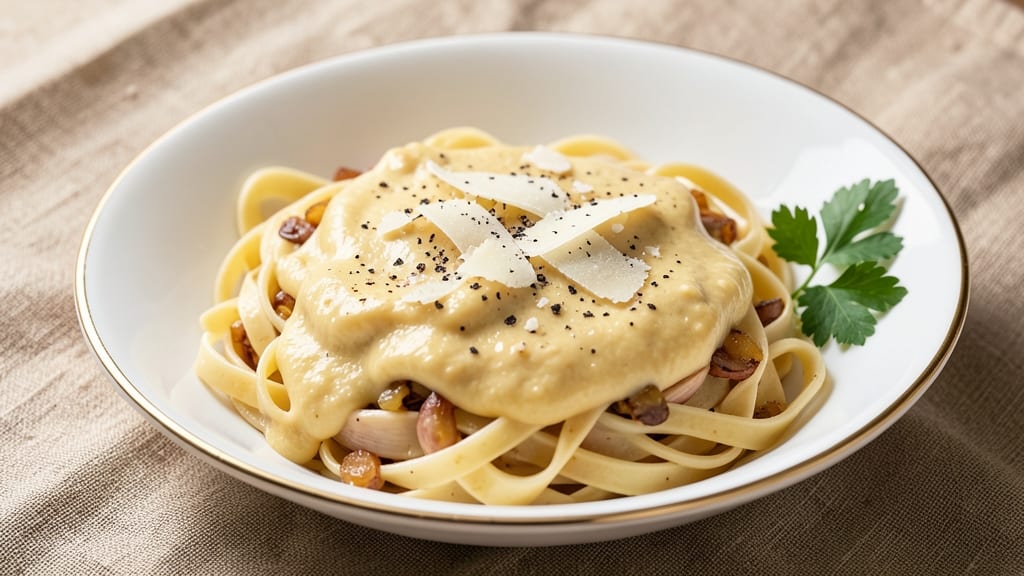
Creating a velvety alfredo sauce without heavy cream is easier than you think, and this recipe delivers restaurant-quality results with a lighter touch. The secret lies in a precise blend of butter, parmesan, and a clever emulsifier that creates that signature smooth, creamy texture without the heaviness.
I developed this version after years of testing—it’s the one I reach for whenever I want that rich, velvety sauce without the guilt of excess dairy.
The foundation of this sauce is a simple technique: melting butter slowly while whisking in parmesan until fully dissolved, then gradually incorporating warm water or broth to create a stable emulsion. This method ensures a smooth, clingy consistency that coats pasta perfectly, without breaking or separating.
The result is a sauce that’s rich in flavor but light enough to pair beautifully with vegetables or grilled chicken.
What sets this alfredo sauce apart is its versatility—use it on fettuccine, toss it with roasted vegetables, or drizzle it over grilled fish for an instant upgrade. The sauce holds its texture even when reheated, making it ideal for meal prep or last-minute dinners.
Whether you’re serving a weeknight meal or hosting a dinner party, this recipe delivers professional-quality results every time.
For those who prefer plant-based options, a simple substitution of nutritional yeast and coconut milk can achieve a similar creamy texture. The key is patience and precision—whisking continuously to avoid lumps and maintaining a gentle heat to keep the sauce silky smooth.
Let’s get started on this foolproof alfredo sauce that’s lighter, richer, and impossible to resist.
Ingredients for alfrado sauce
Six core ingredients plus plant-based swaps for a silky alfredo that won't weigh you down.
| Ingredient | Amount | Notes |
|---|---|---|
| Unsalted Butter 🧈 | ¾ cup | Cold, cubed for slow melting |
| Parmesan Cheese 🧀 | 1 ½ cups | Freshly grated from block |
| Shallots 🧅 | 2 whole | Minced for aromatic base |
| Garlic Cloves 🧄 | 3 cloves | Peeled, minced finely |
| All-Purpose Flour 🌾 | ¼ cup | For smooth emulsion |
| Warm Water 💧 | 1 ¼ cups | Or low-sodium chicken broth |
| Nutritional Yeast 🍄 | ¼ cup | For plant-based option |
| Coconut Milk 🥥 | ½ cup | Full-fat for creaminess |
| Salt 🧂 | ½ tsp | Adjust to taste |
| White Pepper 🌶️ | ¼ tsp | For subtle seasoning |
The Parmesan is non-negotiable—look for Parmigiano-Reggiano from the deli counter, not pre-grated. It's worth the extra cost for that real cheese flavor. Costco or Whole Foods usually have the best wedges. For the butter, grab unsalted and cube it yourself—pre-sliced packs melt unevenly. Shallots add depth but can be swapped for 1 tbsp onion powder if you're in a rush. The flour is just to help bind the sauce, so don't skip it even if you're making the plant version.
No Parmesan? Pecorino Romano works in a pinch, but it's stronger so use half the amount. Running low on shallots? Extra garlic (4 cloves) plus 1 tbsp onion powder covers it. For the plant version, Fortified nutritional yeast (like Bragg) gives that cheesy kick. The coconut milk should be full-fat—light versions won't give the same creaminess. If you're using broth, low-sodium chicken or vegetable broth keeps the flavor balanced. The sauce thickens as it cools, so don't over-worry about getting it perfect at first.
This sauce keeps for 5 days in the fridge, sealed tightly. The plant version separates slightly but just whisk it back together before using. Freezes beautifully for 3 months—portion into ice cube trays for single servings. For meal prep, make a double batch and freeze half. The texture actually improves after reheating, so leftovers are even better the next day. Store any unused plant-based ingredients in airtight containers to keep them fresh longer.
Why You'll Love This Recipe
- Five-Ingredient Magic: I swear by this—just butter, flour, cheese, and aromatics. No weird pantry raids or obscure spices. My pantry never looks bare when I’m making this.
- Rich Without Effort: That moment when you stir in the Parmesan and the sauce immediately thickens into something velvety? It’s like watching a magic trick, but edible. The shallots add this subtle sweetness that balances the garlic’s punch.
- Weeknight to Dinner Party: Slap it on fettuccine for Tuesday, or drizzle it over grilled steak for guests. Honestly, I’ve used it in pasta, as a gratin topping, and even as a sandwich glaze. It’s the chameleon of sauces.
- Leftovers That Don’t Suck: Unlike creamy sauces that turn into glue, this one reheats like a dream—just a splash of milk or broth to loosen it up. I’ve had it three days later, and it’s still ridiculously good. My freezer’s full of it.
Instructions for alfrado sauce recipe: velvety parmesan cream without the heavy cream
This creamy, rich sauce comes together with simple techniques and no heavy cream.
Sauté Shallots and Garlic Until Fragrant
Melt the 0.75 cup unsalted butter in a medium saucepan over medium heat. Add the 2 whole minced shallots and cook for 3-4 minutes until they become translucent and just start to soften. Here's the thing—don't let them brown or they'll add bitterness to your sauce.
Add the 3 cloves minced garlic and cook for another 30 seconds until you can smell that rich, aromatic punch. The garlic should be fragrant but not colored—just a hint of golden at the edges. Remove the pan from heat immediately after to prevent burning, since garlic turns bitter in seconds.
Create the Roux with All-Purpose Flour
Return the pan to medium heat and sprinkle in the 0.25 cup all-purpose flour. Stir constantly with a wooden spoon for 1-2 minutes until the mixture turns a light golden brown color. This is your roux—the base that will thicken your sauce beautifully.
Watch closely—if it darkens too much, you'll get a nutty flavor instead of that clean, creamy taste we want. The roux should smell toasty but not burnt. Once it reaches that perfect light golden stage, it's time to add the liquids.
Build the Sauce with Warm Water and Cheese
Slowly pour in the 1.25 cups warm water while whisking constantly to prevent lumps from forming. Bring the mixture to a gentle simmer and let it cook for 3-4 minutes, stirring frequently, until it thickens slightly. This step develops the sauce's body and flavor.
Reduce heat to low and gradually whisk in the 1.5 cups freshly grated parmesan cheese and 0.25 cup nutritional yeast. Stir until completely melted and smooth—you should see a thick, velvety sauce forming. If it's too thick, add 1 tablespoon warm water at a time until you reach your desired consistency.
Finish with Coconut Milk and Seasonings
Stir in the 0.5 cup coconut milk and let the sauce simmer gently for 2-3 minutes until it becomes completely smooth and creamy. The coconut milk adds richness without making the sauce too heavy. Taste and adjust seasoning with the 0.5 tsp salt and 0.25 tsp white pepper—this is where you can really customize it to your preference.
For extra smoothness, use an immersion blender to blend directly in the pan for 10-15 seconds. This step ensures a silky texture without any graininess. The sauce should coat the back of a spoon and have a beautiful, glossy appearance.
Keep Warm Until Serving
Transfer the sauce to a clean saucepan and keep it warm over low heat, stirring occasionally. If it thickens too much while waiting, whisk in 1-2 tablespoons warm water to restore its creamy consistency. This sauce is best served immediately over pasta or with crusty bread, but it can be reheated gently if needed.
Remember, the key to success is patience. Don't rush the cooking process, and always taste as you go. This alfrado sauce delivers that rich, cheesy flavor without the heaviness of traditional cream-based sauces—perfect for any pasta dish!
Pro Tips For Making Alfrado Sauce
- COOK LOW AND SLOW: Alfredo sauce turns grainy if you rush the butter—it’s not a fry-up. Melt the butter over medium-low heat, stirring constantly, until it’s just golden and foamy. I learned this the hard way after one batch separated like a sad salad dressing.
- GRATE THE PARMESAN FRESH: Pre-shredded cheese has anti-caking agents that make the sauce look like it’s fighting with itself. Use a microplane or fine grater right before adding it to the pan—it dissolves smoother and tastes sharper. Yes, it’s two extra minutes of work, but the texture is worth it.
- SWEEP OUT THE BROWN BITS: After cooking the shallots and garlic, let them sit for 30 seconds—you’ll see those dark, bitter bits forming. Deglaze the pan with a splash of pasta water or white wine to scrape them up. Those bits add depth, but too many make the sauce taste like burnt onions.
- WHISK IN THE FLOUR FAST: Dump the flour all at once and whisk like you’re trying to win a race. Cooking it slowly leads to lumps that turn into sad, uncooked pockets in your sauce. Keep the heat low but steady—you’re building roux, not frying a steak.
Serving suggestions for this dish
Pasta Perfection
This alfredo sauce is designed to cling beautifully to pasta, so I recommend using fettuccine or tagliatelle for the best texture. Cook your pasta al dente (about 1 minute less than package instructions) since it'll finish cooking in the sauce.
Toss the hot pasta with sauce immediately after draining to prevent sticking—add a splash of pasta water if needed to loosen the sauce. For extra indulgence, top with freshly grated Parmesan and black pepper. 🍝
Protein Pairings
Grilled chicken breast becomes a showstopper when smothered in this sauce. Marinate boneless, skinless chicken breasts in lemon juice and garlic for 30 minutes, then grill to 165°F internal temperature.
Serve with sauce drizzled over the top or on the side for dipping. For seafood lovers, try sautéed scallops or baked cod—the sauce's richness complements delicate fish perfectly. 🍗
Vegetable Upgrades
Roasted vegetables add texture and nutrition to this creamy sauce. Toss asparagus, broccoli, or zucchini with olive oil, salt, and pepper, then roast at 400°F for 15-20 minutes until tender.
Toss the warm vegetables directly into the sauce or serve on the side for dipping. The sauce also works beautifully with garlic sautéed mushrooms or blistered green beans. 🥦
Bread Service Style
For a casual yet impressive presentation, serve the warm sauce in a slow cooker or chafing dish with crusty bread on the side. I love using sourdough or baguette slices toasted with garlic butter.
The sauce's velvety texture pairs perfectly with the bread's crunch. Add roasted garlic crostini for an elevated touch that guests will rave about. 🥖
Meal Prep Hack
Make ahead and store the sauce in airtight containers for up to 5 days in the fridge. Reheat gently on the stovetop with a splash of water to restore creaminess.
Portion into ice cube trays and freeze for single-serving convenience. Thaw overnight in the fridge before using—this works perfectly for quick weeknight dinners. 📅
Garnish Like a Pro
Finish your dish with fresh parsley or basil for a pop of color and brightness. A sprinkle of crispy fried shallots adds texture contrast, while toasted breadcrumbs give a nutty crunch.
For a restaurant-worthy touch, add a drizzle of truffle oil (just ½ teaspoon)—it elevates the dish without overpowering. 🌿
Nutrition facts
Frequently asked questions
Why does this alfredo sauce stay creamy without heavy cream?
The secret lies in the roux technique combined with warm water and parmesan. The flour creates a stable emulsion that binds the fat and liquid, while the gradual addition of warm water prevents curdling. The coconut milk adds richness without heaviness, and whisking continuously ensures a silky texture.
Can I make this sauce dairy-free?
Yes! Replace the butter with vegetable oil or dairy-free margarine, use nutritional yeast instead of parmesan, and swap the coconut milk for cashew cream. The same emulsification method works—just whisk vigorously to maintain smoothness. The flavor will be different but still rich and satisfying.
What if my sauce separates or gets grainy?
This usually happens from overheating or uneven whisking. Immediately remove from heat and whisk vigorously to recombine. For graininess, blend with an immersion blender for 10-15 seconds. If it's too thick, thin with 1 tablespoon warm water at a time. The key is low, gentle heat and constant stirring.
How do I prevent the sauce from breaking when adding pasta?
Toss the sauce with pasta while it's still hot and cooking. Add pasta water gradually (1-2 tablespoons at a time) to loosen the sauce and prevent sticking. Never mix cold sauce with hot pasta—the temperature shock can cause separation. If it thickens too much, whisk in more warm water.
Can I use this sauce for dishes other than pasta?
This versatile sauce works beautifully as a dipping sauce for grilled chicken, baked potatoes, or crusty bread. It also elevates roasted vegetables, seafood dishes, or even as a creamy topping for meatloaf. The light texture makes it perfect for anything that needs a rich, velvety coating.