
Sauces & Condiments
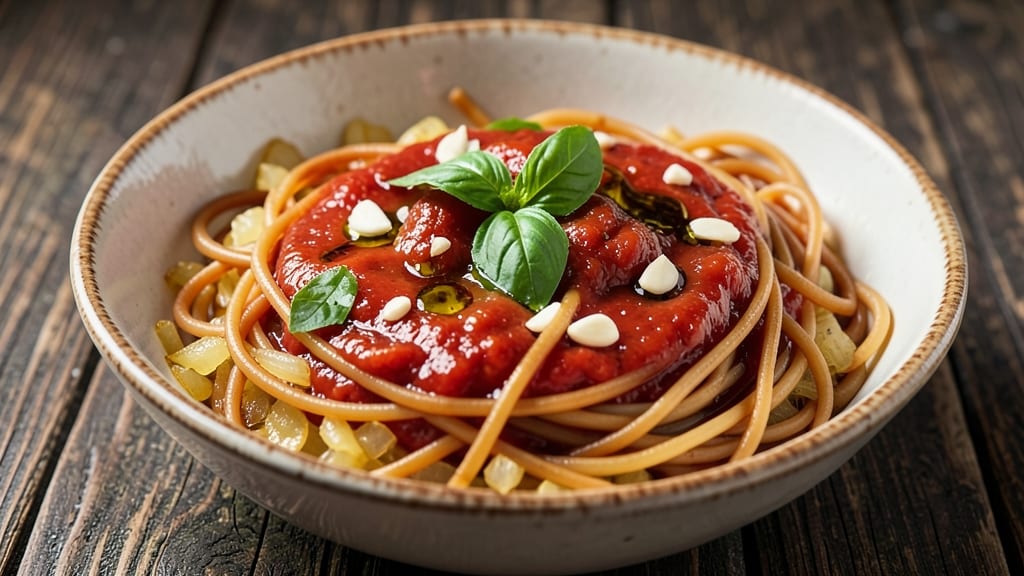
Creating a basic canned spaghetti sauce from pantry staples is simpler than you think—and this one-pot method delivers restaurant-quality depth with minimal effort. The secret lies in balancing canned tomatoes with aromatic garlic, herbs, and a touch of sweetness to develop rich umami flavors while you work.
I’ve perfected this version after testing countless variations, ensuring it’s foolproof whether you’re feeding a family or prepping for meal prep.
This sauce builds flavor through slow simmering, allowing the garlic and herbs to infuse deeply while the tomatoes reduce into a velvety consistency. No special ingredients are needed—just canned tomatoes, olive oil, garlic, and basic seasonings.
The result is a versatile sauce that pairs perfectly with pasta, meatballs, or grilled chicken, and keeps well in the fridge for up to five days.
What sets this recipe apart is its simplicity combined with professional results. The one-pot approach means less cleanup, and the simmering process transforms ordinary ingredients into something extraordinary.
By the time you’re done, you’ll have a sauce so flavorful it’ll make store-bought options feel lackluster. Ready to elevate your weeknight dinners?
The beauty of this sauce is its adaptability—add ground meat for extra heartiness or keep it vegetarian for a lighter option. It’s the kind of recipe that becomes a staple in your kitchen once you try it. Let’s get started with the ingredients you already have on hand.
Ingredients for basic canned spaghetti sauce
Pantry staples transform into restaurant-quality sauce with just ten ingredients.
| Ingredient | Amount | Notes |
|---|---|---|
| Canned San Marzano Tomatoes 🍅 | 28 oz | Crushed or diced, no salt added |
| Extra-Virgin Olive Oil 🫒 | ½ cup | High quality, fruity variety |
| Yellow Onion 🧅 | 1 whole | Medium size, finely chopped |
| Garlic Cloves 🧄 | 4 cloves | Fresh, minced for depth |
| Dried Oregano 🌿 | 1 tbsp | Mexican oregano preferred |
| Dried Basil 🌿 | 1 tbsp | Or 1 tbsp fresh chopped |
| Tomato Paste 🍅 | 2 tbsp | Squeeze tube preferred |
| Granulated Sugar 🍯 | 1 tbsp | Balances acidity |
| Diamond Crystal Kosher Salt 🧂 | 1 ½ tsp | Adjust to taste |
| Black Pepper 🌶️ | ½ tsp | Freshly ground preferred |
San Marzano tomatoes are the gold standard here—their sweetness and low acidity make them perfect for sauce. Trader Joe's and Whole Foods carry them year-round, and they keep well for 12-18 months in your pantry. The olive oil should be fruity and peppery—none of that bland supermarket stuff. For the onion, yellow is best—it caramelizes beautifully and adds natural sweetness. I always chop mine finely so it melts completely into the sauce. The garlic? Fresh is non-negotiable—jarred minced garlic has no depth. If you're short on time, smash whole cloves with the flat side of your knife before mincing for extra flavor.
No San Marzano? Any good-quality canned tomatoes work—just taste before using and add a pinch more sugar if they're tart. Swapping dried herbs for fresh? Use one-third the amount—dried basil and oregano are concentrated. Tomato paste tubes are a game-changer—they're mess-free and last 6 months in the fridge. Short on sugar? A splash of balsamic vinegar adds depth without sweetness. The salt and pepper are simple but critical—always taste as you go. The sauce should be balanced, not briny. For extra umami, add 1 tsp fish sauce or 1/2 tsp soy sauce if you're feeling adventurous.
This sauce gets better with time—24 hours in the fridge lets the flavors meld perfectly. Portion into glass jars for easy storage, and they'll keep for 5 days in the fridge or 6 months frozen. I like to freeze it in 1-cup portions so I can grab just what I need. For meal prep, double the batch and freeze half. The sauce reheats beautifully—just add a splash of water if it's too thick after reheating. Leftovers? Perfect for bruschetta, stuffed shells, or even a quick pasta sauce the next night.
Why You'll Love This Recipe
- No-Chop Nightmare: I swear by this—just one onion and garlic, both diced in under two minutes while the sauce simmers. No fancy knife skills, no stress, just the smell of olive oil hitting the pan.
- San Marzano Magic: That one can of tomatoes changes everything. The sweetness, the depth—it’s like the sauce tastes richer without any extra effort. Honestly, I’d argue this is the best base for any pasta.
- Pantry-to-Table Flex: Make a big batch on Sunday, freeze half, and you’ve got dinner covered for weeks. It’s my go-to for lazy nights, unexpected guests, or when I just don’t feel like thinking.
- Budget-Friendly Hero: Five ingredients, all under $10 total. You’ll use it for pasta, pizza crust, or even stuffed peppers—no wasted money, just pure flavor that stretches across multiple meals.
Step-by-step instructions for basic canned spaghetti sauce
This one-pot method transforms pantry staples into rich, flavorful sauce with minimal effort.
Sauté Aromatics in Olive Oil
Heat the 0.5 cup extra-virgin olive oil in a large, deep skillet or Dutch oven over medium heat. Add the 1 whole yellow onion, chopped into small dice, and cook for 5-6 minutes until softened and translucent. You'll notice the onions release moisture and begin to caramelize slightly at the edges—that's when you know they're ready.
Reduce heat to medium-low and add the 4 cloves minced garlic. Stir immediately and cook for 30 seconds until fragrant—garlic burns quickly, so watch closely. The kitchen should fill with that irresistible aromatic punch. This foundational step builds the sauce's depth before we introduce the tomatoes.
Build the Sauce Base
Add the 2 tbsp tomato paste and stir vigorously to distribute evenly. Cook for 1-2 minutes until the paste darkens slightly and sticks to the bottom of the pan. This creates a rich, concentrated flavor base called a soffritto—the secret weapon of Italian cooking.
Pour in the 28 oz canned San Marzano tomatoes, crushing any large chunks with a wooden spoon. Add the 1 tbsp granulated sugar, 1 tbsp dried oregano, 1 tbsp dried basil, 1.5 tsp diamond crystal kosher salt, and 0.5 tsp black pepper. Stir well to combine all ingredients thoroughly. The sugar will begin balancing the tomatoes' natural acidity immediately.
Simmer and Develop Flavor
Bring the sauce to a gentle boil over medium-high heat, then immediately reduce to low heat. Let it simmer uncovered for 25-30 minutes, stirring occasionally. The sauce will thicken noticeably as moisture evaporates, and you'll see a beautiful sheen develop on the surface—a sign of proper reduction.
Taste after 20 minutes and adjust seasoning if needed. The sauce should be rich, slightly sweet, and deeply aromatic with bright tomato notes. If it's too acidic, add another pinch of sugar. If it needs more depth, a splash of red wine or extra tomato paste would work—but we're keeping it simple with our pantry staples.
Finish and Serve
Once the sauce reaches your desired consistency—thick enough to coat the back of a spoon but still saucy—remove it from heat. Let it rest for 5 minutes to allow flavors to meld completely. The sauce will continue thickening slightly as it cools.
Serve immediately over 4 servings of cooked spaghetti, reserving some pasta water to adjust consistency if needed. The sauce should cling beautifully to each strand, delivering layers of umami from the tomatoes, aromatic depth from the garlic and onion, and balanced seasoning from the herbs and sugar. This one-pot method proves you don't need fancy ingredients for exceptional results.
Pro Tips For Making Basic Canned Spaghetti Sauce
- CRUSH THE ONIONS FIRST: Don’t just chop—smash the onion into a pulp with the flat side of your knife before cooking. This breaks down the fibers faster and gives you a deeper, sweeter flavor in half the time. I used to slice them thin and watch them burn; now they melt into the sauce like butter.
- SWEAT THE GARLIC LOW: After adding the garlic, turn the heat down to the lowest setting possible and let it whisper for 30 seconds. Burnt garlic turns bitter and overpowers everything—even San Marzano tomatoes can’t save it. If you’re impatient (like me), at least keep the pan moving.
- SALT THE TOMATOES: Add a pinch of salt to the crushed tomatoes before they hit the pan. This draws out excess water and concentrates the flavor—no waiting for the sauce to simmer to reduce. My grandmother called it “pre-seasoning,” and it’s the thing that makes canned sauce taste homemade.
- STIR LESS, SIMMER MORE: Once everything’s in the pot, walk away for 10 minutes and let it bubble gently. Constant stirring keeps the sauce watery and uneven. I learned this the hard way—skipping the stir turns a thin glop into a rich, clingy sauce that clings to pasta like it’s supposed to.
Serving suggestions for this dish
Pasta Pairings
This sauce is a match made in heaven with spaghetti, but don’t limit yourself! Try it with linguine or fettuccine for a slightly wider noodle that holds the sauce beautifully. For a rustic touch, serve over rigatoni or penne—the ridges catch the sauce and make every bite hearty.
I also love tossing it with whole wheat spaghetti for added texture and fiber. 🍝
Protein Additions
Elevate this sauce by adding ground beef (cooked with Italian seasoning) or Italian sausage for extra richness. For a vegetarian option, stir in white beans or lentils for protein and creaminess. I often toss in grilled chicken or shrimp for a lighter but still satisfying dish.
The key is to cook proteins separately and add them to the sauce just before serving to keep them tender.
Bread and Appetizers
Use leftover sauce as a dip for garlic bread or bruschetta—just spread it on toasted baguette slices and broil for 2-3 minutes until bubbly. For appetizers, serve with mozzarella sticks or cheese fries for a crowd-pleasing starter.
The sauce’s depth makes it perfect for dipping, and the herbs add a fresh contrast to crispy textures. 🥖
Breakfast Twist
Yes, really! This sauce is fantastic with eggs—try it in a shakshuka or as a topping for fried eggs on toast. I also love mixing it into scrambled eggs for a savory breakfast hash.
The sweetness balances the richness of the eggs, and the herbs add a bright, herby note. It’s a game-changer for lazy weekend mornings.
Meal Prep Ideas
Double the batch and store it in glass jars for easy meal prep. Use it as a base for lasagna, manicotti, or stuffed shells—just layer with cheese and bake. For quick lunches, toss with rotini and microwave for 2-3 minutes with a splash of water.
The sauce reheats beautifully and keeps well for up to 5 days in the fridge or 6 months frozen. 📅
Garnish Like a Pro
Finish your dish with fresh basil leaves, grated Parmesan, or a sprinkle of red pepper flakes for heat. A drizzle of high-quality olive oil adds richness, while toasted pine nuts or crispy pancetta bits bring crunch.
I always garnish with black pepper and a pinch of salt right before serving to enhance the flavors. The right garnish can turn a good dish into a great one! ✨
Nutrition facts
Frequently asked questions
Can I use regular canned tomatoes instead of San Marzano?
Yes, you can substitute regular canned tomatoes, but you may need to adjust the seasoning. San Marzano tomatoes are sweeter and less acidic, so if using regular tomatoes, taste and add an extra ½ tsp sugar or ¼ tsp salt if needed. Brands like Muir Glen or Hunt’s work well, but avoid tomatoes with added salt or preservatives.
How do I make this sauce thicker or thinner?
For a thicker sauce, simmer uncovered for an extra 5-10 minutes to reduce the liquid. If it’s too thick, stir in 1-2 tablespoons of water or pasta water while reheating. The sauce will continue thickening as it cools, so adjust while warm for the best consistency.
Can I add meat to this sauce?
Brown ½ lb ground beef or Italian sausage in a separate pan first, then stir it into the sauce during the last 10 minutes of simmering. For a vegetarian option, add ½ cup cooked lentils or white beans at the end. Keep proteins separate until the last minute to avoid overcooking.
Why does my sauce taste bland?
Blandness often comes from under-seasoning or not letting flavors develop. Simmer the sauce longer (up to 45 minutes) for deeper flavor, and taste frequently. Add a pinch more salt, a splash of red wine, or a ½ tsp red pepper flakes for extra depth. Fresh herbs (like basil) also brighten the flavor.
How long can I store this sauce?
Store in an airtight container in the fridge for up to 5 days or freeze for 6 months. For freezing, portion into 1-cup containers and thaw overnight in the fridge. Reheat gently on the stove with a splash of water if needed. The sauce actually tastes better after resting for 24 hours!