
Sauces & Condiments
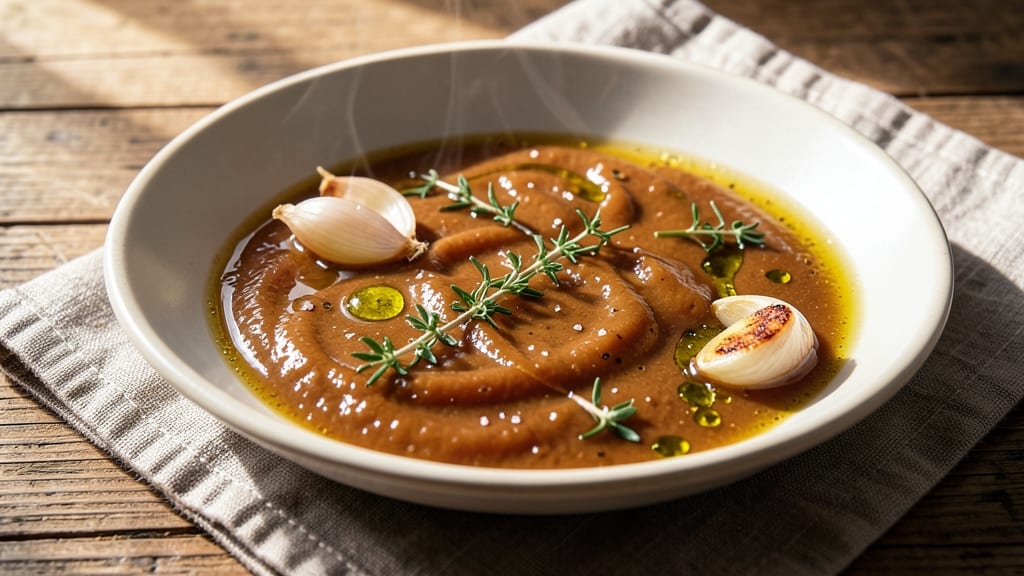
Creating a basic sauce recipe from pantry staples transforms simple ingredients into rich, versatile flavors that elevate any dish. This foundational sauce builds on a precise balance of aromatics, acidity, and umami—techniques professional chefs rely on to create depth without complexity.
The result is a smooth, velvety sauce that works as a base for pasta, meats, or vegetables, with endless customization possibilities.
What sets this sauce apart is its adaptability—just three core ingredients (oil, acid, and aromatics) form the backbone, while optional additions like tomatoes, herbs, or spices let you tailor it to any cuisine.
The simmering process develops layers of flavor that jarred or bottled sauces simply can’t match, making it a kitchen essential that pays for itself in versatility. Professional results start with precise timing and temperature control, ensuring the sauce never breaks or separates.
By the end, you’ll have a perfectly balanced sauce with a glossy sheen and complex flavor profile, ready to transform ordinary meals into restaurant-quality dishes. The technique is straightforward but demands attention to detail—especially the reduction stage where flavors concentrate.
Whether you’re a home cook or a seasoned chef refining your skills, this sauce delivers professional-level results with pantry staples.
Use it as a base for marinara, a finishing touch for grilled meats, or a drizzle over roasted vegetables. The variations are endless, but the foundation remains the same: a rich, aromatic sauce that’s always within reach. Let’s build this essential kitchen tool from scratch.
Ingredients for basic sauce
Nine essential ingredients transform pantry staples into a velvety sauce foundation for any cuisine.
| Ingredient | Amount | Notes |
|---|---|---|
| Extra-Virgin Olive Oil 🫒 | ½ cup | High-quality, fruity, cold-pressed |
| White Wine Vinegar 🍷 | ¼ cup | Dry, aged variety preferred |
| Shallots 🧅 | 3 whole | Finely minced, not sliced |
| Garlic Cloves 🧄 | 3 cloves | Peeled, smashed for aroma |
| Fresh Thyme Leaves 🌿 | 1 tbsp | Or 1 tsp dried thyme |
| Diamond Crystal Kosher Salt 🧂 | ½ tsp | Fine grain preferred |
| Freshly Ground Black Pepper 🌶️ | ¼ tsp | Cracked peppercorns preferred |
| Vegetable or Chicken Stock 💧 | 1 cup | Low-sodium preferred |
| Unsalted Butter 🧈 | 2 tbsp | Cold, cubed for finishing |
| San Marzano Crushed Tomatoes 🍅 | ½ cup | Optional for depth |
The extra-virgin olive oil must be of high quality—look for Italian or Spanish varieties with fruity, peppery notes. Whole Foods Market and Trader Joe's carry excellent options in their bulk section, where you can sample before purchasing. Shallots, though similar to onions, provide a more refined sweetness—never substitute regular onions—and should be finely minced to dissolve completely. The San Marzano crushed tomatoes, if used, are non-negotiable for their natural sweetness and low acidity. Store-bought tomato paste works in a pinch but lacks the same depth. Fresh thyme leaves are ideal, but dried thyme works at one-third the amount—just ensure it's labeled as culinary-grade.
No white wine vinegar? Apple cider vinegar or lemon juice will work, though the flavor profile shifts slightly. Short on stock? Water with an extra pinch of salt maintains the base structure, but the umami will suffer. The butter at the end is critical—cold cubes emulsify beautifully for that signature glossy finish. For a vegetarian version, swap the chicken stock for mushroom stock or additional vegetable stock. The sauce's versatility lies in its adaptability, but these core elements—oil, acid, and aromatics—create the foundation that elevates any variation.
This sauce peaks when made fresh but can be stored in an airtight container in the refrigerator for up to 5 days. For longer storage, freeze in 1-tablespoon portions for easy use in future dishes. The butter addition should happen just before serving to maintain its creamy texture. If the sauce thickens too much while simmering, stir in 1 tablespoon of warm water to restore consistency. Always taste as you go—professional sauces are built layer by layer, not by recipe.
Why You'll Love This Recipe
- Five-Ingredient Magic: I swear by this—just oil, vinegar, shallots, garlic, and thyme. That’s it. No fancy gadgets, no measuring cups, no stress. The kind of recipe that makes me feel like a chef even when I’m wearing pajamas.
- Bright & Bold: Honestly, the vinegar cuts through everything so well. You get this bright, tangy punch from the shallots and garlic, but the thyme softens it into something warm and inviting. It’s the kind of flavor that lingers just enough to make you reach for seconds.
- Dresses Up Anything: This sauce is my secret weapon for lazy nights. Drizzle it over roasted veggies, toss it with pasta, or use it as a quick marinade for grilled chicken. Even my picky teenager asked for it on his sandwich once—(yes, even on a Tuesday night).
- Lasts All Week: Between us, I make a big batch on Sunday and keep it in the fridge. It doesn’t spoil, it doesn’t separate, and it’s still fresh enough to elevate leftovers by Friday. Plus, the ingredients are cheap—no excuse not to have it on hand.
Step-by-step instructions for pantry staples simmered to rich perfection
This sauce builds layer upon layer of flavor through precise technique and patience.
Sauté Shallots and Garlic Until Translucent
Heat the 0.5 cup extra-virgin olive oil in a medium saucepan over medium-low heat. Add the 3 whole shallots and 3 cloves garlic cloves, spreading them evenly across the pan. Cook for 8-10 minutes until the shallots become soft and translucent, with just a hint of golden color at the edges.
This low-and-slow approach prevents burning while allowing the shallots to break down completely, releasing their natural sweetness. Stir occasionally to ensure even cooking—you'll notice the aromatics release their fragrance as they transform from raw to cooked. The garlic should be fragrant but not browned; that's your cue to move forward.
Deglaze with Vinegar and Stock
Pour in the 0.25 cup white wine vinegar and 1 cup vegetable or chicken stock, scraping up any browned bits from the bottom of the pan with a wooden spoon. Increase heat to medium-high and bring the mixture to a gentle boil, then immediately reduce to a simmer. Let it cook uncovered for 5-7 minutes until the liquid reduces by about one-third, intensifying the flavor.
The vinegar cuts through the richness of the olive oil while adding brightness, and the stock provides depth. You'll see the sauce thicken slightly as it reduces—this is when the magic happens. Taste occasionally to monitor the balance; you want the acidity to mellow while the stock's umami develops.
Add Aromatics and Simmer
Stir in the 1 tablespoon fresh thyme leaves, 0.5 teaspoon diamond crystal kosher salt, and 0.25 teaspoon freshly ground black pepper. Add the 0.5 cup San Marzano crushed tomatoes (if using) and continue simmering for 10-12 minutes until the sauce thickens to a velvety consistency. The thyme should infuse the sauce with its earthy notes, while the tomatoes (if included) add a subtle sweetness.
This is where the sauce comes together—all the individual flavors meld into a cohesive whole. You'll notice the sauce coat the back of a spoon, signaling it's ready. If it thickens too quickly, add 1-2 tablespoons water to maintain the desired texture. The tomatoes, if used, should be fully incorporated, dissolving into the sauce.
Finish with Butter for Richness
Remove the sauce from heat and stir in the 2 tablespoons unsalted butter, cubed, until fully melted and emulsified. The butter adds a luxurious finish, rounding out the acidity and adding a silky mouthfeel. Taste and adjust seasoning—you may need a pinch more salt or pepper to balance the flavors.
This final step is critical. The butter not only enriches the sauce but also creates a smooth, velvety texture. Let the sauce rest for 5 minutes off the heat before serving—this allows the flavors to fully integrate. The result should be a sauce that clings beautifully to pasta, meat, or vegetables, with a perfect balance of acidity, sweetness, and depth.
Pro Tips For Making Basic Sauce
- Sweat Shallots Slow: I learned this the hard way—rushing the shallots turns them bitter. Use low heat and let them cook for 5-6 minutes until completely soft and translucent, stirring occasionally. No need to brown them; you’re building flavor, not caramelizing.
- Mince Garlic Fine: Skip the rough chop—finely mince the garlic so it blends seamlessly into the sauce. I used to leave it chunky, and it always looked like I’d forgotten a step. A sharp knife and a few extra seconds make all the difference.
- Deglaze Immediately: As soon as the shallots and garlic hit the pan, pour in the white wine vinegar right away. Let it bubble for 30 seconds to lift all the browned bits—this is where the depth of flavor hides. Scrape the bottom too; those bits are pure umami.
- Toast the Thyme: Toss the thyme leaves into the pan with the shallots for 30 seconds before adding the vinegar. The leaves darken slightly, releasing their aroma into the oil. It’s subtle but adds a layer of complexity most people miss.
Creative variations of these flavors
Italian-Inspired Tomato Sauce
Transform this basic sauce into a classic marinara by adding 1 cup San Marzano crushed tomatoes and 1 sprig fresh basil during the simmering phase. I like to finish with 1 tablespoon tomato paste for extra depth.
Use it over spaghetti or as a topping for garlic bread—the acidity brightens the dish while the tomatoes add natural sweetness. 🍅
Creamy Herb Sauce
For a richer variation, replace the stock with 1 cup heavy cream and add 1 tablespoon fresh parsley along with the thyme. Swap the butter finish for 2 tablespoons crème fraîche for a tangy twist.
This sauce pairs perfectly with roasted chicken or mashed potatoes, delivering a velvety texture with herbal brightness.
Spicy Garlic Sauce
Increase the heat by adding 1-2 teaspoons red pepper flakes with the thyme and finish with 1 tablespoon hot honey instead of butter. This sauce elevates grilled shrimp or fried eggs with a bold kick.
Adjust the heat level to taste—Penzeys brand red pepper flakes offer consistent spice intensity. 🌶️
Asian-Inspired Soy-Ginger Sauce
Swap the white wine vinegar for 2 tablespoons rice vinegar and the stock for 1 cup low-sodium chicken stock. Add 1 teaspoon grated fresh ginger and 1 tablespoon soy sauce during the simmer.
Finish with 1 tablespoon sesame oil instead of butter for an umami-rich sauce perfect for stir-fries or dumplings.
Vegetarian Mushroom Sauce
Replace the chicken stock with 1 cup mushroom stock and add ½ cup finely chopped cremini mushrooms during the sauté phase. Finish with 1 tablespoon nutritional yeast for a cheesy depth. This sauce complements vegetable lasagna or stuffed bell peppers beautifully, offering a rich, earthy flavor profile. 🌱
Smoky Chipotle Sauce
Infuse the sauce with smokiness by adding 1 teaspoon adobo sauce (from canned chipotles) and ½ teaspoon smoked paprika with the thyme. Finish with 1 tablespoon sour cream for balance. This sauce works wonders on tacos or grilled corn, delivering a smoky-sweet contrast that’s hard to resist. 🔥
Nutrition facts
Frequently asked questions
Can I make this sauce without butter at the end?
The butter adds richness and helps emulsify the sauce, but you can substitute 1 tablespoon olive oil or vegan butter for a dairy-free version. The texture will be slightly lighter, but the flavor remains balanced. For extra depth, try 1 teaspoon nutritional yeast instead.
How do I adjust the thickness of the sauce?
For a thicker sauce, simmer uncovered for 5-10 extra minutes to reduce the liquid further. If it becomes too thick, whisk in 1-2 tablespoons warm water or stock to loosen it. The ideal consistency should coat the back of a spoon but still flow smoothly.
What’s the best way to store leftover sauce?
Let the sauce cool completely, then transfer to an airtight container. It keeps in the fridge for 5 days or freezes for up to 3 months. For freezing, portion into 1-tablespoon servings for easy use. Reheat gently on low heat, stirring constantly to prevent separation.
Can I use this sauce as a marinade?
Yes! Use it as-is for grilled chicken or fish, but reduce the vinegar to 1 tablespoon to avoid over-acidifying the meat. Marinate for 30-60 minutes max—longer exposure can make proteins tough. Reserve 2 tablespoons of the sauce to deglaze the pan after cooking for a pan sauce.
Why did my sauce separate when I added butter?
This happens if the sauce isn’t hot enough when adding butter. Warm the sauce over low heat for 1-2 minutes first, then whisk in cold butter gradually. For extra insurance, mix the butter with 1 teaspoon flour before adding to stabilize the emulsion.