
Sauces & Condiments
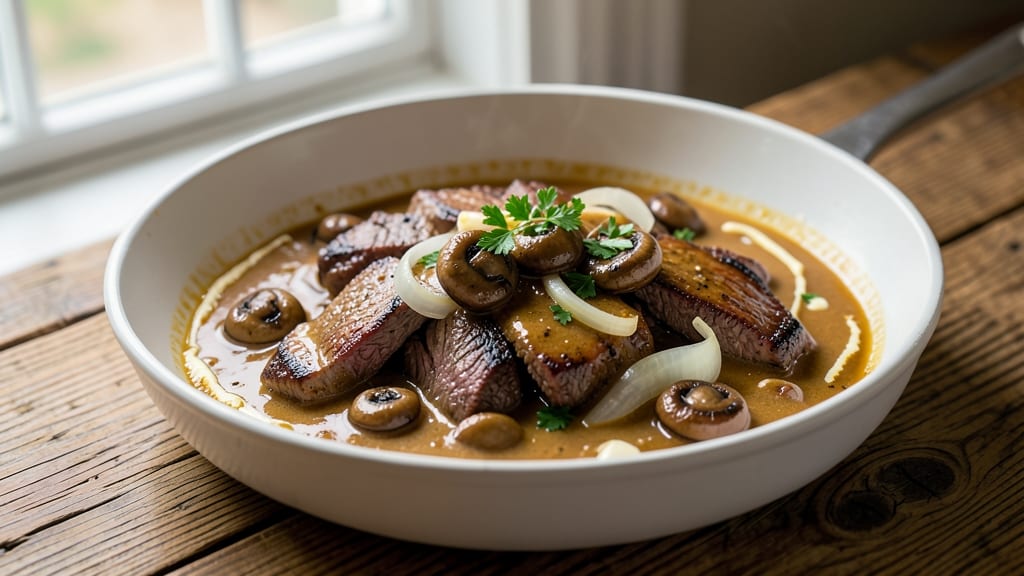
A basic stroganoff sauce recipe transforms simple pantry staples into a velvety, restaurant-worthy sauce that elevates any meal. This creamy, savory sauce builds on classic Russian roots while adapting effortlessly to modern kitchens—no fancy techniques required.
The magic lies in simmering mushrooms and onions until deeply flavorful, then blending them into a rich base with sour cream and broth.
What sets this sauce apart is its versatility and foolproof method. You’ll start with a simple sauté of onions and mushrooms, then thicken the sauce with a roux-free technique that prevents lumps.
The result? A velvety, slightly tangy sauce that coats proteins and noodles perfectly without overpowering them. Best of all, it comes together in under 30 minutes with ingredients you likely already have.
The finished sauce delivers creamy, velvety texture with a subtle tang from sour cream and umami depth from mushrooms. It’s ideal for serving over egg noodles, chicken, or roasted potatoes, but also works as a rich topping for baked potatoes or a creamy pasta sauce.
The recipe even freezes beautifully, so you can make a big batch and store it for up to 3 months—perfect for meal prep.
Whether you’re making traditional beef stroganoff or a vegetarian version with mushrooms and tofu, this sauce adapts seamlessly. The key is balancing the acidity of the sour cream with the richness of the broth, ensuring every bite is smooth, flavorful, and satisfying.
Ready to transform a simple weeknight dinner into something special?
Ingredients for basic stroganoff sauce
Pantry staples meet velvety perfection in this stroganoff sauce—no specialty items required.
| Ingredient | Amount | Notes |
|---|---|---|
| White Onions 🧅 | 1 whole | Yellow or red, finely diced |
| Cremini Mushrooms 🍄 | 8 oz | Sliced into even pieces |
| Garlic Cloves 🧄 | 3 cloves | Mince finely for depth |
| Unsalted Butter 🧈 | 3 tbsp | European-style preferred |
| All-Purpose Flour 🌾 | 2 tbsp | For thickening base |
| Beef Broth 💧 | 1 ½ cups | Low-sodium preferred |
| Sour Cream 🥛 | 1 cup | Full-fat for richness |
| Heavy Cream 🥛 | ½ cup | 36% fat minimum |
| Diamond Crystal Kosher Salt 🧂 | ¾ tsp | Adjust to taste |
| Freshly Ground Black Pepper 🌶️ | ½ tsp | Cracked peppercorns |
The mushrooms and onions form the sauce's flavor foundation, so prioritize quality here. Cremini mushrooms offer the best umami, but white button mushrooms work in a pinch. For onions, yellow or red varieties add natural sweetness—avoid sweet onions like Vidalia unless you prefer a milder profile. The European-style butter (like Plugrá) melts more smoothly than American varieties, creating a silkier base. If you can't find it, use regular unsalted butter but clarify it first by melting and straining. The beef broth should be low-sodium—most store-bought brands exceed 500mg per cup, which can make the sauce taste flat.
No heavy cream? Full-fat Greek yogurt at half the quantity delivers similar tang without curdling. For a dairy-free option, unsweetened coconut cream works but may alter the texture slightly. The flour acts as a natural thickener—if you're avoiding gluten, use cornstarch or arrowroot powder instead, but increase to 2.5 tbsp and whisk vigorously. Fresh garlic is non-negotiable here; jarred minced garlic lacks the aromatic depth. For extra richness, add 1 tbsp of cream cheese to the finished sauce and whisk until smooth. The sour cream should be room temperature when added to prevent lumps—simply let it sit for 10 minutes before incorporating.
This sauce freezes beautifully for up to 3 months—portion into airtight containers with a thin layer of oil on top to preserve freshness. For best results, cool the sauce completely before freezing to prevent ice crystals. Reheat gently on the stove over medium-low heat, stirring frequently, until warmed through. The sauce thickens as it cools, so you may need to add a splash of broth when reheating. Store in the refrigerator for up to 5 days in an airtight container. If you've made extra, freeze individual portions in ice cube trays for easy single-serving use later.
Why You'll Love This Recipe
- Five-Ingredient Magic: I swear by this combo—onions caramelizing in butter, mushrooms soaking up the richness, and that flour-butter roux tying it all together. No fancy steps, just layers of flavor that feel luxurious without the fuss.
- Weeknight Workhorse: Serve it over noodles when you’re exhausted, toss it with roasted potatoes for a hearty dinner, or even spread it on toast the next day. It’s the one sauce that never lets me down, no matter what’s happening in my life.
- Leftovers That Shine: Between us, stroganoff actually tastes better the second day. The flavors meld into this deep, savory hug—perfect for lunchboxes, quick reheats, or when you just can’t face cooking again. (Yes, even on a Tuesday night.)
- Budget-Friendly Luxury: Butter and mushrooms sound fancy, but they stretch so far here. A single onion and a handful of cremini mushrooms make this dish feel special without breaking the bank. Honestly, it’s my go-to when I want to impress but can’t afford to splurge.
Step-by-step instructions for basic stroganoff sauce
Transform simple pantry staples into a velvety stroganoff sauce with this precise method.
Sauté the Aromatic Base
Melt the 3 tablespoons unsalted butter in a large skillet over medium heat. Add the 1 whole white onions, sliced into even pieces, and cook for 5 minutes until softened and translucent. This foundational step develops the sauce's depth—don't rush it.
Increase heat to medium-high and add the 8 ounces sliced cremini mushrooms. Cook for 6-8 minutes until they release their moisture and develop a golden brown crust. The mushrooms should be tender but still retain some texture. Push them to one side of the pan and add the 3 cloves minced garlic, cooking for 30 seconds until fragrant. This layered cooking technique prevents flavor loss and creates a rich base for the sauce.
Create the Roux for Thickening
Reduce heat to medium and sprinkle the 2 tablespoons all-purpose flour evenly over the mushrooms and onions. Stir constantly for 1-2 minutes until the flour is fully incorporated and the mixture forms a smooth paste. This creates a roux that will thicken the sauce beautifully.
Gradually pour in the 1.5 cups beef broth, whisking continuously to prevent lumps from forming. Bring the mixture to a gentle simmer and cook for 5-7 minutes until it thickens slightly. The sauce should coat the back of a spoon but remain pourable. If it thickens too quickly, add 1-2 tablespoons water to adjust consistency. This step ensures the sauce will properly coat the noodles or protein later.
Build Richness with Cream and Sour Cream
Lower heat to low and stir in the 0.5 cup heavy cream and 1 cup sour cream. Cook gently for 3-4 minutes, stirring occasionally, until the sauce reaches 160°F and becomes luxuriously smooth. The combination of these dairy products creates the signature velvety texture of stroganoff. Avoid boiling the sauce—this can cause curdling and ruin the delicate balance of flavors.
Season immediately with 0.75 teaspoon diamond crystal kosher salt and 0.5 teaspoon freshly ground black pepper. Taste and adjust the seasoning—this is the moment to ensure perfect balance before serving. The sauce should be rich but not overly salty, with a subtle peppery finish that complements the creamy texture.
Finish and Serve Immediately
Remove the sauce from heat and let it rest for 2-3 minutes to allow flavors to meld. This brief resting period enhances the sauce's depth and ensures a smooth, cohesive texture. Stroganoff sauce is best served immediately over egg noodles or wide ribbon pasta—the sauce should cling beautifully to each strand.
For an extra touch of elegance, garnish with additional freshly ground black pepper and serve with a side of steamed vegetables or a simple green salad. The sauce's creamy richness pairs perfectly with the subtle earthiness of mushrooms and the sweetness of onions, creating a harmonious balance in every bite.
Pro Tips For Making Basic Stroganoff Sauce
- COOK ONIONS LOW AND SLOW: Stroganoff sauce starts with onions, but rushing this step turns them into a sad, watery mush. Keep the heat at a gentle simmer—just enough to see a few bubbles here and there—and stir occasionally. I learned this the hard way when my onions turned to paste after 10 minutes of aggressive cooking. Patience here means flavor that actually carries through the dish.
- CHOP MUSHROOMS UNIFORMLY: Cremini mushrooms release their umami differently based on size—small, even pieces cook faster and soak up the butter better. Aim for ¼-inch slices, no thicker, and resist the urge to mix chunky and tiny bits. Uneven cooking leads to some mushrooms turning to mush while others stay tough. (Yes, even if you’re impatient like me, this part matters.)
- DON’T BURN THE GARLIC: Garlic cloves near the end? Good. Garlic cloves turning bitter and acrid? Not so good. Add them when the mushrooms are just about done, and pull the pan off the heat for the last 30 seconds of cooking. This keeps the aroma bright and the flavor clean. I was skeptical until I tried it—now I never skip it.
- WHISK THE ROUX FAST: The moment you add flour to butter, the clock starts ticking. Work quickly to avoid lumps, and keep the heat medium-high until the roux turns a pale golden color—about 2 minutes. A darker roux adds bitterness, and lumps just make the sauce look (and taste) sloppy. This isn’t the prettiest method, but it’s the tastiest. Trust the process.
Wine and beer pairings for basic stroganoff sauce
Classic White Wine
Stroganoff sauce’s creamy texture and subtle tang make it a perfect match for dry white wines with crisp acidity. I reach for a Chardonnay from Burgundy or a Sauvignon Blanc from New Zealand—both cut through the richness beautifully.
The citrus notes in Sauvignon Blanc complement the mushrooms, while Chardonnay’s buttery profile enhances the sauce’s velvety finish. Serve slightly chilled at 50-55°F for the best experience. 🍷
Crisp Lager Pairing
A German Pilsner or Belgian Witbier balances the sauce’s creaminess with refreshing carbonation. I love Weihenstephaner Hefeweissbier—its light yeastiness and hint of banana contrast the mushrooms’ earthiness.
For a lighter option, try Peroni or Stella Artois, which won’t overpower the dish but keep the meal lively. Serve at 40-45°F to maintain crispness. 🍺
Red Wine Alternative
If you prefer red, a Pinot Noir from Oregon or Chianti Classico works surprisingly well. The sauce’s acidity pairs with the wine’s bright cherry notes, while tannins from Chianti add structure. Avoid heavy Cabernets—they’ll clash with the creamy texture. Decant for 30 minutes to soften tannins before serving. 🍇
Non-Alcoholic Options
For a non-alcoholic match, try sparkling apple cider (like Martinelli’s) or ginger beer (Fever-Tree). The effervescence cleanses the palate between bites, while ginger beer’s spice echoes the black pepper in the sauce. Serve chilled for the best contrast. 🍏
Beer Pairing Pro Tips
If using beer in the sauce (like a stout for depth), pair it with a hoppy IPA—the bitterness cuts through the richness. For a vegetarian stroganoff, a Belgian Dubbel with caramel notes complements roasted mushrooms.
Always let the beer or wine breathe alongside the sauce for 10-15 minutes before serving. ✨
Nutrition facts
Frequently asked questions
Can I make this stroganoff sauce without sour cream?
Yes! For a dairy-free version, replace the sour cream with ½ cup full-fat coconut yogurt or ½ cup Greek yogurt (thinned with 1 tablespoon milk to match consistency). For a tangy alternative, use ½ cup buttermilk or ½ cup crème fraîche. The sauce will still be creamy but slightly lighter in texture.
Why does my stroganoff sauce get lumpy when I add the cream?
Lumps usually happen when the sauce cools too quickly or the sour cream isn't room temperature. Always whisk the dairy products into the warm (not boiling) sauce over low heat. If lumps appear, immediately remove the pan from heat and blend with an immersion blender for 10 seconds. For prevention, let the sour cream sit at room temperature for 10 minutes before adding.
How long can I store leftover stroganoff sauce?
Store in an airtight container in the fridge for up to 5 days or freeze for 3 months. For freezing, cool completely first, then portion into freezer-safe containers with a thin layer of oil on top to preserve freshness. Thaw overnight in the fridge—never at room temperature—and reheat gently on low heat, stirring often, until warmed through. The sauce may thicken slightly when reheated, so add 1-2 tablespoons broth if needed.
Can I use vegetable broth instead of beef broth for a vegetarian version?
Swap the beef broth for vegetable broth and add 1 teaspoon soy sauce or 1 teaspoon miso paste for umami depth. For extra richness, stir in 2 tablespoons nutritional yeast at the end. The sauce will still be creamy and flavorful—just ensure your mushrooms are well-sautéed to develop their earthy notes. This version works perfectly with tofu or chickpeas instead of meat.
What’s the secret to making this sauce extra creamy?
The key is temperature control and fat balance. Always cook the dairy products on low heat to prevent curdling, and use full-fat dairy (heavy cream, sour cream). For an ultra-creamy texture, whisk in 1 tablespoon cold butter at the end for extra richness. Another pro tip: Simmer the broth longer (up to 10 minutes) to reduce it slightly before adding the cream—this intensifies the flavor and helps the sauce cling better to noodles or proteins.