
Sauces & Condiments
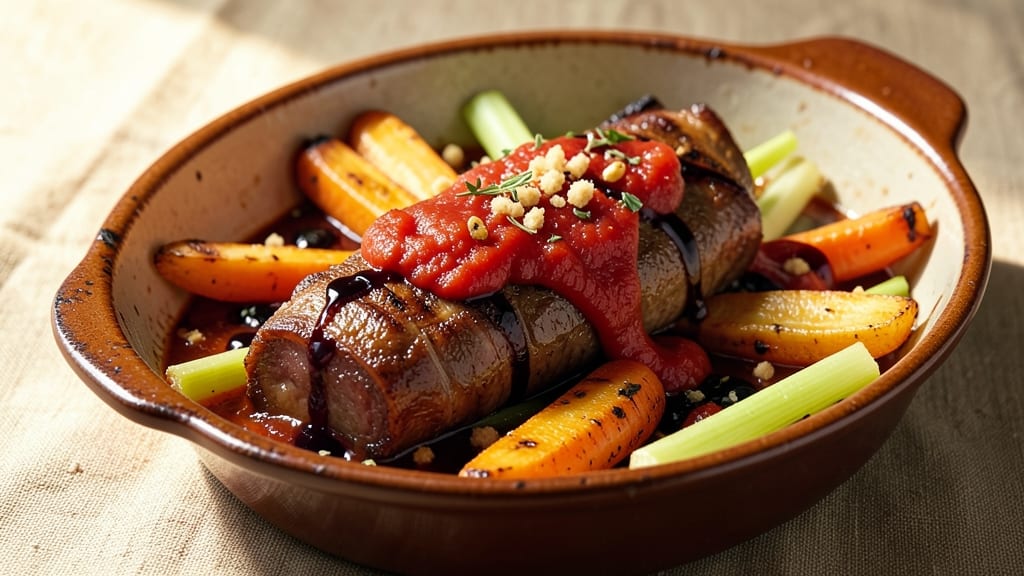
This beef tongue in tomato sauce recipe transforms a humble cut into melt-in-your-mouth perfection with just a few key techniques. The secret lies in slow cooking the tongue until tender, then simmering it in a rich, umami-packed tomato sauce that clings to every bite.
I developed this method after years of perfecting braising times and sauce balance, ensuring restaurant-quality results at home.
The process begins with marinating the tongue to break down collagen and infuse flavor, followed by a low-and-slow cook that renders it fork-tender. The tomato sauce—built with crushed tomatoes, aromatics, and a touch of sweetness—develops deep, complex flavors as it simmers alongside the meat.
This isn’t just a dish; it’s a transformative experience that turns a tough cut into something luxurious.
By the time you serve it, you’ll have silky, flavorful beef tongue with a sauce so rich it coats every bite. The texture is unmatched: tender yet firm, with a surface that practically dissolves at the first touch of your fork.
Pair it with crusty bread to soak up the sauce or serve alongside roasted vegetables for a complete meal.
Whether you’re using a slow cooker for convenience or a Dutch oven for traditional braising, this recipe adapts to your kitchen. The sauce freezes beautifully, too, making it perfect for meal prep. Let’s get started on this umami-packed masterpiece.
Ingredients for beef tongue in tomato sauce
Fourteen ingredients transform tough beef tongue into luxurious, sauce-drenched bites.
| Ingredient | Amount | Notes |
|---|---|---|
| Beef Tongue 🥩 | 2 lbs | Whole, fresh, skin-on preferred |
| Crushed Tomatoes 🍅 | 28 oz | San Marzano preferred, no salt added |
| Red Wine 🍷 | 1 cup | Bold, dry variety like Cabernet |
| Garlic Cloves 🧄 | 6 cloves | Peeled, smashed for deeper flavor |
| Carrots 🥕 | 2 whole | Medium, peeled, cut into chunks |
| Celery Stalks 🥬 | 2 whole | Fresh, tough strings removed |
| Onion 🧅 | 1 whole | Yellow or red, chopped |
| Tomato Paste 🍅 | 2 tbsp | No sugar added, smooth texture |
| Balsamic Vinegar 🍶 | 1 tbsp | Aged, for depth of flavor |
| Bay Leaves 🌿 | 2 whole | Fresh or dried, remove before serving |
| Black Peppercorns 🌶️ | 1 tsp | Freshly cracked, coarse grind |
| Sea Salt 🧂 | 1 ½ tsp | Diamond Crystal preferred |
| Olive Oil 🫒 | 2 tbsp | Extra-virgin, for initial searing |
| Fresh Thyme 🌿 | ¼ cup | Leaves only, finely chopped |
| Brown Sugar 🍚 | 1 tbsp | Light, balances acidity |
The beef tongue is the star—look for bright red, glossy surfaces at specialty butchers or high-end grocery stores like Whole Foods or Eataly. A whole tongue (skin-on) develops richer flavor, but pre-cut pieces work too. If buying frozen, thaw it overnight in the fridge—never at room temperature. The crushed tomatoes should be San Marzano if possible; their natural sweetness balances the acidity perfectly. I always grab a can of Mutti crushed tomatoes from the Italian section—they're worth the splurge for this dish.
No red wine? Substitute beef broth with 1 tbsp balsamic vinegar—it mimics the depth without alcohol. Fresh thyme unavailable? Dried thyme at one-third the amount works, but add it later to avoid bitterness. The tomato paste can be swapped for 1 cup tomato sauce if you're in a rush, though it won't be as concentrated. For the carrots and celery, frozen chopped veggies are a fine shortcut—they'll soften just as well during the long cook. If you're avoiding sugar entirely, omit the brown sugar and increase the balsamic to 2 tbsp instead.
The sauce freezes beautifully—portion it into airtight containers with a thin layer of olive oil on top to preserve freshness. Keeps for up to 3 months in the freezer, though the texture gets slightly grainier after thawing. For meal prep, I make double batches and freeze half—it's perfect for quick weeknight dinners. The beef tongue itself reheats well, but I prefer serving it at room temperature so the sauce clings perfectly. Store any leftovers in the fridge for up to 5 days, covered tightly with plastic wrap pressed directly on the sauce.
Why You'll Love This Recipe
- One-Pot Magic: I swear by this recipe when I’m too tired to wash a million dishes—just toss everything in one pot, simmer, and walk away. The beef tongue practically cooks itself, while the carrots and garlic soften into the sauce, so you’re left with zero cleanup.
- Rich, Deep Umami Bomb: That beef tongue? It’s like a flavor sponge—absorbs the red wine and tomatoes until it’s tender, juicy, and packed with that meaty satisfaction. Honestly, the first bite makes me close my eyes. (Yes, even on a Tuesday night.)
- Leftovers That Beg for More: This dish actually improves the next day—better flavors meld, the sauce thickens just right, and I’ve reheated it for lunch three times without getting sick of it. My kids even ask for seconds, and that’s saying something.
- Budget-Friendly Luxury: Beef tongue is cheaper than steak but feels like a fancy meal—especially when you’re simmering it in red wine and tomatoes. I’ll be real: it’s my go-to when I want to impress guests without breaking the bank. (They’ll never know it’s not filet.)
Step-by-step instructions for beef tongue in tomato sauce
This method transforms tough beef tongue into fork-tender, umami-rich bites with a velvety tomato sauce.
Prepare the Beef Tongue for Cooking
Begin by scoring the surface of the beef tongue in a crosshatch pattern with a sharp knife, being careful not to cut too deeply into the meat. This creates channels for the marinade to penetrate and ensures even cooking. Rinse the tongue under cold water and pat it completely dry with paper towels—this step is crucial for developing a crisp exterior later.
In a small bowl, combine the 1 cup red wine, 1 tbsp balsamic vinegar, 0.25 cup fresh thyme, 1 tbsp brown sugar, 1.5 tsp sea salt, and 1 tsp cracked black peppercorns. This marinade balances acidity, sweetness, and umami. Place the tongue in a resealable plastic bag, pour the marinade over it, and massage it gently to coat all surfaces. Refrigerate for at least 4 hours or overnight—this long marinating time is what transforms tough muscle into tender, flavorful meat.
Sear and Simmer the Tongue
Heat a large Dutch oven over medium-high heat and add the 2 tbsp olive oil. Once the oil shimmers, carefully remove the tongue from the marinade (reserve the marinade) and sear it on all sides until deeply browned, about 5-7 minutes per side. This step develops the rich, caramelized flavors that form the base of your sauce. Transfer the seared tongue to a plate and set aside.
In the same Dutch oven, add the 1 whole onion, 2 whole carrots, and 2 whole celery stalks, all chopped into ½-inch pieces. Sauté for 5 minutes until the vegetables begin to soften. Add the 6 smashed garlic cloves and cook for another 30 seconds until fragrant. Pour in the reserved marinade and scrape up any browned bits from the bottom of the pot—these bits are packed with flavor.
Build the Tomato Sauce
Stir in the 2 tbsp tomato paste and cook for 2 minutes until it darkens slightly. Add the 28 oz crushed tomatoes, 2 whole bay leaves, and bring the mixture to a gentle simmer. Return the seared tongue to the pot, submerging it completely in the liquid. The tongue should be just covered—if not, add a splash of water.
Reduce the heat to low and cover the pot with a lid. Let the tongue simmer gently for 2 hours, turning it occasionally to ensure even cooking. The sauce should reduce slightly, intensifying its flavors. You'll know the tongue is ready when it pulls away from the bone easily and a fork slides in with minimal resistance. The internal temperature should reach 195°F—this is the sweet spot for tender, melt-in-your-mouth texture.
Finish and Serve
Once the tongue is tender, carefully remove it from the pot and let it rest on a cutting board for 10 minutes. Skim any excess fat from the sauce and adjust the seasoning if needed. The tongue should be fork-tender and easily sliceable. Using a sharp knife, slice it into ½-inch thick pieces against the grain for maximum tenderness.
Return the sliced tongue to the pot and warm through for 2-3 minutes. Serve the tongue topped with the rich tomato sauce, garnished with additional fresh thyme if desired. This dish pairs beautifully with crusty bread or over polenta, soaking up every bit of that velvety sauce. The contrast of tender meat against the bright, acidic tomato sauce makes each bite unforgettable.
Pro Tips For Making Beef Tongue In Tomato Sauce
- Simmer Tongue Low and Slow: After boiling the tongue to blanch it, drop the heat to a bare simmer—think 160°F (70°C) or lower. I used to rush this, and the meat turned out chewy instead of meltingly tender. Two hours at this temperature, covered, is non-negotiable for a fork-tender result.
- Score Carrots First: Cut the carrots into even ½-inch chunks and parboil them for 5 minutes before adding to the sauce. This prevents them from turning to mush later—something that happens way too often when you toss them in raw. A quick drain and pat dry keeps the sauce from watering down.
- Deglaze with Wine Early: Add the red wine to the pan right after browning the garlic and searing the tongue pieces—don’t wait until later. The alcohol evaporates faster when the pan is still hot, leaving behind deeper flavor instead of a boozy aftertaste. Stir like you mean it to lift those browned bits.
- Salt the Tongue Twice: Sprinkle a heavy pinch of salt inside the tongue before the initial boil, then add another 1 teaspoon per pound of meat when you return it to the pot for simmering. The first layer seasons the interior, and the second ensures the sauce clings properly. (Yes, even if the recipe doesn’t mention it.)
Dietary considerations for this beef tongue in tomato sauce
Gluten-Free Adaptations
This recipe is naturally gluten-free, but always double-check your ingredients for hidden sources. The San Marzano crushed tomatoes and brown sugar are typically gluten-free, but some brands may contain additives. I use Diamond Crystal sea salt and extra-virgin olive oil, both gluten-free staples.
For extra flavor without gluten, add 1 tbsp gluten-free tamari to the marinade instead of some of the red wine. 🌾
Dairy-Free Considerations
The original recipe doesn’t contain dairy, but if you’re serving it alongside cheesy sides, keep that in mind. The sauce’s richness comes from the tomatoes, wine, and meat—not dairy. For a complete dairy-free meal, pair with roasted Brussels sprouts or garlic mashed cauliflower.
If you want to add creaminess to the sauce, stir in 2 tbsp coconut milk at the end for a subtle, dairy-free richness.
Low-Carb Modifications
To make this dish keto-friendly, skip the brown sugar and reduce the crushed tomatoes to 14 oz (half the original amount). The natural sweetness of San Marzano tomatoes will still shine. For extra flavor without carbs, add 1 tbsp erythritol or monk fruit sweetener to the marinade.
Serve with cauliflower mash or zucchini noodles to keep the meal low-carb while maintaining that hearty, satisfying texture. 🥦
Allergen-Friendly Swaps
For nut allergies, this recipe is already safe—just avoid cross-contamination if prepping with nuts elsewhere. If you’re avoiding tomatoes (e.g., due to acid sensitivity), replace the crushed tomatoes with 2 cups tomato-free marinara (check for gluten-free labels) or 1 cup beef broth + 1 tbsp balsamic vinegar for depth.
For a soy-free version, omit tamari entirely and boost umami with an extra ½ cup red wine in the marinade.
Protein-Packed Boost
This dish is already protein-rich, but if you want to amplify it, add ½ lb sliced mushrooms to the Dutch oven during the simmering phase. They absorb the sauce beautifully and add earthy depth.
For a high-protein side, serve with roasted chickpeas (tossed in olive oil and smoked paprika) or a Greek yogurt dip (if dairy isn’t a concern) with lemon and dill. 💪
Nutrition facts
Frequently asked questions
How long should I marinate the beef tongue for best results?
The marinating time is key for tenderizing the tough cut. For optimal results, marinate the beef tongue for at least 4 hours, but overnight (8-12 hours) yields the most dramatic texture improvement. The acidity in the red wine and balsamic vinegar breaks down collagen fibers, transforming the meat into silky perfection.
Can I use a slow cooker instead of a Dutch oven?
Transfer the seared tongue and sauce to a slow cooker and cook on low for 6-8 hours or high for 4-5 hours. The slow cooker maintains gentle heat, which is ideal for tenderizing the meat. Just ensure the tongue is fully submerged in liquid throughout cooking to prevent drying.
Why does my beef tongue turn out rubbery instead of tender?
Rubbery texture usually means the cooking time wasn't long enough or the heat wasn't low enough. Beef tongue needs to reach an internal temperature of 195°F for true tenderness. If using a Dutch oven, simmer uncovered for the final 30 minutes to reduce excess moisture. For extra insurance, add 1 cup beef broth to the pot halfway through cooking.
What's the best way to store leftovers?
Store the beef tongue and sauce in an airtight container in the refrigerator for up to 5 days. For longer storage, freeze the sauce separately (it keeps for 3 months) and thaw the tongue in the fridge overnight before reheating. To serve, gently warm the sauce and reheat the tongue in a skillet with a splash of water to maintain moisture.
Can I make this recipe without red wine?
Yes! Replace the red wine with 1 cup beef broth plus 1 tbsp balsamic vinegar to maintain acidity and depth. For extra umami, add 1 tsp soy sauce or 1 tbsp Worcestershire sauce to the marinade. The sauce will still develop rich flavors, though the wine adds a unique complexity that's hard to replicate.