
Sauces & Condiments
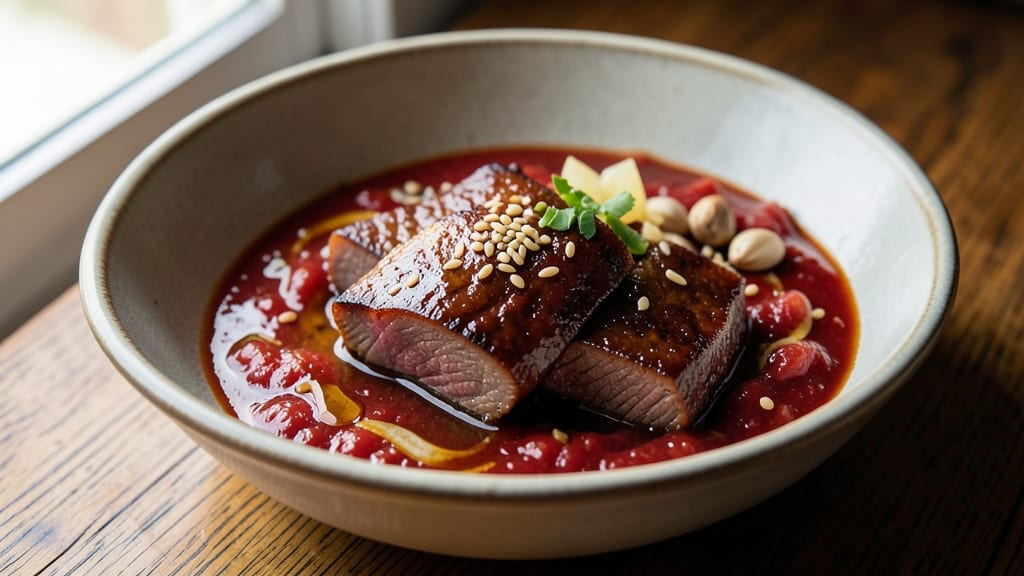
This beef tongue sauce recipe transforms simple pantry staples into a deep umami glaze that elevates any braised or roasted beef tongue dish. The secret lies in slow simmering vinegar, tomatoes, and aromatic spices until the sauce reduces into a rich, velvety consistency that clings perfectly to tender meat.
After years of perfecting this technique, I’ve found that patience—letting flavors meld over 30 minutes—makes all the difference between good and extraordinary.
The beauty of this sauce is its versatility; it works equally well for braised, roasted, or even grilled beef tongue, delivering a balance of tangy, sweet, and savory notes.
The base ingredients—tomato paste, red wine vinegar, and beef broth—create a foundation that’s both bold and approachable, while a touch of brown sugar adds depth without overpowering. What sets this recipe apart is how it transforms tough cuts into something luxurious, all while keeping prep simple.
What you’ll end up with is a glossy, sticky-sweet glaze that caramelizes beautifully when brushed onto cooked tongue, locking in moisture and flavor. The sauce thickens naturally as it reduces, creating a perfect balance of richness and acidity that cuts through the meat’s natural richness.
It’s the kind of condiment that turns a simple protein into a showstopper—ideal for serving at dinner parties or meal prepping for the week.
Once made, this sauce keeps well in the refrigerator for up to 5 days or can be frozen for 3 months, making it a go-to for batch cooking.
Whether you’re preparing a special meal or stocking your pantry for quick weeknight dinners, this recipe delivers restaurant-quality results with minimal effort. Let’s get started on creating your perfect glaze.
Ingredients for beef tongue sauce
Pantry staples and aromatic spices create this luxurious umami glaze for beef tongue.
| Ingredient | Amount | Notes |
|---|---|---|
| Tomato Paste 🍅 | 2 tbsp | High-quality, no sugar added |
| Red Wine Vinegar 🍷 | ½ cup | Dry, aged variety preferred |
| Beef Broth 🍲 | 1 ½ cups | Homemade or low-sodium store-bought |
| Brown Sugar 🍬 | 2 tbsp | Light or dark preferred |
| Yellow Onion 🧅 | ½ cup | Finely diced, medium size |
| Garlic Cloves 🧄 | 4 cloves | Mince finely for depth |
| Fresh Ginger 🌿 | 1 tbsp | Finely grated, fresh preferred |
| Soy Sauce 🍜 | 2 tbsp | Dark or light preferred |
| Worcestershire Sauce 🍯 | 1 tbsp | High-quality, full-bodied |
| Dried Thyme 🌿 | 1 tsp | Or 1 tbsp fresh, finely chopped |
The foundation starts with high-quality tomato paste—avoid brands with added sugar or preservatives. Red wine vinegar should be dry and aged (like Bartles & Jaymes or Bragg), as it provides the necessary acidity without overpowering. Beef broth is critical; homemade yields deeper flavor, but Swanson or Pacific Foods low-sodium options work well in a pinch. For the sweetness, light brown sugar caramelizes beautifully, but muscovado adds molasses notes if you prefer complexity. The yellow onion should be sweet and fresh—Vidalias work best, but any yellow variety will suffice. Garlic and ginger are non-negotiable for umami depth; Organic Basics or Whole Foods Market brands ensure purity.
No red wine vinegar? Apple cider vinegar at the same quantity works, though flavor will differ slightly. Substitute honey or maple syrup for brown sugar if avoiding refined sugar, but reduce by 10% due to moisture differences. Soy sauce can be swapped for coconut aminos (1:1), though umami intensity will vary. Worcestershire sauce is essential for its fermented depth—Lea & Perrins is the gold standard, but Annie’s is a budget-friendly alternative. Fresh thyme is ideal, but dried thyme from Penzeys retains flavor well when stored properly. For extra richness, add 1 tbsp of balsamic vinegar during reduction—it enhances the caramelization without altering the sauce’s balance.
This sauce thickens as it reduces, so store it in an airtight glass jar in the fridge for up to 5 days. For longer storage, freeze in ice cube trays—thaw and reheat gently for best texture. The glaze reheats beautifully; simmer for 5-7 minutes to restore its velvety consistency. Portion into small containers if prepping for meal prep—it pairs perfectly with roasted or braised beef tongue. Avoid reheating in the microwave, as it can separate the sauce’s delicate emulsion.
Why You'll Love This Recipe
- Pantry Magic: That red wine vinegar and brown sugar combo? It’s the secret weapon here. No fancy ingredients—just what you already have—and it transforms beef tongue into something so rich, you’ll forget it’s not a restaurant dish.
- One-Pot Wonder: Simmer the onion, stir in the tomato paste, add broth—done. The sauce thickens as it cooks, so you’re not left with a watery mess. Honestly, I’ve made this on nights when I just wanted to sit down, not slave over the stove.
- Leftovers That Shine: This sauce keeps for days, and it only gets better. Toss it with pasta, drizzle it over grilled meats, or even slather it on toast—it’s the kind of leftovers that actually make you happy to see them in the fridge.
- Budget-Friendly Luxury: You’re using beef tongue, which is already a steal, and the rest of the ingredients? Cheap as chips. Yet it tastes like you spent hours perfecting it. Between us, this is how I feed my family well without breaking the bank.
Step-by-step instructions for beef tongue sauce
This umami-rich glaze transforms simple pantry staples into a velvety, complex sauce worthy of any braised beef tongue.
Bloom the Aromatics in a Heavy Saucepan
Combine the 0.5 cup finely diced yellow onion and 4 cloves minced garlic cloves in a heavy-bottomed saucepan. Heat over medium-low heat with 1 tablespoon finely grated fresh ginger until the onions soften and release their sweetness—about 5-7 minutes. You'll notice the mixture darkens slightly and emits an intense, aromatic steam.
This slow cooking process develops the base flavors without burning them. If the onions begin to brown too quickly, reduce the heat immediately. The goal is to create a fragrant foundation that will carry through the entire sauce. Keep the pan uncovered to allow moisture to evaporate gradually.
Develop the Sauce Base with Vinegar and Tomato Paste
Add the 2 tablespoons tomato paste and stir vigorously to coat the aromatics completely. Cook for 1-2 minutes until the raw taste of the tomato paste disappears. Then pour in the 0.5 cup red wine vinegar and scrape up any browned bits from the bottom of the pan—these contain concentrated flavor.
The vinegar will bubble vigorously at first, but allow it to simmer for 3-4 minutes until it reduces by half. This step builds the sauce's acidity and depth. If you notice the mixture becoming too thick, add 1-2 tablespoons beef broth to maintain proper consistency. The sauce should coat the back of a spoon but remain pourable.
Build Complexity with Broth and Sweet-Savory Balance
Pour in the 1.5 cups beef broth and bring to a gentle simmer. Add the 2 tablespoons brown sugar, 2 tablespoons soy sauce, 1 tablespoon Worcestershire sauce, and 1 teaspoon dried thyme, stirring constantly to dissolve the sugar completely. Reduce heat to low and let the sauce simmer uncovered for 15-20 minutes until it thickens noticeably.
During this time, the flavors will meld into a harmonious balance of sweet, salty, and umami notes. Stir occasionally to prevent sticking, and taste frequently to monitor the seasoning. The sauce should coat a spoon with a glossy finish but remain smooth rather than syrupy. If it reduces too quickly, add small amounts of broth as needed.
Refine and Finish the Sauce
Once the sauce reaches your desired consistency—thick enough to coat the back of a spoon but still pourable—remove it from heat. Taste and adjust seasoning if needed, adding a pinch more soy sauce for saltiness or a splash of vinegar for acidity. The sauce should be rich, slightly tangy, and deeply savory with a hint of sweetness.
For a velvety texture, strain the sauce through a fine-mesh sieve to remove any remaining solids. Return it to the pan and simmer gently for an additional 5 minutes to ensure all flavors are fully integrated. This sauce pairs beautifully with braised beef tongue, rice, or even as a glaze for grilled meats. Let it cool slightly before serving to allow the flavors to settle.
Pro Tips For Making Beef Tongue Sauce
- Bloom the Paste: DESCRIPTION: Dump that tomato paste in cold, then whisk in a splash of beef broth before heating. I used to just toss it raw—now the sauce builds flavor faster and doesn’t clump like a sad glue.
- Sweat Onions Low: DESCRIPTION: Cook those onions at medium-low until they’re golden and almost caramelized—about 15 minutes. Rushing this step means your sauce will taste raw and bitter, not rich and deep.
- Vinegar First: DESCRIPTION: Add the red wine vinegar before the brown sugar, then let it simmer for 2 minutes. This cuts the sharpness and lets the sugar melt smoothly—skip this, and you’ll end up with a sauce that tastes like a fight broke out in your pot.
- Skim the Scum: DESCRIPTION: When the beef broth starts simmering, skim off any foam or fat that rises to the top. It’s gross to do, but it keeps your sauce silky instead of greasy—trust me, your future self will notice.
Make-ahead tips for beef tongue sauce
Prep Ahead Sauce Base
Make the aromatic foundation the night before to deepen flavors. Sauté 0.5 cup diced onion, 4 garlic cloves, and 1 tbsp ginger in a heavy pan until golden, then refrigerate in an airtight container.
The onions will soften further overnight, intensifying their sweetness. This step alone saves 15 minutes of active prep time the next day. 💡
Freezer-Friendly Portions
Divide the completed sauce into ice cube trays or small silicone molds before freezing. Each cube equals roughly 1 tbsp—perfect for glazing individual servings. Thaw overnight in the fridge or reheat directly from frozen in a saucepan with 1 tbsp water for 3-4 minutes over medium heat.
This method preserves texture better than reheating from a jar. ❄️
Broth Reduction Shortcut
Simmer the sauce uncovered in a non-stick skillet instead of a pot to reduce faster. The wider surface area increases evaporation, cutting reduction time from 20 minutes to 12-15 minutes. Just stir occasionally to prevent sticking. I use my All-Clad stainless steel skillet for even heat distribution. 🔥
Sauce Storage Containers
Use glass mason jars with screw-top lids for fridge storage—they preserve flavor better than plastic. Leave 1 inch headspace to prevent condensation from diluting the sauce.
For meal prep, portion into 4-ounce glass jars (about ½ cup each) so you can grab exactly what you need without thawing the whole batch. 📦
Reheating for Best Texture
Never microwave this sauce—it separates into oily layers. Instead, reheat in a small saucepan over low heat with 1-2 tbsp water until simmering. The water helps restore the sauce's natural glossiness.
If it thickens too much, stir in ½ tsp red wine vinegar to rebalance the consistency. This method keeps it velvety every time. 💫
Flavor Boost Before Serving
For an instant upgrade, finish reheated sauce with ½ tsp fish sauce (for umami depth) or a pinch of smoked paprika (for warmth). Add these just before serving so flavors remain vibrant. I also like a final drizzle of high-quality olive oil—about 1 tsp per serving
Nutrition facts
Frequently asked questions
Can I make this sauce without red wine vinegar?
Yes, substitute with apple cider vinegar or balsamic vinegar in equal amounts. For a milder tang, use white wine vinegar, but expect slightly less depth. The acidity is key for balancing sweetness—just ensure the vinegar is dry and aged for best results.
How do I prevent the sauce from becoming too thick?
Add 1-2 tablespoons beef broth gradually while simmering if the sauce thickens too quickly. Keep heat at low-medium and stir frequently. The ideal consistency coats the back of a spoon but remains pourable—like heavy cream.
Can I use this sauce for other meats besides beef tongue?
It works beautifully on pork tenderloin, chicken thighs, or even tofu for a vegetarian version. The umami-rich glaze clings well to proteins with moisture, making it versatile for braising, roasting, or grilling.
Why does my sauce taste bitter?
Bitterness usually comes from over-reducing or using low-quality vinegar. Reduce heat immediately if the sauce darkens too much. For prevention, use aged red wine vinegar (like Bartles & Jaymes) and avoid boiling—simmer gently instead.
How long does it take to make this sauce?
Active prep takes about 20 minutes, but total time is 30-40 minutes including simmering. The slow reduction is key for developing deep flavors—don’t rush it! For faster results, use a wider pan (like a skillet) to speed up evaporation.