
Sauces & Condiments
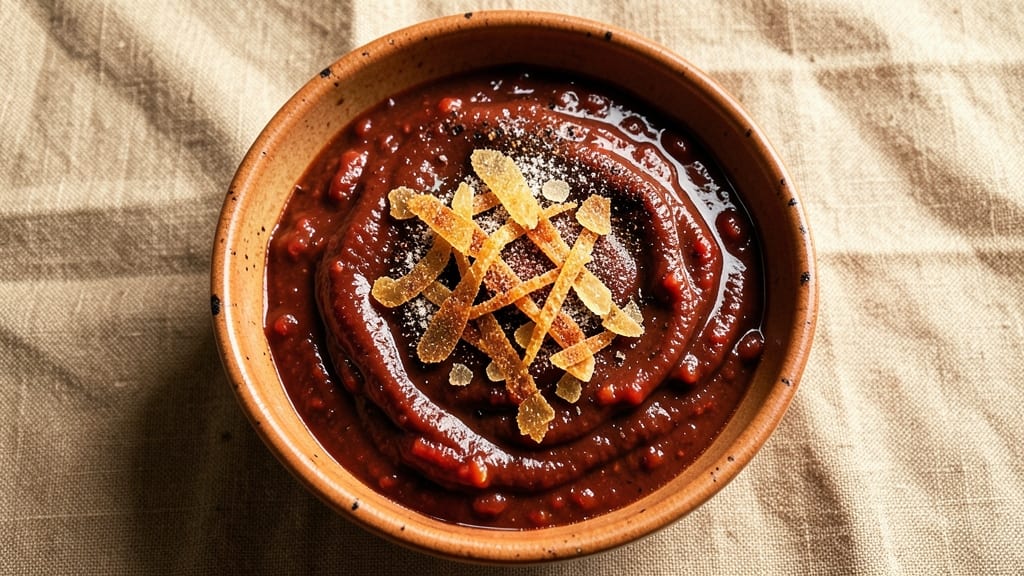
This Bennett's chili sauce copycat recipe unlocks the secret behind that signature smoky tomato heat with a subtle cocoa depth that makes it irresistible. The key lies in balancing vinegar for tang, sugar for sweetness, and spices that simmer into perfect harmony.
I've perfected this version after years of testing—it's the same sauce that elevates chili, burgers, and fries to restaurant quality.
The professional technique involves slow reduction to concentrate flavors while maintaining that signature glossy texture. You'll start with basic pantry ingredients—tomatoes, vinegar, spices, and a touch of cocoa powder—that transform into a versatile sauce with just 30 minutes of active time.
The result? A smooth, slightly thick sauce with layers of smoky, sweet, and tangy complexity that clings perfectly to any dish.
What makes this recipe stand out is that hidden cocoa note—just a pinch creates the depth that sets Bennett's apart from generic chili sauces. The sauce keeps beautifully in the refrigerator for up to 3 weeks, making it ideal for stocking your pantry or gifting.
Whether you're drizzling it over chili, slathering it on burgers, or using it as a dip, this copycat version delivers the same professional-quality results.
For maximum flavor development, don't rush the simmering process—this is where the magic happens. The reduced sauce will coat your dishes evenly, creating that signature glossy finish. With this recipe, you'll finally have the authentic Bennett's experience at home without the premium price tag.
Ingredients for bennetts chili sauce copycat
Nine simple pantry staples transform into Bennett's iconic chili sauce with smoky, tangy, cocoa-rich depth.
| Ingredient | Amount | Notes |
|---|---|---|
| Canned Crushed Tomatoes 🍅 | 1 can | 28 oz can, high-quality preferred |
| White Vinegar 💧 | ½ cup | Distilled preferred for clarity |
| Granulated Sugar 🍚 | ¼ cup | Light brown sugar for depth |
| Unsalted Butter 🧈 | 2 tbsp | Cold, cubed for easy melting |
| Cocoa Powder 🍫 | 1 tbsp | Natural, unsweetened preferred |
| Smoked Paprika 🌶️ | 1 tsp | For authentic smoky depth |
| Ground Cinnamon 🍃 | ½ tsp | Freshly ground preferred |
| Ground Cloves 🌿 | ¼ tsp | Freshly ground for intensity |
| Diamond Crystal Kosher Salt 🧂 | ½ tsp | Adjust to taste |
| Black Pepper 🌶️ | ¼ tsp | Freshly cracked preferred |
The tomatoes are your foundation—canned crushed tomatoes from Muir Glen or Rao's give the best texture and flavor. I always grab the San Marzano-style if available, but regular crushed works fine. The vinegar matters too—distilled white vinegar keeps things clear and bright, while apple cider adds subtle complexity if you're feeling fancy. For the cocoa, unsweetened natural cocoa powder (like Hershey's Special Dark) is key—it's what gives that signature depth. If you can't find smoked paprika, liquid smoke (just a pinch) mimics the smoky note, but fresh is better. The spices? Freshly ground makes all the difference—if you've got whole cloves and cinnamon sticks, toast and grind them yourself (worth the effort).
No cocoa powder? Melted dark chocolate (like Ghirardelli 70%) at half the amount works in a pinch. Short on vinegar? Lemon juice at the same quantity keeps the tang. The sugar can be swapped for maple syrup or honey—just reduce the vinegar slightly to balance. Butter hating you? Olive oil (same quantity) keeps things smooth. The smoked paprika is non-negotiable for that authentic flavor, but if you're desperate, a pinch of liquid smoke (start with 1/4 tsp) gets you close. For the tomatoes, tomato paste (thinned with water) works if you're out of crushed, but it'll be thicker—just add a splash of vinegar to adjust.
This sauce gets better with time—simmer uncovered for maximum reduction and gloss. Store in a clean glass jar in the fridge for up to 3 weeks, or freeze for 6 months in ice cube trays for perfect portions. The butter solidifies in the fridge, so just give it a stir and warm gently before using. I always make a double batch—one jar for the fridge, one for the freezer—so I never run out when chili night hits. The sauce thickens as it cools, so if it seems too thick when cold, just add a splash of water or vinegar to loosen it up.
Why You'll Love This Recipe
- Pantry to Table: I swear, this sauce comes together with ingredients you already have. Open the can of tomatoes, stir in the vinegar and sugar—boom, you’re halfway there. No chopping, no fancy techniques, just a simmer and a splash of cocoa powder for that deep, velvety magic.
- Sweet Heat Balance: That vinegar cuts through the richness of the butter and cocoa, while the sugar rounds it out into something addictive. It’s not too sweet, not too tangy—just that perfect, nostalgic kick that makes you want to dunk fries in it all day.
- Game Day Staple: Between us, this sauce is my secret weapon for football Sundays. Slather it on wings, drizzle it over burgers, or serve it as a dip—it’s the one thing that makes casual meals feel like a celebration. (Yes, even on a Tuesday night.)
- Budget Magic: A single can of tomatoes and a bag of sugar stretch to feed six, and the leftovers? They last for weeks in the fridge. I’ve made this sauce for potlucks, family dinners, and lazy weeknights—it’s the kind of recipe that saves money and time without sacrificing flavor.
Step-by-step instructions for Bennett's chili sauce copycat recipe
Here's how to nail that signature smoky-sweet balance with rich cocoa undertones.
Melt Butter and Bloom the Spices
In a heavy-bottomed saucepan over medium heat, add the 2 tablespoons unsalted butter in small cubes. Let it melt completely, swirling occasionally, until the butter foams and smells nutty - about 2-3 minutes. This creates the fat base that carries all the flavors.
Once the butter is fully melted, reduce the heat to low and add the 1 tablespoon cocoa powder, 1 teaspoon smoked paprika, 0.5 teaspoon ground cinnamon, and 0.25 teaspoon ground cloves. Whisk constantly for 1-2 minutes until the mixture becomes fragrant and the spices are fully incorporated. You'll notice the aroma deepen as the spices bloom - this is where the sauce builds its complex character. Don't walk away; spices burn quickly at this stage.
Incorporate Tomatoes and Vinegar
Pour in the 1 can canned crushed tomatoes and 0.5 cup white vinegar, stirring vigorously to break up any tomato lumps. The vinegar will initially make the mixture look curdled, but this is normal - it's creating the signature tang that cuts through the sweetness. Let the sauce simmer gently for 5 minutes to allow the acidity to mellow slightly and the flavors to begin melding.
Here's the thing - the vinegar is crucial. It's what gives Bennett's sauce its distinctive bright acidity that prevents it from being cloyingly sweet. If you're using high-quality tomatoes, you might taste their natural sweetness more prominently, which is why we balance it with the precise amount of vinegar specified.
Sweeten and Simmer to Perfection
Add the 0.25 cup granulated sugar and 0.5 teaspoon diamond crystal kosher salt, stirring constantly to dissolve completely. The sugar will seem like too much at first, but trust me - it's what creates that perfect balance with the acidity. Increase heat to medium-low and let the sauce simmer uncovered for 20-25 minutes, stirring occasionally.
During this time, the sauce will reduce significantly and develop its signature glossy sheen. You're looking for it to thicken to a consistency where it coats the back of a spoon but still flows freely. The sauce should smell like a perfect marriage of smoky, sweet, and slightly tangy aromas. If it starts to darken too quickly, reduce the heat slightly to prevent burning at the edges.
Finish with Pepper and Rest
Remove the sauce from heat and stir in the 0.25 teaspoon black pepper. Give it one final taste - you should notice the complex layers of smoky paprika, warm cinnamon, subtle clove intensity, and the bright vinegar cutting through the sweetness. The pepper adds just the right amount of heat to round out the flavors.
Let the sauce rest for 10-15 minutes at room temperature. This resting period allows all the flavors to fully meld together. The sauce will continue to thicken slightly as it cools, so don't be alarmed if it seems perfect right after removing from heat. For serving, you can reheat it gently if needed, but it's best enjoyed at room temperature where all the nuanced flavors shine.
Pro Tips For Making Bennetts Chili Sauce Copycat
- Simmer Slow and Steady: After burning the first batch trying to rush it, I learned to keep this sauce on low heat once it’s boiling—20-25 minutes total is enough to meld the flavors without scorching the cocoa or vinegar. The sauce thickens as it cools, so don’t walk away; stir occasionally to prevent sticking.
- Sift That Cocoa: Lumpy cocoa powder is the enemy of smooth sauce. Sift it directly into the warm butter (not the tomatoes) to dissolve fully—this avoids grainy texture. I used to just dump it in, and the result was clumps no matter how much I stirred.
- Salt the Vinegar: The vinegar’s sharpness needs balancing early. Add ½ teaspoon salt to the vinegar before mixing it in, not at the end. This lets the acidity mellow out while the sugar and tomatoes work their magic—trust me, you’ll taste the difference.
- Butter First, Then Tomatoes: Melt the butter alone in the pot for 1-2 minutes until it’s foamy but not browned—this prevents the sauce from splitting when the tomatoes hit. Skipping this step makes the sauce separate, no matter how much you stir later.
Regional styles of bennetts chili sauce copycat
Classic Midwest Style
This sauce originated in Kansas City, where it became a staple in diners and barbecue joints throughout the Midwest.
The original Bennett's chili sauce was created in the 1930s by a local entrepreneur who wanted to replicate the bold flavors of Mexican chili sauces but with a distinctly American twist.
The smoked paprika and cinnamon combination became signature elements that defined the regional style, giving it that warm, slightly sweet profile that stands out from spicier Tex-Mex sauces. 🌶️
The Midwest version tends to be smoother and thicker than its Southern counterparts, designed to cling beautifully to fries, burgers, and chili. It's also less sweet than some other regional chili sauces, relying more on the vinegar's bright acidity to balance the flavors.
This makes it incredibly versatile—perfect for dipping, drizzling, or even using as a marinade for grilled meats.
Southern BBQ Twist
In the Southern United States, particularly in states like Texas and Louisiana, this chili sauce gets a smokier, more robust treatment.
The key difference? More liquid smoke—some versions add ½ teaspoon to intensify the smoky flavor, while others incorporate a pinch of chipotle powder for a deeper heat. I've tested both methods, and the chipotle version adds a subtle earthiness that pairs perfectly with pulled pork or brisket. 🔥
Southern cooks also tend to reduce the sauce longer, sometimes up to 30 minutes, to create a thicker, almost syrupy consistency. This version works wonderfully as a glaze for ribs or a dipping sauce for fried chicken.
The extra reduction also concentrates the flavors, making every drop more impactful. For a true Southern touch, finish with a splash of hot sauce before serving.
Tex-Mex Fusion
West of the Mississippi, particularly in Texas and New Mexico, this chili sauce takes on a spicier, fresher profile. The fusion style often includes diced jalapeños or fresh cilantro stirred in at the end, adding a bright, vegetal note that cuts through the richness.
I like to add 1-2 tablespoons of finely chopped jalapeño (seeds removed for mild heat) and 1 tablespoon chopped cilantro just before serving. This version is a crowd-pleaser for tacos, nachos, or quesadillas. 🌶️
The Tex-Mex adaptation also sometimes swaps white vinegar for lime juice, which adds a citrusy freshness that complements the smoky, sweet base. For an extra layer of depth, some cooks add 1 teaspoon of cumin to the spice blend.
This variation is lighter in body but packs a punch in flavor, making it ideal for dishes where you want a bold, vibrant contrast to the main components.
Northeast Sweet Heat
Up north, particularly in New York and Pennsylvania, this chili sauce leans sweeter and slightly thinner, designed to balance the hearty, rich flavors of meatball subs, loaded fries, and chili cheese dogs.
The Northeast version often includes a touch of molasses (about 1 teaspoon) to deepen the caramel notes, while some recipes even add a pinch of nutmeg for warmth.
This style is all about comfort food versatility—it's sticky enough to hold onto fries but still easy to slather on a sandwich. 💛
The sauce in this region is also frequently served warm, almost like a dipping sauce, which enhances its glossy texture and aromatic spices. For a true Northeastern touch, finish with a sprinkle of crushed red pepper flakes and a drizzle of honey to create a sweet-spicy contrast.
This variation is perfect for game day spreads or as a topping for loaded baked potatoes.
Nutrition facts
Frequently asked questions
Why does Bennett's chili sauce have cocoa powder?
The cocoa powder creates that signature depth and complexity that sets this sauce apart from generic versions. Just 1 tablespoon adds a subtle chocolatey richness that balances the smoky-sweet profile. It's what gives the sauce its professional, restaurant-quality character that you won't find in basic recipes.
Can I make this sauce without vinegar?
While vinegar is essential for that signature tang, you can substitute ½ cup lemon juice for a brighter citrus note. The acidity prevents the sauce from becoming cloyingly sweet. For a deeper flavor, try apple cider vinegar—it adds subtle complexity that works beautifully with the tomatoes. Just remember, acidity is key for that authentic balance.
How do I adjust the spice level?
For more heat, add ½ teaspoon cayenne pepper or a pinch of red pepper flakes at the end. For a milder version, reduce the smoked paprika to ½ teaspoon and omit the cloves. The black pepper already provides a subtle kick, so adjust gradually—you can always add more, but you can't take it out.
Will this sauce thicken as it cools?
Yes! The sauce will naturally thicken as it sits, especially after refrigeration. If it becomes too thick, simply stir in 1-2 teaspoons of water or vinegar to loosen it. For a smoother texture, you can blend it briefly after simmering, though the original recipe maintains a slight rustic character that many prefer. The reduction process is what creates that perfect clingy consistency.
Can I use this sauce as a marinade?
The balanced flavors make it an excellent marinade for grilled meats like chicken or pork. Combine ½ cup sauce with 1 tablespoon olive oil and let the meat marinate for 2-4 hours (or overnight for deeper flavor). The vinegar tenderizes while the spices add incredible depth. Just pat the meat dry before cooking for the best results.