
Sauces & Condiments
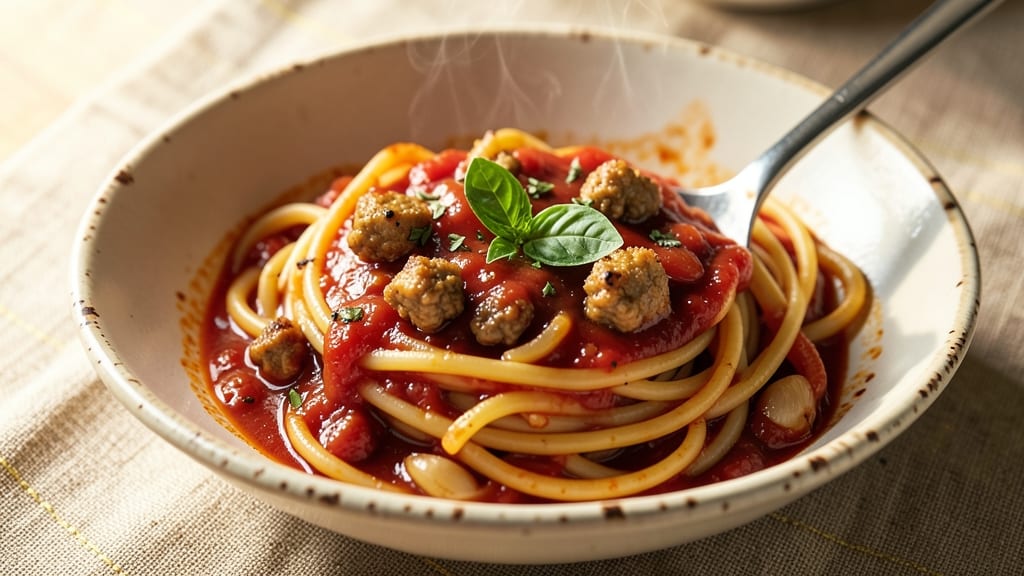
There's nothing quite like the rich, aromatic depth of grandma's spaghetti sauce recipe, simmered low and slow until every ingredient melts into perfect harmony. This isn't just sauce—it's a taste of home, where tomatoes caramelize into velvety sweetness and herbs infuse every spoonful with nostalgia.
I learned this method from my grandmother, who swore by the 4-hour simmer that transforms simple ingredients into something extraordinary.
The secret lies in the technique: browning onions and garlic until deep golden, deglazing the pot to capture all those flavorful bits, and letting the sauce reduce naturally. Ground beef or Italian sausage can be added for heartiness, but the sauce shines just as beautifully on its own.
The result is a sauce so deeply flavorful, it turns ordinary pasta into a meal that feels like a family reunion.
What makes this sauce truly special is its versatility—it freezes beautifully for future dinners, pairs perfectly with any pasta shape, and tastes even better the next day as flavors meld further.
The aroma alone will have everyone gathering around the table, and the first bite delivers that comforting, familiar taste that only slow-cooked tomato sauce can provide.
This recipe is more than just instructions—it's a connection to tradition, a way to recreate the warmth of home in every bowl. Ready to bring that classic flavor to your kitchen? Let's get started with the ingredients you'll need for both the sauce and the pasta.
Ingredients for grandma's spaghetti sauce
Sixteen essential ingredients transform into Grandma's legendary slow-simmered spaghetti sauce.
| Ingredient | Amount | Notes |
|---|---|---|
| Extra-Virgin Olive Oil 🫒 | ½ cup | High-quality, fruity variety |
| Yellow Onions 🧅 | 2 whole | Medium-sized, finely chopped |
| Garlic Cloves 🧄 | 6 cloves | Fresh, peeled and minced |
| Ground Beef 🥩 | 1 ½ lb | 80/20 fat ratio preferred |
| Canned San Marzano Tomatoes 🍅 | 28 oz | Whole peeled tomatoes |
| Tomato Paste 🍅 | ½ cup | High-quality, no sugar added |
| Dry Red Wine 🍷 | ½ cup | Bold Cabernet Sauvignon |
| Fresh Basil Leaves 🌿 | ½ cup | Packed, stems removed |
| Fresh Oregano 🌿 | ¼ cup | Chopped, or substitute dried |
| Bay Leaves 🍃 | 2 whole | Dried, removed before serving |
| Salt 🧂 | 1 ½ tsp | Diamond Crystal kosher |
| Black Pepper 🌶️ | ½ tsp | Freshly ground |
| Spaghetti 🍝 | 1 lb | High-quality, dried pasta |
| Parmesan Cheese 🧀 | ½ cup | Freshly grated from block |
The quality of your tomatoes and olive oil makes all the difference here. San Marzano canned tomatoes from Whole Foods or Trader Joe's have that perfect balance of sweetness and acidity—look for the 'DOP' label to ensure authenticity. For the olive oil, California Extra Virgin brands like Corto or Otto add fruity depth without overpowering. The ground beef should be 80/20 fat ratio for maximum flavor—Butcher Shop or Costco selections work best. Fresh herbs are non-negotiable for that authentic taste; dried can substitute but won't capture the same brightness. Store your tomatoes in a cool, dark place for up to 2 weeks after opening, and keep your herbs in the fridge wrapped in damp paper towels for maximum freshness.
No red wine on hand? Substitute with beef broth and a splash of balsamic vinegar—it adds similar depth. Out of fresh basil? Dried basil at one-third the amount works in a pinch, though it lacks the vibrant flavor. The tomato paste can be swapped for crushed tomatoes if needed, though it won't provide the same concentrated richness. For a vegetarian version, simply omit the beef and add mushrooms or lentils for heartiness. If you're using pre-minced garlic, toast it first in the olive oil to deepen its flavor—this simple step makes a noticeable difference. The spaghetti should be al dente when cooked; De Cecco or Barilla brands are reliable choices that hold up well to the sauce's acidity.
This sauce develops even better flavors when refrigerated overnight, so plan ahead if possible. It keeps for 5 days in the fridge or 6 months in the freezer—portion into airtight containers for easy reheating. For best results, thaw frozen portions in the fridge and reheat gently on the stove. The Parmesan cheese should be grated fresh before serving to maintain its sharp flavor. Store your dried pasta in an airtight container in a cool, dark place for up to 1 year to preserve freshness. When reheating, add a splash of water or pasta water to prevent the sauce from thickening too much.
Why You'll Love This Recipe
- No-Chop Night: I swear by this—just dice the onion while the beef browns. No fancy prep, no messy knife work. The San Marzano tomatoes handle the rest.
- Garlic Bomb: That first sizzle of minced garlic in olive oil? It’s where the magic happens. Deep, toasty, and just sweet enough without burning—exactly how my grandma taught me.
- Pot Luck Hero: Serve it over pasta for dinner, stuff it in lasagna for Sunday, or freeze half for when you’re too tired to cook. This sauce doesn’t judge your plans.
- Budget Win: Ground beef and a can of tomatoes stretch for a week’s worth of meals. Honestly, I’ve fed a houseful of college kids on this—cheap, filling, and they never noticed the price tag.
Step-by-step instructions for grandma's spaghetti sauce
Here's the classic method that delivers rich, slow-cooked tomato depth every time.
Brown the Ground Beef and Sauté Aromatics
Heat the 0.5 cup extra-virgin olive oil in a large Dutch oven over medium-high heat. Add the 1.5 lb ground beef and break it apart with a wooden spoon, cooking until fully browned and any released liquid evaporates. This should take about 8-10 minutes—don't rush it, as browning develops deep flavor.
Once the beef is browned, reduce heat to medium and add the 2 whole yellow onions and 6 cloves garlic cloves. Cook for 5-6 minutes until the onions soften and become translucent, stirring occasionally. You'll smell the garlic release its sweet aroma—this is when it's ready. Be careful not to let the garlic burn, as it can turn bitter quickly.
Build the Sauce Base with Wine and Tomatoes
Pour in the 0.5 cup dry red wine and scrape up any browned bits from the bottom of the pot with a wooden spoon. This deglazing step captures all the flavor you've built so far. Let the wine simmer for 2-3 minutes until it reduces by half and the alcohol cooks off—you'll notice the aroma changes from sharp to mellow.
Add the 0.5 cup tomato paste and stir to combine, letting it cook for 1 minute until it darkens slightly. Then add the 28 oz canned San Marzano tomatoes, breaking them up with your hands. Stir in the 2 whole bay leaves, 1.5 tsp salt, and 0.5 tsp black pepper. Bring the mixture to a gentle simmer, then reduce heat to low and let it cook uncovered for 45 minutes.
Simmer and Develop Deep Flavor
After the initial simmer, stir in the 0.5 cup fresh basil leaves and 0.25 cup fresh oregano. These herbs will infuse the sauce with bright, aromatic notes as it cooks. Let the sauce simmer uncovered for another 45-60 minutes, stirring occasionally. This slow cooking allows the flavors to meld and deepen, creating that classic, rich tomato taste.
Here's the thing—don't be tempted to rush this step. The longer the sauce simmers, the more complex the flavors become. You'll know it's ready when the sauce thickens slightly and the aroma becomes intensely tomatoey with hints of herbs. If it gets too thick, add a splash of water to reach your desired consistency.
Finish and Serve
Once the sauce reaches your desired thickness, remove the 2 whole bay leaves and discard them. Taste and adjust seasoning if needed—sometimes the flavors concentrate during cooking, so you may need a touch more salt or pepper. The sauce should be rich, slightly sweet, and deeply aromatic.
Serve the sauce immediately over 1 lb cooked spaghetti, topped with 0.5 cup freshly grated Parmesan cheese. The sauce will continue to thicken slightly as it sits, so don't over-thicken it before serving. Each bite should deliver layers of tomato flavor, herby brightness, and a touch of wine depth—just like Grandma used to make.
Pro Tips For Making Grandma'S Spaghetti Sauce
- CRUSH THE ONIONS FIRST: Dice those yellow onions fine—think rice-sized pieces, not golf balls—and let them sit in a bowl with a pinch of salt for 10 minutes before cooking. This draws out moisture so they caramelize instead of steam, giving your sauce that deep, sweet base your grandma’s version always had. (Yes, even if you’re impatient like me.)
- BROWN THE BEEF LOW AND SLOW: After breaking up the ground beef, spread it in a single layer and cook on medium-low heat for 5-7 minutes. Too high, and it’ll turn greasy; too fast, and it stays gray. You want it rich and crumbly, not a sad, undercooked paste. Patience here makes the sauce sing.
- SIMMER THE TOMATOES UNTIL THICK: Once the tomatoes hit the pot, don’t rush—let them bubble away uncovered for 20-25 minutes. The San Marzanos will break down, thicken, and deepen in flavor. If it looks too watery, resist the urge to add more oil; just let it reduce. (I learned this the hard way—watery sauce is a crime.)
- SAVE THE GARLIC FOR LATER: Add the minced garlic after the onions are soft but not browned, and stir it in just before the tomatoes. Too early, and it burns; too late, and it’s raw. A quick toss with the beef right before the tomatoes go in guarantees a bright, aromatic punch without bitterness. (Sounds weird, but it works.)
Perfect pairings for this grandma's spaghetti sauce
Classic Pasta Pairings
This sauce was designed to shine with spaghetti, but don't limit yourself—it works beautifully with linguine, fettuccine, or even penne. I always keep a box of De Cecco spaghetti on hand because its texture holds up perfectly to the sauce's richness.
For a rustic touch, try bronze-cut rigatoni which adds fun ridges that catch the sauce. 🍝
Side Dish Harmony
A simple garlic bread is a must-have—just brush 1 baguette with 3 tbsp melted butter and 2 minced garlic cloves, then toast until golden.
For a vegetable side, roasted zucchini with 1 tbsp olive oil, ½ tsp red pepper flakes, and salt at 400°F for 20 minutes adds freshness. A crisp arugula salad with lemon vinaigrette balances the meal perfectly.
Cheese Combinations
While Parmesan is traditional, try adding Pecorino Romano for a sharper flavor or fontina cheese for creaminess. I sometimes sprinkle ½ cup grated mozzarella on top before serving to create a gooey finish. For a vegetarian version, ricotta cheese dollops add richness without meat.
Beverage Pairings
A bold Chianti Classico wine complements the sauce's acidity beautifully. For beer lovers, a Peroni lager or Moretti provides a crisp contrast. If you prefer non-alcoholic options, a sparkling blood orange soda with ice adds refreshing brightness. 🍷
Seasonal Variations
In summer, add cherry tomatoes and fresh basil to the sauce for brightness. For winter, swap in caramelized onions and crushed rosemary for depth. I also like adding sautéed mushrooms during fall for an earthy touch.
Make-Ahead Tips
This sauce tastes even better reheated, so make a double batch for leftovers. Store in airtight containers in the fridge for 5 days or freeze for 6 months.
When reheating, add 2 tbsp water or broth to prevent thickening. The flavors develop further overnight, making it perfect for meal prep. 💡
Nutrition facts
Frequently asked questions
Can I make this sauce without meat?
For a vegetarian version, simply omit the ground beef and add 1 cup sautéed mushrooms or 1 cup cooked lentils for heartiness. The sauce will still develop rich, deep flavors from the tomatoes and herbs. Just make sure to brown the mushrooms or lentils first to build that foundational flavor.
Why does my sauce taste too acidic?
Acidity often comes from overcooking the tomatoes or using too many canned tomatoes with added acidity. Balance it by adding 1 tsp sugar or ½ tsp honey to sweeten the sauce, or stir in 1 tbsp tomato paste to deepen the flavor. Simmering for 30-45 minutes instead of 60+ minutes can also help preserve natural sweetness.
Can I use fresh tomatoes instead of canned?
Fresh tomatoes work, but you'll need to adjust the recipe. Use 4-5 large ripe tomatoes (peeled, seeded, and chopped) instead of canned tomatoes, and add 1 tbsp lemon juice to balance acidity. Simmer the sauce longer—1.5-2 hours—since fresh tomatoes have more water. For best results, combine fresh tomatoes with 1 can crushed tomatoes to ensure richness.
How do I prevent the sauce from getting too thick?
Add ¼ cup water or pasta water in 10-minute increments while simmering to thin the sauce gradually. Avoid adding liquid too early, as it can dilute flavors. If the sauce thickens after cooking, stir in a splash of water or broth when reheating. The sauce will naturally thicken more as it cools, so don't over-correct before serving.
What’s the best way to reheat leftovers?
Gently reheat on the stove over low heat with a splash of water or broth to loosen the sauce. Avoid microwaving, as it can make the sauce watery. For frozen portions, thaw overnight in the fridge and reheat slowly. Stir occasionally to prevent sticking, and adjust seasoning if needed—flavors concentrate when reheated.