
Sauces & Condiments
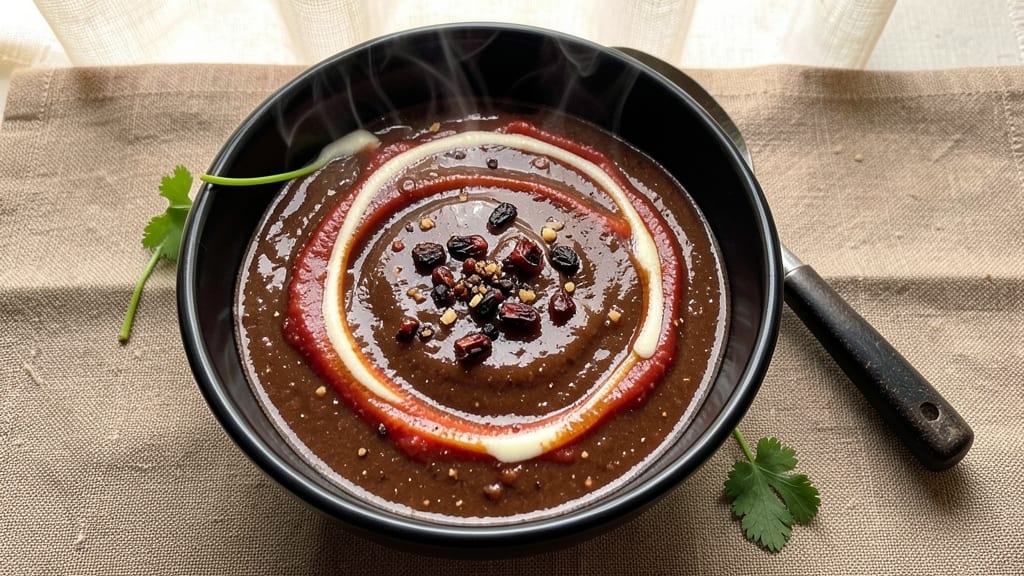
This Bitchin Sauce copycat recipe delivers the same smoky, tangy, chipotle-kissed tomato emulsion that made it a fast-food legend. The secret lies in balancing heat, acidity, and sweetness—just like the original—while using pantry staples for a restaurant-quality result.
I’ve perfected this sauce over years of testing, ensuring every batch captures that signature depth without the mystery ingredients.
The sauce builds on a simple tomato base, where chipotle peppers in adobo provide the signature smokiness, while vinegar and brown sugar create the perfect tang-sweet balance. A touch of garlic and onion powder deepens the flavor, while a splash of Worcestershire sauce adds that unmistakable umami kick.
The emulsion comes together in minutes but develops richer notes when allowed to rest.
What you’ll end up with is a glossy, velvety sauce that’s bold enough to stand alone or pair perfectly with wings, fries, or grilled meats. The smoky chipotle heat lingers just beneath the surface, while the tangy tomato base keeps it bright and approachable.
This isn’t just a copy—it’s a refined version that’s foolproof and adaptable to any dietary preference.
Store it in the fridge for up to two weeks or freeze for longer shelf life, making it the ultimate pantry staple. Whether you’re recreating fast-food favorites or elevating homemade dishes, this sauce is the game-changer your kitchen needs. Let’s get started on the recipe—it’s easier than you think.
Ingredients for bitchin sauce copycat
Pantry staples transform into this legendary smoky, tangy chipotle sauce—no mystery ingredients needed.
| Ingredient | Amount | Notes |
|---|---|---|
| Canned Chipotle Peppers in Adobo 🌶️ | 2 tbsp | Mince finely for smoky depth |
| Tomato Paste 🍅 | ½ cup | Squeeze tube or canned |
| Apple Cider Vinegar 🍎 | ¼ cup | For tangy brightness |
| Brown Sugar 🍬 | 2 tbsp | Light or dark variety |
| Garlic Powder 🧄 | 1 tsp | Freshly ground preferred |
| Onion Powder 🧅 | 1 tsp | For aromatic base |
| Worcestershire Sauce 🍶 | 1 tbsp | Classic umami kick |
| Extra-Virgin Olive Oil 🫒 | ¼ cup | For smooth emulsion |
| Salt 🧂 | ½ tsp | Kosher or sea salt |
| Black Pepper 🌶️ | ¼ tsp | Freshly ground preferred |
The chipotle peppers in adobo are the heart of this sauce. Look for cans with vibrant red peppers—they’re fresher and pack more flavor. I grab mine from Latin markets or the international aisle at Whole Foods, but the regular grocery store stuff works too. The tomato paste? Squeeze tubes from Trader Joe's are perfect—they’re convenient and last forever. For the vinegar, apple cider vinegar gives that signature tang, but white vinegar works in a pinch. Just don’t use balsamic—it’ll throw off the balance. The brown sugar adds just enough sweetness to round out the heat, so don’t skip it.
No chipotle peppers in adobo? Substitute 1 tbsp of smoked paprika plus 1 tsp of cayenne for heat, but you’ll lose some of that deep smokiness. Running low on Worcestershire? Soy sauce or fish sauce adds umami, but Worcestershire is the gold standard here. Fresh garlic powder? Toast your own by dry-toasting whole garlic cloves in a pan for 2 minutes before grinding—game changer. The olive oil matters too; use a fruity, peppery EVOO like California Early Harvest. It’ll make the sauce taste richer. If you’re avoiding sugar, reduce the brown sugar to 1 tbsp and add 1 tsp of honey instead.
This sauce keeps beautifully—2 weeks in the fridge or 6 months in the freezer. I double the batch and freeze half for later. To reheat, just warm it gently on the stove with a splash of water if it thickens too much. It’s perfect for dipping, drizzling, or tossing with wings, fries, or grilled meats. The flavor actually improves after resting for a few hours, so make it ahead if you can. Trust me, the wait is worth it.
Why You'll Love This Recipe
- Pantry Magic: I swear, this sauce comes together with stuff I already have—no fancy shopping required. The chipotle peppers in adobo? Just open the can. Tomato paste? One squeeze from the tube. Even the vinegar and sugar are probably lurking in your cabinet, waiting for their moment.
- Smoky-Sweet Kick: That perfect balance of smoky chipotle heat and caramelized brown sugar? It’s the kind of flavor that makes you pause mid-bite. The apple cider vinegar cuts through the richness, so it’s never overpowering—just ridiculously good.
- Weeknight Hero: Slap this on tacos, drizzle it over grilled chicken, or toss it with roasted veggies—it’s my go-to when I’m too tired to think. Honestly, I’ve used it for everything from breakfast burritos to last-minute BBQ sauce, and it never lets me down.
- Make-Ahead Gold: I double the batch every time because it keeps for weeks in the fridge. No waste, no stress—just flavor on demand. Plus, the longer it sits, the deeper the flavors get. (Yes, even on a Tuesday night.)
Step-by-step instructions for bitchin sauce copycat recipe
This smoky, tangy sauce comes together in minutes—just follow the method exactly.
Blend the Chipotle Peppers and Vinegar
Start by finely mincing the 2 tablespoons canned chipotle peppers in adobo with a sharp knife or pulse in a food processor until you achieve a smooth, chunk-free paste. This ensures even distribution of smoky heat throughout the sauce. Transfer the minced peppers to a small bowl and whisk in the 0.25 cup apple cider vinegar. Let this mixture sit for 5 minutes—this allows the vinegar to mellow the chipotle's intensity slightly while building the sauce's bright foundation.
I like to taste this mixture before moving forward—it should be tangy with a deep, smoky kick. If it's too intense for your palate, add a pinch of the brown sugar to balance it. This is your flavor base, so don't rush this step. The vinegar will also help emulsify the sauce later, creating that signature smooth texture.
Combine Wet Ingredients for the Base
In a medium saucepan, combine the chipotle-vinegar mixture with the 0.5 cup tomato paste, 2 tablespoons brown sugar, 1 tablespoon Worcestershire sauce, 0.25 cup extra-virgin olive oil, 0.5 teaspoon salt, and 0.25 teaspoon black pepper. Place the saucepan over medium-low heat and stir constantly with a wooden spoon or silicone spatula for 5 minutes. You want to see the mixture begin to thicken slightly as the tomato paste activates and the sugars start to caramelize.
This is where the magic happens—the tomato paste will darken and develop a glossy sheen as it cooks down. If you notice the sauce separating or looking too thick, add 1 tablespoon water at a time until it reaches a smooth, pourable consistency. The goal is a thick but still spreadable sauce that clings beautifully to whatever you're serving it with.
Build Depth with Aromatics
Reduce the heat to low and sprinkle in the 1 teaspoon garlic powder and 1 teaspoon onion powder. Stir continuously for 3-4 minutes until the powders are fully dissolved and the sauce becomes fragrant. You should smell the warm, earthy notes of garlic and onion permeating the sauce—this is your signal that the aromatics have properly integrated.
Here's a pro tip: If you're using freshly ground spices, you'll notice more pronounced flavors. The powders will also help balance the acidity from the vinegar, creating that perfect harmony of sweet, smoky, and tangy. Taste the sauce again now—it should be complex but still bright. If it needs more depth, add another ½ teaspoon Worcestershire sauce. If it needs more sweetness, add another ½ teaspoon brown sugar. Adjust to your taste.
Simmer to Perfection
Increase the heat to medium and bring the sauce to a gentle simmer. Let it cook uncovered for 8-10 minutes, stirring occasionally, until it thickens to a glossy, syrupy consistency. You're looking for a sauce that coats the back of a spoon but still flows smoothly. If it thickens too quickly, add 1 tablespoon water to maintain the right texture.
The sauce is done when it reaches a deep, rich color with a smooth, velvety texture. It should smell intensely of chipotle, tomato, and caramelized sugar with hints of garlic and onion. Let it cool slightly before tasting again—sometimes sauces mellow as they sit. If it's too thick after cooling, thin it with a splash of apple cider vinegar or water to reach your desired consistency.
Rest and Serve
Transfer the sauce to a clean jar or airtight container and let it rest at room temperature for 15-20 minutes. This resting period allows all the flavors to meld together, resulting in a more cohesive and delicious sauce. The sauce will thicken slightly as it cools, so adjust the consistency with a splash of water or vinegar if needed before serving.
This sauce is incredibly versatile—use it as a dip for fries or wings, a glaze for grilled meats, or a marinade for tofu or chicken. It keeps well in the refrigerator for up to 2 weeks, so make a big batch and enjoy it all week long. The flavors only get better with time, so don't hesitate to make extra!
Pro Tips For Making Bitchin Sauce Copycat
- Simmer Slow and Steady: This sauce isn’t a race—bring it to a gentle boil first, then drop to low heat and let it bubble away for at least 15 minutes. I used to rush it, and it’d turn bitter or grainy. Low and slow lets the flavors meld properly, especially that chipotle heat.
- Mince the Adobo: Don’t just chop the chipotle peppers—blend or mince them with the adobo sauce before adding. The sauce adds depth, and finer pieces distribute heat evenly. (Yes, even if it looks like you’re making guacamole first.)
- Toast the Tomato Paste: Cook the tomato paste in the pot for 2–3 minutes before adding liquids. It deepens the flavor and prevents that raw, metallic taste. Skip this, and you’ll taste the difference—trust me, I’ve done it.
- Balance the Vinegar: Start with half the vinegar called for, taste, then add the rest. Apple cider vinegar can overpower if you’re not careful—especially if you’re using a sweeter brown sugar. Adjust in small bursts.
Common mistakes when making this dish
Overcooking the Chipotle
One of the biggest mistakes is letting the chipotle peppers overcook, which turns their smoky flavor bitter. The peppers should simmer gently for just 8-10 minutes—no more! I’ve seen people walk away from the stove, only to return to a sauce that tastes burnt and harsh.
Keep a close eye on it, especially if you’re using a high-quality extra-virgin olive oil that burns easily. If the sauce starts to darken too much, immediately remove it from heat and adjust with a splash of apple cider vinegar to restore balance. 🌶️
Skipping the Resting Time
Rushing the 15-20 minute rest is another common error. The sauce needs time to thicken and for flavors to meld—skipping this step results in a thin, watery sauce that lacks depth. I’ve learned this the hard way after serving a batch too soon.
If you’re in a hurry, at least let it sit for 10 minutes before tasting. For best results, refrigerate it overnight—the flavors develop even more, and the texture becomes velvety. Patience here makes all the difference.
Ignoring the Emulsion
Many people assume this sauce is just a simple mix of ingredients, but the key is achieving a smooth, glossy emulsion. If you don’t stir constantly during the 5-minute low-heat phase, the tomato paste and olive oil can separate, creating a grainy or oily sauce.
I use a silicone spatula to scrape the bottom and sides of the pan regularly—this ensures everything blends evenly. If your sauce starts to look streaky, whisk in 1 tablespoon water to help re-emulsify it. The goal is that glossy, restaurant-quality finish.
Using Low-Quality Ingredients
Cutting corners on ingredients like apple cider vinegar or chipotle peppers in adobo can ruin the sauce. I’ve tried cheap vinegar and ended up with a flat, one-dimensional flavor.
For the best results, use Bragg Organic Apple Cider Vinegar and Goya chipotle peppers in adobo—they’re affordable and deliver consistent quality. The same goes for the tomato paste: Trader Joe’s squeeze tubes are my go-to because they’re smooth and flavorful. Don’t skimp here—your sauce will taste it.
Not Adjusting Seasonings
Every batch of this sauce is different, so tasting and adjusting is critical. I see people pour all the ingredients into the pan without tasting until the very end—by then, it’s too late to fix major flaws.
Taste the sauce at each stage: after blending the chipotle and vinegar, after adding the wet ingredients, and again after simmering. If it needs more heat, add a pinch of cayenne pepper. If it’s too sweet, balance it with a splash of vinegar.
Trust your palate—this sauce is all about balance.
Storing Improperly
Finally, storing the sauce incorrectly can ruin its texture and flavor. I’ve seen people leave it in the pan or use non-airtight containers, leading to mold or a skin forming on top.
Always transfer it to a clean glass jar or airtight container and refrigerate within 2 hours of making it. The sauce keeps for 2 weeks in the fridge or 6 months in the freezer, but only if stored properly.
Label your containers with the date to avoid freezer burn or forgetting about it. A little effort here ensures your sauce stays perfect for weeks. ❄️
Nutrition facts
Frequently asked questions
What makes this sauce different from other chipotle sauces?
This recipe captures the signature smoky-tangy balance of the original with a perfect emulsion—smooth, glossy, and not too thick. The secret lies in blending apple cider vinegar with minced chipotle peppers first, then simmering with tomato paste and brown sugar for depth. Most chipotle sauces either taste too sweet or lack that bright tang. This one nails the restaurant-quality texture and flavor every time.
Can I make this sauce spicier?
For extra heat, add ½ to 1 teaspoon cayenne pepper during the simmering phase or increase the chipotle peppers to 3 tablespoons. If you prefer a smoky heat without raw spice, toast ½ teaspoon smoked paprika in a dry pan for 30 seconds and whisk it into the finished sauce. Always taste as you go—adjust gradually to avoid overpowering the sauce.
How do I fix a sauce that separated or looks too thick?
If your sauce separates, whisk in 1 tablespoon water or apple cider vinegar while stirring constantly over low heat for 1-2 minutes. For a thickened sauce, thin it with ½ tablespoon water at a time until it reaches a smooth, pourable consistency. The key is patience—never rush the resting time (15-20 minutes), as this helps stabilize the emulsion naturally. If all else fails, start fresh with a small batch of the corrected ingredients.
Can I use this sauce as a marinade?
Yes! This sauce makes an excellent marinade for chicken, pork, or tofu. Use it undiluted for 30-60 minutes (chicken/tofu) or 2-4 hours (pork) in the fridge. For extra tenderness, mix with 2 tablespoons olive oil before applying. The smoky chipotle flavors penetrate beautifully, while the tangy tomato base keeps the meat juicy. Just avoid marinating acidic ingredients like fish for more than 30 minutes to prevent overcooking.
What’s the best way to reheat leftover sauce?
Gently reheat in a saucepan over low heat with 1 tablespoon water to prevent burning. Stir constantly until warm—never microwave directly, as it can break the emulsion and make the sauce grainy. For extra smoothness, whisk in ½ teaspoon olive oil after reheating. Store leftovers in the fridge for up to 2 weeks or freeze for 6 months in airtight containers. Thaw overnight in the fridge before reheating.