
Sauces & Condiments
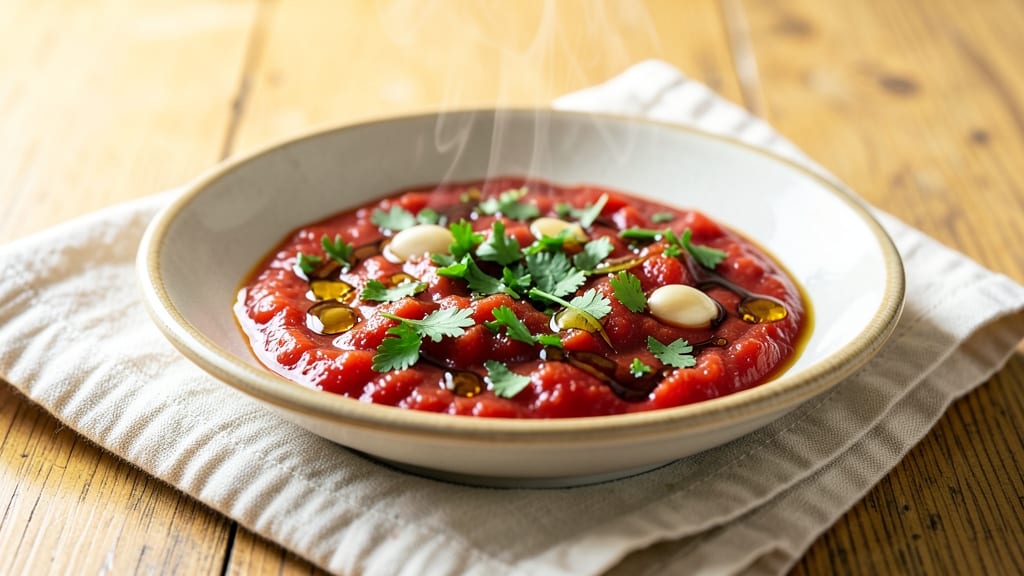
Creating a creamy garlic-herb emulsion like Bernice sauce transforms simple roasted meats and vegetables into restaurant-quality dishes. This British classic relies on pantry staples—tomatoes, garlic, and herbs—to build a velvety sauce that balances richness and acidity.
What makes it special is how the emulsion technique creates a silky texture without heavy cream, using just egg yolks and vinegar.
The foundation begins with a tomato base simmered until thickened, then blended with garlic, fresh herbs, and a touch of vinegar for brightness. The emulsion step—where egg yolks and vinegar combine—is where the sauce achieves its signature creamy consistency without separating.
This method delivers professional results in under 30 minutes, with ingredients you likely already have.
Once complete, this sauce clings beautifully to roasted chicken, lamb, or grilled vegetables, adding layers of herbaceous flavor. The garlic infuses warmth while the herbs provide freshness, creating a versatile condiment that elevates any dish.
Store it in the refrigerator for up to 5 days or freeze for longer shelf life.
Perfect for weeknight dinners or special occasions, Bernice sauce turns ordinary meals into memorable experiences. The balance of acidity, richness, and herbaceousness makes it a pantry essential. Let’s make it—your taste buds will thank you.
Ingredients for bernice sauce
Pantry staples and fresh herbs transform into this velvety emulsion sauce.
| Ingredient | Amount | Notes |
|---|---|---|
| San Marzano Crushed Tomatoes 🍅 | 28 oz | High-quality canned tomatoes preferred |
| Fresh Garlic Cloves 🧄 | 4 cloves | Peeled and finely minced |
| Fresh Parsley Leaves 🌿 | ½ cup | Stems removed, loosely packed |
| Fresh Tarragon Leaves 🌿 | ¼ cup | Stems removed, loosely packed |
| Extra-Virgin Olive Oil 🫒 | ½ cup | Light, fruity variety preferred |
| Red Wine Vinegar 🍷 | 2 tbsp | Dry, aged vinegar preferred |
| Large Egg Yolks 🥚 | 2 whole | Fresh, room temperature preferred |
| Diamond Crystal Kosher Salt 🧂 | ½ tsp | Fine grain preferred |
| Freshly Ground Black Pepper 🌶️ | ¼ tsp | Freshly cracked preferred |
The San Marzano tomatoes form the sauce's base—opt for high-quality canned varieties to avoid bitterness. Whole Foods Market or specialty Italian markets carry the best selection. For herbs, fresh tarragon is essential; dried lacks the necessary anise flavor. If unavailable, substitute with 1/4 teaspoon tarragon extract, but fresh is superior. The garlic should be minced finely for even distribution throughout the sauce. Penzeys Spices offers excellent pre-minced garlic if fresh isn't convenient, though freshly minced delivers optimal flavor.
No tarragon? Fresh basil or thyme can substitute at equal volume, though the flavor profile will differ. For the vinegar, balsamic vinegar adds depth but may alter the sauce's acidity balance—stick to red wine vinegar for authenticity. The egg yolks must be fresh and room temperature to emulsify properly; cold yolks risk breaking the emulsion. If you lack extra-virgin olive oil, light olive oil works, though it may lack fruity notes. The sauce's creamy texture relies on precise measurements—don't eyeball the vinegar or yolks.
This sauce thickens as it cools, so thin with warm water if too viscous. Store in an airtight container with a thin layer of olive oil on top to preserve freshness. Keeps for 5 days refrigerated or 3 months frozen. For longer storage, freeze in ice cube trays—perfect for single-serving applications. Reheat gently over low heat, stirring constantly to prevent separation.
Why You'll Love This Recipe
- Five-Ingredient Magic: I swear by this—just tomatoes, garlic, herbs, and olive oil. No fancy gadgets, no stress. The San Marzano tomatoes do the heavy lifting while I chop parsley in two minutes flat.
- Herb-Packed Punch: That tarragon? It’s the star. Bright, slightly bitter, and so fresh it makes my kitchen smell like a French bistro. The parsley rounds it out—like a hug in every bite.
- Weeknight & Weekend: Drizzle it over grilled fish, toss it with pasta, or let it simmer alongside roasted veggies. Honestly, I’ve used it for everything from lazy Tuesday suppers to Sunday dinner centerpieces.
- Make-Ahead Gold: Simmer a big batch on Sunday, and you’ve got sauce for the week. Keeps like a dream in the fridge—better than takeout, costs less than half, and tastes like I spent hours in the kitchen. (Between us, I didn’t.)
Instructions for Bernice sauce recipe: creamy garlic-herb emulsion with pantry staples
Mastering this sauce requires precision and patience—each step builds the velvety texture and complex flavor profile.
Prepare the Herb and Garlic Base
In a small food processor, combine the 0.5 cup fresh parsley leaves and 0.25 cup fresh tarragon leaves with the 4 cloves fresh garlic cloves. Pulse until you achieve a finely chopped consistency—this should resemble a coarse paste rather than a puree. The herbs should be broken down enough to release their oils but still retain some texture for depth of flavor.
Transfer this herb mixture to a medium saucepan and set aside. The goal here is to create a fragrant foundation that will infuse the tomatoes and emulsify with the egg yolks later. If you're concerned about bitterness from tarragon, don't be—its flavor will mellow beautifully during cooking.
Simmer Tomatoes and Aromatics
Add the 28 oz San Marzano crushed tomatoes to the saucepan with the herb mixture. Stir in the 0.5 cup extra-virgin olive oil and 2 tbsp red wine vinegar. Bring the mixture to a gentle simmer over medium heat, then reduce the heat to low to maintain a steady bubble.
Let the sauce simmer uncovered for 15-20 minutes until it reduces by about one-third and the flavors meld together. You'll notice the sauce darken slightly and develop a rich, tomatoey aroma. This reduction step is critical—it concentrates the flavors and removes excess moisture that would prevent the emulsion from forming properly later.
Season and Strain
Remove the saucepan from heat and stir in the 0.5 tsp diamond crystal kosher salt and 0.25 tsp freshly ground black pepper. Taste the sauce and adjust the seasoning if needed—this is your baseline flavor before the emulsion step. The acidity from the vinegar and sweetness of the tomatoes should balance beautifully.
Line a fine-mesh strainer with cheesecloth or a coffee filter and place it over a clean bowl. Pour the hot tomato mixture through the strainer, pressing gently on the solids with a wooden spoon to extract all the liquid. This step removes any herb fibers that would make the final sauce gritty. Discard the strained solids—they've done their job infusing flavor into the liquid.
Create the Emulsion
Place the strained tomato mixture in a heatproof bowl and set it over a pot of barely simmering water (double boiler method). The water should not touch the bowl—just create a gentle steam that keeps the mixture warm. In a separate bowl, whisk together the 2 whole large egg yolks until they're pale and slightly thickened.
Slowly ladle about 1 cup of the warm tomato mixture into the egg yolks while whisking constantly. This gradual addition is crucial—it tempers the eggs and prevents them from scrambling. Once incorporated, pour the egg mixture back into the tomato sauce. Whisk vigorously for 2-3 minutes until the sauce thickens noticeably and becomes glossy.
Finish and Serve
Return the sauce to the pot of gently simmering water and cook for an additional 3-5 minutes, stirring constantly with a wooden spoon. The sauce should thicken to a creamy consistency that coats the back of a spoon. It should be smooth, velvety, and hold its shape when drizzled.
Remove from heat immediately and taste again. The emulsion should be perfectly balanced—creamy from the eggs, tangy from the vinegar, and herbaceous from the infused aromatics. Serve warm over grilled meats, pasta, or crusty bread. This sauce keeps well in the refrigerator for up to 3 days, though it's best enjoyed fresh when the emulsion is at its peak.
Pro Tips For Making Bernice Sauce
- Bloom the Garlic First: Toss minced garlic into the olive oil over low heat for 30 seconds—just until it fragrant but not browned. I learned the hard way that skipping this step means your sauce will taste raw and sharp, even if you simmer later. (Yes, even if you’re impatient like me.)
- Use Whole Tarragon Sprigs: Add tarragon whole at the start, then remove it before crushing the sauce. The leaves release their flavor more fully this way, and you avoid that bitter, overcooked herb taste that ruins everything. (Your future self will thank you.)
- Simmer, Don’t Boil: Keep the heat at a gentle simmer—tiny bubbles, not a rolling boil. I used to crank it up, thinking faster = better, but it just turns the tomatoes into mush and burns the garlic. Aim for 20-25 minutes, stirring occasionally.
- Finish with Cold Oil: Stir in a tablespoon of extra-virgin olive oil at the very end—it cools the sauce slightly and brightens the parsley’s freshness. Sounds weird, but it works: the sauce tastes richer without overpowering the delicate tarragon.
Troubleshooting great bernice sauce
Emulsion Breaks
The most common issue is the sauce separating into oily and watery layers. This happens when egg yolks are added too quickly or when the tomato base isn't hot enough.
To fix it, whisk in 1 tablespoon cold water and 1 teaspoon cornstarch into a small bowl, then slowly stir this mixture back into the broken sauce while whisking vigorously over low heat. The starch acts as a binder to restore the emulsion. 💡
Overly Thick Texture
If your sauce becomes too thick and glue-like, it means the reduction went too far or the emulsion didn't incorporate properly. Thin it with 1-2 tablespoons warm water while whisking gently.
If the sauce still feels too stiff, place the bowl back over the double boiler for 1-2 minutes—the residual heat will help the emulsion relax. Always taste as you go to avoid over-thickening.
Herb Bitterness
Tarragon can sometimes taste bitter if overcooked or if using low-quality herbs. To counteract this, add ½ teaspoon honey or maple syrup to the strained sauce before emulsifying.
If the bitterness persists, reduce the tarragon to ¼ cup fresh leaves next time or substitute with ½ cup fresh basil, which adds sweetness instead of bitterness.
Egg Cooking Too Fast
If the egg yolks scramble or cook too quickly during the emulsion step, it’s because the tomato base was too hot. Always ensure the sauce is at a gentle simmer (160°F) before incorporating the yolks.
For extra insurance, chill the strained tomato base in an ice bath for 5 minutes before emulsifying. This tempers the heat and gives you more control when adding the eggs.
Sauce Too Acidic
An overly tangy sauce usually means too much vinegar was added. Balance the acidity by whisking in 1 teaspoon honey or sugar while the sauce is warm. If the sauce is already emulsified, add the sweetener gradually to avoid breaking the emulsion.
For prevention, reduce the vinegar to 1 tablespoon next time and taste the tomato base before emulsifying.
Gritty Texture
If your sauce feels grainy, it likely means the herbs weren’t strained finely enough or the cheesecloth wasn’t tight enough. For a smoother result, blend the strained sauce briefly in a blender before emulsifying.
If grit persists, strain the sauce a second time through a fine-mesh sieve lined with a coffee filter. This extra step ensures a silky finish. 🌿
Nutrition facts
Frequently asked questions
What makes Bernice sauce different from other tomato-based sauces?
Bernice sauce stands out because of its emulsion technique—egg yolks and vinegar create a velvety texture without heavy cream. The blend of tarragon and parsley gives it a distinct herbaceous depth, while the garlic and olive oil add richness. Unlike chunky marinara or smooth Alfredo, this sauce clings beautifully to proteins and vegetables.
Can I make Bernice sauce without fresh tarragon?
Yes! If you lack tarragon, substitute with ½ cup fresh basil or ¼ cup fresh thyme for a similar aromatic profile. For dried herbs, use 1 tablespoon dried tarragon, but reduce to half the amount since dried herbs are more potent. The sauce will still taste delicious, though the flavor will differ slightly.
How do I fix a broken emulsion in Bernice sauce?
If your sauce separates, whisk together 1 tablespoon cold water and 1 teaspoon cornstarch in a small bowl, then slowly stir this mixture back into the broken sauce over low heat while whisking constantly. The starch acts as a binder to restore the creamy texture. This method works for most emulsion-based sauces!
What are the best dishes to serve with Bernice sauce?
This versatile sauce pairs perfectly with grilled chicken or lamb, roasted vegetables, and crusty bread. It also elevates pasta dishes like fettuccine or risotto. For a lighter option, drizzle it over seared scallops or shrimp skewers. The herby, creamy flavor complements both rich and delicate proteins.
Can I make Bernice sauce ahead of time?
Store the sauce in an airtight container in the refrigerator for up to 5 days. For longer storage, freeze in ice cube trays or small portions for up to 3 months. Thaw overnight in the fridge and reheat gently over low heat, stirring constantly to maintain the emulsion.