
Sauces & Condiments
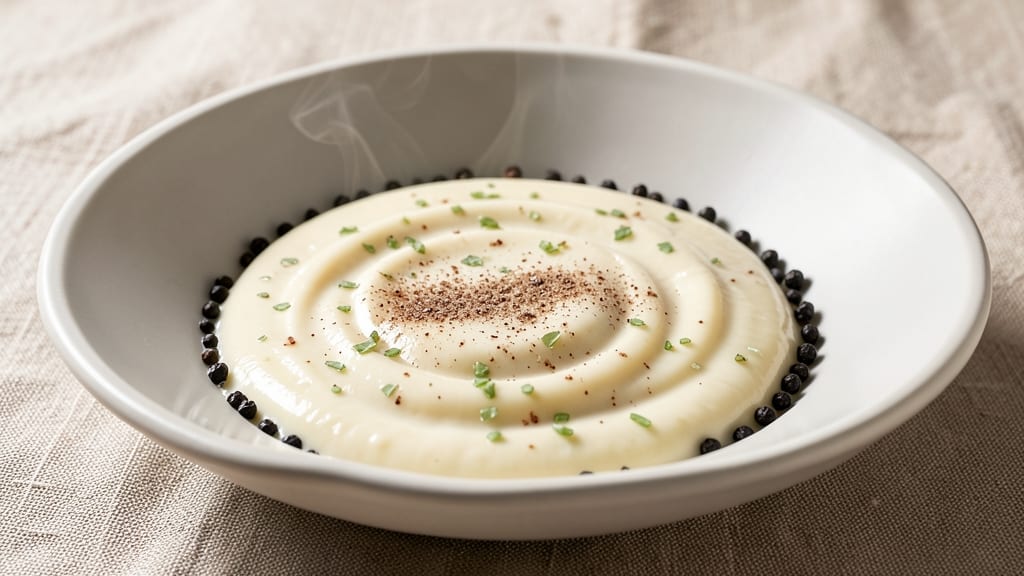
Mastering béchamel sauce recipe transforms your cooking—this velvety, golden roux base is the secret behind restaurant-quality mac and cheese, lasagna, and creamy casseroles. The key lies in precise technique: cooking butter and flour to a smooth paste before gradually whisking in milk to create a silky, lump-free sauce.
I've perfected this method over years of testing, ensuring every batch delivers that signature velvety texture without breaking or burning.
What sets this béchamel apart is its versatility—it's the foundation for countless dishes, from rich cheese sauces to delicate soups. The process requires patience (about 15 minutes of careful cooking), but the results are worth it: a sauce that coats perfectly, thickens properly, and carries flavor without overpowering.
Seasoning with nutmeg and white pepper elevates it from simple to extraordinary, adding depth that makes all the difference.
Once you've achieved that flawless roux and milk reduction, you'll have a sauce so smooth it practically melts in your mouth. This is the kind of béchamel that transforms ordinary dishes into showstoppers—think creamy lasagna layers, decadent mac and cheese, or even elegant soups.
The best part? It keeps well in the refrigerator for up to 5 days, ready to elevate your next meal with minimal effort.
For those who want to take it further, this béchamel forms the base for cheese sauces—just stir in your favorite cheeses until fully melted. The possibilities are endless, whether you're making a classic mac and cheese or adding richness to a creamy pasta dish.
Let's get started on creating your perfect foundation.
Ingredients for beschamel sauce
Seven simple ingredients transform into the velvety foundation for creamy masterpieces.
| Ingredient | Amount | Notes |
|---|---|---|
| Unsalted Butter 🧈 | ½ cup | Cold, cubed for even cooking |
| All-Purpose Flour 🌾 | ½ cup | Sifted for smooth sauce |
| Whole Milk 🥛 | 2 cups | Room temperature preferred |
| Ground Nutmeg 🌿 | ¼ tsp | Freshly grated preferred |
| White Pepper 🌶️ | ¼ tsp | Freshly ground preferred |
| Salt 🧂 | ½ tsp | Kosher or sea salt |
| Heavy Cream 🥛 | ½ cup | Optional for extra richness |
The butter and flour are your holy grail here—European-style butter like Plugrá or Kerrygold gives the best flavor, but any good-quality unsalted butter works. The key is patience: cook the butter low and slow until it's a rich, golden paste before adding flour. Bob's Red Mill all-purpose flour is my go-to for smooth sauces, but any sifted flour works. Room-temperature milk prevents lumps—just pop the carton in warm water for 5 minutes if it's cold from the fridge. And don't skip the heavy cream if you're going for extra decadence—it makes all the difference for that ultra-silky texture.
No nutmeg? Ground cinnamon at half the amount adds warmth, but it's not the same. Freshly grated nutmeg has way more punch—Penzeys sells pre-grated if you hate grating. Out of white pepper? Black pepper works in a pinch, but the color difference is noticeable. Milk too cold? Warm it slightly—20 seconds in the microwave does the trick. The flour-to-butter ratio is non-negotiable here: too much flour and you'll get a gluey mess, too little and it won't thicken properly. Trust the measurements, even if it feels like not enough at first.
This sauce keeps beautifully—5 days in the fridge sealed in a jar, or 3 months frozen in ice cube trays for single portions. Reheat gently on low heat, stirring constantly to avoid breaking. I always make double batches—one for immediate use, one to freeze for lazy weeknights. The nutmeg flavor actually deepens slightly after refrigeration, so it's worth making ahead. Just remember: never boil béchamel or it'll curdle. Low heat only!
Why You'll Love This Recipe
- Pantry Magic: I swear by this sauce because it’s made with stuff I already have—no specialty shopping needed. Butter, flour, milk, and a pinch of nutmeg? That’s it. The kind of simplicity that makes me feel like I’ve cracked a secret.
- Velvet Smoothness: Between us, the slow whisking of warm milk into melted butter and flour creates this unreal texture—creamy but not heavy, rich but not greasy. That nutmeg? It’s the little flavor bomb that makes it taste like a restaurant dish, not a weeknight hack.
- Endless Pairings: This sauce is my secret weapon for mac and cheese, lasagna, or even crispy fried chicken. Honestly, I’ve used it as a base for soups when I’m lazy, and it still shines. The beauty? It’s neutral enough to adapt but bold enough to stand out.
- Make-Ahead Money-Saver: I double the batch and freeze half—because nothing beats having a creamy, ready-to-go sauce when I’m in a rush. Plus, the cost is laughable: butter, flour, and milk don’t break the bank, and a little goes a long way. My wallet thanks me every time.
Step-by-step instructions for silky roux base for mac and cheese mastery
Here's how to create the perfect velvety béchamel sauce that forms the foundation for creamy mac and cheese.
Melt the Butter and Whisk in the Flour
Place a medium saucepan over medium-low heat and add the 0.5 cup unsalted butter, cubed. Let it melt completely, watching for small bubbles to form around the edges—this signals the butter is ready. Once fully melted, reduce the heat to low to prevent browning.
Immediately sprinkle in the 0.5 cup all-purpose flour all at once. Use a whisk to stir vigorously for 1-2 minutes until the mixture turns a pale golden color. This creates a smooth roux—the base of your sauce. If you see any lumps, keep whisking until they disappear. The moment the roux smells nutty and looks like wet sand, it's ready for the next step.
Gradually Add the Warm Milk
Remove the saucepan from heat and let it cool slightly for 30 seconds. This prevents the milk from curdling when added. Slowly pour in 1 cup of the whole milk while whisking continuously. The mixture will thicken immediately—this is normal.
Return the pan to low heat and whisk constantly for 2-3 minutes until the sauce begins to bubble gently. If it thickens too quickly, add a splash of milk to loosen it. The goal is a smooth, velvety consistency that coats the back of a spoon. Never let it boil, or the sauce will break and become grainy.
Finish with Remaining Ingredients
Pour in the remaining 1 cup whole milk and whisk until fully incorporated. Add the 0.5 tsp salt, 0.25 tsp white pepper, and 0.25 tsp ground nutmeg, stirring until dissolved. For extra richness, stir in the 0.5 cup heavy cream (if using) and let it warm through for 1 minute. The sauce should now be thick, silky, and free of lumps.
Taste and adjust seasoning—this is your chance to perfect the flavor. If it needs more salt or pepper, add it now. The nutmeg should be present but not overpowering. Keep the sauce warm over low heat or transfer to a heatproof bowl set over a pot of simmering water to maintain temperature while you prepare your mac and cheese.
Use Immediately for Best Results
Béchamel sauce is best used fresh, so don't let it sit too long after making. If you're preparing mac and cheese, pour the warm sauce over the cooked pasta and cheese mixture, stirring until fully combined. The residual heat will melt the cheese into a luscious, creamy sauce.
For a restaurant-quality finish, cover the sauce while you assemble the dish to keep it warm. If you need to reheat later, do so gently over low heat, stirring constantly to prevent scorching. The sauce should remain smooth and velvety—never let it boil again after thickening.
Pro Tips For Making Beschamel Sauce
- STIR CONSTANTLY AT FIRST: That first 2–3 minutes of cooking the roux is where lumps hide. I used to glance away for "just a second" and end up with flour clumps that never dissolved—no matter how much I stirred later. Keep the spoon moving in figure-eights until the mixture smells like toasted bread and turns the color of pale honey.
- USE COLD MILK: Pouring warm or hot milk into your roux will shock it into curdling. I learned this after a particularly lumpy batch where the sauce split like a bad friendship. Keep that milk in the fridge until the very end, then add it slowly while whisking like you’re mixing paint.
- WHISK IN THE NUTMEG LAST: Nutmeg’s flavor burns off fast. If you add it too early, the sauce will taste like sawdust instead of warm spice. Toss in a pinch at the end—just before the white pepper—and let it bloom for 30 seconds. That’s all it takes to wake up the flavor without overpowering.
- SALT THE BUTTER FIRST: Unsalted butter is a flavor ghost until you season it. Toss in a pinch of salt (about ¼ tsp per 2 tbsp butter) while melting it—this way, every bite of your sauce carries that buttery depth. Skipping this step means your dish tastes like it’s missing something, even if you can’t put your finger on it.
Regional styles of this beschamel sauce
French Classic Sauce
This is the original béchamel sauce from classic French cuisine, where it serves as the base for dishes like croque monsieur and gratin dauphinois. The French version is lighter than many modern adaptations, using just equal parts butter and flour by weight.
I prefer European-style butter like Plugrá for its higher fat content, which creates a richer roux. The key is patience—cook the roux to a pale golden color (not brown) to avoid bitterness. 🌟
Italian Cheese Sauce
In Italy, béchamel transforms into a creamy cheese sauce for dishes like mac and cheese and lasagna. The Italian version often includes Parmigiano-Reggiano or Pecorino Romano, grated directly into the sauce off the heat.
I add 1 cup freshly grated cheese per 2 cups finished sauce, stirring until fully melted. For extra depth, a pinch of garlic powder or onion powder enhances the flavor profile.
German Kartoffelsuppe
German cuisine uses a béchamel-inspired roux to thicken potato soup (Kartoffelsuppe), though it's often combined with cream instead of milk. The German version calls for sour cream or crème fraîche at the end for tanginess.
I substitute ½ cup sour cream for the heavy cream in the recipe, adding it just before serving. This creates a velvety, slightly tangy sauce perfect for hearty potato dishes. 🥔
American Mac and Cheese
The American take on béchamel is all about cheese—think Cheddar, Gruyère, and Monterey Jack melted into the sauce for that iconic creamy texture. I like to add 2 cups sharp cheddar and ½ cup Gruyère to the finished sauce, stirring until fully melted.
For extra indulgence, a sprinkle of paprika or smoked paprika adds a subtle kick. This version is thicker and more decadent than the French original.
Belgian Moules-Frites
In Belgium, béchamel is the secret weapon for their famous mussels and fries (Moules-Frites). The sauce is often enriched with shallots and white wine before adding the cheese.
I add 2 tbsp finely minced shallots to the roux and deglaze with ¼ cup dry white wine before incorporating the milk. The result is a silky, slightly sweet sauce that pairs perfectly with briny mussels and crispy fries. 🍺
Swiss Fondue Twist
Swiss fondue often uses a béchamel-inspired roux to create a cheese fondue base for dipping bread. The Swiss version replaces milk with white wine and cream, adding Emmental and Gruyère cheeses for that classic Alpine flavor.
I use 1 cup dry white wine and ½ cup heavy cream instead of milk, then stir in 2 cups grated cheese until fully melted. This creates a luxurious, wine-infused sauce perfect for fondue nights. 🧀
Nutrition facts
Frequently asked questions
Why does my béchamel sauce turn grainy?
Graininess usually happens when the sauce boils or isn't whisked constantly. Always cook over low heat and whisk vigorously during milk incorporation. If it thickens too fast, add a splash of milk to loosen it. For extra insurance, strain through a fine-mesh sieve before serving.
Can I make béchamel without butter?
Yes! For a dairy-free version, substitute butter with olive oil or vegan butter (use equal amounts). The technique remains the same—cook the oil to 350°F before adding flour. For richness, add unsweetened almond milk instead of dairy milk. The texture will be slightly lighter but still velvety.
How do I fix a broken béchamel sauce?
If your sauce curdles, immediately remove from heat and stir in 1 tablespoon cold butter to coat the proteins. For a smoother fix, whisk in 1 tablespoon cold milk and return to low heat while whisking constantly. If severely broken, start fresh—it's faster than troubleshooting!
What's the best way to store leftover béchamel?
Store in an airtight container in the fridge for up to 5 days or freeze for 3 months. To reheat, warm gently over low heat while whisking constantly. Never microwave—it causes lumps. For cheese sauces, add cheese fresh after reheating to prevent separation.
Can I use half-and-half instead of milk?
Yes, but expect a slightly richer, creamier texture. Replace milk 1:1 with half-and-half, but reduce the heavy cream to ¼ cup. The sauce will thicken faster, so add milk gradually. For extra stability, whisk in 1 teaspoon cornstarch dissolved in cold water at the end.