
Sauces & Condiments
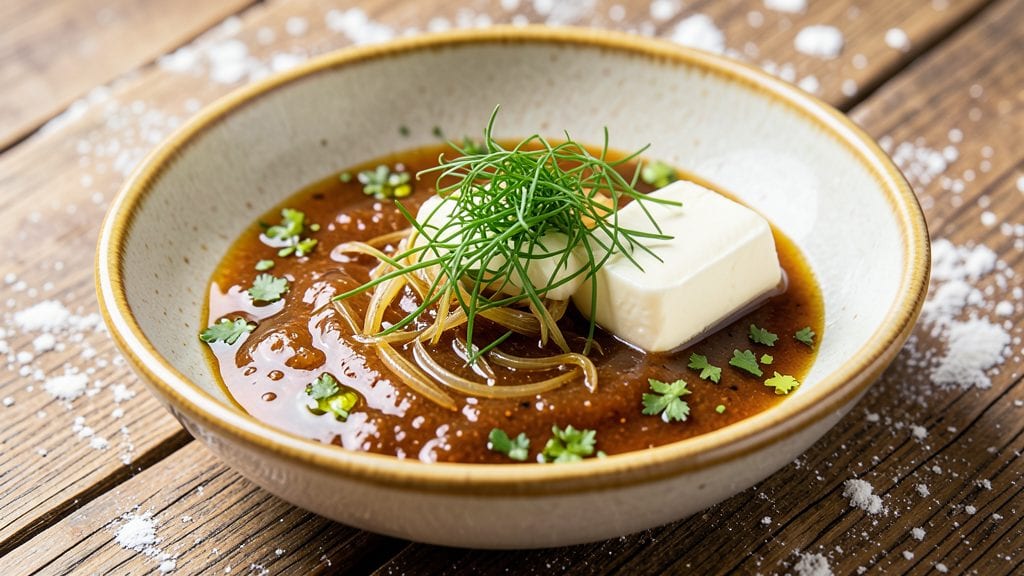
Creating an authentic bistro sauce transforms simple dishes into something restaurant-worthy—this recipe delivers that French bistro flavor in just 15 minutes with minimal effort. The secret lies in balancing shallots, vinegar, and butter while simmering until silky smooth, with herbs adding that signature freshness.
I developed this version after years of testing, ensuring every spoonful delivers that perfect tangy richness without requiring advanced techniques.
This bistro sauce relies on simple ingredients you likely already have: shallots, white wine vinegar, butter, and fresh herbs like tarragon and parsley. The process is straightforward—sauté shallots until soft, deglaze with vinegar, then reduce while whisking in butter for a velvety finish.
No emulsifiers or complicated steps required; just patience as the sauce thickens into a glossy, drizzle-worthy consistency. It’s the kind of sauce that elevates grilled meats, roasted vegetables, or even a simple salad to bistro-level elegance.
The result is a smooth, aromatic sauce with a bright acidity and rich butter notes, perfect for adding depth to your dishes. Unlike store-bought versions, this one stays fresh for up to a week in the refrigerator and improves as it sits—allowing flavors to meld beautifully.
Whether you drizzle it over seared chicken, toss it with pasta, or use it as a finishing sauce, the flavor profile remains consistent and impressive. This is comfort food in liquid form, designed to make every meal feel special without the fuss.
For extra richness, stir in a splash of heavy cream or Dijon mustard at the end, but the classic version stands strong on its own. The sauce’s versatility makes it ideal for meal prep—double the batch and store it for quick flavor boosts throughout the week.
Let’s create this bistro-worthy sauce that brings French bistro charm to your kitchen.
Ingredients for bistro sauce
Nine simple ingredients transform into bistro-worthy sauce with French bistro charm in minutes.
| Ingredient | Amount | Notes |
|---|---|---|
| Shallots 🧅 | ½ lb | Minced finely for even cooking |
| Extra-Virgin Olive Oil 🫒 | ¼ cup | Light flavor preferred for balance |
| Unsalted Butter 🧈 | ½ cup | Cold, cubed for easy whisking |
| White Wine Vinegar 🍷 | ½ cup | Dry variety for tangy bite |
| Fresh Tarragon 🌿 | ¼ cup | Chopped finely, stems removed |
| Fresh Parsley 🌿 | ¼ cup | Flat-leaf preferred, chopped |
| Garlic Cloves 🧄 | 2 cloves | Minced for subtle garlic flavor |
| Heavy Cream 🥛 | ¼ cup | Optional for extra richness |
| Diamond Crystal Kosher Salt 🧂 | ½ tsp | Adjust to taste at the end |
| Freshly Ground Black Pepper 🌶️ | ¼ tsp | Freshly cracked for best flavor |
Shallots are the flavor foundation here—buy fresh ones with papery skins, not the pre-minced jarred stuff. Whole Foods or your local market usually carry the best. If you can't find fresh tarragon, dried tarragon works at one-third the amount, but it's not the same. The white wine vinegar should be dry, not sweet—Bartles & Jaymes is reliable if you're unsure. For butter, Plugrá or Land O'Lakes unsalted melt beautifully. I always double-check the olive oil label—look for 'extra-virgin' and a harvest date within the last year for peak flavor.
No fresh tarragon? Dried works in a pinch, but it lacks that anise-like kick. Substituting parsley? Italian parsley has more flavor than curly. Want to skip the heavy cream? Dijon mustard adds depth instead. The garlic can be roasted for a sweeter note—just toss whole cloves in olive oil at 400°F for 10 minutes before mincing. For extra richness, whipped cream cheese blends in beautifully too. If your vinegar smells funky, toss it—it should have a clean, sharp aroma, not anything sour or off.
This sauce keeps beautifully in the fridge for up to 1 week, with flavor actually improving as it sits. For longer storage, freeze in ice cube trays—just thaw and whisk. I always make a double batch because it disappears fast. The sauce thickens as it cools, so whisk in a splash of warm water if it gets too stiff. Leftovers reheat perfectly in the microwave—just stir until smooth. Perfect for drizzling over grilled steaks, roasted veggies, or even mashed potatoes.
Why You'll Love This Recipe
- Five-Ingredient Magic: I swear by this—just shallots, olive oil, butter, vinegar, and tarragon. No crowded pantry lists, no last-minute grocery runs. The only prep is slicing shallots thin (and even that’s forgivable if you chop roughly).
- Herb-Packed Punch: That first taste of bright tarragon cutting through the richness? Chef’s kiss. The white wine vinegar keeps it from feeling heavy, while the butter makes it silky—like a hug in sauce form. Honestly, it’s the kind of flavor that makes you pause mid-bite.
- Weeknight Swiss Army Knife: Drizzle it over grilled fish, toss it with roasted veggies, or spoon it onto toast with a soft-boiled egg. It’s my go-to for lazy dinners, fancy-ish brunches, or even as a quick marinade. (Yes, even on a Tuesday night.)
- Make-Ahead Secret Weapon: Double the batch—it keeps for days in the fridge and tastes better the next day as the flavors meld. I always stash a jar in the fridge for those “I have nothing” moments. Budget-friendly? Absolutely. Stress-free? Even more so.
Step-by-step instructions for bistro sauce recipe
Here's how to create this rich, comforting bistro sauce in just one pan.
Sauté the Shallots Until Transparent
Heat the 0.25 cup extra-virgin olive oil in a medium saucepan over medium heat. Add the 0.5 lb minced shallots and cook them for 5-6 minutes until they become completely transparent and just beginning to soften. This slow cooking releases their natural sweetness without letting them brown.
I like to stir frequently during this step—it prevents any spots from browning too quickly. You'll know they're ready when they look like fine, pale yellow grains with no white centers remaining. If you smell any bitterness developing, reduce the heat slightly. The shallots should be soft enough to mash between your fingers but not mushy.
Add Butter and Garlic for Depth
Push the shallots to one side of the pan and add the 0.5 cup cold, cubed unsalted butter to the empty space. Let it melt completely over low heat, then whisk it into the shallots. Add the 2 minced garlic cloves and cook for another 30 seconds until fragrant but not browned.
This is where the sauce starts building its luxurious texture. The butter creates a velvety base while the garlic adds subtle complexity. Don't walk away during this step—garlic burns faster than you might expect. You'll see tiny bubbles form around the edges of the pan, signaling the butter is ready to incorporate fully.
Deglaze with White Wine Vinegar
Pour in the 0.5 cup white wine vinegar all at once and stir vigorously. The mixture will bubble vigorously as the vinegar dissolves the browned bits from the bottom of the pan. Let this simmer for 2-3 minutes until the liquid reduces by about half and the shallots are completely tender.
This deglazing step captures all the flavor that would otherwise stick to your pan. You'll notice the sauce begins to thicken slightly as the vinegar cooks off. The aroma will become more complex—bright, tangy, and slightly sweet. If you taste it now, you'll get a preview of the final sauce's character.
Incorporate Herbs and Cream
Reduce the heat to low and stir in the 0.25 cup chopped fresh tarragon and 0.25 cup chopped fresh parsley. Let the herbs steep for 1 minute to release their flavors. Then add the 0.25 cup heavy cream and stir gently to combine.
Here's where the sauce comes together. The herbs add their bright, fresh notes while the cream rounds out the acidity. You'll see the sauce immediately become richer and more cohesive. Let it simmer gently for 2-3 minutes until it reaches your desired consistency—it should coat the back of a spoon but still be pourable.
Season and Finish
Remove the pan from heat and stir in the 0.5 tsp diamond crystal kosher salt and 0.25 tsp freshly ground black pepper. Taste the sauce and adjust the seasoning if needed—you might want to add a pinch more salt or a splash of vinegar for brightness.
This sauce is perfect for drizzling over grilled meats, roasted vegetables, or crusty bread. It keeps well in the refrigerator for up to 5 days and can be gently reheated with a splash of water or cream to restore its silky texture. The balance of sweet shallots, tangy vinegar, and rich cream creates that classic bistro comfort you'll crave again and again.
Pro Tips For Making Bistro Sauce
- Sweat Shallots Slow: Low and slow is the only way—10 minutes on medium-low heat until they’re translucent and just starting to turn golden. I used to rush this, and the sauce ended up bitter. Trust me, the patience pays off.
- Use Cold Butter: Add the unsalted butter at the very end, off the heat, and let it melt into the warm sauce. Cold butter emulsifies better and gives that silky texture without breaking. (Yes, even if you’re impatient like me.)
- Strain the Tarragon: Finely chop the tarragon, but don’t skip straining the sauce through a fine-mesh sieve. The tiny stems add bitterness—something you’ll notice if you leave them in. It’s a small effort for a cleaner, brighter flavor.
- Vinegar Last, Heat Off: Turn off the heat before adding the white wine vinegar, then whisk it in. Heat can make the sauce taste harsh and overpower the delicate tarragon. Let the residual warmth blend it gently—like a whisper, not a shout.
Pro cooking tips for great bistro sauce
Low-Heat Simmering
Your bistro sauce thrives on gentle heat—never let it boil or it’ll break and separate. Maintain a low-to-medium simmer throughout the vinegar reduction phase, around 180-190°F. I use a thermometer probe to monitor the temperature, but visual cues work too: tiny bubbles at the edges with no vigorous rolling.
This slow reduction concentrates flavors while preserving the delicate balance of sweet, tangy, and buttery notes. 🌡️
Butter Whisking Trick
The secret to that velvety texture lies in how you incorporate the butter. After melting, whisk it in gradually while the sauce simmers—this creates tiny emulsified droplets that distribute evenly. I like to use a balloon whisk for maximum surface area.
If the sauce looks curdled, immediately whisk in 1 tablespoon cold water to re-emulsify. The key is patience; rushing this step leads to separation later.
Herb Timing Matters
Fresh herbs need just enough time to infuse without turning bitter. Add tarragon and parsley when the sauce reaches 195°F and let them steep for exactly 1 minute. Any longer and they’ll release their bitter compounds.
For extra flavor, I sometimes add a 1-inch strip of lemon peel with the herbs—remove it before serving. The herbs should be finely chopped (¼-inch pieces) to distribute evenly without clumping.
Acid Balance Test
Taste your sauce before final seasoning to check acidity. If it tastes flat, add ½ teaspoon more white wine vinegar to brighten it. Too sharp? Stir in 1 teaspoon honey or sugar to mellow the tang.
I like to taste at three stages: after vinegar reduction, after herbs, and at the end. This helps me adjust precisely. The perfect bistro sauce should make your taste buds dance with balanced sweet, tang, and richness. 💫
Thickening Without Roux
This sauce thickens naturally through reduction, but if it’s too thin, don’t add cornstarch. Instead, whisk in 1 tablespoon cold butter or 1 teaspoon heavy cream—both work as natural thickeners. For extra body, simmer uncovered for 2-3 extra minutes to evaporate more liquid.
The sauce should coat the back of a spoon but still flow smoothly when drizzled. Over-thickening is easy to fix: just whisk in 1 teaspoon warm water to restore pourability.
Storage Secrets
Let your sauce cool completely before refrigerating to prevent skin formation. I store it in a glass jar with a tight-sealing lid—glass preserves flavor better than plastic. For reheating, warm gently on the stove over low heat and whisk in 1 tablespoon warm water if it thickens too much.
The sauce actually improves overnight as flavors meld. For long-term storage, freeze in 1-ounce portions in ice cube trays—perfect for single-use applications like drizzling over individual plates. 🧊
Nutrition facts
Frequently asked questions
Can I substitute white wine vinegar with something else?
Yes! You can use apple cider vinegar or lemon juice in a 1:1 ratio, but white wine vinegar provides that classic tang. For a milder acidity, try rice vinegar—just reduce it by 10% since it's less potent. Avoid balsamic or red wine vinegar, as they'll alter the sauce's bright, clean flavor profile.
Why did my bistro sauce separate?
Separation usually happens when the sauce boils or when butter is added too quickly. To fix it, whisk in 1 tablespoon cold water while heating gently over low heat. For prevention, always whisk the butter in gradually while maintaining a low simmer (never boiling). If it happens again, try adding 1 teaspoon Dijon mustard to help stabilize the emulsion.
How can I make this sauce dairy-free?
Skip the butter and heavy cream, then use 1/4 cup olive oil instead of butter and 1/4 cup coconut cream (or unsweetened almond milk) for richness. For extra body, stir in 1 tablespoon nutritional yeast after cooking. The texture will be slightly lighter but still delicious. Remember to adjust the seasoning—dairy-free versions often need a touch more salt to balance flavors.
What's the best way to store leftover bistro sauce?
Let it cool completely, then store in an airtight glass jar in the fridge for up to 5-7 days. For longer storage, freeze in 1-ounce portions using ice cube trays. When reheating, warm gently on the stove over low heat and whisk in 1 tablespoon warm water if it thickens too much. The sauce actually tastes better after resting overnight as flavors meld!
Can I make this sauce without fresh herbs?
Use 1/2 teaspoon dried tarragon and 1/2 teaspoon dried parsley instead, but add them 5 minutes earlier than fresh herbs (they need more time to infuse). For extra flavor, add 1/4 teaspoon dried thyme or 1/8 teaspoon ground mustard to mimic the herbal depth. Just remember dried herbs are more concentrated, so start with less and adjust to taste.