
Sauces & Condiments
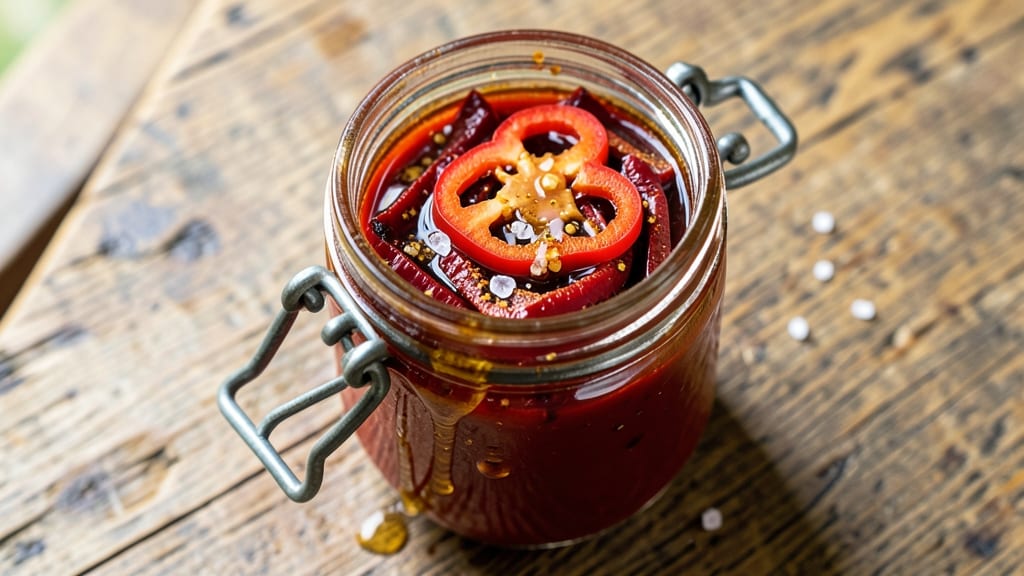
Transforming simple pantry staples into a homemade canned pepper sauce unlocks a versatile condiment that adds depth to everything from tacos to grilled meats. The process combines fresh peppers, vinegar, and spices into a balanced blend of heat and tang that keeps beautifully for months.
I developed this recipe after realizing how much better homemade versions taste compared to store-bought, especially when you control the spice level and sweetness.
This sauce requires just five core ingredients—peppers, vinegar, sugar, garlic, and salt—plus optional additions like smoked paprika or citrus juice for complexity. The sterilization process ensures safety while preserving that vibrant color and bold flavor.
Whether you prefer a mildly sweet version or a fiery heat, adjusting the pepper-to-sugar ratio gives you complete control over the final taste profile.
Once canned, this pepper sauce transforms into a multi-purpose condiment—drizzle it over tacos, use it as a marinade for chicken, or serve it as a spicy dipping sauce for fries. The acidity from vinegar helps balance the heat, while the sugar caramelizes slightly during canning, adding subtle depth.
With proper sterilization, these jars stay fresh for up to a year, making it a pantry essential for any home cook.
For those new to canning, I’ll walk through the sterilization steps and storage tips to ensure your sauce stays safe and flavorful. The key is patience—letting the sauce sit for at least 24 hours before canning allows the flavors to meld perfectly.
Ready to stock your pantry with this versatile, homemade heat? Let’s get started.
Ingredients for canned pepper sauce
Five core ingredients plus optional smoky depth—this pantry staple transforms into bold, homemade heat.
| Ingredient | Amount | Notes |
|---|---|---|
| Fresh Red Bell Peppers 🍆 | 3 whole | Seeds and ribs removed |
| White Vinegar 💧 | 2 cups | Distilled preferred for clarity |
| Granulated Sugar 🍚 | 1 cup | Adjust for sweetness preference |
| Garlic Cloves 🧄 | 4 cloves | Peeled and lightly crushed |
| Diamond Crystal Kosher Salt 🧂 | 1 ½ tsp | Fine grain preferred |
| Smoked Paprika 🌶️ | 1 tbsp | For depth and smokiness |
| Fresh Lemon Juice 🍋 | 1 tbsp | Brightens flavor profile |
| Canning Salt 🧂 | ½ tsp | For sterilization process |
The peppers are your flavor foundation. Red bell peppers give a sweeter base, but jalapeños or serranos add instant heat—mix them up for complexity. I always grab organic peppers from Whole Foods when possible (they're less likely to have wax residue), but any fresh peppers work. The vinegar? White vinegar is best for clarity, but apple cider vinegar adds subtle sweetness if you prefer that tang. Sugar isn't just for sweetness—it caramelizes during canning, adding depth. Turbinado sugar gives a nicer texture if you're feeling fancy, but granulated works perfectly fine.
No smoked paprika? Regular paprika plus a pinch of liquid smoke gets you close. Short on vinegar? White wine or apple cider vinegar both work—just reduce other liquids slightly to maintain balance. The lemon juice is optional but worth it (trust me on this). If you're canning a large batch, Trader Joe's sells bulk vinegar and sugar at great prices. For the garlic, I always crush it lightly—releases more flavor without turning bitter. And if you're worried about sterilization, Ball canning jars from any grocery store are your best bet—they're designed for this exact purpose.
This sauce keeps for up to a year when properly canned—just make sure your jars are sterilized and sealed correctly. I always label mine with the date (perfect for gifting!). For best flavor, let the sauce sit for 24 hours before canning—allows the peppers to soften and flavors to meld. Store in a cool, dark place, and your pantry will thank you. The first time I made this, I couldn't believe how much better homemade tasted compared to store-bought. Now it's a staple in my kitchen.
Why You'll Love This Recipe
- No-Chop Needed: I swear by this recipe because you barely touch a knife—just slice the peppers in half, roast them whole, and peel off the skin. The vinegar and sugar do all the work after that, turning them into something silky and sweet with zero fuss.
- Sweet Heat Balance: That first bite of roasted pepper meets tangy vinegar? It’s like summer in a jar. The sugar caramelizes just enough to mellow the garlic’s bite, but don’t worry—it’s still got enough kick to wake up even the blandest dish.
- Pantry Staple Power: Honestly, this sauce is my secret weapon for lazy nights. Drizzle it over grilled chicken, toss it into pasta, or slather it on sandwiches—it turns basic meals into something special without extra shopping trips.
- Lasts for Weeks: Between us, I make a big batch and it sits in my fridge for months. The acidity from the vinegar keeps it fresh, and the sugar preserves the peppers so they don’t get mushy. Plus, it’s cheap—just a few peppers and pantry basics mean no wasted money.
Step-by-step instructions for canned pepper sauce
Transform simple pantry staples into vibrant, heat-packed pepper sauce that rivals store-bought.
Prepare the Peppers and Aromatics
Cut the 3 whole fresh red bell peppers in half lengthwise and remove seeds and ribs using a small knife. This step is crucial—leaving seeds behind will make your sauce bitter. Chop the pepper halves into ½-inch thick strips, discarding any tough stems. In a separate bowl, gently crush the 4 peeled garlic cloves with the flat side of your knife blade to release their oils without mincing them.
Here's the thing—proper prep ensures even cooking and flavor distribution. If you're using particularly thick-walled peppers, you may need to slice them slightly thinner to prevent uneven texture in the finished sauce. Keep all prepped ingredients within easy reach for the next steps.
Sterilize Jars and Combine Ingredients
Wash the 4 canning jars and their lids in hot, soapy water, then rinse thoroughly. Place jars upside down on a baking sheet and heat in a 250°F oven for 10 minutes while you prepare the sauce. This sterilization step prevents spoilage and ensures your homemade sauce stays fresh.
In a large, non-reactive pot (stainless steel or enamel), combine the prepared red bell pepper strips, crushed garlic cloves, 1 cup granulated sugar, 1.5 teaspoons diamond crystal kosher salt, 1 tablespoon smoked paprika, and 1 tablespoon fresh lemon juice. Stir well to distribute all ingredients evenly throughout the mixture.
Simmer the Pepper Mixture
Pour the 2 cups white vinegar into the pot with the pepper mixture and bring to a boil over medium-high heat. Once boiling, reduce heat to medium-low and let it simmer uncovered for 20-25 minutes, stirring occasionally. You're looking for the peppers to soften completely while maintaining their shape—when a knife slides in easily, they're ready.
During this time, the vinegar will infuse the peppers with bright acidity while the sugar begins to dissolve, creating a balanced sweetness that cuts through the natural heat. If you notice the mixture reducing too quickly, you can add 1-2 tablespoons of water to maintain proper consistency.
Bottle and Process for Preservation
Using a slotted spoon, carefully transfer the pepper mixture to the sterilized jars, leaving about ½-inch headspace at the top. Add 0.5 teaspoon canning salt to each jar, then run a clean utensil around the inside of the jars to remove any air bubbles. Wipe the jar rims with a clean, damp cloth to ensure a proper seal.
Place the lids on the jars and screw on the bands until fingertip tight. Process the jars in a water bath canner for 15 minutes from the time the water returns to a rolling boil. This heat treatment kills bacteria and extends shelf life. Remove jars carefully and let them cool undisturbed for 12 hours before checking seals.
Store and Enjoy
Once cooled, store the sealed jars in a cool, dark place for up to 12 months. The sauce will continue to develop flavor as it ages. When ready to use, simply open a jar and shake gently to redistribute any settled ingredients. This homemade pepper sauce adds depth to sandwiches, marinades, or as a dipping sauce for fried foods.
Real talk: the first time you open a jar of this sauce, you'll be impressed by how vibrant and complex it tastes compared to store-bought versions. The balance of sweet, smoky, and tangy flavors makes it incredibly versatile in both sweet and savory dishes.
Pro Tips For Making Canned Pepper Sauce
- ROAST PEPPERS UNTIL BLISTERED: I learned this the hard way—stop roasting when the peppers’ skins blacken in spots and the flesh collapses slightly. Over-roasting turns them bitter. Toss them in a hot oven (475°F) for 15-20 minutes, then cool before peeling. The char adds depth, but burnt patches ruin the sauce.
- USE RAW GARLIC SLICES: Skip mincing—thinly sliced cloves (no peeling needed) infuse flavor without burning. Toss them in with the peppers while roasting. They’ll soften perfectly and blend right into the sauce when you purée. (Yes, even if you’re impatient like me.)
- SALT THE PEPPERS FIRST: Generously salt the raw peppers before roasting—about 1 teaspoon per pound. It draws out moisture, making them crispier when roasted and easier to peel later. Resist the urge to skip this; it’s the thing that matters most for texture.
- STRAIN FOR SMOOTHNESS: After simmering, strain the sauce through a fine-mesh sieve to remove garlic skins and any lingering bits. Sounds weird, but it works—especially if you’re using store-bought vinegar with sediment. The result is silky, not grainy. (Your future self will thank you.)
Creative variations of this dish
Sweet & Smoky Fusion
For a balanced sweet-heat profile, add 2 tbsp honey or agave nectar to the simmering mixture along with the sugar. I also swap ½ tsp cinnamon for the smoked paprika—this creates a BBQ-style sauce perfect for ribs or pulled pork.
The honey caramelizes beautifully during canning, adding depth that complements the vinegar's tang. 🍯
Fiery Habanero Heat
Replace red bell peppers with 2 habaneros (seeds removed for milder heat) and add 1 tbsp lime juice instead of lemon. This variation delivers a bright, citrusy kick that pairs perfectly with seafood or spicy tacos.
For extra intensity, leave some seeds in—just be warned, this sauce packs a punch! 🌶️
Ginger & Garlic Boost
Infuse the sauce with 1 tbsp fresh grated ginger and an extra 2 garlic cloves for an Asian-inspired twist. I also reduce the sugar to ½ cup and add 1 tsp sesame oil after canning.
This version works wonderfully as a marinade for tofu or grilled chicken skewers. The ginger adds a zesty warmth that cuts through the vinegar's sharpness. 🧄
Herb-Infused Classic
Add 1 tbsp chopped fresh thyme and 1 tsp dried oregano to the simmering mixture for a Mediterranean-inspired sauce. This variation shines on grilled vegetables, roasted meats, or as a dipping sauce for crusty bread. The herbs provide an earthy complexity that rounds out the peppers' natural sweetness. 🌿
Spicy Tomato Twist
Blend in ½ cup crushed San Marzano tomatoes with the peppers for a tomato-based pepper sauce. I also add 1 tsp dried basil and reduce the vinegar to 1½ cups to maintain balance.
This version works beautifully as a pasta sauce or pizza topping, offering a tangy, slightly sweet alternative to traditional marinara. 🍅
Citrus-Zested Bright
Zest 1 orange and 1 lemon directly into the simmering mixture for a vibrant, citrus-forward sauce. This variation pairs exceptionally well with grilled shrimp or as a marinade for chicken. The zest adds a refreshing brightness that contrasts beautifully with the vinegar's acidity. 🍋
Nutrition facts
Frequently asked questions
Can I use different types of peppers for this recipe?
For a milder sauce, stick with red bell peppers or yellow bell peppers. For heat lovers, swap in jalapeños, serranos, or even habaneros (remove seeds for less spice). Try mixing peppers—like red bell peppers with a few jalapeños—for a balanced sweet and spicy flavor. The key is adjusting the pepper-to-vinegar ratio to maintain consistency.
How do I adjust the sweetness or spice level?
For more sweetness, increase the sugar by ½ cup increments and reduce vinegar by ¼ cup to keep balance. For extra heat, add finely chopped fresh peppers or a pinch of cayenne pepper. To mellow the spice, strain out some pepper pieces or reduce simmering time slightly. Always taste before canning!
What if I don't have a water bath canner?
No problem! Use a large stockpot with a rack (or a clean towel) at the bottom to keep jars elevated. Fill with water until it covers the jars by 1-2 inches. Bring to a rolling boil and process for 15 minutes. Just ensure your jars are properly sterilized first. This method works just as well for safe preservation.
Can I make this pepper sauce without canning?
Yes! Skip the canning process and store the sauce in an airtight container in the fridge for up to 3 months. The flavors will still develop, though not as intensely. For a longer shelf life, freeze the sauce in ice cube trays or small jars—just thaw overnight in the fridge before using. Perfect for smaller batches!
What are the best ways to use this pepper sauce?
This versatile sauce works as a marinade for meats, a dipping sauce for fries or chips, or a topping for tacos, grilled veggies, and sandwiches. Try it in place of ketchup on burgers or mix it into mayo for a spicy coleslaw dressing. The tangy-sweet balance makes it a great glaze for roasted chicken or pork chops too!