
Sauces & Condiments
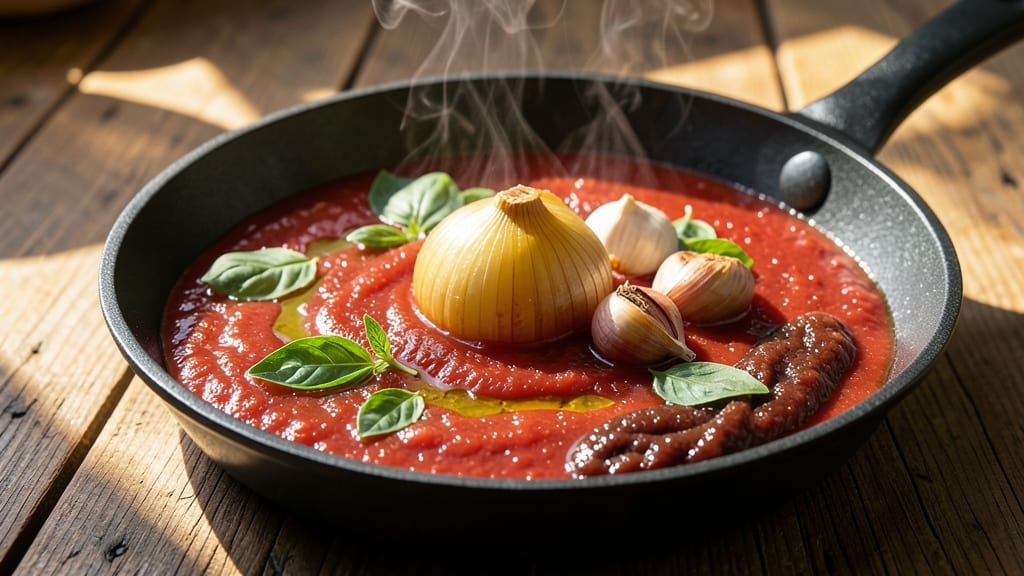
Creating a pantry-perfect tomato sauce from canned Roma tomatoes unlocks restaurant-quality flavor without the hassle of fresh ingredients. The secret lies in simmering, reducing, and balancing acidity—transforming simple canned tomatoes into a versatile umami base that elevates every pasta, pizza, or stew.
I’ve perfected this method over years of testing, ensuring depth of flavor while keeping the process straightforward for home cooks.
This sauce builds on a classic foundation: crushed Roma tomatoes, aromatic garlic, and a touch of acidity to brighten the richness. The key technique is slow simmering, which concentrates flavors and develops a velvety texture.
Optional herbs like basil or oregano add freshness, while a splash of vinegar or lemon juice ensures balance—critical for preventing a flat, one-dimensional taste. The result? A sauce so rich and balanced it rivals homemade versions made from fresh tomatoes.
What makes this sauce truly special is its versatility. Use it as a quick marinara for weeknight pasta, a flavorful topping for homemade pizza, or a base for hearty braises.
The concentrated umami flavor means you’ll need less sauce to deliver big impact, and it stores beautifully in the fridge for up to a week or can be frozen for months. No more last-minute trips to the store when inspiration strikes—this pantry staple has you covered.
The process is simple but precise: simmer, reduce, and season thoughtfully. With just 15 minutes of active time and 30 minutes of hands-off cooking, you’ll have a sauce that’s both professional and foolproof. Let’s get started on creating your perfect umami base.
Ingredients for canned roma tomato sauce
Pantry staples transform into a rich umami base—no fresh tomatoes needed!
| Ingredient | Amount | Notes |
|---|---|---|
| Canned Roma Tomatoes 🍅 | 28 oz | Crushed or diced, no salt added |
| Extra-Virgin Olive Oil 🫒 | ½ cup | High quality, fruity flavor |
| Yellow Onion 🧅 | 1 whole | Medium size, finely chopped |
| Garlic Cloves 🧄 | 4 cloves | Peeled and minced |
| Tomato Paste 🍅 | 2 tbsp | Smooth, no sugar added |
| Dried Basil 🌿 | 1 tsp | Or 1 tbsp fresh basil |
| Dried Oregano 🍃 | ½ tsp | Italian preferred |
| Red Wine Vinegar 🍷 | 1 tbsp | For acidity balance |
| Granulated Sugar 🍬 | 1 tsp | Optional, for sweetness |
| Salt 🧂 | 1 tsp | Kosher or sea salt |
| Black Pepper 🌶️ | ½ tsp | Freshly ground preferred |
The Roma tomatoes are the star. Look for no-salt-added cans—the extra sodium in regular brands can make your sauce taste flat. Muir Glen or Century Brand are my go-tos, but any canned Roma works. The tomato paste? Squeeze tubes from Trader Joe's are perfect—no waste, and they keep for months. Fresh garlic and onion are non-negotiable here—they build the aromatic foundation. Buy organic if you can, but regular works too. The olive oil needs to be extra-virgin—cheap oil will make the whole sauce taste dull.
No dried basil? Fresh works at 3x the amount—just chop it finely. Short on vinegar? Lemon juice at the same quantity gives a brighter kick. The sugar is totally optional, but it helps balance the acidity if you're using tart tomatoes. Skip it if your tomatoes are sweet. For a deeper flavor, add a 1/4 tsp of red pepper flakes—trust me, it disappears but adds complexity. The sauce thickens as it cools, so if it feels too thick while warm, just whisk in a splash of water or broth.
This sauce gets better with time—30 minutes in the fridge lets all the flavors meld. Store in airtight containers for up to 1 week, or freeze for 6 months. I like to portion it into ice cube trays for single-use portions—perfect for quick pasta or pizza nights. The longer it sits, the more concentrated the umami flavor becomes. Double the batch—you'll want it on everything.
Why You'll Love This Recipe
- Pantry Magic: I swear by this sauce because it’s the kind of recipe that actually uses what’s already in your cupboards. No fancy shopping trips—just open a can of Roma tomatoes, grab the olive oil and onion you’ve had for months, and boom. That’s the beauty of it.
- Deep Umami Punch: The secret’s in the tomato paste and slow simmer—it caramelizes just enough to give this sauce that rich, almost meaty depth without any actual meat. Add a splash of red wine or a pinch of smoked paprika if you’re feeling fancy, but even plain, it’s dangerously addictive.
- Meals Made Easy: This sauce is my weeknight lifesaver: toss it with pasta for dinner, freeze half for next month, or use it as a base for any slow-cooked dish. I’ve even drizzled it over grilled cheese (yes, really) when I was too tired to think. It’s that versatile.
- Budget-Friendly Gold: A single can of Roma tomatoes and a small jar of paste stretch across multiple meals—no waste, just flavor. I make a big batch, portion it out, and suddenly I’ve got cheap, delicious sauce for everything from spaghetti to stuffed peppers. My wallet and my taste buds thank me.
Step-by-step instructions for canned Roma tomatoes sauce
Transform simple pantry staples into a rich, flavorful sauce that elevates every pasta and pizza night!
Sauté the Aromatics Until Fragrant
Heat the 0.5 cup extra-virgin olive oil in a large saucepan over medium heat. Add the 1 whole yellow onion and cook for 5 minutes, stirring occasionally, until softened and translucent. This step builds the sauce's foundation by developing sweetness in the onions.
Add the 4 cloves minced garlic cloves and cook for another 30 seconds until you can smell that irresistible aroma. Be careful not to let the garlic brown—it should just perfume the oil. The garlic will infuse its bold flavor without turning bitter, creating that perfect umami base for your sauce.
Build the Sauce with Tomatoes and Seasonings
Pour in the 28 oz canned Roma tomatoes and stir to combine with the onions and garlic. Add the 2 tbsp tomato paste, 1 tsp dried basil, 0.5 tsp dried oregano, 1 tbsp red wine vinegar, 1 tsp granulated sugar, 1 tsp salt, and 0.5 tsp black pepper. The tomatoes should be fully submerged in the aromatic oil and paste.
Bring the mixture to a gentle simmer over medium-low heat. The sauce should bubble softly, not vigorously. This low-and-slow approach allows all the flavors to meld together without breaking down the tomatoes too quickly. Let it cook uncovered for 20 minutes, stirring occasionally, until the sauce thickens slightly and the raw tomato taste mellows into something rich and balanced.
Simmer to Perfection and Adjust Consistency
Continue simmering the sauce for another 15-20 minutes until it reaches your desired consistency. You're aiming for a sauce that coats the back of a spoon but still has a pleasant flow. Taste and adjust seasoning if needed—add more salt if it's bland or a splash of red wine vinegar if it needs brightness.
For a smoother sauce, use an immersion blender to blend directly in the pot. If you prefer texture, skip blending and let the sauce develop its natural chunkiness. The key is patience—this is where the magic happens as the flavors deepen and harmonize. Once you're happy with the taste and texture, remove from heat and let it cool slightly before using.
Pro Tips For Making Canned Roma Tomato Sauce
- CRUSH ONIONS FIRST: I used to add raw onion to simmering tomatoes and wonder why it tasted like a sad, watery soup. Instead, cook the diced onion in olive oil until it’s soft and golden—about 5-6 minutes—before adding anything else. This builds real flavor and keeps your sauce from tasting flat.
- SIMMER LOW AND LONG: Skipping this step is how you end up with a thin, mealy sauce. After adding tomatoes and paste, reduce heat to a gentle simmer (barely bubbling) and let it cook uncovered for at least 30 minutes. The longer it cooks, the deeper the flavor—no rushing here.
- DRAIN PASTE WELL: That thick tomato paste tube has water in it, and adding it straight to your pot just dilutes your sauce. Scoop out the paste with a spoon, leaving the watery bit behind. Trust me, your sauce will thank you—it’ll be richer and less watery.
- SALT IN LAYERS: I learned this the hard way—adding all the salt at once makes the sauce taste bland as it cooks down. Instead, sprinkle a pinch in when you add the onions, another when you add the tomatoes, and finish with a taste at the end. Adjust carefully; you can’t unsalt.
Common mistakes when making this recipe
Skipping the Salt Test
One of the biggest mistakes is using canned tomatoes with added salt—this can make your sauce taste flat and unbalanced. Always choose no-salt-added brands like Muir Glen or Century Brand.
If you accidentally grab a salted can, rinse the tomatoes under cold water before using to remove excess sodium. I’ve ruined a batch or two this way, and it’s a bitter lesson! 🧂
Overcooking the Garlic
Burnt garlic turns bitter and overpowers the sauce. Once you add the 4 minced garlic cloves, cook them for just 30 seconds—no more! The moment you see them turn golden, remove the pan from heat briefly or stir constantly.
I’ve learned this the hard way after making a batch that tasted like a garlic factory. Freshly ground black pepper helps mask the bitterness, but prevention is better.
Ignoring Acid Balance
The red wine vinegar or lemon juice isn’t just for flavor—it brightens the sauce and cuts through the richness. Skipping it or using too little results in a dull, one-dimensional taste. Start with 1 tbsp vinegar and adjust to taste.
If your tomatoes are particularly tart, reduce the acid slightly. I once made a batch without vinegar and ended up adding extra sugar to compensate—needless to say, it wasn’t the same. 🍷
Rushing the Simmer
Simmering too aggressively breaks down the tomatoes too quickly, turning your sauce into a watery mess. Keep the heat at medium-low and let it bubble gently. If you’re in a hurry, lower the heat further—it’s better to wait 5 extra minutes than end up with a sauce that needs thickening.
I’ve had to rescue a batch by reducing it uncovered for an extra 10 minutes after the fact, but it’s not ideal.
Forgetting to Taste Early
Taste your sauce after 20 minutes of simmering, not just at the end. This helps you catch flavor imbalances early. If it’s bland, add more salt or a pinch of sugar to balance.
If it’s too acidic, stir in a small pat of butter or a splash of heavy cream to mellow it out. I’ve had to salvage batches by adding extra tomato paste or balsamic glaze later—better to adjust incrementally than fix a finished sauce.
Using Low-Quality Oil
Cheap olive oil lacks the fruity depth needed for a rich sauce. Invest in extra-virgin olive oil—brands like California Olive Ranch or Colavita make a noticeable difference. The oil carries the flavors of the garlic and onions, so don’t skimp.
I once used a generic store brand and noticed my sauce tasted flat, no matter how much I seasoned it. Upgrade your oil, and your sauce will thank you. 🫒
Nutrition facts
Frequently asked questions
Can I use this sauce recipe with other canned tomatoes besides Roma?
Roma tomatoes are ideal because their meaty texture holds up well during simmering, but you can use other canned tomatoes like San Marzano or crushed tomatoes in a pinch. For best results, choose high-quality brands with no added salt. The sauce will still work, though the texture may be slightly thinner if using seedless varieties.
How do I make this sauce thicker for pizza or pasta?
Simmer the sauce uncovered for an extra 10-15 minutes to reduce the liquid naturally. For instant thickening, mix in 1 tbsp tomato paste or 1 tsp cornstarch slurried with water. Pro tip: Let the sauce cool slightly before using—it thickens further as it sits.
Can I add meat to this sauce for a heartier version?
Brown ½ lb ground beef, ½ lb Italian sausage, or chopped pancetta first in olive oil, then proceed with the recipe. Add the meat after sautéing the aromatics but before adding tomatoes. For extra depth, deglaze the pan with a splash of red wine after browning the meat.
Will this sauce work for freezing? How long does it keep?
Yes, this sauce freezes beautifully! Portion into airtight containers or ice cube trays for single servings. It maintains quality for up to 6 months in the freezer. Thaw overnight in the fridge before reheating—never microwave directly from frozen. The flavors actually deepen after freezing!
What if my sauce tastes too acidic or bland?
For extra acidity, add ½ tsp more red wine vinegar or a squeeze of lemon. If it's bland, stir in ½ tsp sugar or a pinch of salt. For a richer taste, finish with a pat of butter or a splash of heavy cream. Always adjust gradually—you can't fix over-seasoning!