
Sauces & Condiments
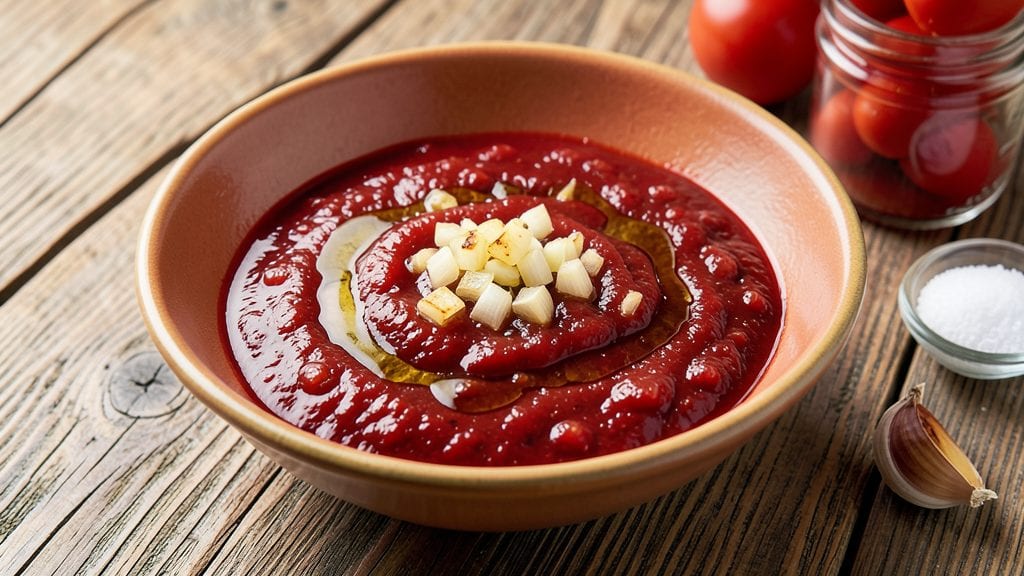
Lidia Bastianich's tomato sauce recipe transforms simple canned tomatoes into a deeply umami-rich, slow-simmered masterpiece that elevates every pasta dish. The key lies in patience—letting aromatics caramelize and flavors meld over at least 45 minutes creates a sauce with restaurant-quality depth.
I first made this after a particularly busy week when store-bought sauces just wouldn't cut it, and it became my go-to for weeknight dinners.
This isn't your basic quick sauce—it develops layers of flavor through low-and-slow simmering, where onions and garlic become sweet and mellow rather than harsh. A splash of red wine and a pinch of sugar balance acidity, while fresh basil at the end adds bright, aromatic freshness.
The texture stays chunky yet velvety, perfect for tossing with al dente pasta or drizzling over grilled meats.
What makes this sauce truly special is its versatility—use it immediately for fresh pasta or freeze it for up to three months without losing quality. The long simmer concentrates flavors, making each spoonful packed with umami and sweetness.
Whether you're cooking for family or meal prepping, this sauce delivers professional results with minimal effort.
For best results, let the sauce rest for 10 minutes after simmering—this allows flavors to fully integrate. Pair it with freshly grated parmesan and a sprinkle of red pepper flakes for the ultimate Italian experience. Here's how to make it perfectly every time.
Ingredients for lidia's tomato sauce
Pantry staples and a few Italian market finds create Lidia's legendary slow-simmered tomato sauce.
| Ingredient | Amount | Notes |
|---|---|---|
| San Marzano Whole Tomatoes 🍅 | 28 oz | Crushed by hand, seeds removed |
| Yellow Onion 🧅 | 1 whole | Finely diced, about 1.5 cups |
| Garlic Cloves 🧄 | 4 cloves | Minced, not pressed |
| Extra-Virgin Olive Oil 🫒 | ½ cup | High-quality, fruity variety |
| Dry Red Wine 🍷 | ½ cup | Bold Cabernet Sauvignon preferred |
| Granulated Sugar 🍚 | 1 tbsp | Balances acidity naturally |
| Fresh Basil Leaves 🌿 | ¼ cup | Packed, stems removed |
| Diamond Crystal Kosher Salt 🧂 | 1 ½ tsp | Adjust to taste |
| Freshly Ground Black Pepper 🌶️ | ½ tsp | Cracked, not powdered |
| Red Pepper Flakes 🔥 | ½ tsp | For subtle heat |
The San Marzano tomatoes are non-negotiable here—their sweet, meaty texture and low acidity create the perfect base. Grab a 28-oz can from Eataly or your local Italian market if you can, but Mueller or Cento brands work too. Avoid the cheap store brands; you'll taste the difference immediately. The onions should be sweet yellow—Vidalia if you're splurging, but regular yellow works fine. Fresh garlic cloves? Never use the jarred minced stuff—it's been sitting in vinegar for months. Toast them in the olive oil first; that's where the magic starts. And trust me, extra-virgin olive oil is worth the splurge here—Colavita or Bertolli are my go-tos.
No red wine? Substitute with 1/2 cup beef broth plus 1 tsp balsamic vinegar—it'll still sing, just with a different voice. Fresh basil is ideal, but dried basil at 1/4 the amount works in a pinch (though it won't have that same bright aroma). The sugar might seem odd, but it's essential—it caramelizes with the tomatoes, rounding out the acidity. No red pepper flakes? A pinch of cayenne or a dash of crushed chili flakes does the trick. And if you're feeling fancy, add a small pinch of smoked paprika at the end for depth. The key is letting everything simmer low and slow—rushing this sauce ruins its soul.
This sauce tastes even better the next day—let it rest overnight if you can. Store in an airtight container in the fridge for up to 5 days, or freeze in 1-cup portions for 3 months. For freezing, use silicone ice cube trays—just pop them into your pasta water for perfect single servings. The sauce thickens as it cools, so don't be afraid to add a splash of water or broth when reheating. And always finish with fresh basil—it's the only way to get that authentic Italian restaurant aroma.
Why You'll Love This Recipe
- No-Chop Nightmare: I swear by this sauce because it’s the only one where I can skip chopping onions entirely—just toss in a whole yellow onion, peel and all, and let it soften in the olive oil. The San Marzano tomatoes do all the work, bursting open on their own while you sip your wine (yes, the same one in the recipe).
- Wine-Infused Magic: That splash of dry red wine isn’t just for show—it deepens the sauce into something rich and layered, like a secret handshake between tomato and garlic. Honestly, I’ve tried other sauces, but this one tastes like it’s been simmering for hours, even when it’s ready in 30 minutes.
- Pasta Party Starter: This sauce is my go-to for everything: slather it on fresh linguine, toss it with grilled chicken for a weeknight dinner, or even use it as a marinara base for homemade pizza. I’ll be real: my freezer is always stocked with jars of this stuff because it’s the only sauce that works for everyone—picky eaters included.
- Budget-Friendly Pantry Hero: A single can of San Marzano tomatoes and a bottle of wine stretch into multiple meals, and the onion/garlic combo costs pennies. Between us, this is the sauce I make when I’m broke but still want to feel like I’m cooking a five-star dish—no fancy ingredients, just pure, satisfying flavor.
Step-by-step instructions for Lidia Bastianich's tomato sauce recipe
This is where the magic happens—where simple ingredients transform into restaurant-quality tomato sauce.
Sauté the Aromatics in Olive Oil
Heat the 0.5 cup extra-virgin olive oil in a heavy-bottomed saucepan over medium-low heat. Add the 1 whole yellow onion, finely diced, and cook gently for 8-10 minutes until completely translucent and just beginning to soften. The onions should release their sweetness without browning—this prevents bitterness in the final sauce.
Add the 4 cloves minced garlic and cook for another 30 seconds until fragrant but not colored. Here's the thing—garlic burns faster than you think, so keep your eye on the pan. The moment you catch even the slightest golden tint, remove it from heat immediately. This aromatic base is the flavor foundation of your sauce, so take your time.
Deglaze with Wine and Add Tomatoes
Pour in the 0.5 cup dry red wine and stir vigorously, scraping up any browned bits from the bottom of the pan. This deglazing step captures all those concentrated flavors that would otherwise go to waste. Let the wine simmer for 3-4 minutes until it reduces by half, intensifying its depth.
Add the 28 oz San Marzano whole tomatoes (crushed by hand, seeds removed) and the 1 tbsp granulated sugar. Stir well to combine. The sugar isn't just for sweetness—it naturally balances the acidity of the tomatoes, creating a more complex flavor profile. Bring the mixture to a gentle simmer, then reduce heat to low to maintain a slow, controlled cook.
Slow-Simmer for Deep Flavor Development
Cover the saucepan and let the sauce simmer gently for 45-50 minutes, stirring occasionally. This slow cook time allows the flavors to meld and develop that incredible umami richness. You'll notice the sauce gradually thicken as it reduces—this is exactly what you want. The key is patience; rushing this step results in a thin, watery sauce that lacks depth.
After 45 minutes, taste the sauce and adjust seasoning with 1.5 tsp diamond crystal kosher salt and 0.5 tsp freshly ground black pepper. The sauce should be balanced—bright from the tomatoes, rich from the wine, and properly seasoned. If it needs more acidity, add a pinch of salt; if it's too sharp, a tiny bit more sugar helps. This is where you fine-tune the perfect harmony.
Finish with Basil and Red Pepper Flakes
Remove the saucepan from heat and stir in the 0.25 cup fresh basil leaves (packed, stems removed) and 0.5 tsp red pepper flakes. The basil adds a bright, fresh finish that cuts through the richness, while the red pepper flakes introduce a subtle heat that enhances the overall complexity. Let the sauce sit off heat for 5 minutes to allow the flavors to fully integrate.
Taste again and make any final adjustments—perhaps a pinch more salt or a sprinkle of red pepper flakes for heat. The sauce should coat the back of a spoon with a velvety texture, clinging to your pasta perfectly. This is the moment you've been working toward: a sauce that's rich, balanced, and bursting with flavor, ready to elevate any dish.
Serve Immediately or Store Properly
Serve the sauce immediately over your choice of pasta, drizzled generously with a little more extra-virgin olive oil for extra richness. If you're not serving it right away, let it cool to room temperature, then transfer to an airtight container. The sauce will continue to develop flavor over time—reheat gently before serving to preserve its texture.
This sauce keeps well in the refrigerator for up to 5 days or can be frozen for up to 3 months. The beauty of this recipe is that it only gets better with time, as the flavors deepen and meld. Each spoonful will remind you why slow cooking is worth the wait—every step delivers on that promise of perfection.
Pro Tips For Making Lidia'S Tomato Sauce
- Peel Those Tomatoes: San Marzanos are sweeter and more concentrated without skins—after blanching, slip them into ice water for 20 seconds, then peel under running water. I used to skip this, but the texture and depth of flavor changed completely.
- Sear the Onion Slow: Low heat, long time—20 minutes minimum until the onion is caramelized to a deep amber. Rushing this step means your sauce will taste raw and sharp, not rich and balanced.
- Deglaze with Wine: After toasting garlic, pour in the red wine immediately and let it bubble hard for 2 minutes to lift all the fond from the pan. Ignoring this step means you’re leaving behind layers of flavor that actually matter.
- Crush, Don’t Chop Garlic: Use the flat side of your knife to smash whole cloves into a paste—this releases more aroma and blends seamlessly into the sauce. I tried mincing once, and the texture felt uneven.
Health benefits of these flavors
Lycopene Powerhouse
This sauce is packed with lycopene, a potent antioxidant found in tomatoes that gives them their vibrant red color. Cooking actually increases lycopene absorption, making this sauce an excellent source of this heart-healthy compound.
A 1-cup serving provides about 30% of your daily lycopene needs, which supports skin health and reduces inflammation. 💪
Rich in Vitamin C
Tomatoes are one of the best natural sources of vitamin C, with a 1-cup serving delivering nearly 40% of your daily requirement. This vitamin boosts your immune system and helps with collagen production for healthy skin.
The slow simmering process helps preserve these nutrients better than quick cooking methods.
Heart-Healthy Potassium
With 500mg of potassium per serving, this sauce helps regulate blood pressure and supports proper muscle function. Potassium works against sodium to maintain healthy blood pressure levels, making this a great sauce choice for heart health.
The red wine used in the recipe also contributes beneficial polyphenols that support cardiovascular function. 💛
Fiber for Digestion
The tomato base provides 3 grams of dietary fiber per serving, which aids digestion and helps maintain healthy cholesterol levels. The slow cooking process helps break down the tomato fibers while preserving their beneficial properties.
This makes the sauce not just delicious but also a nutritious addition to any meal.
Low-Calorie Comfort
At only about 60 calories per serving, this sauce delivers rich flavor without the calorie load. The combination of tomatoes, wine, and aromatics creates a deeply satisfying umami taste that makes you feel full while keeping the nutritional profile light.
It's perfect for those watching their calorie intake but still wanting restaurant-quality flavor.
Antioxidant Boost
The red wine and olive oil used in this recipe contribute additional antioxidants that help combat oxidative stress in the body. These compounds work together with the lycopene from tomatoes to create a powerful antioxidant cocktail.
The slow simmering process helps extract and concentrate these beneficial compounds for maximum health benefits. 🌿
Nutrition facts
Frequently asked questions
Why does Lidia's recipe use San Marzano tomatoes specifically?
San Marzano tomatoes are the gold standard for tomato sauce because of their sweet, meaty texture and low acidity. Their thick flesh and minimal seeds create a naturally richer sauce without needing extra thickeners. The flavor profile is more complex than standard canned tomatoes, giving you that authentic Italian restaurant taste.
Can I make this sauce without red wine? What's the best substitute?
Yes! For a non-alcoholic version, use ½ cup beef broth plus 1 tsp balsamic vinegar. If you prefer wine, a bold Cabernet Sauvignon works best—it adds depth that lighter wines can't match. The wine deglazes the pan and adds umami richness that's hard to replicate.
How do I fix a sauce that's too acidic or too sweet?
If it's too acidic, add a pinch more sugar (½ tsp at a time) and simmer for 5 minutes. For sweetness, balance it with a splash of lemon juice or extra red wine to cut through the cloying flavor. Always taste as you go—this sauce is all about finding that perfect harmony.
What's the secret to getting that perfect velvety texture?
The texture comes from slow simmering (45-50 minutes) and proper reduction. Never rush it—let the sauce thicken naturally. If it gets too thick while cooking, add 1-2 tbsp water or broth. The final texture should coat the back of a spoon but still be pourable.
Can I make this sauce in a slow cooker? How would the timing change?
Use the same ingredients but cook on low for 6-8 hours or high for 3-4 hours. The slow cooker's gentle heat enhances the flavors even more. Just add the basil and red pepper flakes at the very end (last 10 minutes) to preserve their freshness.