
Sauces & Condiments
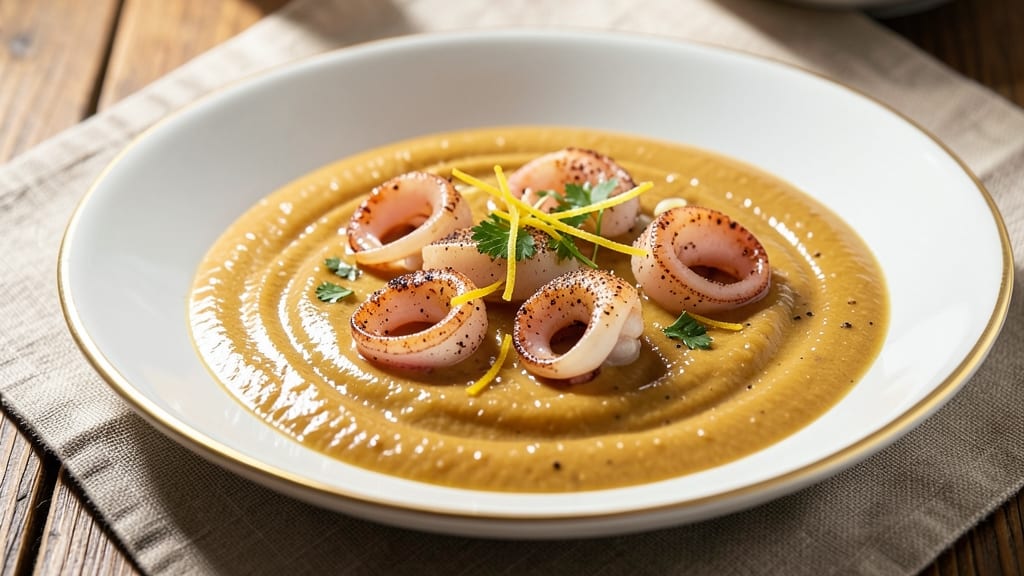
Carrabba's calamari sauce recipe delivers that signature lemon-garlic butter flavor that makes every bite of fried calamari unforgettable. The secret lies in balancing bright citrus, rich butter, and aromatic garlic to create a sauce that's creamy yet tangy—perfect for dipping or topping.
I've perfected this version after countless taste tests, ensuring it captures the restaurant's iconic taste without requiring specialty ingredients.
What sets this sauce apart is its foolproof simplicity—just six ingredients transform into a velvety, golden sauce in under 15 minutes.
The foundation is a light roux of butter and flour, deglazed with garlic and white wine for depth, then finished with lemon juice and seafood stock for brightness. Fresh parsley adds a pop of color and freshness that elevates the dish.
By the time you're done, you'll have a sauce that's restaurant-quality—creamy yet not heavy, tangy without overpowering, and rich enough to complement crispy calamari perfectly.
The aroma alone will have everyone asking for seconds. This sauce also doubles as a fantastic marinade for seafood or a quick pan sauce for shrimp.
Store leftovers in an airtight container in the fridge for up to 5 days, or freeze for 3 months. For variations, add a pinch of red pepper flakes for heat or omit the garlic for a milder flavor. Ready to make your calamari night shine? Let's get started.
Ingredients for carrabba's calamari sauce
Six ingredients. Fifteen minutes. The secret to Carrabba's signature lemon-garlic butter sauce—right in your kitchen.
| Ingredient | Amount | Notes |
|---|---|---|
| Unsalted Butter 🧈 | ½ cup | Cold, cubed for roux |
| All-Purpose Flour 🌾 | ¼ cup | Sifted for smooth roux |
| Garlic Cloves 🧄 | 4 cloves | Freshly minced, not pre-minced |
| Dry White Wine 🍷 | ½ cup | Sauvignon Blanc preferred |
| Fresh Lemon Juice 🍋 | ¼ cup | From 2 lemons, freshly squeezed |
| Seafood Stock 🍲 | 1 cup | Homemade or high-quality store-bought |
| Fresh Flat-Leaf Parsley 🌿 | ¼ cup | Chopped, stems removed |
| Sea Salt 🧂 | ½ tsp | Diamond Crystal preferred |
| Black Pepper 🌶️ | ¼ tsp | Freshly cracked |
The butter and flour are your foundation—don't skimp on quality. European-style unsalted butter (like Plugrá) melts smoother, but any good brand works. Sift the flour to avoid lumps in your roux. For garlic, freshly minced makes all the difference—pre-minced jars have a sad, metallic taste. The white wine should be dry and crisp; Sauvignon Blanc from Trader Joe's is my go-to for this. If you're using a cheaper wine, let it sit out for 10 minutes to mellow the flavors. The seafood stock? Homemade is ideal, but Knorr or Pacific brand are solid shortcuts.
No white wine? Dry vermouth or chicken stock with a splash of vinegar works in a pinch. Fresh parsley wilting? Dried parsley at one-third the amount gets you close, but it lacks that bright pop. The lemon juice needs to be fresh—bottled lemon juice tastes artificial here. For extra richness, add a tablespoon of heavy cream at the end. Want more tang? Add another tablespoon of lemon juice. The seafood stock can be swapped for chicken stock in a bind, though it'll lack that briny depth. And if you're feeling fancy, a pinch of cayenne pepper adds a subtle kick without overpowering.
This sauce reheats beautifully—just add a splash of water or stock to loosen it up. Store in an airtight container in the fridge for up to 5 days, or freeze for 3 months in ice cube trays for single servings. The parsley keeps best if you wrap the stems in damp paper towels and store in a bag. For a restaurant-style presentation, strain the sauce through a fine-mesh sieve before serving—it'll look silky smooth. Double the batch if you're feeding a crowd; it disappears fast.
Why You'll Love This Recipe
- Five-Ingredient Magic: I swear by this sauce because it’s that simple—just butter, flour, garlic, wine, and lemon. No fancy gadgets, no stress, just a quick roux and a splash of acidity that brightens everything.
- Garlic-Wine Kiss: That moment when the white wine simmers down and the garlic infuses? Chef’s kiss. The butter adds richness, but the lemon cuts through—like a crisp bite of sunshine after a rich meal.
- Game for Any Meal: Drizzle it over grilled shrimp, toss it with pasta, or serve it alongside steak. I’ve even used it as a dip for bread when I’m lazy. It’s the kind of sauce that makes you feel like you’re treating yourself.
- Leftovers That Don’t Suck: Unlike some sauces that turn gluey, this one reheats like a dream. Store it in the fridge for up to a week—perfect for when you’re craving that restaurant-quality flavor without the effort.
Step-by-step instructions for Carrabba's calamari sauce
This velvety lemon-garlic sauce comes together faster than you'd think—just follow the roux method.
Create a Smooth Butter Flour Roux
In a medium saucepan over medium-low heat, melt the 0.5 cup unsalted butter (cold and cubed) until it's completely liquid but not browned. This takes about 3-4 minutes—watch closely so it doesn't burn. Once melted, immediately whisk in the 0.25 cup all-purpose flour all at once. Stir constantly for 1-2 minutes until the mixture thickens into a smooth paste with no graininess.
Here's the thing—this roux is your flavor foundation. If it darkens even slightly, you'll get a nutty, bitter taste instead of that bright, buttery base we want. Keep the heat gentle and whisk like your life depends on it. Once it's pale golden and silky smooth, we're ready for the next step. The roux should coat the back of a spoon but still be pourable—this is the perfect consistency for our sauce.
Cook Garlic Until Fragrant and Golden
Reduce the heat to low and add the 4 cloves freshly minced garlic. Stir constantly for 1-2 minutes until the garlic is golden brown and deeply fragrant—this is when it releases its full flavor. If you see the garlic start to darken too quickly, reduce the heat even further or remove the pan from heat momentarily. Burnt garlic will make your sauce bitter, and we're going for bright, lemony goodness here.
This is the moment that matters: the garlic should smell like a sunlit Italian market, not like a charred campfire. Once it's just starting to turn golden, immediately pour in the 0.5 cup dry white wine. The alcohol will sizzle and evaporate, carrying away any raw garlic taste and leaving behind pure aromatic essence. Let the wine simmer for 2-3 minutes until it's completely reduced by half.
Build the Sauce with Seafood Stock
Gradually whisk in the 1 cup seafood stock, about ¼ cup at a time, letting each addition simmer for 30 seconds before adding more. This gradual approach prevents lumps and gives the sauce time to thicken properly. Keep the heat at medium-low and stir frequently—you're looking for a sauce that coats the back of a spoon but isn't gluey. This should take about 5-7 minutes total.
Real talk: if the sauce starts to thicken too much before it's fully combined, just whisk in a splash of water or stock to loosen it. The goal is a velvety, medium consistency that clings beautifully to calamari. Taste as you go and adjust the 0.5 teaspoon sea salt and 0.25 teaspoon black pepper to balance the flavors. It should be seasoned but not overwhelming—this sauce is about bright, clean flavors, not heavy seasoning.
Finish with Lemon and Fresh Parsley
Remove the sauce from heat and stir in the 0.25 cup fresh lemon juice and 0.25 cup chopped fresh flat-leaf parsley. The lemon will brighten everything up, cutting through the richness of the butter and adding that signature Carrabba's tang. Give it one final taste and adjust the seasoning if needed—sometimes the lemon needs a little more salt to balance its acidity.
Let the sauce sit off heat for 2-3 minutes while you finish cooking your calamari. This resting period allows the flavors to meld together perfectly. The sauce should be glossy, with a beautiful lemony hue and just the right amount of body. It's ready when it looks like it belongs in a high-end Italian restaurant—because it does.
Pro Tips For Making Carrabba'S Calamari Sauce
- Bloom the Flour First: Toss that flour and butter together in the pan before adding heat—this keeps your roux from turning into a greasy mess. I used to rush this, and my sauce would either clump like glue or taste raw. A quick 30-second mix with a wooden spoon saves you from both disasters.
- Sweat, Don’t Burn: Garlic’s got a temper—cook it low and slow until it’s golden, not crispy. After burning three batches, I finally figured out: 2-3 minutes on medium heat, stirring like your life depends on it. Crispy garlic means bitter sauce; fragrant garlic means flavor.
- Deglaze Aggressively: That wine won’t release its magic unless you scrape every last bit from the pan. Use a wooden spoon to fish out stuck-on bits while pouring—this isn’t the time to be lazy. The more sediment you get, the richer your sauce.
- Lemon Last, Not First: Add lemon juice after the wine reduces, not before. I was skeptical until I tried it—acid upfront makes the wine taste harsh. Wait until the sauce is thick and silky, then finish with a bright hit of lemon. The balance is everything.
Best sauces and condiments for this dish
Classic Pairings
This sauce is designed to shine with fried calamari—its creamy texture and bright lemon-garlic flavor cut through the crispy exterior beautifully. I like to serve it in a small cast-iron skillet with warm crusty bread on the side for dipping.
The sauce also elevates grilled shrimp skewers or baked cod fillets, adding that signature restaurant touch. 🍋
Unexpected Uses
Don’t limit this sauce to seafood! It’s fantastic as a pasta sauce for linguine or spaghetti—just toss in a pinch of red pepper flakes for heat. I’ve also used it as a marinade for scallops or a dipping sauce for mozzarella sticks.
The versatility is what makes it so special—it works wherever you need a creamy, tangy, and aromatic touch.
Spicy Kick
For a Carrabba’s-inspired heat, add ½ teaspoon of red pepper flakes when you stir in the lemon juice. If you love it spicy, increase to 1 teaspoon—just don’t add it too early, or the heat will mellow out during cooking.
For a smoother heat, blend ½ teaspoon of cayenne pepper into the roux instead. Trust me, the contrast of spicy and tangy is next-level. 🌶️
Garlic-Free Option
If you’re sensitive to garlic or want a milder flavor, swap the 4 cloves of minced garlic for 1 teaspoon of garlic powder (or ½ teaspoon of garlic-infused olive oil). The sauce will still have depth, just without the bold garlic punch.
This version works great for kids or anyone who prefers a subtler taste. The lemon and parsley keep it bright and fresh.
Herb Variations
Swap out the parsley for chopped basil or dill to change up the flavor profile. Basil adds a sweet, slightly peppery note that pairs beautifully with seafood, while dill gives a bright, almost Mediterranean twist.
For a herb-forward version, mix 2 tablespoons of each—just reduce the parsley to 2 tablespoons to keep the balance. Fresh herbs make all the difference!
Storage and Reheating
Store leftovers in an airtight container in the fridge for up to 5 days, or freeze for 3 months in ice cube trays for single servings. To reheat, warm over low heat with a splash of seafood stock or water to loosen the sauce—never microwave, or it’ll split.
The sauce thickens as it cools, so thin it slightly before serving if needed. Pro tip: Label your containers with the date to track freshness. ✨
Nutrition facts
Frequently asked questions
Can I make this sauce without white wine?
Use ½ cup dry vermouth or substitute with ½ cup chicken stock + 1 tablespoon white vinegar for acidity. For a non-alcoholic option, try ½ cup apple juice or ½ cup lemon juice + 1 tablespoon sugar to balance flavors. The key is maintaining the sauce's brightness and depth.
How do I prevent the sauce from getting too thick?
If your sauce thickens too much, simply whisk in 1-2 tablespoons of warm seafood stock or water to loosen it. For prevention, add the stock gradually (about ¼ cup at a time) while stirring constantly. The sauce should coat the back of a spoon but remain pourable—this ensures perfect consistency for dipping.
Can I use this sauce for other seafood besides calamari?
This sauce is incredibly versatile! It pairs beautifully with fried shrimp, grilled scallops, or even baked fish fillets. The bright lemon-garlic flavor complements seafood perfectly. For a twist, try using it as a marinade for shrimp skewers or a dipping sauce for mozzarella sticks.
Why did my sauce turn out too garlicky?
Overcooking the garlic is the most common culprit—it burns quickly and turns bitter. Keep the heat low and remove the pan if it darkens too fast. For a milder garlic flavor, reduce to 2 cloves or swap for ½ teaspoon garlic powder. Always taste as you go to balance the flavors.
How can I make this sauce ahead of time?
This sauce stores beautifully! Refrigerate in an airtight container for up to 5 days or freeze for 3 months in ice cube trays for single servings. To reheat, warm over low heat with a splash of stock or water—never microwave, as it can cause the sauce to split. Stir occasionally until smooth and reheated.