
Sauces & Condiments
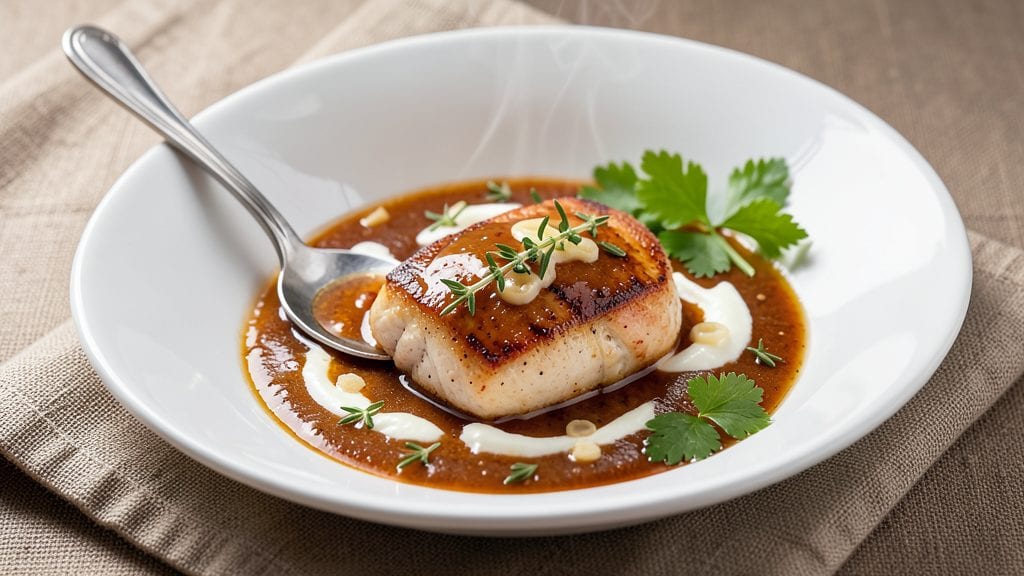
This Carrabba's Marsala sauce recipe captures the restaurant's signature richness—deep, wine-infused, and perfectly balanced between savory and sweet. The secret lies in slow reduction of Marsala wine with butter, shallots, and herbs, creating a velvety sauce that elevates chicken, pasta, or even steak to restaurant-quality levels.
What sets this sauce apart is the careful balance of ingredients: Marsala wine provides the signature depth, while butter and cream add luxurious body. Shallots contribute subtle sweetness, and fresh herbs like thyme and parsley brighten the final flavor.
The slow reduction process concentrates the wine's natural sweetness, resulting in a sauce that's rich yet never overpowering.
The process is straightforward but requires patience—deglazing the pan with Marsala wine and reducing it gradually transforms simple ingredients into something extraordinary. This sauce keeps well in the refrigerator for up to a week, making it perfect for meal prep or gifting to fellow home cooks.
Whether you're drizzling it over chicken parmesan or tossing it with fettuccine, this Marsala sauce delivers the same depth of flavor that makes Carrabba's dishes legendary. Let's create it step by step—your taste buds will thank you.
Ingredients for carrabba's marsala sauce
Nine essential ingredients transform into Carrabba's signature Marsala sauce—deep, velvety, and perfectly balanced.
| Ingredient | Amount | Notes |
|---|---|---|
| Dry Marsala Wine 🍷 | 1 cup | High-quality, unsweetened variety |
| Unsalted Butter 🧈 | ½ cup | Cold, cubed for even melting |
| Heavy Whipping Cream 🥛 | ½ cup | Full-fat for maximum richness |
| Shallots 🧅 | 4 whole | Finely minced, not sliced |
| Fresh Thyme Leaves 🌿 | 1 tbsp | Or 1 tsp dried thyme |
| Fresh Parsley Leaves 🌿 | ¼ cup | Chopped, for finishing |
| Granulated Sugar 🍚 | 1 tsp | Balances acidity of wine |
| Diamond Crystal Kosher Salt 🧂 | ½ tsp | Adjust to taste |
| Freshly Ground Black Pepper 🌶️ | ¼ tsp | Lightly cracked |
| Extra-Virgin Olive Oil 🫒 | 1 tbsp | For deglazing pan |
The Marsala wine is the heart of this sauce, so avoid sweetened varieties—they'll throw off the delicate balance. Whole Foods or specialty liquor stores carry high-quality options like Antica Formula or Caruso. Shallots, not onions, provide the subtle sweetness Carrabba's version relies on—mince them finely to avoid bitterness. Fresh thyme and parsley are non-negotiable for that restaurant-quality aroma; dried herbs can substitute but lack complexity. For the butter, Plugrá or European-style brands melt more smoothly than American varieties. The sugar isn't about sweetness—it's about cutting through the wine's acidity during reduction.
No Marsala wine? Substitute with equal parts dry sherry and white wine vinegar, though the flavor will differ slightly. Heavy cream can be swapped for half-and-half, but the sauce will be lighter. If you're avoiding dairy entirely, coconut cream works but alters the texture. The olive oil matters more than you'd think—use a fruity, peppery variety like California Early Harvest to complement the wine. For a deeper flavor, toast the shallots in the olive oil for 2-3 minutes before adding wine. The sugar can be omitted entirely if your Marsala is particularly dry, but most commercial bottles benefit from the balance.
This sauce develops flavor as it rests, so plan to let it sit for at least 30 minutes before serving. Store in an airtight container in the refrigerator for up to 7 days, with a thin layer of plastic wrap pressed directly onto the surface to prevent skin formation. For gifting, portion into small jars—1/4 cup servings work perfectly. Freeze for up to 3 months by layering with parchment paper between each portion. Reheat gently over low heat, stirring occasionally, until warmed through—never microwave, as it can break the sauce's emulsion.
Why You'll Love This Recipe
- Pantry Magic: I swear by this sauce because it uses what I already have—no last-minute grocery runs. That bottle of Marsala wine gathering dust? Perfect. A stick of butter, a splash of cream, and a handful of thyme? Boom, dinner’s saved.
- Rich Without Effort: The Marsala wine cuts through the richness of the butter and cream, balancing it into something velvety yet bright. The shallots caramelize in minutes, adding depth without burning—no fancy technique required.
- Weeknight to Weekend: Slather it over chicken for a quick weeknight meal, or drizzle it on steak for a fancy date night. It’s my go-to for pasta, roasted veggies, or even mashed potatoes when I’m feeling lazy but still want to impress.
- Leftovers That Don’t Suck: This sauce actually improves the next day—thicker, deeper, and just as delicious. I make a double batch, freeze half, and pull it out for last-minute dinners. (Yes, even on a Tuesday night.)
Step-by-step instructions for Carrabba's Marsala sauce recipe
This method delivers restaurant-quality Marsala sauce with deep, wine-reduced richness perfect for chicken or pasta.
Sauté Shallots Until Translucent
Heat the 1 tablespoon extra-virgin olive oil in a medium saucepan over medium-low heat. Add the 4 whole shallots, finely minced, and cook for 8-10 minutes until completely translucent and just beginning to soften. You'll know they're ready when they lose their raw bite and develop a gentle sweetness.
I use medium-low heat here to prevent browning—shallots should sweat gently rather than caramelize. Stir occasionally to ensure even cooking. If they start to color too quickly, reduce the heat slightly. This foundational step builds the sauce's aromatic base, so don't rush it.
Deglaze with Marsala Wine
Increase heat to medium-high and pour in the 1 cup dry Marsala wine. Immediately scrape up any browned bits from the pan's bottom with a wooden spoon—these contain concentrated flavor. Let the wine reduce by half, which takes about 3-4 minutes, until the liquid clings to the back of a spoon.
Here's where the sauce develops its signature depth. The alcohol evaporates, leaving behind rich wine essence and complex flavors. If the reduction proceeds too quickly, lower the heat slightly to prevent scorching. You're looking for a syrupy consistency that coats the pan evenly.
Incorporate Butter and Cream
Reduce heat to medium-low and add the ½ cup unsalted butter, cut into small cubes. Stir constantly until the butter melts completely and the sauce begins to emulsify, about 2-3 minutes. Then whisk in the ½ cup heavy whipping cream and continue cooking until the sauce thickens slightly, another 2-3 minutes.
The butter adds luxurious mouthfeel while the cream rounds out the sauce's acidity. This is the moment where all components come together—watch for small bubbles forming along the edges, signaling proper thickening. If the sauce separates, whisk vigorously to re-emulsify it.
Season and Finish
Remove the sauce from heat and stir in the 1 tablespoon fresh thyme leaves, 1 teaspoon granulated sugar, ½ teaspoon diamond crystal kosher salt, and ¼ teaspoon freshly ground black pepper. Let the mixture steep off heat for 5 minutes to allow flavors to meld completely.
The sugar balances the wine's acidity while the thyme adds herbal brightness. This resting period is crucial—it allows the seasonings to integrate without cooking them into bitterness. Taste and adjust seasoning if needed, remembering that the sauce will continue to develop as it sits.
Garnish and Serve
Before serving, stir in the ¼ cup chopped fresh parsley leaves and keep the sauce warm over low heat if not using immediately. The parsley adds freshness and visual appeal, completing the sauce's flavor profile. For best results, use within 2 hours of preparation, as the sauce continues to deepen in flavor.
This sauce pairs beautifully with chicken marsala or tossed with fettuccine. The key to success lies in patience—allowing each component to develop its full potential before combining. The result should be velvety, wine-forward, and perfectly balanced in acidity and richness.
Pro Tips For Making Carrabba'S Marsala Sauce
- Sweat Shallots Slowly: I learned this the hard way—rushing the shallots turns them bitter and muddies the sauce. Cook them on medium-low heat for 8-10 minutes until they’re translucent and just starting to caramelize, stirring every 30 seconds. That’s when their sweetness shines through the Marsala.
- Deglaze with Wine Heat: Pour the Marsala into the pan after removing it from heat—it’s safer and prevents alcohol from burning off too fast. Then, immediately return the pan to medium heat and let it bubble for 2-3 minutes before adding cream. This keeps the wine’s depth instead of turning it into vinegar.
- Strain the Cream: Heavy whipping cream can curdle when simmered, and no one wants lumpy Marsala sauce. After adding the cream, simmer for exactly 3-4 minutes, then strain it through a fine-mesh sieve into a clean bowl. It’s a little extra work, but the result is silky smooth—no excuses.
- Salt the Butter First: Toss a pinch of salt into the cold butter before melting it into the shallots. The butter absorbs the salt evenly, and you won’t end up guessing how much to add later. Trust me, your sauce will taste more balanced without the last-minute salt panic.
Serving suggestions for this dish
Pasta Pairings
This Marsala sauce transforms fettuccine alfredo into a luxurious dish by adding depth and richness. Toss 2 servings of cooked fettuccine with ½ cup sauce per serving, then top with grated Parmigiano-Reggiano and fresh parsley. The sauce's velvety texture coats each noodle perfectly, creating a restaurant-worthy meal. 🍝
Chicken Dishes
For chicken marsala, pair the sauce with 6-ounce chicken breasts seared in butter until golden. Deglaze the pan with ¼ cup Marsala wine before adding the sauce, then simmer for 5 minutes.
The sauce's wine-forward flavor complements the tender chicken beautifully. Garnish with extra thyme for an aromatic finish.
Seafood Options
Try this sauce with shrimp scampi—sauté ½ pound shrimp in garlic butter, then toss with ½ cup sauce and a squeeze of lemon. The sauce's acidity cuts through the richness of the butter, creating a balanced flavor profile. Serve over linguine or with crusty bread for dipping.
Vegetable Sides
Use the sauce as a dipping sauce for roasted Brussels sprouts or grilled asparagus. The wine's depth pairs surprisingly well with the earthy flavors of roasted vegetables. Drizzle 2 tbsp sauce per serving over the vegetables and sprinkle with toasted pine nuts for added crunch.
Garnish Ideas
Elevate the presentation with toasted breadcrumbs mixed with Parmigiano-Reggiano and a pinch of red pepper flakes. Sprinkle over the sauce just before serving for a crispy contrast. Fresh lemon zest adds a bright finish that cuts through the richness, while microgreens provide a pop of color and freshness.
Bread Pairings
Serve warm garlic bread or focaccia alongside the sauce for dipping. The bread's crustiness contrasts perfectly with the sauce's velvety texture. For extra indulgence, brush the bread with olive oil and sprinkle with sea salt before baking to enhance the pairing. 🥖
Nutrition facts
Frequently asked questions
Can I substitute Marsala wine with another type of wine?
While Marsala wine is ideal for its unique depth, you can substitute with ½ cup dry sherry + ½ cup white wine vinegar for a similar acidity profile. For a lighter version, use ½ cup dry white wine, but the sauce will lack Marsala's signature caramel notes. Always use dry varieties—sweet wines will throw off the balance.
Why did my Marsala sauce turn out too thin?
This usually happens if the butter and cream weren't cooked long enough to thicken the sauce. For a richer consistency, reduce the heat to low after adding cream and simmer for an extra 3-5 minutes, stirring constantly. If it's still too thin, whisk in 1 tablespoon cornstarch mixed with 1 tablespoon water until thickened.
How can I make this sauce ahead of time?
Prepare the sauce up to 2 days in advance and store it in an airtight container in the refrigerator. The flavors actually improve over time! When reheating, warm over low heat on the stovetop, stirring frequently to prevent separation. For gifting, portion into small jars and refrigerate—it keeps well for 5-7 days.
Can I use this sauce for vegetarian dishes?
This sauce pairs beautifully with mushroom risotto, eggplant parmesan, or even as a dipping sauce for grilled vegetables. The wine's richness complements umami flavors perfectly. For extra depth, sauté garlic and mushrooms in the olive oil before deglazing with Marsala.
What's the secret to Carrabba's signature Marsala flavor?
The key lies in the slow reduction of Marsala wine and the balance of sweetness (sugar) and acidity (wine). Carrabba's version also uses high-quality butter and fresh herbs—never dried. The sauce should be velvety yet bright, not overly heavy. Toasting the shallots slightly adds a subtle caramel note that mimics restaurant versions.