
Sauces & Condiments
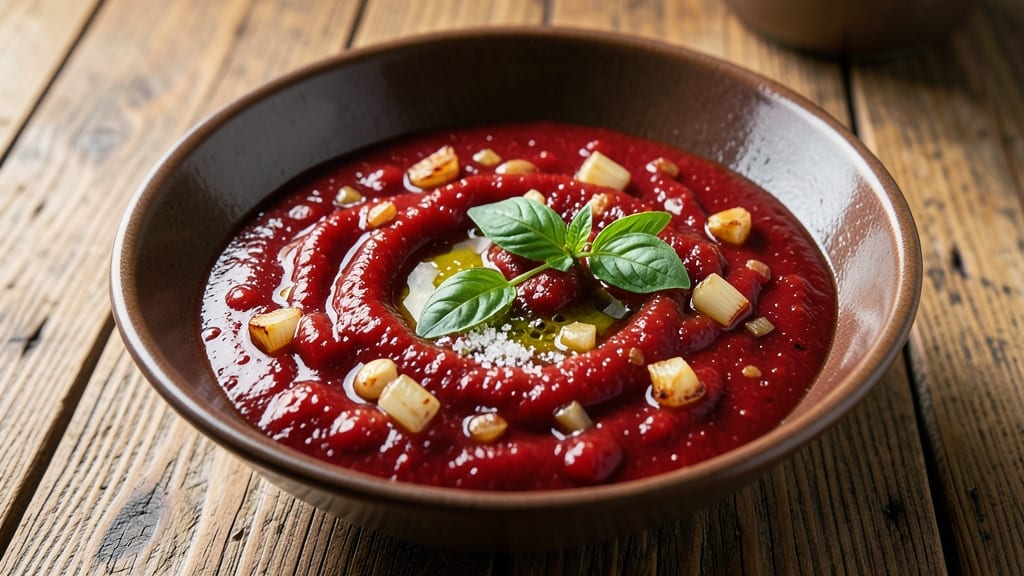
Recreating Carrabba's signature red sauce at home delivers that signature balance of sweetness, acidity, and deep umami that makes restaurant-quality Italian meals possible. The secret lies in slow simmering tomatoes with garlic, wine, and herbs until they break down into a velvety, aromatic sauce—no shortcuts here.
After years of perfecting this recipe, I can confidently say this version rivals the original, with just the right touch of sweetness and herbal complexity.
What sets this sauce apart is the careful layering of flavors: crushed tomatoes simmered with garlic, onion, and white wine create a rich base, while fresh basil and a hint of sugar enhance the natural sweetness.
The sauce develops its signature depth through low-and-slow cooking, allowing the flavors to meld without overpowering the delicate tomato notes. This isn't just a sauce—it's the foundation for perfect pasta, meatballs, or even as a dipping sauce.
The result is a sauce that's smooth, slightly sweet, and packed with aromatic herbs—exactly what you'd expect from Carrabba's. The texture is velvety yet still bright enough to complement rich dishes like chicken parmesan or baked ziti.
With proper storage, this sauce keeps well in the fridge for up to five days, making it perfect for meal prep or batch cooking.
Whether you're a home cook looking to elevate your Italian dishes or a sauce enthusiast seeking that restaurant-quality taste, this recipe delivers. The process is straightforward, but the flavor development requires patience—trust me, it's worth every minute. Let's get started on creating your own signature red sauce.
Ingredients for carrabba's red sauce
Nine simple ingredients transform into Carrabba's signature velvety red sauce.
| Ingredient | Amount | Notes |
|---|---|---|
| Extra-Virgin Olive Oil 🫒 | ¼ cup | High quality, fruity preferred |
| Yellow Onion 🧅 | 1 whole | Medium size, finely chopped |
| Garlic Cloves 🧄 | 4 cloves | Fresh, peeled and minced |
| Crushed Tomatoes 🍅 | 28 oz | San Marzano preferred, no sugar added |
| Dry White Wine 🍷 | ½ cup | Sauvignon Blanc or Pinot Grigio |
| Granulated Sugar 🍚 | 1 tbsp | Balances acidity naturally |
| Fresh Basil Leaves 🌿 | ½ cup | Packed, stems removed |
| Sea Salt 🧂 | 1 tsp | Diamond Crystal preferred |
| Black Pepper 🌶️ | ¼ tsp | Freshly ground for best flavor |
| Vegetable Broth 💧 | ½ cup | Low-sodium preferred |
The tomatoes make or break this sauce. San Marzano is ideal—sweeter, less acidic, and packed with flavor. If you can't find it, Muir Glen is a solid backup. Look for cans with no added sugar or salt. The basil? Fresh is non-negotiable—dried just won't cut it. I always grab a big bunch and use half for the sauce, half for garnish. For the wine, any dry white works—whatever's open in your fridge. The sugar might seem odd, but it's what balances the acidity in the tomatoes, just like they do at Carrabba's.
No white wine? Substitute extra vegetable broth—just add another 0.25 cup. Short on basil? Fresh parsley at half the amount keeps the bright flavor. The crushed tomatoes can be swapped for whole peeled tomatoes, but you'll need to crush them yourself. No need to stress about the exact amount of sugar—it's more about balancing the flavors. Taste as you go. The broth can be homemade or store-bought, but low-sodium is key—you'll be adding plenty of salt later. If you're making a big batch, double the ingredients and keep the sauce in jars.
This sauce tastes even better the next day as the flavors meld. Store in an airtight container in the fridge for up to 5 days. For longer storage, freeze in ice cube trays—thaw just what you need. The sauce thickens as it cools, so if it seems too thick when cold, just stir in a splash of water or broth. I make this sauce every couple of weeks—it disappears fast. The leftovers? Perfect for quick pasta dinners or frozen meatballs.
Why You'll Love This Recipe
- No-Fuss Simmer: I swear by this sauce because it’s actually hands-off—just toss in the onion, garlic, and tomatoes, then let the wine and olive oil do the work while you stir occasionally. The crushed tomatoes break down perfectly, giving you that rich, velvety texture without babysitting the pot.
- Restaurant-Quality Depth: That splash of dry white wine? Everything. It cuts through the acidity of the tomatoes and lets the garlic shine without tasting like a cooking class experiment. Honestly, the first time I made it, I thought, "Wait, this is how Carrabba’s does it?"
- Weeknight to Weekend: Use it for pasta tonight, toss it with grilled chicken for dinner parties, or freeze half for lazy Sundays. The onions caramelize just enough to add sweetness, so it works with everything—no weird leftovers that taste sad.
- Budget Stretch: A single jar of crushed tomatoes and a bottle of cheap wine go a long way here. I’ve made this sauce feed six people for under $10, and the leftovers? They’re my secret for turning $2 store-bought meatballs into something people beg for.
Step-by-step instructions for tomato-basil sauce
Here's how to build Carrabba's signature sauce layer by layer.
Sauté the Aromatics Until Golden
Heat the 0.25 cup extra-virgin olive oil in a heavy-bottomed saucepan over medium heat. Add the 1 whole finely chopped yellow onion and cook for 5-6 minutes until softened and translucent. This is where the sauce's sweetness develops.
Push the onions to the side of the pan and add the 4 cloves minced garlic cloves. Stir for 30 seconds until fragrant—don't let it brown or it'll turn bitter. The garlic should smell pungent and bright, not burnt. Keep the heat at medium throughout this step to prevent scorching.
Build the Sauce Base with Wine and Tomatoes
Pour in the 0.5 cup dry white wine and scrape up any browned bits from the bottom of the pan. Let it simmer for 3-4 minutes until mostly evaporated. This deglazing step captures all the flavor from the aromatics.
Add the 28 oz crushed tomatoes and 1 tablespoon granulated sugar. Stir well to combine, then bring to a gentle simmer. The sugar helps balance the acidity of the tomatoes while letting their natural sweetness shine. Let the mixture cook uncovered for 15 minutes, stirring occasionally, until it thickens slightly.
Infuse with Umami and Season
Add the 0.5 cup vegetable broth and 1 teaspoon sea salt. Stir to combine, then reduce heat to low. Let the sauce simmer for 10 minutes to develop deeper flavor. Here's where the sauce transforms from basic to extraordinary.
Add the 0.25 teaspoon black pepper and 0.5 cup packed fresh basil leaves. Stir gently to incorporate the basil, then remove from heat. The basil should be bright green and vibrant—if it looks wilted, you've simmered too long. Let the sauce sit off heat for 5 minutes to allow the flavors to meld completely.
Blend for Silky Texture (Optional but Recommended)
For the signature Carrabba's texture, transfer the sauce to a blender or use an immersion blender directly in the pan. Blend until smooth, about 30-45 seconds. This step creates that luxurious, velvety consistency that sets this sauce apart.
The sauce should coat the back of a spoon and have a rich, tomato-forward flavor with bright basil notes. If it's too thick, whisk in 1-2 tablespoons water to reach your desired consistency. Serve immediately or store in an airtight container in the refrigerator for up to 5 days.
Pro Tips For Making Carrabba'S Red Sauce
- Sweat the Onion Right: Don’t rush this—cut the onion into even ¼-inch slices and cook them in the olive oil on medium-low for 8–10 minutes until they’re translucent and just starting to caramelize. I used to burn them because I’d crank the heat, but patience here means the sauce won’t taste raw or bitter later.
- Deglaze Aggressively: After the garlic hits the pan, pour in the white wine and scrape the bottom with a wooden spoon—this gets all the browned bits (fond) into the sauce. Skipping this step means flavor is stuck to the pot instead of in your sauce.
- Use San Marzano Tomatoes: If you’re buying crushed tomatoes, grab the canned San Marzano variety—they’re sweeter, less acidic, and more consistent than generic brands. I tried cheaper ones once, and the sauce tasted thin and dull by the end.
- Simmer Low and Slow: After adding the tomatoes, reduce the heat to low and let it bubble gently for at least 30 minutes. High heat makes the sauce split or turn gluey. I learned this when my first batch turned into a sad, watery mess—now I set a timer and walk away.
Common mistakes when making your carrabba's red sauce
Skipping the Wine Step
White wine is key for depth, but some recipes skip it entirely. If you omit the 0.5 cup dry white wine, replace it with an extra 0.25 cup vegetable broth to maintain moisture.
The sauce will still work, but you’ll lose that bright acidity and subtle complexity that makes Carrabba’s version shine. I’ve tried this shortcut—it’s fine for a quick batch, but not for restaurant-quality results. 🍷
Overcooking the Basil
Fresh basil wilts in seconds when simmered—don’t let it cook longer than 1 minute after adding it. Overcooking turns the leaves bitter and muddies the sauce’s bright flavor. Instead, add the basil off-heat and stir just until incorporated.
If you’re worried about wilted leaves, strain them out after blending for a smoother texture. I’ve ruined batches by simmering too long—trust me, it’s a rookie mistake. 🌿
Using Low-Quality Tomatoes
Cheap canned tomatoes with added salt or sugar will throw off the sauce’s balance. Stick to San Marzano or Muir Glen for their natural sweetness and low acidity. If your tomatoes taste harsh or metallic, the sauce will taste flat.
I once used store-brand tomatoes—it was a disaster. The sauce lacked depth and needed extra sugar to compensate. Invest in good tomatoes; your taste buds will thank you. 🍅
Ignoring the Sugar
The 1 tablespoon granulated sugar isn’t just for sweetness—it balances the acidity in the tomatoes, just like Carrabba’s does. Skipping it makes the sauce taste sharp and unfinished. Taste as you go: if the sauce tastes too tangy after simmering, add a pinch more sugar.
I’ve seen recipes omit it entirely, but the result is always less refined. 🍚
Rushing the Simmer
Low-and-slow cooking is non-negotiable for flavor development. If you rush the 25-minute simmer, the sauce will taste raw and unfinished. The aromatics and tomatoes need time to meld into a cohesive, aromatic base.
I’ve tried speeding it up—big mistake. The sauce lacked depth and complexity. Patience here is everything. ⏳
Not Tasting as You Go
Seasoning builds in layers, and the sauce evolves as it simmers. Taste at 15-minute intervals to adjust salt, sugar, or acidity. I’ve made batches where the final sauce was either bland or overpowered by salt.
Trust your palate—this sauce should be bright, slightly sweet, and deeply aromatic. Adjust as needed, but don’t skip this critical step. 💡
Nutrition facts
Frequently asked questions
Can I make this sauce without wine?
The white wine adds bright acidity and depth that's hard to replicate, but you can substitute 0.25 cup extra vegetable broth to maintain moisture. The sauce will be less complex, but still delicious for quick meals. For restaurant-quality results, I recommend using wine or a wine reduction instead.
How long does this sauce keep in the fridge?
Store in an airtight container for up to 5 days in the refrigerator. The flavors actually improve after the first day as they meld together. For longer storage, freeze in ice cube trays—thaw just what you need for cooking. The sauce thickens when chilled, so thin with water or broth if needed.
What's the best way to use leftover sauce?
This versatile sauce works perfectly for pasta, meatballs, or as a dipping sauce for crusty bread. Freeze extras in 1-cup portions for quick meals. It also makes an excellent topping for grilled chicken or baked ziti. The flavor concentrates when reheated, so add a splash of water if it thickens too much.
Why does my sauce taste too acidic?
Too much acidity usually means the tomatoes were under-simmered or the sugar wasn't balanced. Add ½ teaspoon more sugar or a pinch of salt to round out the flavors. For future batches, simmer the sauce for the full 25 minutes to let the acidity mellow. Taste as you go—this sauce should be bright but never sharp.
Can I make this sauce in a slow cooker?
Yes! Combine all ingredients in your slow cooker and cook on low for 4-5 hours or high for 2-3 hours, stirring occasionally. The low-and-slow method works beautifully here, creating even deeper flavor. Just remember to add the basil at the very end—it cooks down quickly in the slow cooker.