
Sauces & Condiments
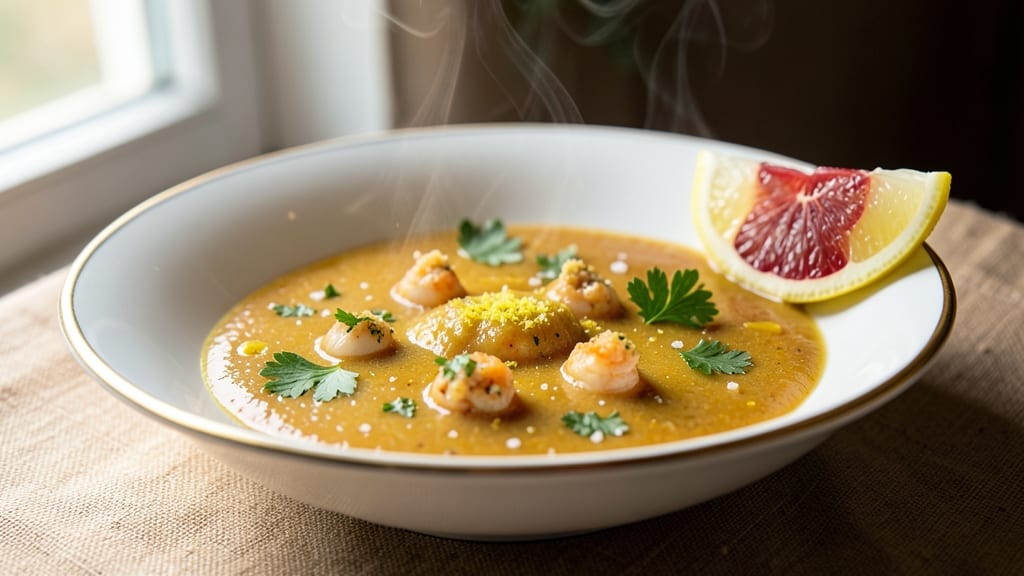
Creating Carrabba's signature scampi sauce at home delivers that restaurant-quality garlicky richness you crave in every bite. This lemon butter emulsion transforms simple ingredients into a velvety sauce that clings perfectly to shrimp, linguine, or grilled fish.
The secret lies in balancing butter, white wine, and shrimp stock while emulsifying with precision—no heavy cream needed.
What sets this sauce apart is its bold, bright flavor profile—zesty lemon juice cuts through the richness, while fresh parsley adds freshness that keeps it from feeling heavy.
Unlike many scampi sauces that rely on cream, this version achieves its luxurious texture through proper emulsification, creating a sauce that's both silky smooth and deeply flavorful. The process takes just 15 minutes but delivers results that rival any restaurant.
This versatile sauce elevates seafood dishes instantly—toss it with shrimp scampi, drizzle over grilled fish, or serve alongside crusty bread. The garlicky aroma alone will have everyone asking for seconds, while the creamy yet light texture makes it perfect for both traditional and modern preparations.
Once you master this technique, you'll never buy bottled sauce again.
The key to success is patience during the emulsification step—allowing the sauce to thicken gradually ensures a smooth, lump-free finish every time. With just 8 ingredients, this sauce becomes your go-to for weeknight dinners or special occasions. Let's get started on creating that perfect Carrabba's-style emulsion at home.
Ingredients for carrabba's scampi sauce
Eight simple ingredients transform into Carrabba's signature garlicky, lemony butter sauce.
| Ingredient | Amount | Notes |
|---|---|---|
| Unsalted Butter 🧈 | ¾ cup | Cold, cubed for emulsification |
| Dry White Wine 🍷 | ½ cup | Sauvignon Blanc preferred |
| Fresh Lemon Juice 🍋 | ¼ cup | Freshly squeezed, seeds removed |
| Shrimp Stock 🦐 | ½ cup | Homemade or high-quality jarred |
| Garlic Cloves 🧄 | 6 cloves | Fresh, minced to fine paste |
| Fresh Parsley 🌿 | ¼ cup | Flat-leaf, finely chopped |
| Diamond Crystal Kosher Salt 🧂 | ½ tsp | Adjust to taste |
| Freshly Ground Black Pepper 🌶️ | ¼ tsp | Light hand, fresh grind |
The butter is non-negotiable here—unsalted, cold, and cubed is key for that perfect emulsion. Plugrá or European-style butter has more flavor, but any good unsalted will work. For the wine, Sauvignon Blanc adds that bright acidity, but Pinot Grigio or Chardonnay in a pinch won't ruin it. The shrimp stock? Homemade is ideal, but Knorr or Pacific brand from the grocery store shelf works fine. Fresh garlic matters—roasted garlic gives a sweeter note, but minced raw garlic delivers that classic sharp punch. Buy a whole head and freeze what you don't use.
No white wine? Dry vermouth or apple cider vinegar mimics the acidity (use half the amount). Short on shrimp stock? Fish stock or even chicken stock in a bind, but add a pinch of Old Bay seasoning to compensate. Fresh parsley is a must—dried oregano at half the amount won't cut it. The lemon juice should be freshly squeezed (bottled tastes flat), and if you're out, lime juice works in a squeeze. For the salt, Diamond Crystal kosher dissolves cleanly, but Maldon flakes add pretty crystals if you're feeling fancy.
This sauce keeps beautifully—3-4 days in the fridge sealed tightly, or 3 months frozen in ice cube trays for single servings. To reheat, warm gently over low heat, stirring constantly. The emulsion breaks if boiled. For extra richness, reserve a little butter to swirl in at the end. Double the batch—it disappears fast when shrimp's on the menu.
Why You'll Love This Recipe
- Pantry Magic: I swear by this sauce because it uses things I already have—no special trips to the store. That butter, wine, and garlic? They’re the backbone of flavor, and the shrimp stock adds depth without breaking the bank.
- Garlic-Kissed Bliss: The moment that minced garlic hits the butter? My kitchen smells like a Mediterranean dream. It’s bold but balanced—bright lemon cuts through the richness, and the wine adds a subtle sophistication that makes it feel fancy.
- Weeknight Hero: This sauce is my secret weapon for busy nights. Toss it with shrimp, pasta, or even grilled chicken, and suddenly dinner feels special. Honestly, I’ve served it at everything from casual Tuesdays to date nights—no one ever questions where I got it.
- Leftovers That Shine: Make a double batch and save half for later. It reheats like a charm, and the flavors only get better the next day. Between us, I’ve even turned it into a quick soup or dipping sauce—versatile doesn’t even cover it.
Step-by-step instructions for Carrabba's scampi sauce recipe
This garlicky lemon butter sauce comes together faster than you'd expect—just follow the order and timing carefully.
Create the Garlic Paste and Sweat It
In a medium saucepan, combine the 6 cloves garlic cloves that you've minced into a fine paste—this ensures even distribution and prevents burning. Add the 0.5 cup shrimp stock and bring to a gentle simmer over medium heat. Let it cook for 3-4 minutes until the garlic is fragrant but not browned. This step builds the aromatic base that carries through the entire sauce.
Here's the thing—if you let the garlic brown, it'll turn bitter. You want it just soft and perfumed, not crispy. Keep the heat at a steady simmer, not a boil, and stir occasionally to prevent sticking. The stock should reduce slightly by the end of this stage, intensifying the shrimp flavor.
Deglaze with Wine and Reduce
Pour in the 0.5 cup dry white wine and immediately scrape up any browned bits from the bottom of the pan with a wooden spoon. This deglazing step captures all the flavor you've built so far. Let the mixture simmer for 3-4 minutes until reduced by about half—you're looking for a syrupy consistency that coats the back of a spoon.
Don't rush this reduction. The wine needs time to cook off its alcohol content, which would otherwise make your sauce taste harsh. You'll know it's ready when the liquid clings to the pan in a glossy sheen rather than pooling. If it reduces too quickly, lower the heat slightly to maintain control.
Incorporate the Butter and Lemon
Reduce the heat to low and begin adding the 0.75 cup unsalted butter, one tablespoon at a time. Stir constantly with a wooden spoon or silicone spatula as each addition melts into the sauce. This gradual incorporation creates an emulsified sauce rather than a separated one—think velvety rather than greasy.
After all the butter is incorporated, stir in the 0.25 cup fresh lemon juice and bring the sauce to a gentle simmer for 1-2 minutes. The lemon brightens the rich butter and balances the garlic's intensity. You'll notice the sauce thicken slightly as the lemon cooks off some of its acidity. If it starts to curdle, reduce the heat immediately and continue stirring.
Season and Finish with Parsley
Remove the sauce from heat and stir in the 0.5 tsp diamond crystal kosher salt and 0.25 tsp freshly ground black pepper. Taste and adjust the seasoning—you might need a touch more salt to balance the acidity from the lemon. Let the sauce sit off the heat for 2-3 minutes to thicken slightly as it rests.
Finally, fold in the 0.25 cup fresh parsley, reserving a few sprigs for garnish. The parsley adds freshness and color, cutting through the richness of the butter. For the best texture, use flat-leaf parsley and chop it finely so it distributes evenly. The sauce should now have a glossy sheen and coat the back of a spoon with a silky consistency.
Serve Immediately Over Scampi
Return the sauce to low heat just before serving to maintain its warmth. The sauce should be hot enough to gently coat the scampi but not so hot that it breaks the emulsion. Ladle it generously over your cooked shrimp, reserving a bit to drizzle on top for presentation.
This sauce works best when served immediately, as it continues to thicken as it cools. If you need to hold it briefly, keep it warm in a heatproof bowl set over simmering water. The key to restaurant-quality scampi sauce is attention to detail in each stage—don't skip the reductions or the gradual butter incorporation, and you'll get that perfect balance of garlicky, lemony richness every time.
Pro Tips For Making Carrabba'S Scampi Sauce
- Sweat the Garlic Low: I learned this the hard way—crisping garlic in butter too fast turns it bitter and burns before it releases flavor. Over medium-low heat, let those minced cloves cook for 3-4 minutes until just golden, stirring constantly. The butter will foam like crazy, but that’s how you know it’s working.
- Salt the Butter First: Unsalted butter needs seasoning before it hits the pan. Toss in a pinch of salt (about ¼ tsp) right as you melt it—this balances the wine and lemon later. Skipping this step means your sauce tastes flat, even if the recipe calls for salted shrimp stock.
- Reduce Wine Fast: High heat. Seriously, crank it up to medium-high and let that white wine reduce by half in 2-3 minutes. If you simmer it gently, you’ll end up with a thin, sad sauce instead of the rich, glossy base Carrabba’s uses. The alcohol needs to burn off quick.
- Finish with Cold Butter: After the stock and lemon juice cook down, whisk in 2 tablespoons of cold, cut butter at the end. It melts instantly but adds a luxurious mouthfeel—like the sauce you’d pay $20 for at a restaurant. I was skeptical until I tried it. Now I never skip it.
Essential equipment for perfect results
Essential Saucepan
The right pan makes all the difference—opt for a heavy-bottomed stainless steel saucepan (like All-Clad or Calphalon) to prevent scorching. A 1.5-quart capacity is ideal for this recipe, giving you enough room to stir without splattering.
I avoid nonstick pans because they can't handle the sustained heat needed for proper emulsification. 🔥
Wooden Spoon
A long-handled wooden spoon (I use Oxo Good Grips) is non-negotiable for stirring and scraping up flavorful browned bits. Wood distributes heat evenly and won't scratch your pan. Avoid metal utensils during the butter incorporation—they can break the emulsion. Keep your spoon handy for the entire process.
Fine-Mesh Strainer
For ultra-smooth scampi sauce, strain out any garlic bits before finishing. A fine-mesh stainless steel strainer (like Hamilton Beach) catches even the smallest particles while letting the silky sauce pass through.
This step ensures a restaurant-quality texture—no visible specks of garlic. I strain the sauce right before adding the parsley.
Digital Thermometer
While not strictly necessary, a kitchen thermometer (I recommend Thermoworks Thermapen) helps monitor the sauce's temperature during the butter incorporation. The ideal range is 170-180°F—too hot and the emulsion breaks; too cool and the butter won't fully emulsify. This is especially helpful for beginners mastering the technique.
Microplane for Garlic
A Microplane (like OXO Good Grips) transforms garlic into a smooth paste without burning it. Simply grate the peeled cloves directly into the pan—this ensures even distribution and prevents those pesky garlic chunks. I find this method far superior to mincing with a knife, which can create uneven textures.
Butter Chilling Hack
For perfect emulsification, chill your 0.75 cup unsalted butter for 15 minutes before adding it to the sauce. Use an ice bath (place the butter in a bowl set over ice water) to firm it up slightly.
Cold butter incorporates more smoothly, creating a velvety texture rather than a greasy one. This simple step elevates the sauce from good to restaurant-quality. ✨
Nutrition facts
Frequently asked questions
Can I make this sauce without white wine?
For a non-alcoholic version, substitute the 0.5 cup dry white wine with 0.25 cup dry vermouth or 0.25 cup apple cider vinegar (plus 0.25 cup water to maintain liquid balance). The acidity remains, though the flavor profile will differ slightly. For a neutral substitute, use 0.5 cup shrimp stock instead.
Why did my sauce separate?
Separation usually happens when butter is added too quickly or the sauce overheats. To fix it, whisk in 1 tablespoon cold water or 1 teaspoon cornstarch slurry while stirring vigorously over low heat. For prevention, add butter 1 tablespoon at a time on low heat and avoid boiling. The ideal temperature for emulsification is 170-180°F.
How can I use this sauce beyond shrimp scampi?
This versatile sauce elevates grilled fish, seared scallops, or even garlic bread. Toss it with linguine or spaghetti for a quick pasta dish, or drizzle over steamed mussels. The bright lemon-butter flavor also pairs well with crustaceans like crab legs or roasted vegetables. For extra richness, reserve 1 tablespoon butter to swirl in at the end.
Can I make this sauce ahead of time?
Yes! Store the sauce in an airtight container in the fridge for 3-4 days or freeze in ice cube trays for 3 months. Reheat gently over low heat, stirring constantly—never boil. For best texture, reheat only what you need and add a splash of warm water if it thickens too much. The sauce actually improves slightly after resting overnight as flavors meld.
What's the secret to getting that perfect restaurant-style texture?
The key is proper emulsification—gradually adding cold butter 1 tablespoon at a time while stirring constantly on low heat. Use a wooden spoon (not metal) and avoid high heat, which breaks the emulsion. Chilling the butter beforehand also helps. For extra smoothness, strain through a fine-mesh sieve before adding parsley. Patience is critical—rushing this step ruins the velvety finish.