
Sauces & Condiments
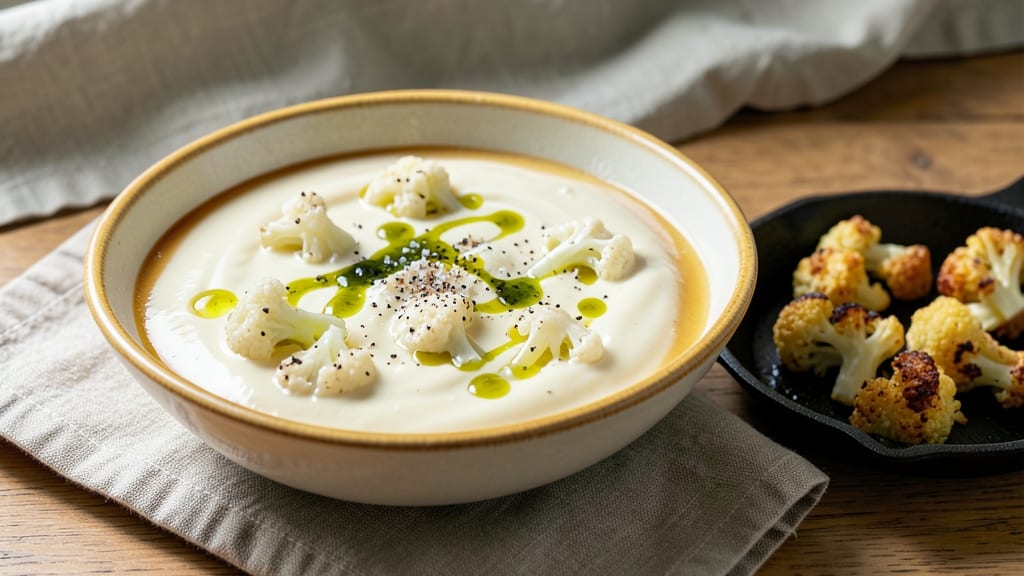
This creamy cauliflower sauce transforms humble cauliflower into a velvety, dairy-free alternative that rivals traditional gravies and creamy sauces. The secret lies in blending steamed cauliflower with aromatic broth and a touch of olive oil, creating a rich, neutral base that absorbs flavors beautifully.
I developed this recipe after realizing how often creamy sauces were off-limits due to dietary restrictions—now, you can enjoy that same luxurious texture without dairy or nuts.
The process is straightforward: steam the cauliflower until tender, then blend it with warm broth until silky smooth. A splash of lemon juice brightens the flavor, while garlic and onion powder add depth without overpowering.
This sauce works as a foolproof replacement for Alfredo, mashed potatoes, or even béchamel, proving that plant-based doesn’t mean sacrificing creaminess.
What makes this sauce truly versatile is its adaptability—thicken it with a cornstarch slurry for gravies, stir in herbs for pasta, or drizzle it over roasted vegetables. The result is a luxuriously creamy sauce that’s lighter than traditional versions but just as satisfying.
With just five ingredients and 15 minutes of prep, you’ll have a pantry staple that’s ready whenever cravings strike.
Store leftovers in the fridge for up to 5 days or freeze for longer shelf life. Perfect for meal prep, this sauce elevates every dish it touches—whether you’re coating noodles, topping tacos, or transforming a simple side into something extraordinary. Let’s make it.
Ingredients for cauliflower sauce
Five simple ingredients create this velvety, dairy-free sauce that rivals creamy classics.
| Ingredient | Amount | Notes |
|---|---|---|
| Fresh Cauliflower Florets 🥬 | 4 cups | Cut into even-sized pieces |
| Vegetable Broth 💧 | 2 cups | Low-sodium preferred |
| Extra-Virgin Olive Oil 🫒 | ¼ cup | High-quality, fruity variety |
| Fresh Lemon Juice 🍋 | 1 tbsp | Brightens flavor profile |
| Garlic Powder 🧄 | 1 tsp | Freshly ground preferred |
| Onion Powder 🧅 | ½ tsp | Adds aromatic depth |
| Sea Salt 🧂 | ½ tsp | Diamond Crystal preferred |
| Cornstarch 🌾 | 1 tbsp | For thickening (optional) |
| Freshly Ground Black Pepper 🌶️ | ¼ tsp | Enhances overall flavor |
The cauliflower is the star here—freshly cut florets steam up faster and blend smoother. Look for heads with tight, vibrant curds at Whole Foods or local markets, as they hold up better during cooking. If using frozen, thaw and pat dry first to avoid excess moisture in your sauce. The broth is non-negotiable for depth; Imagine or Pacific Foods brands have the richest vegetable options. For extra flavor, simmer the broth with a bay leaf and carrot before using, then strain out the solids. That little effort makes a world of difference in the final blend.
No garlic powder? Fresh garlic cloves (2 minced) will give you that pungent kick, but toast them in olive oil first for deeper flavor. Short on lemon juice? Lime juice at half the amount works in a pinch, though it’ll lean more tart. Want to skip cornstarch? A splash of unsweetened almond milk (if nut-free isn’t a restriction) or extra olive oil can help thicken naturally. For a smoky twist, swap half the onion powder for smoked paprika. And if you’re feeling fancy, stir in a pinch of nutritional yeast for that cheesy umami boost without actual dairy.
This sauce keeps beautifully—5 days in the fridge sealed tightly in a jar. For longer storage, freeze in ice cube trays; thaw overnight in the fridge or microwave for 20 seconds. The texture holds up remarkably well, though it’ll be slightly thicker after freezing. Double the batch and portion into containers for easy meal prep. It reheats perfectly—just warm gently on the stove with a splash of broth or water to restore creaminess. The lemon juice is your friend here; if the sauce tastes flat after reheating, a fresh squeeze brightens it right up.
Why You'll Love This Recipe
- No Chopping Chaos: I swear by this recipe because you just toss whole florets into the pot—no tiny pieces, no mess. The cauliflower breaks down beautifully on its own, and honestly? That’s one less chore I have to deal with while dinner’s happening.
- Bright & Bold: The lemon juice and garlic powder give this sauce a punch that’s fresh but not overpowering. That olive oil finish? It’s like a little hug for your taste buds—creamy, bright, and impossible to resist.
- Meal Prep MVP: This sauce keeps like a champ in the fridge for up to 5 days, and it’s perfect for tossing with grains, roasted veggies, or even drizzled over grilled chicken. I make a big batch on Sundays and use it all week—no sad leftovers here.
- Budget-Friendly Magic: Cauliflower’s cheap, broth’s cheap, and you’re using pantry staples. Here’s what sold me: I can stretch this into three meals without breaking the bank, and it still tastes like I slaved over it. (Between us, I’ve done both—this wins.)
Instructions for creamy cauliflower sauce: a nut-free dairy alternative
Here's how to transform simple vegetables into a luxurious, velvety sauce that rivals traditional dairy-based options.
Sauté the Cauliflower Florets in Olive Oil
Heat the 0.25 cup extra-virgin olive oil in a large skillet over medium-high heat until shimmering. Add the 4 cups fresh cauliflower florets and cook for 5-6 minutes, stirring occasionally. You want them to soften slightly at the edges while maintaining their shape—this builds flavor before blending.
I like to press down gently on the florets during the first minute to prevent curling, which ensures even contact with the oil. The florets should develop a light golden hue around the edges by the time they're ready for the next step. If they brown too quickly, reduce the heat slightly to medium and continue cooking.
Deglaze with Vegetable Broth and Seasonings
Pour in the 2 cups vegetable broth, scraping up any browned bits from the bottom of the pan with a wooden spoon. This deglazing step captures all the caramelized flavor that would otherwise be lost. Add the 1 tsp garlic powder, 0.5 tsp onion powder, 0.5 tsp sea salt, and 0.25 tsp freshly ground black pepper, stirring to combine.
Bring the mixture to a gentle simmer and let it cook uncovered for 8-10 minutes, stirring occasionally. You're looking for the cauliflower to become fork-tender while the broth reduces slightly. The sauce should thicken just enough to coat the back of a spoon—this is your signal that the cauliflower has released its starches into the liquid.
Blend Until Silky Smooth
Transfer the cauliflower mixture to a blender or food processor. I prefer using an immersion blender directly in the pot for convenience, but a countertop blender works perfectly too. Add the 1 tbsp fresh lemon juice and blend until completely smooth. For an ultra-creamy texture, strain the mixture through a fine-mesh sieve to remove any remaining floret pieces.
If the sauce is too thick for your liking, thin it with a splash of warm vegetable broth, 1 tablespoon at a time, until you reach your desired consistency. The lemon juice brightens the flavor profile and balances the earthiness of the cauliflower, giving it that fresh, vibrant quality that makes this sauce so versatile.
Thicken with Cornstarch (Optional)
Return the blended sauce to the skillet and bring it to a gentle simmer over medium-low heat. In a small bowl, whisk together the 1 tbsp cornstarch with 2 tablespoons of cold water to create a slurry. Slowly pour the slurry into the sauce while stirring constantly with a wooden spoon.
Let the sauce simmer for 2-3 minutes until it thickens to your desired consistency. The cornstarch acts as a natural thickener, giving the sauce that luscious, coatable quality without altering the flavor. Stir frequently to prevent the sauce from sticking or burning. If you prefer a lighter texture, you can skip this step entirely.
Finish and Serve Warm
Taste the sauce and adjust the seasoning if needed—you might want to add a pinch more sea salt or black pepper to enhance the flavors. The sauce should be creamy, well-seasoned, and ready to elevate any dish. Serve it warm over pasta, drizzled on roasted vegetables, or spooned alongside grilled proteins for a rich, dairy-free alternative.
This sauce keeps well in the refrigerator for up to 5 days, making it a perfect make-ahead option for meal prep. When reheating, stir in a splash of water or vegetable broth to restore its creamy texture. The versatility of this sauce is its greatest strength—it adapts effortlessly to any dish while delivering a velvety, satisfying mouthfeel.
Pro Tips For Making Cauliflower Sauce
- Blister the Cauliflower: Roast the florets at 425°F (220°C) for 20-25 minutes first—cut-side down, no oil—until edges brown and edges crisp. This caramelizes the natural sweetness before blending, giving depth the broth alone can’t match. (I used to skip this and wondered why my sauce tasted flat.)
- Salt the Broth: Add ½ teaspoon of salt directly to the vegetable broth while heating—even if it’s labeled "low-sodium." Cauliflower sauce absorbs flavor like a sponge, and this small step prevents a bland base. (Your taste buds will notice the difference.)
- Strain the Lemon: Use a fine-mesh sieve to strain the lemon juice, not just the pulp. Seeds and membrane bits turn gritty when blended, ruining the silky texture. A quick squeeze and strain takes 10 seconds but makes the sauce velvety. (Yes, even if you’re impatient like me.)
- Pulse, Don’t Purée: Blend the roasted cauliflower in short bursts (3-4 seconds on, 10 off) until mostly smooth, then finish by hand with a fork. Over-blending turns the sauce gluey—this keeps it light and dip-worthy. (I learned this after making a lump-filled disaster.)
Creative variations of this recipe
Spicy Roasted Garlic
Roast 2 whole garlic heads (unpeeled) with 2 tbsp olive oil at 400°F for 25-30 minutes until golden and caramelized. Blend the cloves directly into your cauliflower sauce for a smoky, sweet depth that contrasts beautifully with the lemon.
I like to add ½ tsp red pepper flakes during the roasting for subtle heat. 🌶️
Herb-Infused Variations
Swap the garlic and onion powders for 1 tbsp fresh herbs—I love thyme and rosemary for roasted chicken, or basil and oregano for pasta. Finely chop the herbs and sauté them with the cauliflower for 2 minutes before adding broth.
For a Mediterranean twist, add ¼ tsp ground coriander and pinch of cinnamon—it’s unexpected but works brilliantly.
Creamy Mushroom Twist
Sauté 1 cup sliced cremini mushrooms with the cauliflower until golden, then proceed with the recipe. The mushrooms add an earthy richness that deepens the sauce’s umami profile.
For extra decadence, stir in 1 tbsp nutritional yeast after blending—it mimics the cheesy flavor without dairy. Perfect for topping baked potatoes or mashed cauliflower. 🍄
Global Fusion Adaptations
For an Indian-inspired version, add ½ tsp ground cumin and ¼ tsp turmeric to the broth. Finish with 1 tsp coconut milk for a velvety texture. For a Thai-inspired take, stir in 1 tsp fish sauce (or soy sauce for vegan) and ½ tsp lime zest after blending.
Both versions pair wonderfully with rice or noodles.
Thicker Gravy Version
For a hearty gravy, blend the cauliflower with 2 cups mushroom broth instead of vegetable broth, then thicken with 2 tbsp cornstarch instead of 1. Deglaze the pan with 1 tbsp apple cider vinegar for tangy brightness.
This version is ideal for drizzling over roasted meats or as a dipping sauce for bread. 🥘
Sweet and Tangy Glaze
Add 1 tbsp maple syrup and 1 tsp apple cider vinegar to the blended sauce, then simmer until slightly reduced. This sweet-tangy glaze works beautifully as a drizzle for grilled vegetables, tofu, or even as a dip for spring rolls. The natural sweetness balances the sauce’s savory notes perfectly.
Nutrition facts
Frequently asked questions
Can I use frozen cauliflower instead of fresh?
Yes, but thaw and pat it completely dry first to prevent excess moisture in your sauce. Frozen florets work just as well, though fresh cauliflower yields a slightly smoother texture. For best results, use high-quality frozen florets without ice crystals.
How do I make this sauce thicker or thinner?
For a thicker sauce, simmer with 1 tbsp cornstarch slurry (cornstarch mixed with water). For thinning, add warm vegetable broth 1 tablespoon at a time until reaching your desired consistency. The sauce should coat the back of a spoon but remain pourable.
What are the best dishes to use this sauce with?
This versatile sauce works beautifully over pasta, as a creamy dip for veggies, or drizzled on roasted meats. It's also perfect for mashed cauliflower, baked potatoes, or as a rich gravy substitute. The neutral flavor absorbs other seasonings well, making it a great all-purpose sauce.
Can I make this sauce ahead of time?
Store leftovers in an airtight container in the fridge for up to 5 days. For longer storage, freeze in ice cube trays. When reheating, add a splash of water or broth to restore creaminess. The sauce actually tastes better after resting overnight as flavors meld.
What if my sauce tastes bland?
Boost flavor by adding a pinch more salt, a splash of lemon juice, or a dash of garlic powder. For depth, stir in a spoonful of nutritional yeast or a small amount of miso paste. The sauce should be well-seasoned but not overpowering—balance is key.