
Sauces & Condiments
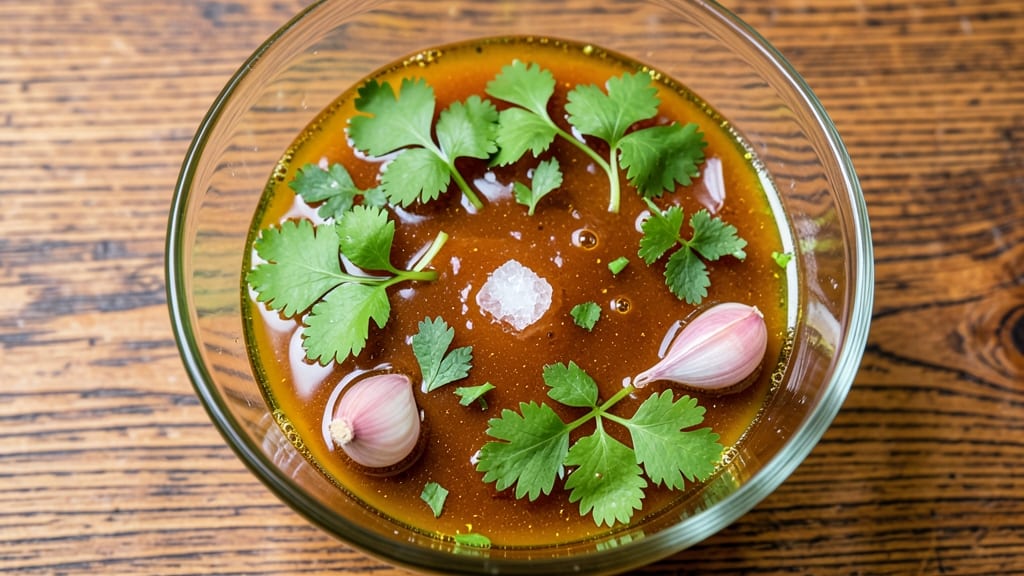
This cham sauce recipe transforms simple pantry staples into a vibrant, tangy condiment that elevates any dish in minutes. The perfect balance of fish sauce, lime juice, and fresh herbs creates a sauce that’s bold yet refreshing—ideal for dipping, marinating, or drizzling.
I’ve refined this version over countless meals to ensure it’s foolproof, with precise measurements and a method that delivers restaurant-quality results every time.
The beauty of cham sauce lies in its versatility—it pairs effortlessly with grilled meats, spring rolls, or even fresh vegetables. What sets this recipe apart is the fresh herbs, which add a bright, aromatic depth that store-bought versions can’t replicate.
The sauce comes together in just 10 minutes, making it perfect for last-minute meals or when you crave a burst of flavor without the fuss.
Once you taste this sauce, you’ll understand why it’s a staple in Vietnamese cuisine. The tangy lime and umami fish sauce cut through rich dishes, while the herbs add a fragrant freshness that lingers on the palate.
It’s the kind of sauce that transforms ordinary meals into something extraordinary, and it keeps well in the fridge for up to a week, ready to brighten your next dish.
Whether you’re serving it as a dipping sauce for spring rolls or using it to glaze grilled shrimp, this cham sauce is a game-changer. The recipe is simple, but the impact is undeniable—just a few ingredients, a splash of lime, and a handful of herbs can make all the difference.
Let’s get started!
Ingredients for cham sauce
Nine simple ingredients transform into a vibrant, restaurant-quality cham sauce in minutes.
| Ingredient | Amount | Notes |
|---|---|---|
| Fish Sauce 🐟 | ½ cup | Red Boat preferred for quality |
| Fresh Lime Juice 🍋 | ¼ cup | Freshly squeezed, no pulp |
| Fresh Cilantro Leaves 🌿 | ½ cup | Stems removed, tightly packed |
| Fresh Mint Leaves 🍃 | ¼ cup | Tightly packed, stems removed |
| Garlic Cloves 🧄 | 4 cloves | Peeled, minced fine |
| Sugar 🍚 | 1 tbsp | Granulated, adjust to taste |
| Extra-Virgin Olive Oil 🫒 | ¼ cup | High quality, fruity |
| Water 💧 | ¼ cup | Room temperature preferred |
| Salt 🧂 | ½ tsp | Fine sea salt |
| Chili Garlic Sauce 🌶️ | 1 tbsp | Optional, for heat |
The fish sauce is the heart of this recipe, so Red Boat or Thai Kitchen brands are ideal—they deliver that authentic umami depth without overpowering. Grab the freshest limes at Whole Foods or your local market; their vibrant color means peak flavor. For herbs, Asian markets often carry the best cilantro and mint—look for bright green leaves without wilting. Garlic should be firm and free of sprouts, and the sugar can be any granulated kind, though organic cane sugar adds a subtle caramel note. The olive oil matters too—California avocado or Italian extra-virgin brands elevate the sauce’s richness.
No fish sauce? Soy sauce or coconut aminos work in a pinch, though the flavor will differ slightly. Short on fresh herbs? Dried mint or cilantro at one-third the amount can substitute, but fresh is ideal. The sugar can be swapped for honey or agave if you prefer a less refined sweetness. Want more heat? Add Sriracha or sambal oelek instead of chili garlic sauce. The water is key for thinning—if your sauce is too thick, add a splash more. For a smoother texture, strain through a fine-mesh sieve after blending, but some herbs add wonderful texture if left in.
This sauce keeps beautifully in an airtight container in the fridge for up to 1 week, with flavor actually improving as it sits. For longer storage, freeze in ice cube trays—perfect for single-use portions. The sauce thickens when chilled, so stir before using. If it separates, simply whisk or blend again. Leftovers make an amazing glaze for grilled meats or a quick marinade—just thin with a splash of water if needed.
Why You'll Love This Recipe
- No-Chop Necessary: I swear by this—just muddle the garlic with a pinch of salt, add lime juice, and toss in the herbs whole. The sauce still tastes vibrant, and I save 10 minutes of chopping every time.
- Umami Zing: That first hit of fish sauce and garlic? It’s like a flavor bomb. The lime and herbs cut through the saltiness, leaving you with something bright, tangy, and impossible to resist.
- Party in a Jar: This sauce is my secret weapon for lazy weeknights or last-minute gatherings. Drizzle it over grilled shrimp, noodles, or even a simple salad—it turns everything into an instant crowd-pleaser.
- Budget Magic: Fish sauce is cheap, limes last forever, and herbs stretch across multiple meals. I make a big batch, store it in the fridge, and use it for days without breaking the bank.
Step-by-step instructions for cham sauce
This vibrant sauce comes together in minutes with precise technique and fresh ingredients.
Prepare the Base Ingredients
In a medium bowl, combine the 0.5 cup fish sauce, 0.25 cup fresh lime juice, 0.25 cup water, and 1 tablespoon sugar. Stir until the sugar dissolves completely. The mixture should be smooth with no graininess remaining. This forms the flavor foundation of your sauce, balancing the salty fish sauce with bright citrus and subtle sweetness.
Here's the thing—using freshly squeezed lime juice makes a noticeable difference. If you must use bottled juice, choose a high-quality brand without added preservatives. The acidity from the lime will mellow slightly as you blend, so don't be tempted to add extra now. We'll adjust seasoning after blending all ingredients together.
Blend the Herbs and Garlic
Add the 0.5 cup fresh cilantro leaves, 0.25 cup fresh mint leaves, and 4 cloves minced garlic to the bowl. Using an immersion blender, blend until completely smooth, about 30-45 seconds. For a traditional approach, you can also use a countertop blender, but be cautious when transferring the liquid to avoid spills. The herbs should disappear completely, creating a vibrant green puree.
I've found that blending the herbs first creates a more cohesive sauce rather than letting them float as garnish. If your blender struggles with the herbs, add 1-2 tablespoons of water to help it process. The final texture should be silky with no visible herb bits remaining.
Incorporate the Oil and Final Seasoning
With the blender still running, slowly drizzle in the 0.25 cup extra-virgin olive oil while maintaining a steady stream. This emulsifies the sauce, creating that signature silky texture. Add the 0.5 teaspoon salt and 1 tablespoon chili garlic sauce (if using) and blend for an additional 10-15 seconds until fully incorporated.
The sauce should now have a rich, velvety consistency with a bright green color. Taste and adjust seasoning if needed—you might want to add a touch more lime juice for acidity or sugar for balance. The chili garlic sauce adds depth, but you can omit it if you prefer a milder version. Let the sauce sit for 5 minutes before serving to allow all the flavors to meld.
Adjust Consistency and Serve
If the sauce is too thick, thin it with 1-2 teaspoons of water at a time until you reach your desired consistency. It should coat the back of a spoon but still flow freely. For a more intense flavor, you can strain the sauce through a fine-mesh sieve to remove any remaining herb particles, though this step is optional.
This sauce pairs beautifully with grilled meats, fresh spring rolls, or as a dipping sauce for summer rolls. The balance of sweet, salty, spicy, and herbal notes makes it incredibly versatile. For best results, use within 2 hours of preparation, though it will keep in the refrigerator for up to 3 days if stored in an airtight container.
Pro Tips For Making Cham Sauce
- Muddle the Garlic: After burning three batches of cham sauce, I finally figured out—smash the garlic cloves with the flat side of your knife first, then chop. This releases more flavor without turning your sauce bitter. (Yes, even if you're impatient like me.)
- Juice Limes Cold: Warm limes yield less juice and taste dull. Run them under hot water for 30 seconds to soften, then roll them on the counter before cutting. You’ll get 20% more juice—and the sauce won’t taste like sad, lukewarm citrus.
- Balance Fish Sauce Slowly: Start with half the fish sauce called for, taste, then add more. It’s easier to fix over-salty sauce than to salvage bland, fishy water. (Your future self will thank you.)
- Stack Herbs Before Chopping: This isn’t the prettiest method, but it’s the tastiest: Lay cilantro and mint stems down in a pile, then chop the leaves on top. You’ll get finer texture and use the stems—where half the flavor hides. (I skip this when I’m lazy, but the dish is noticeably better when I don’t.)
Regional styles of cham sauce
Vietnamese Classic
This traditional version is all about balance—Red Boat fish sauce provides that signature umami punch, while fresh lime juice and herbs create the signature tangy brightness. I use 4 cloves minced garlic for depth and 1 tbsp sugar to round out the flavors.
The key is blending until completely smooth for that authentic, restaurant-quality texture. Serve this classic version with spring rolls or grilled shrimp for a true taste of Vietnam. 🌿
Thai-Inspired Twist
For a Thai-inspired take, swap the fish sauce for Thai Kitchen fish sauce and add 1 tbsp palm sugar instead of granulated. Include 1 stalk lemongrass (bruised and finely chopped) and 1 Thai bird's eye chili (minced) for a fiery kick.
The lemongrass adds a citrusy aroma that pairs beautifully with the lime. This version works wonderfully as a marinade for grilled chicken or pork skewers. 🌶️
Cambodian-Influenced
Cambodian cuisine brings a richer, slightly sweeter profile to cham sauce. Replace half the fish sauce with coconut milk (2 tbsp) and add 1 tsp grated ginger for warmth. Use 1 tbsp honey instead of sugar and include ½ cup fresh basil leaves alongside the cilantro and mint.
This version is perfect for dipping rice paper rolls or drizzling over grilled fish. The coconut milk adds a luxurious creaminess that's uniquely Cambodian. 🥥
Modern Fusion
For a contemporary twist, I like adding 1 tbsp miso paste to deepen the umami and 1 tsp apple cider vinegar for extra tang. Include 2 tbsp finely chopped shallots and a pinch of smoked paprika for a smoky depth.
This fusion version pairs exceptionally well with grilled vegetables or as a glaze for roasted meats. The miso adds complexity that elevates the sauce beyond traditional boundaries. 🔥
Spicy Heat Version
If you love heat, crank up the spice level with 2 tbsp sambal oelek instead of chili garlic sauce and add 1 tbsp finely chopped Thai chilies. For extra depth, include 1 tsp shrimp paste (kapi)—this adds a funky, savory note that's characteristic of Southeast Asian cuisine.
This fiery version is perfect for those who enjoy a serious kick with their dipping sauce. Balance the heat with a touch more sugar if needed. 💥
Sweet and Tangy
For a sweeter profile, increase the sugar to 2 tbsp and add 1 tbsp honey. Include ½ cup pineapple juice instead of water to add a tropical twist. This version is fantastic with grilled pineapple slices or as a glaze for roasted pork belly.
The extra sweetness makes it particularly appealing for those who prefer a more dessert-like sauce with their savory dishes. 🍍
Nutrition facts
Frequently asked questions
Can I make cham sauce without fresh herbs?
Yes! Use 1 tablespoon dried cilantro and 1 teaspoon dried mint instead of fresh, but reduce the amount by one-third. For best flavor, rehydrate the dried herbs in 1 tablespoon warm water for 5 minutes before blending. The sauce will still taste good, though fresh herbs add vibrant aroma and texture that dried can't fully replicate.
How do I adjust the spice level?
Start with the 1 tablespoon chili garlic sauce in the recipe, then taste and adjust. For milder heat, reduce or omit it entirely. For extra spice, add ½ teaspoon cayenne pepper or 1 teaspoon finely chopped Thai chilies. Always balance with more sugar if you increase heat—this helps tame the burn.
Can I use this sauce as a marinade?
Cham sauce makes an excellent marinade for grilled shrimp, chicken, or tofu. Use it undiluted for 15-30 minutes of marinating time—longer can make proteins mushy. For extra protection, coat proteins in a thin layer of oil before applying the sauce. The herbs and lime tenderize while adding incredible flavor.
Why did my cham sauce separate?
Separation usually happens when oil and liquid aren't properly emulsified. Re-blend the sauce with 1-2 teaspoons of water at a time while drizzling in 1 teaspoon olive oil until smooth. For prevention, always add oil slowly while blending continuously. If the sauce still separates, whisk vigorously before using.
What's the best way to store leftover cham sauce?
Transfer to an airtight container and refrigerate for up to 1 week. The flavors actually improve with time! For longer storage, freeze in ice cube trays—thaw in the fridge overnight. When reheating, stir gently and add a splash of water if it thickens too much. The sauce may separate when chilled, but always re-blends perfectly.