
Sauces & Condiments
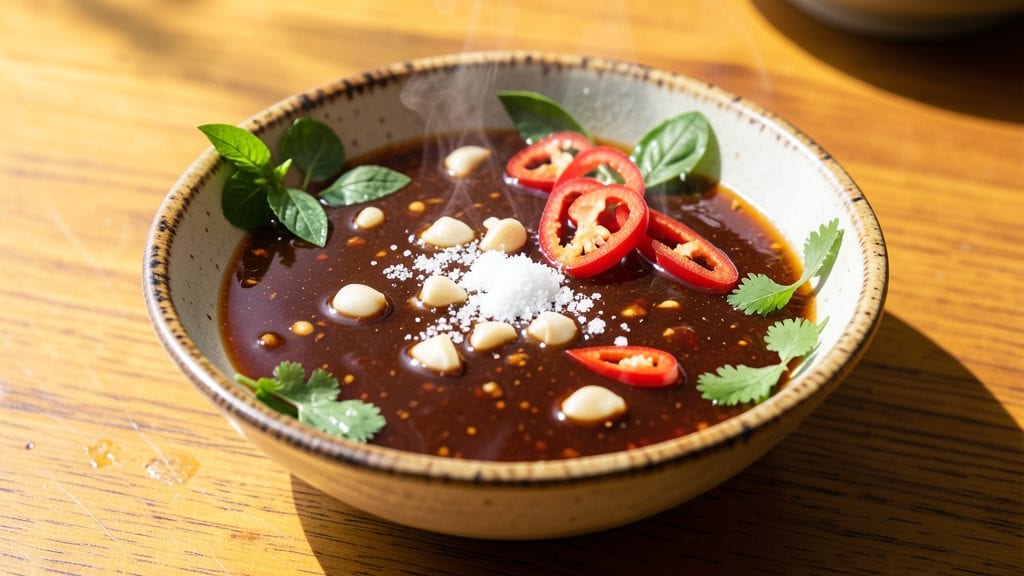
This Vietnamese sauce recipe transforms simple ingredients into a balanced, tangy-sweet elixir that elevates every dish it touches. The magic lies in the harmony of fish sauce, lime, and sugar—a trifecta that cuts through rich flavors while adding depth.
I developed this version after years of testing, ensuring the perfect ratio where the fish sauce’s umami shines without overpowering, and the lime keeps it vibrant. The result is a sauce that’s as versatile as it is essential, turning ordinary meals into something extraordinary.
The beauty of this recipe is its foolproof simplicity—just four core ingredients, minimal prep, and no cooking required. Fish sauce provides the salty backbone, while lime juice and sugar create that signature bright, refreshing contrast.
A splash of water ensures the right consistency, whether you prefer it thin for dipping or slightly thicker for glazing. What sets this apart is the precision: too much sugar flattens the flavor, but just the right amount makes it sing.
Trust the measurements, and you’ll get it perfect every time.
What you’ll end up with is a versatile sauce that works as a dipping companion for spring rolls, a marinade for grilled meats, or a finishing touch for pho and noodle bowls.
The balance of flavors—salty, sweet, and tangy—makes it addictive, and the bright acidity cuts through even the richest dishes. Once you taste the difference between store-bought and homemade, you’ll never go back. Ready to make it? Let’s get started.
This sauce keeps well in the fridge for up to two weeks, so you can make a batch ahead and use it throughout the week. For best results, store it in an airtight container and give it a quick stir before each use.
The longer it sits, the more the flavors meld, so if you can, let it rest overnight before using it the first time. It’s the kind of sauce that turns a simple meal into something memorable—worth every minute of prep.
Ingredients for vietnamese sauce
Four core ingredients. One game-changing sauce that turns bland into brilliant.
| Ingredient | Amount | Notes |
|---|---|---|
| Red Boat Fish Sauce 🐟 | ½ cup | High quality, aged fish sauce |
| Fresh Lime Juice 🍋 | ¼ cup | From 2-3 limes, freshly squeezed |
| Granulated Sugar 🍬 | ¼ cup | White or raw cane sugar |
| Water 💧 | ¼ cup | Room temperature preferred |
| Fresh Garlic Cloves 🧄 | 2 cloves | Minced for depth of flavor |
| Fresh Chili Peppers 🌶️ | 1 whole | Thinly sliced, optional for heat |
| Sea Salt 🧂 | ½ tsp | Fine grain, adjust to taste |
| Fresh Cilantro Stems 🌿 | ⅛ cup | Chopped for aromatic finish |
The fish sauce is non-negotiable—Red Boat is my go-to because it’s clean, bold, and free from additives. You’ll find it at Asian markets or well-stocked grocery stores like Whole Foods. If you can’t find it, Three Crabs is a solid backup, but avoid anything with a harsh, metallic aftertaste. Lime juice should be fresh—Mexican limes if you can get them, or regular limes work too. The sugar is where precision matters: too much kills the balance, but just 0.25 cup enhances the umami without overpowering. For the garlic, roast it first if you want a sweeter, deeper flavor—just toss the minced cloves in a dry pan for 2 minutes.
No Red Boat? Three Crabs or Tiparos are great backups, but avoid cheap brands with funky smells. Short on lime juice? Lemon juice works in a pinch, but it’ll taste different—add a pinch of sugar to compensate. The chili peppers are totally optional, but if you love heat, Thai bird’s eye peppers add serious kick. No cilantro? Fresh mint or basil can mimic that bright finish, though nothing beats the real thing. For extra depth, add a dash of soy sauce or a splash of rice vinegar—trust me, it’s worth the experiment. The water is your consistency control: add it slowly until it’s just pourable.
This sauce is a fridge staple—keeps for up to two weeks in an airtight jar. The flavors actually improve as it sits, so make a double batch if you’re obsessed. For best results, let it rest overnight before using—this gives the sugar and fish sauce time to marry. If it gets too thick, just add a splash of water. If it’s too thin, simmer it gently for 2-3 minutes to reduce. Freezes beautifully for up to 3 months, though texture might change slightly. Use it on everything: noodles, grilled meats, even as a dip for spring rolls.
Why You'll Love This Recipe
- Five-Ingredient Magic: I swear, this sauce is the culinary equivalent of a good pair of jeans—simple, reliable, and always works. Just toss in fish sauce, lime, sugar, water, and minced garlic, then let it sit. No peeling, no chopping, no stress.
- Umami Bomb: That first drop of Red Boat fish sauce? Pure flavor gold. The garlic sizzles, the lime brightens, and the sugar cuts through—it’s the kind of taste that makes you pause mid-bite. Honestly, it’s the secret weapon in my pantry.
- Every Meal Upgrade: Drizzle it over grilled shrimp, toss it with noodles, or use it as a marinade—this sauce transforms ordinary dishes into something special. I keep a jar in the fridge for those nights when I need a quick, flavorful fix.
- Budget-Friendly Staple: A little goes a long way, and these ingredients won’t break the bank. A single bottle of fish sauce lasts months, and the rest? Pantry basics. Between us, this is the kind of recipe that makes grocery shopping feel like a win.
Step-by-step instructions for Vietnamese sauce recipe
This balanced sauce brings umami depth and citrus brightness to every dish—here's how to make it shine.
Combine Wet Ingredients for the Base
In a medium saucepan, pour in the 0.5 cup Red Boat Fish Sauce and 0.25 cup Water. Place over medium-low heat and bring to a gentle simmer. Watch closely—the sauce should bubble softly but not boil vigorously. This controlled heat helps the fish sauce's complex flavors develop without cooking off completely.
While heating, add the 0.25 cup Granulated Sugar and stir until fully dissolved. You'll notice the mixture turn slightly cloudy as the sugar integrates. This step creates the perfect balance between salty, sweet, and umami—don't rush it. Let it simmer for 2-3 minutes until the sugar completely dissolves and the sauce begins to thicken slightly.
Add Aromatics and Build Flavor Layers
Reduce the heat to low and add the 2 cloves Fresh Garlic Cloves and 1 whole Fresh Chili Peppers (thinly sliced). Stir gently to combine, letting the garlic infuse for 30 seconds until fragrant. You'll smell that incredible garlic aroma—this is where the sauce starts developing its signature depth. Be careful not to let the garlic brown, as it can turn bitter quickly.
Next, pour in the 0.25 cup Fresh Lime Juice and the 0.5 tsp Sea Salt. Stir well to distribute evenly. The citrus will immediately brighten the sauce, cutting through the richness of the fish sauce. Taste at this point—you should notice a perfect balance of salty, sweet, tangy, and slightly spicy notes. If it needs more heat, add a pinch of extra sea salt or a bit more chili.
Finish with Fresh Herbs and Cool
Remove the saucepan from heat and let it cool slightly for 2-3 minutes. This resting period allows the flavors to meld together. While cooling, chop the 0.125 cup Fresh Cilantro Stems into small pieces. The stems add a subtle earthy aroma without overpowering the sauce—they're often overlooked but make a big difference.
Once the sauce has cooled enough to handle, stir in the chopped cilantro stems. Taste again to ensure all elements are harmonized. The sauce should coat your spoon with a glossy sheen and deliver layers of flavor with each bite. For best results, use the sauce immediately or store it in an airtight container in the refrigerator for up to 5 days. It's perfect for drizzling over noodles, grilled meats, or fresh spring rolls!
Pro Tips For Making Vietnamese Sauce
- Mince Garlic Fine: I learned this the hard way—chopping garlic cloves into rough bits means you’ll taste them instead of letting them melt into the sauce. Use a knife or the flat side of a cleaver to smash them first, then mince until it looks like confetti. That way, they dissolve smoothly without leaving harsh chunks.
- Warm the Fish Sauce: Cold fish sauce hits like a punch to the palate. Heat it gently in a small saucepan with a splash of water (just enough to cover the bottom) until it’s lukewarm—about 110°F (43°C). This softens the umami impact and lets it blend seamlessly with the lime and sugar.
- Balance Sugar Last: Taste before you sweeten. Add lime and garlic first, then adjust sugar incrementally—start with half the recipe’s amount, wait 30 seconds, and taste again. Sugar masks fish sauce’s depth, and you’ll end up overdoing it if you dump it all in upfront.
- Use Filtered Water: Tap water’s chlorine or mineral content can dull the sauce’s brightness. If your water tastes metallic or has a strong odor, use filtered or bottled water instead. A clean base makes the fish sauce and lime sing without competing flavors.
Flavor customization for this dish
Sweet-Tangy Balance
Adjust the sugar-to-lime ratio to suit your taste—start with equal parts (0.125 cup sugar and 0.125 cup lime juice) for a sharper tang, or increase sugar (0.375 cup) for a smoother finish.
For extra depth, add 1 tsp honey or 1 tsp coconut sugar—these caramelize gently when heated, adding complexity. If your sauce tastes too sweet, balance it with 1 extra tbsp lime juice or a pinch of white vinegar for brightness. 🍯
Spicy Variations
For heat lovers, blend in 1 tbsp minced Thai chilies or ½ tsp chili flakes for an immediate kick. For smoky depth, add ½ tsp smoked paprika or 1 tsp fermented chili oil (like Lao Gan Ma).
If you prefer a slow-building heat, infuse the sauce with 2 slices of fresh ginger while simmering—remove before adding lime. Pro tip: Toast the chili peppers in a dry pan for 30 seconds before adding to deepen their flavor. 🌶️
Herb Infusions
Swap cilantro for fresh mint (use 0.125 cup stems) for a refreshing twist, or add 2 tbsp chopped basil for a Mediterranean-Vietnamese fusion. For an earthy note, stir in 1 tbsp lemongrass paste (found in Asian markets) or 1 tsp grated galangal.
If using herbs, add them at the very end to preserve their bright flavors—overheating dulls their aroma. 🌿
Umami Boosters
Enhance the fish sauce’s depth with 1 tsp soy sauce or 1 tsp oyster sauce for a richer profile. For a fermented kick, add 1 tsp miso paste or ½ tsp fish sauce reduction (simmer 2 tbsp Red Boat Fish Sauce until syrupy).
If you love mushrooms, blend in 1 tbsp finely chopped shiitake or 1 tsp mushroom powder—it adds an earthy umami that pairs perfectly with the citrus. 🍄
Regional Twists
For a Southern Vietnamese touch, add 1 tsp shrimp paste (mắm ruốc)—it’s salty and funky, balancing the lime beautifully. In Central Vietnam, incorporate 1 tsp tamarind paste for a tart depth.
Northern styles often use 1 tsp rice vinegar and ½ tsp black pepper for a sharper, spicier profile. Each region tweaks the sauce to complement local dishes, so experiment to find your favorite. 🗺️
Thicker or Thinner
Need a thicker sauce? Simmer the base (fish sauce + water + sugar) uncovered for 5-7 minutes to reduce by half. For a thinner version, add 1-2 tbsp water or lime juice until pourable.
If using as a glaze, reduce it to a syrup-like consistency—this works perfectly for grilled meats or stir-fries. Always taste as you go; consistency should complement the dish, not compete with it. ✨
Nutrition facts
Frequently asked questions
What's the best fish sauce to use in this Vietnamese sauce recipe?
Red Boat is the gold standard for this recipe, offering a clean, balanced umami flavor without overpowering additives. If you can't find it, Three Crabs or Tiparos are excellent alternatives. Avoid cheaper brands with strong metallic or funky odors—they'll ruin the sauce's delicate balance.
Can I make this sauce without fresh lime juice?
Yes, but the flavor will differ slightly. Use lemon juice in a 1:1 ratio, though it's less tart. For a closer match, add ½ tsp citric acid to mimic lime's brightness. If using bottled lime juice, reduce the sugar slightly—it's often sweeter than fresh.
How do I adjust the spice level for sensitive palates?
Omit the chili pepper entirely for mild heat, or use ½ tsp sweet paprika instead. For a subtle kick, add just ¼ of a Thai chili (seeds removed) or a pinch of cayenne powder. Always taste as you go—you can't overdo it with lime juice to balance any lingering heat.
What are the best ways to use this Vietnamese sauce?
This versatile sauce shines as a dipping sauce for spring rolls or fresh herbs, a marinade for grilled shrimp or chicken, or a finishing drizzle over pho or noodle bowls. Try it as a glazing sauce for seared scallops or as a base for Vietnamese-style ceviche.
Why did my homemade sauce turn cloudy or separate?
Cloudiness usually means the sugar didn't fully dissolve during simmering. Heat the sauce again gently until clear. Separation can happen if you added cold water too quickly—always use room-temperature water and stir constantly. If it's too thick, thin with 1 tbsp lime juice; if too thin, simmer 2-3 minutes to reduce.