
Sauces & Condiments
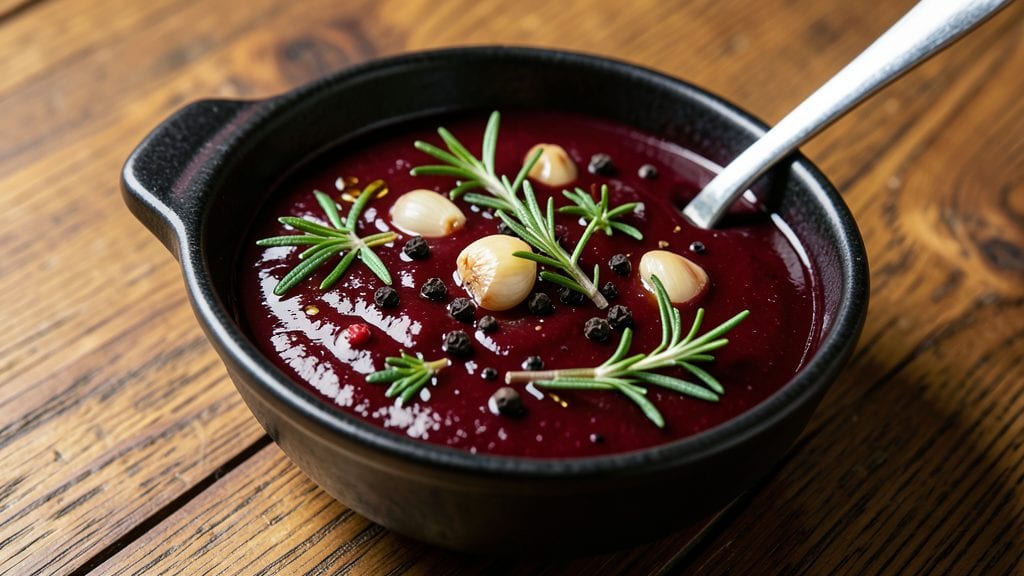
This venison sauce recipe transforms simple ingredients into a rich, velvety red wine reduction that elevates game day dinners to restaurant quality. The deep flavors of red wine, earthy herbs, and slow reduction create a sauce that clings perfectly to tender venison, turning a simple meat into an unforgettable centerpiece.
I developed this recipe after years of perfecting the balance between acidity and richness—critical for cutting through venison's natural gaminess while enhancing its depth.
The secret lies in the reduction process, where alcohol evaporates and flavors intensify over low heat. A blend of thyme, rosemary, and black pepper adds complexity without overpowering, while a splash of balsamic vinegar at the end ties everything together.
This sauce isn't just for venison—it works beautifully with beef, lamb, or even roasted root vegetables, making it a versatile addition to your cooking repertoire.
What you'll achieve is a glossy, deeply flavorful sauce with a perfect balance of sweetness, acidity, and earthy notes. The texture is velvety yet clings to meat like a second skin, ensuring every bite is infused with rich umami.
Best of all, it keeps well in the refrigerator for up to 5 days, allowing you to make a big batch and enjoy it throughout the week.
Pair this sauce with pan-seared venison chops, roasted venison steaks, or even as a glaze for game birds. The versatility makes it ideal for both casual weeknight dinners and special occasions. Let's get started on creating this showstopping sauce that will have everyone asking for seconds.
Ingredients for venison sauce
Nine ingredients. One sauce. Game-changing depth for venison and beyond.
| Ingredient | Amount | Notes |
|---|---|---|
| Dry Red Wine 🍷 | 1 cup | Bold variety like Cabernet Sauvignon |
| Beef Stock 🍲 | 1 cup | Homemade preferred for depth |
| Fresh Thyme Sprigs 🌿 | ¼ cup | Stems removed, loosely packed |
| Fresh Rosemary Sprigs 🌿 | ¼ cup | Needles finely chopped |
| Black Peppercorns 🌶️ | 1 tbsp | Freshly cracked, not ground |
| Garlic Cloves 🧄 | 4 cloves | Smashed, not minced |
| Balsamic Vinegar 🍶 | 2 tbsp | Aged 25 years minimum |
| Unsalted Butter 🧈 | 2 tbsp | Cold, cubed for finishing |
| Diamond Crystal Kosher Salt 🧂 | ½ tsp | Fine grain preferred |
| Granulated Sugar 🍬 | 1 tbsp | Light brown preferred |
The red wine is non-negotiable—Cabernet Sauvignon or Merlot from a reputable vineyard delivers the best depth. Trader Joe's or Total Wine often have excellent options at reasonable prices. If you're using a cheaper wine, deglaze the pan thoroughly to extract all the flavor. The beef stock should be rich and well-seasoned; Kitchen Basics or homemade is ideal. Fresh herbs make all the difference here—Whole Foods or your local farmers market are best for vibrant thyme and rosemary. Look for stems that are firm and green, not woody or dried out. The black peppercorns should be freshly cracked—Penzeys sells pre-cracked if you don't have a pepper mill.
No red wine? Substitute with beef broth plus 1 tbsp balsamic vinegar, though the flavor will be subtly different. Swap fresh herbs for dried at one-third the amount, but fresh is truly superior. Want more sweetness? Add 1 tsp honey with the sugar. The butter at the end should be cold and cubed—this creates a luxurious finish. If you're using this sauce for vegetarian dishes, mushroom stock works beautifully instead of beef. For a quicker version, reduce the wine and stock together in a saucepan instead of the stovetop method, though you'll lose some depth.
This sauce reaches its peak after 5-7 days in the fridge—flavors meld beautifully over time. Store in an airtight container with a thin layer of olive oil on top to preserve freshness. Freezes perfectly for up to 3 months—portion into ice cube trays before transferring to a bag. Reheat gently over low heat, stirring constantly to prevent separation. The sauce thickens as it cools, so add a splash of warm water if it becomes too stiff. Leftovers make an incredible glaze for roasted vegetables or grilled meats—just simmer until slightly reduced.
Why You'll Love This Recipe
- Wine Simmer Magic: The red wine and beef stock reduce into a rich, glossy sauce with almost no effort—just toss in the thyme and rosemary sprigs, let it bubble, and walk away. I’ve made this while chatting on the phone, and it still comes out velvety smooth.
- Peppercorn Depth Bomb: Those tiny black peppercorns crack open during simmering, releasing a subtle heat that lingers. It’s not overpowering, just enough to make every bite feel like a little flavor upgrade—honestly, it’s the secret weapon in this sauce.
- Game Day Ready: This sauce elevates venison (or beef, or even mushrooms) for gatherings without requiring a fancy presentation. Slather it on roasted meat, drizzle it over pasta, or serve it in a bread bowl—it’s the kind of dish that makes hosting feel effortless.
- Pantry Stretch Star: A single batch stretches across multiple meals: toss leftovers into a frittata, stir into mashed potatoes, or use it as a marinade. I’ve had this sauce last me a full week, and it only gets better as the flavors meld. Budget-friendly? Absolutely.
Step-by-step instructions for venison sauce recipe
This deep red wine reduction transforms simple ingredients into a velvety sauce with herbaceous depth perfect for venison.
Bloom the Aromatics in Butter
Melt the 2 tablespoons unsalted butter in a heavy-bottomed saucepan over medium-low heat. Add the 4 smashed garlic cloves and the 1 tablespoon freshly cracked black peppercorns, stirring constantly for 1-2 minutes until the garlic becomes fragrant but doesn't brown. This gentle cooking prevents bitterness while extracting maximum flavor from the aromatics.
Here's the thing—if you let the garlic color, it'll add bitterness that competes with the wine's delicate fruit notes. Watch carefully and remove the pan from heat if it starts to turn golden. The butter should foam gently but not bubble vigorously.
Deglaze with Wine and Stock
Immediately pour in the 1 cup dry red wine, scraping up any browned bits from the bottom of the pan with a wooden spoon. Let it simmer over medium heat for 3-4 minutes until reduced by about half. You'll notice the alcohol burn off, leaving behind concentrated wine flavors and a rich aroma.
Add the 1 cup beef stock and bring to a gentle simmer. This creates the base for your reduction while infusing the stock with all those lovely herbaceous notes. I like to use homemade stock here—it adds subtle depth that store-bought can't match.
Incorporate Herbs and Seasonings
Add the 0.25 cup finely chopped fresh rosemary sprigs and 0.25 cup fresh thyme sprigs along with the 0.5 teaspoon diamond crystal kosher salt and 1 tablespoon granulated sugar. Stir gently and let the mixture simmer uncovered over medium-low heat for 15-20 minutes, until reduced by about two-thirds.
The sugar here serves a dual purpose—it balances the acidity of the wine while helping to caramelize the herbs slightly, intensifying their flavors. You'll know it's ready when the sauce coats the back of a spoon and has thickened noticeably. Stir occasionally to prevent sticking.
Finish with Balsamic and Butter
Remove the pan from heat and stir in the 2 tablespoons balsamic vinegar. Return to low heat and simmer for an additional 2-3 minutes until the vinegar is fully incorporated and the sauce has reached your desired consistency. It should be velvety but still pourable.
Finally, whisk in the remaining 2 tablespoons cold unsalted butter, one tablespoon at a time, until fully emulsified. This creates a luxurious finish that coats the back of your tongue. The sauce should be glossy with a beautiful deep red color—almost like ruby wine. Taste and adjust seasoning if needed.
Strain and Serve
Strain the sauce through a fine-mesh sieve into a clean saucepan to remove any herb stems or peppercorns. Return to low heat if needed to maintain serving temperature. This step ensures a perfectly smooth sauce without any textural surprises.
Serve immediately over venison steaks or roasts, drizzling generously over each portion. The sauce should cling beautifully to the meat, enhancing its natural richness while adding layers of herbal complexity. For best results, serve while warm—this sauce doesn't reheat well once cooled completely.
Pro Tips For Making Venison Sauce
- DEGLAZE HOT, NOT LAZY: Start your sauce with a screaming-hot pan—venison releases its caramelized bits fast, and cold wine just makes a sad, thin mess. Pour in that red wine immediately after searing, and let it bubble like a tiny volcano for 30 seconds before scraping. (Yes, even if you’re impatient like me.)
- TOAST THE HERBS FIRST: Strip those thyme and rosemary sprigs, then give them a quick 30-second dry toast in the same pan you seared the venison—just until they smell like a forest after rain. This concentrates their oils and stops them from turning the sauce into herbal wallpaper. (Pro move: crush the peppercorns in the same pan afterward.)
- SIMMER LOW OR LOSE FLAVOR: Boil the stock and wine hard, and you’ll end up with a flat, alcohol-heavy sauce that tastes like it was made in a microwave. Once everything’s combined, drop the heat to a gentle simmer—just small, occasional bubbles—and let it work for 15-20 minutes. (Your sauce will thank you by not tasting like cooking sherry.)
- STRAIN THE HERBS, KEEP THE OILS: After simmering, strain out the herb sprigs—but don’t rinse them. The residual oils and tiny herb bits left in the sauce are where the magic lives. If you’re feeling fancy, press the sprigs with the back of a spoon to squeeze out every last drop. (This isn’t the prettiest method, but it’s the tastiest.)
Make-ahead tips for this venison sauce
Prep Ahead Strategy
Make the sauce base 2 days ahead and store it in an airtight glass container in the refrigerator. The flavors deepen significantly over time, with the wine and herbs melding into a more complex profile.
I recommend reducing the wine and stock mixture first, then refrigerating it uncovered overnight to develop even more concentration. This technique is called "pre-reduction" and creates a more intense flavor foundation. 💡
Herb Prep Shortcut
Chop all herbs 3 days ahead and store them in a sealed container with a damp paper towel to maintain freshness. This way, you only need to measure and add them during cooking.
I like to use a food processor for quick, even chopping—just pulse the rosemary and thyme sprigs until finely minced but not paste-like. This ensures consistent flavor distribution throughout the sauce. ✨
Freezer-Friendly Portions
Portion the finished sauce into ice cube trays before transferring to a freezer bag. Each cube equals about 2 tablespoons, perfect for single servings. When ready to use, thaw in the refrigerator overnight, then reheat gently on the stovetop.
This method prevents the sauce from becoming watery or separating when reheated. Label your bags with the date—this sauce keeps for up to 3 months in the freezer. ❄️
Make-Ahead Serving Plan
Plan to reheat the sauce 30 minutes before serving over low heat while your venison rests. The sauce should warm through without boiling, maintaining its velvety texture. I often make a double batch—one portion for immediate use and another stored for later.
For example, use half on venison steaks and save the rest for roasted root vegetables the next day. The versatility makes it a meal prep powerhouse. 💪
Butter Finishing Hack
Prepare the cold butter cubes ahead of time and store them in the freezer until ready to finish the sauce. This ensures they stay firm and emulsify perfectly when added at the end.
I keep a small container of cubed butter in my freezer for quick sauce finishing—just grab and go when needed. The butter adds a luxurious mouthfeel that’s impossible to replicate with other fats. 🧈
Garnish Prep
Chop fresh herbs for garnishing the day before and store them in a small airtight container in the fridge. A sprinkle of thyme or rosemary just before serving adds a pop of color and freshness.
I also like to keep toasted pine nuts or crumbled blue cheese on hand for extra texture. These garnishes can be prepped in 5 minutes and stored for up to 3 days, making plating effortless. 🌿
Nutrition facts
Frequently asked questions
Can I use white wine instead of red for this venison sauce?
White wine won't work here—the deep color and rich tannins of red wine are essential for balancing venison's gamey flavors. If you're out of red, try a bold Port wine or beef broth with extra balsamic vinegar (1 tbsp more) to mimic the acidity and depth. The sauce will be lighter in color but still delicious.
How do I prevent the sauce from becoming too thick or separating?
Start with medium-low heat throughout the reduction process to avoid burning. If it thickens too much, whisk in 1-2 teaspoons of warm water or stock while reheating. For the butter step, add it slowly (1 tbsp at a time) while stirring constantly—this emulsifies the sauce and prevents separation. If it still curdles, strain again through a fine-mesh sieve.
What's the best way to reheat leftovers without ruining the texture?
Reheat gently over low heat in a saucepan, stirring constantly with a wooden spoon. Never microwave—it can make the sauce watery. If it's too thick after reheating, thin with 1 tsp of warm water or stock. For best results, reheat only what you need and serve immediately. The sauce keeps well in the fridge for 5-7 days and freezes beautifully for 3 months.
Can I make this sauce in a slow cooker or Instant Pot?
Yes, but with adjustments! For a slow cooker, combine all ingredients (except butter) on low for 4-5 hours, stirring occasionally. For the Instant Pot, use the sauté function to bloom aromatics, then add liquids and cook on high pressure for 8 minutes. Finish with balsamic and butter as directed. The Instant Pot version reduces faster but may need more attention to prevent scorching.
What other meats pair well with this sauce besides venison?
This sauce works beautifully with beef steaks, lamb chops, duck breast, or even mushroom Wellington. For poultry, try it with roasted chicken thighs or pigeon. The rich, herbal notes complement gamey or fatty meats perfectly. For vegetarian options, drizzle it over grilled eggplant or portobello mushrooms.