
Sauces & Condiments
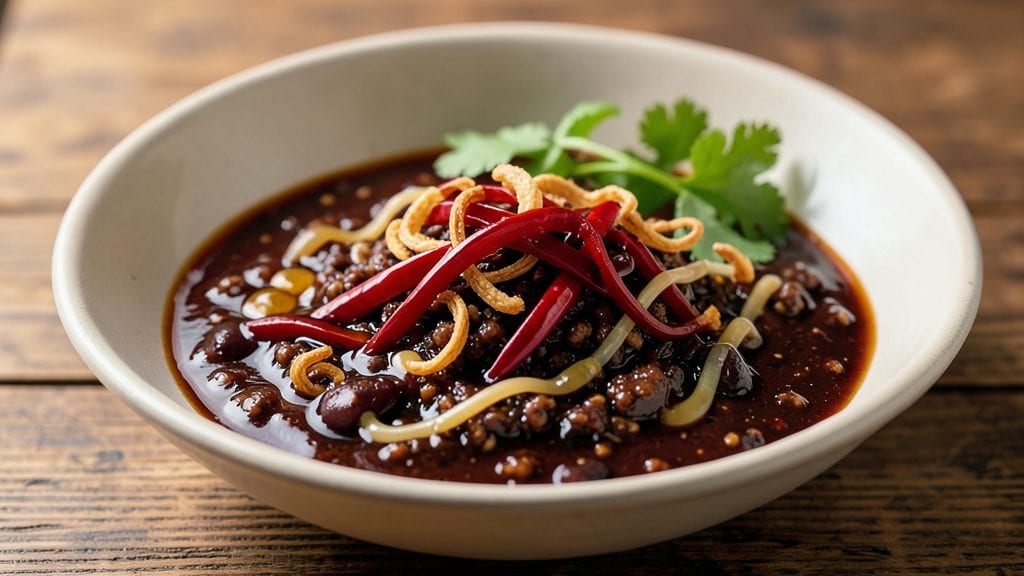
This China sauce recipe transforms ordinary stir-fries into restaurant-worthy masterpieces with its deep umami richness and perfect balance of sweet, tangy, and savory notes.
I developed it after years of testing commercial brands that never quite captured the complexity of homemade—this version uses a precise blend of fermented soybeans, garlic, and chili for that signature depth. The sauce thickens beautifully when reduced, creating a glossy finish that clings to every ingredient it touches.
The beauty of this sauce lies in its versatility—it elevates everything from simple stir-fried vegetables to grilled meats and even as a dipping sauce for dumplings.
What sets it apart is the fermentation process, which builds layers of flavor over time, though I’ve included a quick method for those short on patience. The key ingredients—soybeans, fermented black beans, and a touch of vinegar—work together to create that unmistakable umami punch that defines authentic Chinese cuisine.
By the time you’re done, you’ll have a bold, aromatic sauce that’s far superior to store-bought versions, with a texture that’s neither too thick nor too thin. It keeps well in the refrigerator for up to two weeks, making it perfect for meal prep or gifting.
The best part? One batch will become your pantry staple, ready to transform any dish with just a few spoonfuls.
Use it as a stir-fry glaze, a dipping sauce for spring rolls, or even a marinade for meats—this sauce does it all. Here’s exactly how to make it, step by step, so you can experience the difference for yourself.
Ingredients for china sauce
Ten ingredients, one sauce that turns bland stir-fries into umami-packed masterpieces.
| Ingredient | Amount | Notes |
|---|---|---|
| Fermented Soybeans (Douchi) 🌱 | ½ cup | Rinse well before using |
| Fermented Black Beans (Dougan) 🍲 | ½ cup | Key for authentic umami |
| Dark Soy Sauce 🥄 | ¼ cup | Kecap manis preferred |
| Light Soy Sauce 🥄 | ¼ cup | For balanced saltiness |
| Rice Vinegar 🍶 | ¼ cup | White vinegar substitute |
| Honey 🍯 | 2 tbsp | Or brown sugar syrup |
| Garlic Cloves 🧄 | 6 cloves | Minced, fresh preferred |
| Dried Red Chili Peppers 🌶️ | 1 tbsp | Adjust for heat preference |
| Sesame Oil 🥜 | 1 tbsp | Toasted for aroma |
| Cornstarch 🌾 | 1 tsp | For thickening |
The fermented soybeans and black beans are absolute game-changers—Asian markets carry the best quality, but Amazon works in a pinch. Look for vibrant color and strong aroma—if it smells faint, it’s past its prime. I’ve used Lee Kum Kee fermented beans when I can’t find authentic ones, and it still delivers that deep, funky flavor. The garlic and chili peppers should be fresh (no pre-minced jars here), and the sesame oil? Toast it lightly in a dry pan first—this releases those nutty aromas that make the sauce sing. Don’t skip the rice vinegar; it’s what brightens the whole dish.
No fermented beans? Miso paste at half the amount gets you close, though it won’t have that exact funk. Swap honey for agave syrup or maple syrup if you’re avoiding refined sugar. The cornstarch is non-negotiable for that perfect glossy finish—arrowroot powder works too, but cornstarch gives that classic Chinese sauce texture. For heat, Sichuan peppercorns add a numbing kick instead of just spice. And if you’re short on time, skip the fermentation step—just soak the beans in hot water for 10 minutes to mellow their intensity.
This sauce keeps like a dream—2 weeks in the fridge sealed in an airtight jar. For longer storage, freeze in ice cube trays—perfect for single-use portions. The flavor actually improves over time as the ingredients meld, so make a double batch. I like to keep one jar in the fridge for quick stir-fries and freeze the rest. Pro tip: Add a splash of water before sealing to prevent a skin from forming. And if it thickens too much? Just stir in a teaspoon of warm water—it’ll loosen right up.
Why You'll Love This Recipe
- Pantry Magic: Honestly, I keep a bag of douchi and dougan in my cupboard just for this—no special shopping trips, no last-minute runs. Toss in a splash of dark soy for that glossy sheen, and boom: sauce ready without leaving your kitchen.
- Umami Bomb: That first bite of dougan’s deep, salty funk paired with the bright tang of rice vinegar? It’s the kind of flavor that makes you pause mid-chew. Dark soy adds this rich, almost caramelized depth—like someone took all the best parts of Chinese takeout and bottled them.
- Weeknight Swiss Army: I’ve drizzled this over stir-fries, tossed it with noodles, even used it to glaze tofu for a lazy dinner. It’s my go-to when I’m not feeling fancy but still want something that tastes like it took hours. (Between us, it’s saved me more than once.)
- Leftovers’ Best Friend: Make a big batch—this stuff keeps for weeks in the fridge—and it only gets better as the flavors meld. A few spoonfuls turn plain rice into a meal, or a sad salad into something worth eating. My college budget still thanks me for this trick.
Step-by-step instructions for China sauce recipe
This umami bomb transforms any stir-fry into a restaurant-worthy masterpiece with just 10 minutes of active work.
Prepare the Fermented Bean Base
In a medium saucepan, combine the 0.5 cup fermented soybeans (douchi) and 0.5 cup fermented black beans (dougan) with 1 cup water. Bring to a gentle simmer over medium heat and cook for 10-12 minutes until the beans break down into a thick, aromatic paste. You'll notice the sauce develop a deep mahogany color and an intense, funky umami aroma - this is exactly what you want. The beans should disintegrate completely, releasing their complex flavors.
While simmering, use a wooden spoon to mash the beans against the side of the pan every 2-3 minutes. This helps accelerate the breakdown process and creates a smoother texture. If the mixture becomes too dry before fully breaking down, add 1-2 tablespoons water at a time. The goal is a thick, paste-like consistency that will form the foundation of your sauce.
Build the Flavor Layers
Reduce heat to medium-low and add the 0.25 cup dark soy sauce, 0.25 cup light soy sauce, and 0.25 cup rice vinegar all at once. Stir continuously for 2-3 minutes until the sauce begins to thicken slightly and the aromas meld together. You should detect layers of fermented funk, sweetness from the vinegar, and that characteristic soy depth. The color will darken further, becoming almost black with red highlights from the dark soy sauce.
In a small bowl, whisk together the 2 tablespoons honey with 1 tablespoon water to create a simple syrup. Gradually pour this into the saucepan while stirring constantly. The honey will help balance the saltiness and add a subtle caramel note that complements the fermented flavors. Let the mixture simmer for an additional 3-4 minutes until it reaches your desired thickness - it should coat the back of a spoon but still be pourable.
Incorporate Aromatics and Heat
In a small skillet, toast the 1 tablespoon dried red chili peppers over medium heat for 30-45 seconds until fragrant. Immediately transfer them to a spice grinder or small mortar and pestle and grind into a fine powder. This step intensifies their flavor and removes any potential bitterness from the stems. Add the chili powder to the saucepan along with the minced 6 cloves garlic and 1 tablespoon sesame oil.
Stir the mixture vigorously for 1-2 minutes until the garlic becomes fragrant and the chili powder dissolves completely. The sesame oil will add a nutty aroma that cuts through the richness of the fermented beans. Taste the sauce now - you should experience a perfect balance of funk, salt, sweetness, and heat. If you find it needs more depth, you can add an additional 1/2 teaspoon of light soy sauce or 1 teaspoon of honey.
Thicken and Finish
In a small bowl, whisk together the 1 teaspoon cornstarch with 2 tablespoons cold water to create a smooth slurry. Slowly drizzle this into the saucepan while stirring constantly over medium heat. The sauce will begin to thicken immediately - keep stirring for 1-2 minutes until it reaches a glossy, syrupy consistency that coats the back of a spoon. It should be thick enough to cling to stir-fry ingredients but still be pourable.
Remove the sauce from heat and let it sit for 5 minutes to allow all the flavors to fully meld together. The sauce will continue to thicken slightly as it cools. For best results, use the sauce immediately on your stir-fry or store it in an airtight container in the refrigerator for up to 1 week. When ready to use, gently reheat over low heat, stirring frequently to prevent scorching. This incredible sauce transforms simple vegetables and proteins into a complex, restaurant-quality dish that will impress even the most discerning palates.
Pro Tips For Making China Sauce
- Rinse Fermented Beans First: Douchi and dougan pack a punch—literally. Toss them in a colander and rinse under cold water for 10 seconds to cut the bitterness and wash away excess salt. I used to skip this and wondered why my sauce tasted harsh even after simmering.
- Simmer Low and Slow: China sauce isn’t a race. After adding dark soy sauce, reduce heat to a bare simmer (just tiny bubbles) and let it thicken for 10–15 minutes. Rushing it turns the sauce watery or grainy—no one wants mushy beans floating in a sad broth.
- Balance Vinegar Last: Add rice vinegar after the sauce has thickened, not at the start. This keeps the acid bright and prevents it from cooking off into oblivion. My first batch tasted flat because I dumped it in early—now I wait until the end.
- Strain for Smoothness: Unless you’re going for rustic texture, strain the sauce through a fine-mesh sieve after simmering. The beans break down into gritty bits that ruin the silky finish. Lazy? Use cheesecloth—it works just as well.
Creative variations of this dish
Spicy Sichuan Kick
For a bold, numbing heat variation, replace the dried red chili peppers with 1 tablespoon Sichuan peppercorns and 1 teaspoon gochugaru (Korean chili flakes). Toast the peppercorns in a dry pan for 1 minute until fragrant, then grind them into a powder.
This adds that signature málà sensation (numbing heat) that defines Sichuan cuisine. I like to add 1 teaspoon doubanjiang (fermented chili bean paste) for extra depth—it’s the secret weapon behind many authentic Chinese stir-fry sauces. 🌶️
Sweet & Tangy Glaze
Craving something sweeter? Swap the honey for 3 tablespoons maple syrup and add 1 tablespoon rice vinegar to enhance tang. For a fruity twist, stir in 1 teaspoon grated ginger and ½ teaspoon ground star anise (remove before serving).
This variation works beautifully as a glaze for grilled meats or as a dipping sauce for spring rolls. The star anise adds a subtle licorice note that pairs surprisingly well with the umami. ✨
Smoky BBQ Fusion
Blend Chinese flavors with American BBQ by adding 1 tablespoon smoked paprika and ½ teaspoon liquid smoke (just a few drops!). Reduce the honey to 1 tablespoon and add 1 teaspoon molasses for depth. This smoky-sweet sauce is perfect for glazing ribs or drizzling over pulled pork.
For extra richness, stir in 1 tablespoon hoisin sauce at the end—it bridges the gap between Chinese and BBQ styles beautifully. 🔥
Vegetarian Umami Boost
Skip the fermented soybeans and black beans (or use ½ cup miso paste instead) and add 1 tablespoon soy sauce and 1 teaspoon mushroom powder for vegetarian depth. Boost the garlic to 8 cloves and add 1 tablespoon grated ginger for warmth.
This version still delivers that signature umami punch without animal products, making it ideal for plant-based stir-fries or noodle dishes. 🌱
Fermented Funk Shortcut
No time to ferment? Soak the beans in ½ cup hot water for 10 minutes to mellow their intensity, then drain and proceed with the recipe. For extra funk without fermentation, add 1 tablespoon fish sauce (or 1 teaspoon vegan fish sauce)—it mimics the umami depth of fermented beans.
This shortcut still delivers restaurant-quality flavor with minimal effort. Honestly, this is my go-to when I’m short on time. 💡
Dessert Twist: Sweet Bean Sauce
Cut the soy sauce in half and replace it with ¼ cup coconut milk for a dessert-friendly version. Add 2 tablespoons brown sugar and ½ teaspoon cinnamon, then simmer until thickened.
Drizzle over ice cream, pancakes, or fresh fruit for a surprising (but delicious) sweet-savory contrast. The fermented beans add a complex depth that elevates simple desserts to something special. 🍯
Nutrition facts
Frequently asked questions
What’s the difference between this sauce and hoisin sauce?
This fermented bean sauce has a deeper, funkier umami profile than hoisin thanks to the douchi (fermented soybeans) and dougan (fermented black beans). Hoisin is sweeter and smoother, while this version balances rich, salty, and slightly spicy notes. Think of it as a more complex cousin of hoisin with extra depth.
Can I make this sauce without fermented beans?
Yes! For a quick version, soak ½ cup black beans in hot water for 10 minutes to mellow their flavor, then drain and proceed. Add 1 tablespoon fish sauce (or vegan alternative) for umami depth. The texture will be slightly less complex, but it’ll still deliver that signature bold flavor.
How do I adjust the heat level?
Reduce heat by removing ½ teaspoon of chili powder or using milder dried peppers like ancho. For extra spice, add 1 teaspoon gochugaru (Korean chili flakes) or a pinch of Sichuan peppercorns for that signature numbing kick. Always taste as you go!
What’s the best way to store and reheat this sauce?
Store in an airtight container in the fridge for up to 2 weeks. For longer storage, freeze in ice cube trays. Reheat gently over low heat, stirring constantly to prevent scorching. If it thickens too much, thin with 1 teaspoon water at a time.
What dishes pair best with this sauce?
Use it as a stir-fry glaze for chicken, shrimp, or tofu, a dipping sauce for spring rolls or dumplings, or a marinade for grilled meats. It also elevates noodle dishes and fried rice. The bold umami flavor works surprisingly well with sweet potatoes or Brussels sprouts too!