
Sauces & Condiments
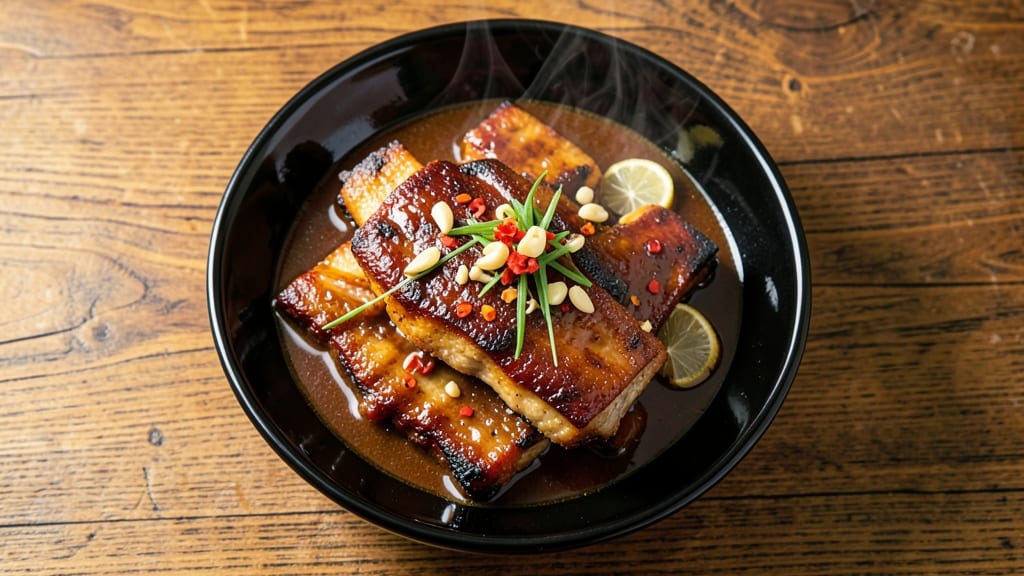
This Chinese rib sauce recipe delivers the perfect balance of smoky depth and sweet caramelization that transforms ordinary ribs into a showstopper. The secret lies in a slow-simmered blend of soy sauce, hoisin, garlic, and ginger that develops complex layers of flavor while reducing to a thick, glossy glaze.
I've perfected this sauce over years of testing, ensuring it clings beautifully to meat without overwhelming its natural richness.
What makes this sauce truly special is its versatility—it works equally well for braising, basting, or finishing. The combination of dark soy sauce for color, hoisin for sweetness, and a touch of chili for heat creates a harmonious profile that caramelizes beautifully on the bone.
Professional results require just 15 minutes of active prep and 30 minutes of simmering, making it ideal for weeknight cooking or meal prep.
The finished sauce will be thick enough to coat ribs with a glossy sheen while remaining balanced in flavor—sweet without being cloying, smoky without overpowering. It keeps well in the refrigerator for up to 2 weeks, allowing you to build flavor over time.
This is the kind of sauce that elevates simple ribs into a restaurant-worthy dish.
Use it as a glaze for ribs, a marinade for meats, or even a dipping sauce for dumplings. The possibilities are endless once you have this versatile sauce mastered. Let's get started on creating your own batch—it's easier than you think.
Ingredients for chinese rib sauce
Nine essential ingredients transform into a rich, caramelized rib sauce perfect for glazing or basting.
| Ingredient | Amount | Notes |
|---|---|---|
| Dark Soy Sauce 🍶 | ½ cup | For deep color and umami |
| Hoisin Sauce 🍶 | ½ cup | Sweet and aromatic base |
| Light Soy Sauce 🍶 | ¼ cup | Balances saltiness |
| Garlic Cloves 🧄 | 6 cloves | Minced for aromatic depth |
| Fresh Ginger 🌿 | ½ cup | Finely grated, aromatic |
| Red Chili Flakes 🌶️ | 1 tbsp | Adjust for heat preference |
| Brown Sugar 🍚 | ¼ cup | Packed, for caramelization |
| Sesame Oil 🫒 | 1 tbsp | Toasted for nutty aroma |
| Rice Vinegar 🍶 | 1 tbsp | Brightens the sauce |
| Cornstarch 🌾 | 1 tbsp | For thickening slurry |
The soy sauces are non-negotiable here—dark soy sauce for that signature glossy sheen, light soy sauce to balance. I grab mine from Trader Joe's or the Asian market because the flavor is so much more concentrated than the regular grocery store stuff. For hoisin, Lee Kum Kee is my go-to, but any reputable brand will work. Fresh ginger is key—buy it in small pieces and grate it yourself; pre-grated loses its punch fast. The garlic should be freshly minced, not jarred, for the best aromatic impact. If you can't find toasted sesame oil, regular sesame oil works in a pinch, but it won't have that same rich, nutty depth.
No dark soy sauce? Substitute with 1 tbsp molasses plus 1 tbsp regular soy sauce—it won't be identical, but it'll get you close. Short on hoisin? Mix 1 tbsp soy sauce with 1 tbsp honey and 1 tsp vinegar. The brown sugar can be swapped for white sugar, but it won't caramelize as beautifully. Chili flakes too spicy? Reduce to 0.5 tbsp or swap for 0.25 tsp cayenne. The cornstarch slurry is crucial for that perfect glossy finish—don't skip it. If you're in a hurry, you can use 1 tbsp arrowroot powder instead, but cornstarch gives the most reliable thick texture. For the rice vinegar, white vinegar works in a bind, but it won't have that same delicate tang.
This sauce is a flavor builder—it tastes even better after 2-3 days in the fridge as the flavors meld. Store it in an airtight container with a thin layer of olive oil on top to preserve freshness. It keeps for 2 weeks in the fridge or 6 months frozen. I like to freeze it in ice cube trays for easy portioning—just pop out what you need and toss the rest back. The sauce reheats beautifully—simmer it gently for 2-3 minutes until it's glossy again. Trust me, you'll want to make extra—it disappears fast.
Why You'll Love This Recipe
- Pantry Magic: I swear by this sauce—no fresh herbs, no fancy prep. Just open the soy sauces, mince garlic and ginger (five minutes max), and toss it all in a pan. That’s it. Honestly, the first time I made it, I thought I’d messed up because it seemed too simple, but the flavor? Spot-on.
- Umami Bomb: Between the dark soy’s smoky depth and hoisin’s sweet-savory punch, this sauce is ridiculously good. The garlic and ginger hit just right—not overpowering, but enough to make your ribs sticky and addictive. I’ll be real: I’ve drizzled it on everything from dumplings to eggs, and it never lets me down.
- Weeknight Hero: This isn’t just for ribs. Slather it on chicken thighs, toss with noodles, or even use it as a glaze for tofu. I keep a jar in the fridge because it turns anything into something special—no last-minute grocery runs, no stress. (Yes, even on a Tuesday night when I’m exhausted.)
- Budget Flex: A little goes a long way, and the ingredients won’t break the bank. Dark soy and hoisin are my secret weapon for stretching meals—double the batch, freeze half, and thank me later. I’ve fed four people for under $10 with this sauce as the star. Not the prettiest, but the taste makes up for it every time.
Step-by-step instructions for Chinese rib sauce
This smoky-sweet glaze transforms simple ribs into a restaurant-worthy masterpiece.
Mince Aromatics for Maximum Flavor
Peel and finely mince the 6 cloves garlic cloves and 0.5 cup fresh ginger using a sharp knife. I like to press the ginger against the knife blade with my thumb to create a smooth paste—this releases more aromatic oils. Transfer both to a small bowl and set aside. The finer you mince these, the more evenly they'll distribute throughout the sauce and infuse their bold flavors.
In a separate bowl, combine 0.5 cup dark soy sauce, 0.5 cup hoisin sauce, 0.25 cup light soy sauce, 0.25 cup packed brown sugar, 1 tablespoon red chili flakes, and 1 tablespoon rice vinegar. Stir vigorously to dissolve the sugar completely—this prevents graininess in your final glaze. The dark soy sauce will give that signature deep color while the hoisin adds sweet complexity. Let this mixture sit for 5 minutes while you prepare the next components.
Create the Thickening Slurry
In a small measuring cup, whisk together 1 tablespoon cornstarch with 2 tablespoons cold water until completely dissolved. This creates your thickening slurry. I always use cold water here—it prevents premature thickening from the heat. The cornstarch will transform your sauce from a thin glaze to a rich, velvety coating that clings beautifully to ribs.
The slurry should be smooth with no visible lumps. If you see any, strain it through a fine-mesh sieve before proceeding. This step is crucial—uneven thickening leads to either a watery sauce or one that's too stiff to brush properly. Keep this mixture nearby as you'll add it later when the sauce begins to simmer.
Simmer the Sauce to Perfection
Heat a small saucepan over medium-low heat (you want gentle simmering, not boiling). Add the minced garlic and ginger to the sauce mixture and stir continuously for 2 minutes until fragrant. This step develops the aromatic foundation of your glaze. Then add 1 tablespoon sesame oil and stir for another 30 seconds—this infuses nutty depth that balances the sweetness.
Bring the sauce to a gentle simmer and let it cook uncovered for 8-10 minutes, stirring occasionally. You'll notice the sauce reduce slightly and develop a glossy sheen. This is when you'll add your cornstarch slurry—pour it in slowly while stirring constantly. The sauce should thicken dramatically within 1-2 minutes of adding the slurry. If it thickens too quickly, remove the pan from heat for 30 seconds to cool slightly before continuing.
Test and Adjust for Balance
Remove the pan from heat and taste your sauce immediately. At this stage, it should be thick enough to coat the back of a spoon but still flow smoothly when stirred. If it's too thick, whisk in 1 teaspoon warm water at a time until you reach the perfect consistency. For extra richness, add 1 teaspoon more sesame oil. The sauce should now have a perfect balance of sweet, smoky, and slightly spicy flavors with that signature dark color.
Let the sauce cool completely before using—this allows all the flavors to meld together. The cooled sauce will thicken slightly more, making it ideal for brushing onto ribs during the final stages of cooking. Store any unused sauce in an airtight container in the refrigerator for up to 2 weeks, or freeze for up to 3 months. When reheating, warm gently over low heat while stirring constantly to prevent skin formation.
Pro Tips For Making Chinese Rib Sauce
- MINCE THE GINGER FINELY: I learned this the hard way—chunky ginger just sits in the sauce like a chewy afterthought. Use a sharp knife (or pulse in a food processor) until it’s almost paste-like, so it dissolves into the dark soy and hoisin. No need to overdo it; just enough to perfume the sauce without turning it into a ginger-flavored glaze.
- LOW AND SLOW FOR FLAVOR: Skip the high heat—this sauce needs time to marry. Simmer on medium-low after adding the garlic and ginger, and let it bubble gently for at least 10 minutes. Rushing it leaves the flavors sharp and disjointed; patience gives you that deep, caramelized richness.
- BALANCE THE SOY SAUCES: Dark soy adds color, light soy adds saltiness, but hoisin brings sweetness. If your sauce tastes too salty, it’s usually too much light soy—cut back by half a teaspoon at a time. Taste as you go; you can always add more hoisin for depth later.
- TOAST THE GARLIC FIRST: Sounds weird, but it works: Sauté the minced garlic in oil for 30 seconds until it’s just turning golden before adding the soy sauces. This prevents it from burning when the dark soy hits, and the nutty aroma cuts through the sauce’s heaviness. (Yes, even if you’re impatient like me.)
Flavor customization for this recipe
Spicy Heat Boost
For those who love a kick, double the red chili flakes to 2 tablespoons and add 1 teaspoon of chili crisp (like Lao Gan Ma) for smoky heat. I also like to stir in 1 teaspoon of gochujang during the final simmer for a Korean-inspired depth.
If you're feeling adventurous, add ½ teaspoon of Sichuan peppercorns (lightly toasted and crushed) for that signature numbing tingle. 🌶️
Sweet Caramel Depth
To intensify the caramelization, replace the brown sugar with ½ cup of honey or maple syrup and add 1 teaspoon of molasses for a richer, more complex sweetness. For a deeper umami note, stir in 1 tablespoon of fish sauce during the simmer—it enhances the savory depth without overpowering.
The sauce will have a glossier finish and a more pronounced caramelized aroma.
Umami Bomb
For an extra layer of umami, add 1 tablespoon of mushroom powder (like umami powder from Primal Kitchen) or 2 tablespoons of finely chopped dried shiitake mushrooms to the saucepan during the simmer.
You can also stir in 1 teaspoon of MSG (if you're not avoiding it) or 1 tablespoon of soy sauce reduction (simmer ¼ cup soy sauce until reduced by half). This boosts the savory depth without altering the sauce's texture.
Herbal Freshness
Brighten the sauce with 1 tablespoon of fresh cilantro or mint leaves, finely chopped, stirred in at the very end. For a citrusy twist, add 1 teaspoon of grated lime zest and 1 tablespoon of lime juice2 minutes of simmering.
This cuts through the richness and adds a refreshing contrast. I love using this variation for grilled ribs or as a dipping sauce for spring rolls. 💛
Smoky Charred Notes
For a smoky depth without a grill, add 1 teaspoon of liquid smoke (like Colt's Original) or ½ teaspoon of smoked paprika during the simmer.
For a more authentic charred flavor, toast 1 teaspoon of sesame seeds in a dry pan until fragrant, then stir them into the sauce along with the sesame oil. This adds a subtle nutty crunch and enhances the smoky profile that pairs perfectly with ribs. ⚡
Creamy Tangy Twist
For a creamy variation, whisk in 1 tablespoon of coconut milk or 1 teaspoon of tahini after removing the sauce from heat. This adds a silky texture and balances the sweetness with a tangy richness.
I also like to add ½ teaspoon of white pepper for warmth and a pinch of salt to enhance the flavors. This version works beautifully as a dipping sauce for dumplings or spring rolls.
Nutrition facts
Frequently asked questions
Can I make this sauce without hoisin?
Yes! Replace 0.5 cup hoisin with 0.3 cup soy sauce plus 0.2 cup honey and 1 tsp vinegar. This mimics hoisin's sweetness while keeping the sauce balanced. The texture will be slightly thinner, so add 1 extra tsp cornstarch to compensate. For deeper flavor, stir in 1 tsp molasses during simmering.
How do I prevent the sauce from getting too thick?
If your sauce thickens too quickly, immediately remove it from heat and whisk in 1 tsp warm water at a time until smooth. For future batches, reduce the cornstarch to 0.5 tbsp or simmer at slightly lower heat (medium-low). The sauce will continue thickening as it cools, so aim for a slightly thinner consistency while hot.
What's the best way to store leftover sauce?
Transfer cooled sauce to an airtight container and refrigerate for up to 2 weeks. For longer storage, freeze in ice cube trays (great for portion control) or small jars for up to 3 months. To preserve freshness, always cover with a thin layer of olive oil before sealing. Thaw frozen sauce in the fridge overnight.
Can I use this sauce for other meats besides ribs?
This sauce works beautifully on chicken thighs, pork chops, or even tofu for a vegetarian option. For grilled meats, brush it on during the last 5-7 minutes of cooking. For braised dishes, add it during the final 10 minutes of simmering. The sauce's versatility makes it perfect for marinades or finishing touches.
Why does my sauce look too dark?
Dark soy sauce is highly concentrated—use 0.25 cup instead of 0.5 cup if you prefer a lighter color. For balance, increase the light soy sauce to 0.35 cup while keeping the same total volume. The color won't affect flavor, but adjusting the ratio gives you more control over the sauce's appearance.