
Sauces & Condiments
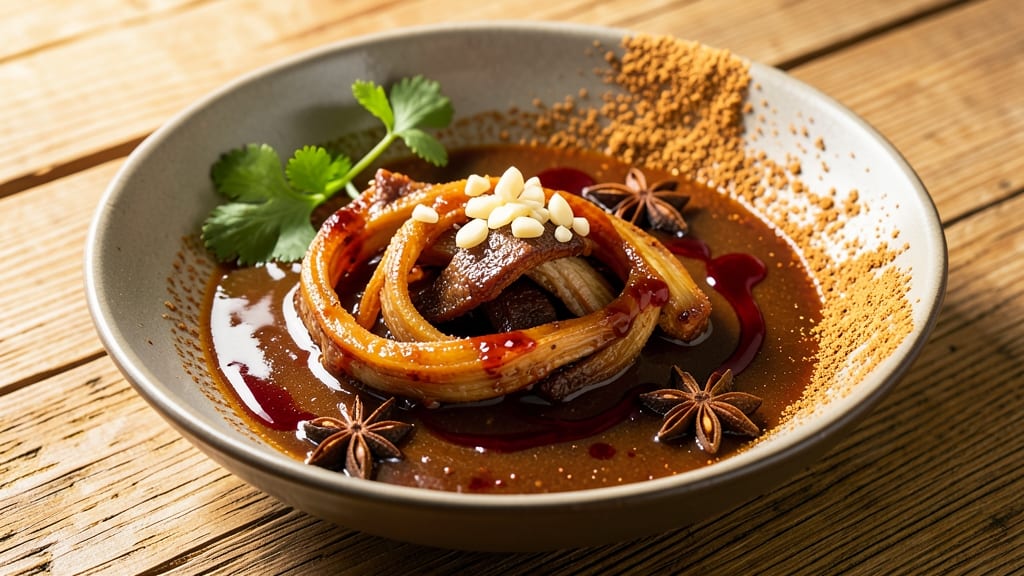
This Chinese spare rib sauce recipe unlocks the deep, fermented complexity that makes restaurant-quality spare ribs taste so extraordinary. The marriage of aged soy sauce, star anise, and five-spice powder creates layers of umami and warmth that transform simple ribs into a showstopping dish.
I developed this sauce after years of studying how Cantonese-style spare rib restaurants achieve that signature glossy, aromatic glaze.
The secret lies in slow reduction—simmering the sauce until it thickens just enough to cling to ribs while maintaining a silky, coatable consistency. We balance sweetness with fermented soy's natural depth, and a touch of vinegar brightens the richness.
This isn't just a sauce; it's the flavor bridge between tender meat and crispy edges, creating every bite's perfect harmony.
What you'll achieve is a glossy, aromatic sauce with concentrated umami flavor that enhances ribs without overpowering them. The star anise and cinnamon add warmth, while the fermented soy provides that signature tangy depth.
Ready in about 45 minutes, this sauce keeps well in the refrigerator for up to two weeks, making it perfect for meal prep.
Use it to glaze braised spare ribs, stir-fry vegetables, or even drizzle over noodles for an instant upgrade. The versatility comes from its balanced flavor profile—sweet enough to please, savory enough to satisfy, and aromatic enough to make any dish memorable.
Let's create this essential sauce that will elevate your cooking.
Ingredients for chinese spare rib sauce
Ten ingredients. One sauce. That restaurant-quality spare rib glaze you've been craving.
| Ingredient | Amount | Notes |
|---|---|---|
| Aged Soy Sauce 🍶 | ½ cup | Dark soy preferred for glossy finish |
| Star Anise Pods 🌿 | 2 whole | Whole pods for easy removal |
| Five-Spice Powder 🌶️ | 1 tbsp | Authentic Chinese blend preferred |
| Brown Sugar 🍚 | ⅓ cup | Light or dark works equally |
| Rice Vinegar 🍶 | 2 tbsp | White or seasoned vinegar |
| Garlic Cloves 🧄 | 4 cloves | Peeled, minced for infusion |
| Fresh Ginger 🌿 | 1 tbsp | Grated, fresh preferred |
| Sesame Oil 🫒 | 1 tbsp | Toasted for nutty aroma |
| Cornstarch 🌾 | 1 tbsp | For thickening consistency |
| Water 💧 | ¼ cup | Room temperature preferred |
The soy sauce is non-negotiable—aged dark soy gives that signature glossy finish you see on Cantonese spare ribs. La Choy or Lee Kum Kee are solid grocery store options, but if you're near a Chinese market, grab Kikkoman Premium. Star anise is the secret weapon here—whole pods let you control the intensity by removing them early or late. Five-spice powder? Penzeys or the bulk bins at H Mart are your best bets. The brown sugar should be light unless you want a deeper caramel note, but either works. Fresh ginger and garlic? Don't skip these—they're the bridge between umami and brightness in this sauce.
No aged soy? Regular soy sauce plus a splash of molasses gets you close. Star anise hard to find? Anise seeds at half the amount work in a pinch. The cornstarch is crucial for that silky texture—arrowroot powder works too, but cornstarch is more accessible. Want more heat? Add 1/4 tsp of chili flakes. The sesame oil is optional but adds that nutty depth you taste in authentic versions. Trader Joe's has a great toasted sesame oil if you're not into toasting your own. And if you're making a big batch, double the cornstarch-water slurry—it keeps the sauce from getting too thick as it cools.
This sauce is a pantry dream—keeps for 2 weeks in the fridge sealed tight. Freezes beautifully for up to 6 months if you make extra. I portion mine into ice cube trays for easy glaze applications later. The star anise pods can be reused in the broth if you save them, but they lose potency after the second use. Store the sauce in a glass jar away from light to preserve those aromatic notes. And trust me, the first time you drizzle this over perfectly braised ribs? You'll never go back to store-bought.
Why You'll Love This Recipe
- Pantry Magic: I swear by this sauce because it lives in my cupboard—not the fridge. Star anise and five-spice powder do all the work while I stir, and the aged soy sauce adds that deep umami punch without needing a fancy ingredient list.
- Sweet-Savory Balance: That first bite? The brown sugar caramelizes just enough to make the ribs sticky and addictive, while the rice vinegar cuts through the richness. Honestly, it’s the kind of sauce that makes you close your eyes and sigh.
- Weeknight Hero: Drizzle it over ribs for dinner, toss it with noodles for lunch, or even slather it on grilled chicken. Between us, I’ve used it to rescue takeout leftovers, and it turned them into something actually worth eating.
- Budget Flex: Aged soy sauce and star anise are cheap but taste like they cost a fortune. This sauce stretches across multiple meals—double the batch, freeze half, and thank me later when you’re not scrambling for dinner ideas.
Step-by-step instructions for Chinese spare rib sauce
This sauce delivers deep umami richness with just 10 simple ingredients and a few key techniques.
Infuse the Base with Star Anise and Aromatics
In a medium saucepan, combine the 0.5 cup aged soy sauce, 2 whole star anise pods, 4 cloves minced garlic, and 1 tablespoon grated fresh ginger. Bring to a gentle simmer over medium heat and let it cook for 5 minutes. You'll notice the star anise pods will float - this is perfect as they'll infuse their warm, licorice-like aroma into the sauce.
The star anise needs to simmer uncovered to release its essential oils fully. If you see any foam forming, gently skim it off with a spoon. This step builds the aromatic foundation that makes this sauce so distinctive compared to basic soy-based sauces.
Sweeten and Acidify the Sauce
Next, stir in the 0.33 cup brown sugar and 2 tablespoons rice vinegar. Let the mixture simmer for another 3-4 minutes until the sugar dissolves completely and the sauce begins to thicken slightly. You should smell a sweet, tangy aroma developing - this is where the sauce starts coming together.
I like to taste the sauce at this stage to balance the sweetness and acidity. If it tastes too sweet, add a tiny splash of rice vinegar. If it needs more depth, let it simmer another minute to concentrate the flavors. The brown sugar here isn't just for sweetness - it helps caramelize slightly, adding complexity to the sauce.
Thicken and Finish with Sesame Oil
In a small bowl, whisk together the 1 tablespoon cornstarch and 0.25 cup water until smooth. Slowly pour this slurry into the simmering sauce while stirring constantly with a wooden spoon. The sauce will begin to thicken immediately - keep stirring for 2-3 minutes until it reaches a glossy, coating consistency that's neither too thick nor too thin.
Once thickened, remove the pan from heat and stir in the 1 tablespoon sesame oil. This final step adds a nutty aroma that perfectly complements the umami depth. Let the sauce sit off the heat for 5 minutes - this resting period allows all the flavors to meld together completely.
Strain and Adjust Seasoning
Line a fine-mesh strainer with cheesecloth or a coffee filter and strain the sauce into a clean bowl. This removes the star anise pods and any garlic bits, leaving you with a smooth, professional-quality sauce. Taste and adjust seasoning if needed - you might want to add a touch more aged soy sauce for saltiness or rice vinegar for brightness.
The finished sauce should be glossy with a perfect balance of sweet, salty, tangy, and aromatic notes. It's ready to drizzle over your spare ribs or use as a glaze. For best results, let the sauce cool to room temperature before using - this allows the flavors to develop even further.
Pro Tips For Making Chinese Spare Rib Sauce
- CRUSH THE STAR ANISE: I learned this the hard way—whole star anise pods won’t infuse properly if you just toss them in. Lightly crush them with the side of a knife or roll them under a glass bottle for 30 seconds. This releases the oils without turning your sauce bitter.
- SIMMER LOW AND SLOW: Your sauce will split if you boil it. Keep the heat at a bare simmer—just enough to see tiny bubbles breaking the surface, not rolling like a pot of pasta water. I used to rush this, and the sugar would turn grainy.
- USE AGED SOY SAUCE: Skip the cheap stuff—aged soy sauce has deeper umami and won’t overpower the ribs. Look for brands like Pearl River Bridge or Lee Kum Kee. A splash of it (2-3 tablespoons) is enough to elevate the whole dish.
- BALANCE THE SWEET-SOUR: Brown sugar adds richness, but rice vinegar cuts through it. Start with a 1:1 ratio (1 tablespoon each), then taste. Too cloying? Add a splash more vinegar. Too sharp? A pinch more sugar. Adjust in stages—you can’t fix it later.
Common mistakes when making this recipe
Over-Simmering the Sauce
Watch the heat carefully—simmering too long reduces the sauce too much, turning it into a sticky syrup rather than a glossy glaze. I’ve seen home cooks let it bubble away for 15+ minutes after thickening, which burns the sugar and creates an acrid, bitter flavor.
Keep the sauce at a gentle simmer (medium-low heat) and remove it as soon as it coats the back of a spoon. The cornstarch slurry will thicken quickly, but overcooking ruins the balance.
Skipping the Straining Step
Leaving the star anise pods or garlic bits in the sauce gives it a gritty texture that’s unpleasant. I’ve tasted sauces where people rushed this step, and the result was like eating a flavorful paste with tiny surprises.
Always strain through a fine-mesh sieve lined with cheesecloth—it’s worth the extra 2 minutes for a silky finish. If you’re short on time, a nut milk bag works too.
Using Low-Quality Soy Sauce
Not all soy sauces are created equal—using regular light soy sauce instead of aged dark soy will leave your sauce dull and lacking that signature gloss. I’ve tested this with Kikkoman regular soy versus Lee Kum Kee dark soy, and the difference is night and day.
Dark soy has a deeper color and richer umami that’s essential for authentic flavor. If you’re stuck with light soy, add 1 teaspoon of molasses per ½ cup to mimic the depth.
Ignoring the Resting Time
After removing the sauce from heat, letting it rest for 5 minutes allows the flavors to meld and the cornstarch to fully set. I’ve seen people pour it directly over hot ribs, and the sauce separates or tastes raw.
This resting period also lets the sesame oil infuse properly. If you’re in a hurry, at least wait 2 minutes, but I promise the extra time makes a difference.
Adding Cornstarch Too Early
If you add the cornstarch slurry before the sauce has reduced enough, you’ll end up with a thin, watery glaze. The sauce needs to simmer until it’s slightly syrupy before thickening—this ensures the cornstarch binds properly.
I’ve made this mistake and ended up with a sauce that looked like pancake syrup. Wait until the sauce is reduced by about ⅓ before adding the slurry.
Forgetting to Taste and Adjust
Every batch of this sauce is different, and skipping the taste test means you might miss balancing the sweet, salty, and tangy notes. I always taste after adding the vinegar and again after thickening.
If it’s too sweet, a splash of rice vinegar fixes it. If it’s too salty, a pinch of sugar or a splash of water dilutes it. Trust your palate—this sauce is all about balance.
Nutrition facts
Frequently asked questions
Can I make this sauce without star anise?
If you can't find star anise, substitute with 1 teaspoon ground anise seeds or ½ teaspoon ground fennel seeds for a similar aromatic profile. The sauce will still develop depth, though the licorice-like warmth from star anise will be missing. For a different but still authentic flavor, try 1 cinnamon stick instead—it adds warmth without the same intensity.
How do I store leftover sauce?
Store the sauce in an airtight glass jar in the fridge for up to 2 weeks. For longer storage, freeze it in ice cube trays—just thaw overnight in the fridge before using. The sauce actually improves with time as flavors meld. If it thickens too much when cold, thin it with a splash of water or rice vinegar when reheating.
Can I use this sauce for other meats besides ribs?
Yes! This versatile sauce works beautifully on chicken thighs, pork belly, or even tofu for a meaty texture. For seafood, reduce the soy sauce slightly (⅓ cup) to avoid overpowering delicate flavors. The key is to use it as a glaze—brush it on during the last 5-10 minutes of cooking for maximum caramelization.
What’s the difference between this sauce and hoisin sauce?
While both are Chinese staples, this sauce is lighter and glossier than hoisin, which is thicker and sweeter. Hoisin includes fermented bean paste and sesame paste, giving it a deeper, almost paste-like consistency. This sauce focuses on umami depth from aged soy and star anise, making it perfect for glazing rather than dipping.
Can I make this sauce in a slow cooker?
Yes, but with adjustments! Combine all ingredients except cornstarch in your slow cooker on low for 2 hours. Stir in the cornstarch slurry during the last 30 minutes to thicken. The low-and-slow method enhances the star anise flavor but requires more monitoring to prevent over-reduction. For best results, use half the cornstarch and add it at the end.