
Sauces & Condiments
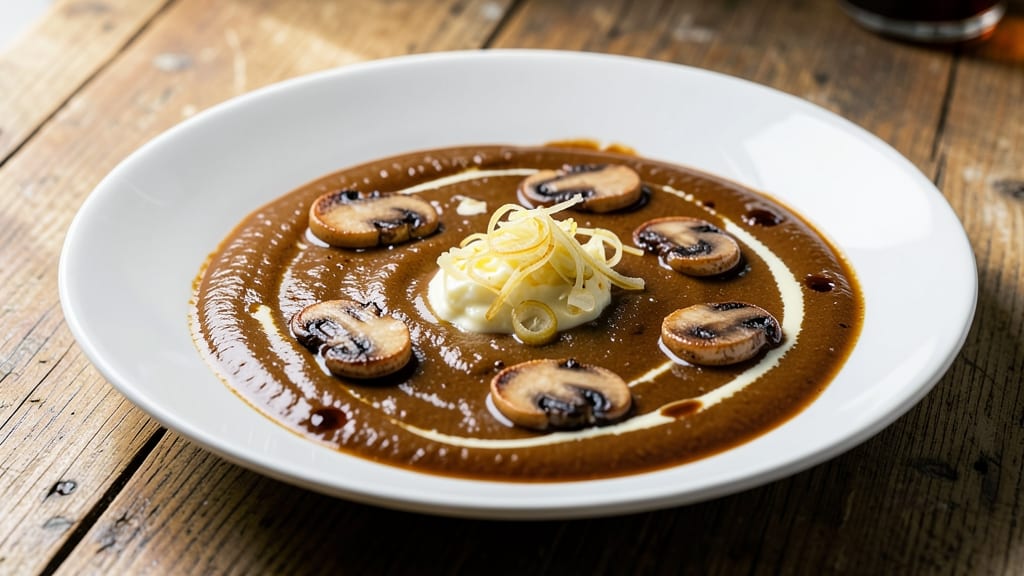
This cognac sauce recipe transforms simple ingredients into a luxurious, nutty sauce that elevates steak or seafood to restaurant-quality levels. The key lies in balancing cognac’s warmth with rich stock and butter, creating a velvety finish that’s both sophisticated and surprisingly simple to make.
I’ve perfected this technique over years of testing—it’s the secret weapon behind my favorite bistro-style dishes.
The process begins with reducing stock and shallots until deeply flavorful, then deglazing with cognac for that signature depth. A cornstarch slurry thickens the sauce just enough to coat proteins beautifully without overpowering them.
What sets this apart is how the alcohol’s initial bite mellows into a smooth, caramelized richness that pairs perfectly with grilled meats or delicate fish fillets.
What you’ll end up with is a sauce that’s glossy, aromatic, and packed with layers of umami—ideal for drizzling over seared scallops, roasted chicken, or even as a finishing touch for vegetables.
The cognac adds complexity, while the butter and cream ensure it’s rich enough to stand alone. This isn’t just a sauce; it’s a flavor experience that turns ordinary meals into something extraordinary.
For versatility, you can adjust the creaminess by adding more butter or reducing the sauce longer for a glossier finish. Pair it with herbs like thyme or tarragon for an extra aromatic boost. Ready to elevate your dishes? Here’s how to make it—step by step.
Ingredients for cognac sauce
Eight ingredients transform into a velvety sauce that tastes like bistro magic.
| Ingredient | Amount | Notes |
|---|---|---|
| High-Quality Cognac 🍷 | ½ cup | 75-proof minimum, brandy works too |
| Unsalted Butter 🧈 | ¾ cup | Cold, cubed for even melting |
| Heavy Cream 🥛 | ½ cup | Full-fat for richness |
| Beef Stock 🍲 | 1 ½ cups | Homemade preferred, low-sodium |
| Shallots 🧅 | 4 whole | Minced, vibrant purple preferred |
| Garlic Cloves 🧄 | 3 cloves | Minced, fresh preferred |
| All-Purpose Flour 🌾 | 1 tbsp | For cornstarch slurry |
| Cold Water 💧 | 1 tbsp | To bind cornstarch slurry |
| Diamond Crystal Kosher Salt 🧂 | ½ tsp | Fine grain preferred |
| Fresh Thyme Leaves 🌿 | 1 tsp | Or 0.25 tsp dried thyme |
The cognac is non-negotiable here—Remys Martin VSOP or Courvoisier if you're splurging, but any quality brandy works in a pinch. Trader Joe's often carries affordable options, and I’ve never had issues with their selection. Fresh shallots are ideal (they’re sweeter than onions), but a yellow onion in a bind works too—just double the amount. The beef stock should be rich and deeply flavored; Kitchen Basics or homemade are my go-tos. For the butter, Plugrá or Land O’Lakes are reliable, but grab whatever’s coldest in your fridge—it’s about fat content, not brand. The thyme? Fresh is best, but dried works at a third the amount if you’re in a hurry.
No cognac? Substitute with equal parts apple juice plus 1 tsp vanilla extract—it’ll mimic the depth, though the alcohol’s caramelization is what truly elevates this sauce. Short on butter? Ghee or olive oil can replace half, but the sauce will lose some richness. The cornstarch slurry is key for that silky texture—don’t skip it. If you’re making this ahead, reduce the stock longer for a more concentrated flavor. The sauce thickens as it cools, so start with slightly less cream if you prefer a looser consistency. And trust me on the cold water for the slurry—it’s what keeps the sauce from breaking.
This sauce keeps beautifully in the fridge for 5 days, though it tastes even better the next day as flavors meld. For longer storage, freeze in 1-tbsp portions—perfect for finishing dishes later. Reheat gently over low heat, adding a splash of cream or stock if it thickens too much. A drizzle of this sauce over seared scallops or a steak feels like a restaurant experience every time. And if you’re feeling fancy, finish with a pinch of fresh tarragon or a crack of black pepper—it’s that little extra that makes it feel luxurious.
Why You'll Love This Recipe
- Five-Minute Start: The shallots barely need chopping—just a quick dice while the butter melts. Honestly, I’m often done with the prep before the pan even heats up.
- Rich Without Effort: That first splash of cognac? Instant depth. The cream and beef stock blend into something velvety, buttery, and somehow luxurious—no fancy technique required.
- Weeknight to Dinner Party: Same sauce works over steak, mashed potatoes, or even roasted veggies. I’ve served it at both my kitchen table and my in-laws’ holiday feast—no one ever questions the menu.
- Leftovers That Taste Better: The flavor actually improves the next day—thicker, warmer, and still packed with that cognac brightness. (Yes, even on a Tuesday night.) Plus, it reheats in seconds.
Step-by-step instructions for cognac sauce recipe
This sauce delivers deep, nutty complexity that elevates any protein—here's exactly how to make it.
Create the Shallot-Garlic Base
Melt the 0.75 cup unsalted butter in a medium saucepan over medium-low heat. Add the 4 whole shallots and 3 cloves garlic cloves, both minced, and cook until the shallots turn translucent and golden—about 8-10 minutes. This slow cooking prevents burning while developing sweetness.
Real talk: Don't rush this step. You want the shallots to caramelize slightly, not just soften. Stir occasionally, and if they start to brown too quickly, reduce the heat. The aroma should be rich and inviting, not acrid. Once golden, remove the pan from heat and set aside for now.
Build the Sauce Foundation
Return the pan to medium heat and add the 0.5 cup high-quality cognac. Immediately scrape up any browned bits from the bottom—this is called fond, and it's packed with flavor. Let the cognac simmer for 3-4 minutes until reduced by half, then add the 1.5 cups beef stock and 0.5 tsp diamond crystal kosher salt. Bring to a gentle simmer.
Here's the thing—cognac burns easily, so never walk away during this reduction. The alcohol needs to cook off completely, leaving behind its nutty, caramelized essence. Once the stock is simmering, stir in the 1 tsp fresh thyme leaves and let the mixture reduce by another 5-6 minutes until slightly thickened.
Thicken with the Cornstarch Slurry
In a small bowl, whisk together the 1 tbsp all-purpose flour and 1 tbsp cold water to form a smooth slurry. Slowly pour this into the simmering sauce while whisking constantly. The sauce should begin to thicken immediately—if it doesn't, let it simmer for another 1-2 minutes until it reaches a velvety, coatable consistency.
This slurry method creates a glossy, professional finish. If the sauce thickens too much, whisk in 1-2 tablespoons of hot water to adjust. The goal is a sauce that clings beautifully to proteins without being gluey. Taste and adjust seasoning with more salt if needed.
Finish with Cream and Rest
Reduce heat to low and stir in the 0.5 cup heavy cream. Let the sauce simmer gently for 3-4 minutes until warmed through and slightly reduced. The sauce should now have a rich, velvety texture with a glossy sheen. Remove from heat and let it rest for 5 minutes—this allows flavors to meld completely.
Don't skip the resting time. The sauce will continue to thicken slightly as it sits, and the cognac's depth will become even more pronounced. Serve immediately over steak, seafood, or roasted vegetables, or reheat gently before serving. This sauce keeps well in the refrigerator for up to 3 days, though it's best enjoyed fresh.
Pro Tips For Making Cognac Sauce
- Deglaze Immediately: As soon as you remove the shallots from the pan, pour in that cognac right away—don’t let it sit. The alcohol burns off faster when the pan’s still hot, and you’ll get a deeper, richer flavor instead of that harsh, undercooked boozy taste. (Yes, even if you’re impatient like me.)
- Whisk in Butter Slowly: When adding the cold butter to the warm cream-stock mix, drizzle it in one tablespoon at a time while whisking like you’re trying to win a race. Cold butter clumps if you dump it all at once, and you’ll end up with a sauce that looks like it’s fighting itself. Smooth is the goal.
- Strain That Stock: I learned this the hard way—using beef stock with bits of meat or herbs in it will turn your sauce grainy no matter how much you strain later. Buy pre-strained stock or strain it twice: once before reducing, once after. Your sauce will be silky, not sandy.
- Reduce Over Medium Heat: Low heat makes you wait forever; high heat risks burning the cognac’s delicate notes. Medium heat is the Goldilocks zone—it’ll thicken the sauce steadily without turning it into a sad, flat puddle. Stir occasionally, but don’t obsess; it’s not a science experiment.
Serving suggestions for this cognac sauce
Protein Pairings
This sauce is a game-changer for steak lovers—drizzle it over a perfectly seared ribeye or filet mignon to amplify the meat's natural richness. The cognac's caramelized notes complement the beef's depth, while the cream adds a luxurious finish.
For seafood, try it with pan-seared scallops or grilled salmon—the sauce's velvety texture balances delicate fish flavors beautifully. 🍷
For a vegetarian twist, serve it over roasted eggplant or portobello mushrooms—the umami in the stock pairs surprisingly well with earthy vegetables. The sauce also works as a dipping sauce for garlic butter shrimp or crispy chicken tenders, making it a versatile addition to any meal.
Vegetable Enhancements
Roasted asparagus or green beans become gourmet-worthy when finished with this sauce. Toss them with a light drizzle and a sprinkle of fresh thyme for an elegant side dish. The sauce's richness cuts through the bitterness of brussels sprouts when roasted with bacon, creating a restaurant-worthy combination.
For a creamy pasta dish, toss fettuccine or tagliatelle with the sauce and top with crispy pancetta or sautéed mushrooms. The sauce's depth elevates simple pasta into a bistro-style masterpiece. Just ensure the pasta is al dente—it should hold its shape under the sauce's weight.
Garnish Game-Changers
A pinch of fresh tarragon or chopped parsley adds a bright, herbaceous note that cuts through the sauce's richness. For extra flair, sprinkle with toasted breadcrumbs or crumbled blue cheese—the contrast of textures and flavors takes the dish to the next level.
I often finish with a crack of black pepper for a subtle kick.
If you're serving the sauce over seafood, a squeeze of lemon juice right before plating brightens the flavors and adds a refreshing contrast. For steak dishes, a few shaved shallots on top echo the base flavors and add visual appeal.
These garnishes turn a simple drizzle into a showstopping presentation.
Bread Service
Serve this sauce with crusty baguette slices or garlic bread on the side—it’s perfect for soaking up every last drop. The sauce’s richness pairs beautifully with the buttery, crispy texture of fresh bread.
I like to toast the bread with garlic butter and sprinkle it with flaky sea salt before serving.
For a luxury touch, offer mini crostini topped with the sauce and a sprinkle of herbs. This makes for an impressive appetizer that guests will rave about. The sauce’s versatility ensures it’s a crowd-pleaser at any gathering, from intimate dinners to festive celebrations. 💫
Nutrition facts
Frequently asked questions
Can I substitute brandy for cognac in this sauce?
Brandy works perfectly as a 1:1 substitute since it shares the same alcohol content and caramelization properties. The key is using a quality brandy—avoid cheap cooking wines or flavored liqueurs. For an extra layer of depth, try a blend of cognac and brandy.
Why does my sauce taste too alcoholic?
If the cognac flavor is too strong, it means the alcohol didn't fully cook off. Simmer the sauce longer (5-7 minutes) until the aroma is nutty, not sharp. For immediate results, add 1 tsp of sugar or 1 tbsp of stock and reduce again. The sauce should mellow as it cools.
How do I make this sauce dairy-free?
Replace the butter with olive oil or vegan butter, and use coconut cream instead of heavy cream. For thickness, use a cornstarch slurry with water. The sauce will still be rich but with a lighter texture. Garnish with fresh herbs to maintain elegance.
Can I make this sauce ahead of time?
Yes! This sauce actually tastes better the next day as flavors meld. Store in an airtight container in the fridge for up to 5 days. Reheat gently over low heat, adding a splash of stock or cream if it thickens too much. For longer storage, freeze in 1-tbsp portions for quick finishing touches.
What's the secret to getting that glossy finish?
The gloss comes from two things: resting the sauce for 5 minutes after cooking, and using cold butter at the end. For extra shine, whisk in 1 tsp of olive oil before serving. The cornstarch slurry also helps create that velvety sheen when properly whisked.