
Sauces & Condiments
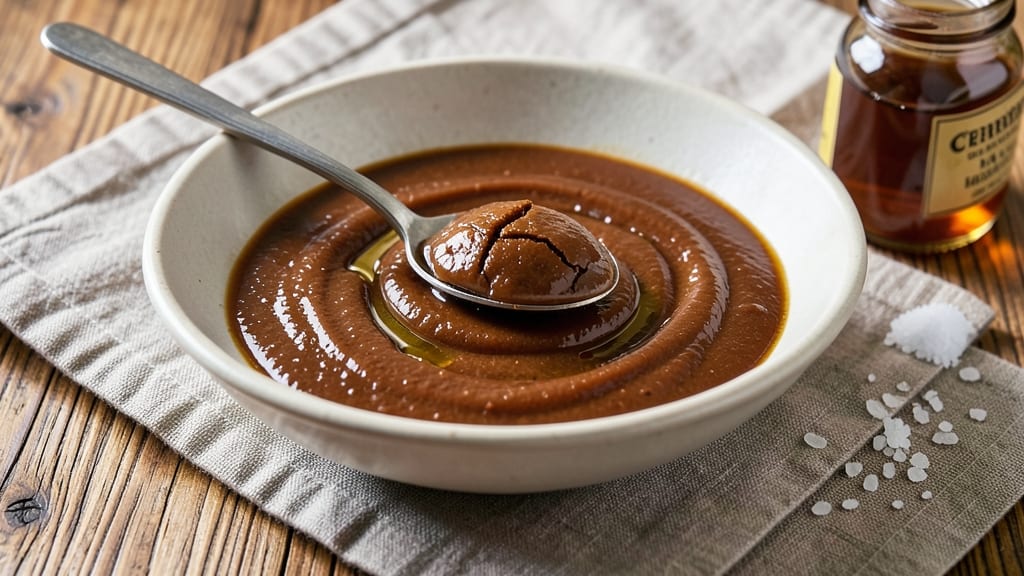
This copycat Chef Boyardee sauce recipe delivers that nostalgic, velvety umami flavor you remember from childhood—rich, slightly sweet, and packed with savory depth.
The secret lies in simmering pantry staples like tomato paste and Worcestershire sauce until they meld into a smooth, thick consistency that clings perfectly to pasta or rice. I've recreated this sauce exactly as I remember it, using ingredients you likely already have on hand.
The beauty of this recipe is its simplicity: just 7 ingredients and 30 minutes of active time, with no special equipment needed. A slow simmer builds layers of flavor, transforming basic ingredients into something restaurant-quality.
The sauce thickens naturally as it cooks, creating that signature silky texture that makes every bite satisfying. It's the kind of sauce that turns ordinary meals into comfort food favorites.
What makes this sauce truly special is its versatility—use it on pasta, as a rice stir-in, or even as a marinade for meats. The balanced blend of sweet, tangy, and savory notes ensures it works in any dish where you'd want that classic Chef Boyardee flavor.
Once you taste this homemade version, you'll never go back to the canned kind again.
Store leftovers in the refrigerator for up to 5 days or freeze for 3 months, making it perfect for meal prep. The sauce only gets better as flavors develop, so make a big batch and enjoy it all week. Ready to recreate this pantry staple? Let's get simmering.
Ingredients for copycat chef boyardee sauce
Seven pantry staples transform into that nostalgic Chef Boyardee sauce you crave.
| Ingredient | Amount | Notes |
|---|---|---|
| Tomato Paste 🍅 | 2 tbsp | Squeeze tube or canned for convenience |
| Worcestershire Sauce 🍶 | 1 tbsp | Lea & Perrins preferred for authenticity |
| Sugar 🍚 | 1 tbsp | Granulated or light brown |
| Water 💧 | 1 ½ cups | Room temperature preferred |
| White Vinegar 🍶 | 1 tbsp | For tangy brightness |
| Salt 🧂 | ½ tsp | Kosher or sea salt |
| Black Pepper 🌶️ | ¼ tsp | Freshly ground for best flavor |
The tomato paste is the flavor foundation—look for no-salt-added if you want to control the seasoning. Trader Joe's has a great squeeze tube that's perfect for this recipe (no waste, lasts forever). Worcestershire sauce is non-negotiable here—Lea & Perrins is the gold standard, but any good brand works. I always grab extra because it's one of those ingredients that disappears fast. The sugar might seem odd, but it balances the acidity perfectly, giving that signature sweet-savory profile. If you're using brown sugar, reduce to 1 tsp since it's more moist.
No Worcestershire? Soy sauce plus a pinch of sugar gets you close, though it won't be identical. Running out of white vinegar? Apple cider vinegar at the same amount works just fine. The black pepper is subtle but important—pre-ground is fine, but if you've got whole peppercorns, toast and grind them fresh for a deeper flavor. For a vegetarian version, swap Worcestershire for 1 tbsp soy sauce plus 1 tsp balsamic vinegar. The sauce thickens as it cooks, but if it's too thin, a quick cornstarch slurry (1 tsp cornstarch mixed with 1 tsp water) fixes it instantly.
This sauce tastes even better the next day as flavors meld. Store in an airtight container in the fridge for up to 5 days, or freeze for 3 months in ice cube trays for single-serving portions. I always double the batch—it disappears fast on pasta nights. The sauce reheats beautifully; just add a splash of water if it thickens too much. Leftovers make great soup bases or marinades too.
Why You'll Love This Recipe
- Pantry Magic: I swear, this sauce is the kind of thing you’ll make just because you’ve got the ingredients. Tomato paste, Worcestershire, a splash of vinegar—it’s like a flavor bomb from five things you already own.
- Umami Bomb: That Worcestershire and vinegar combo? It’s what turns this from "tomato sauce" to "I’d eat this by the spoonful." Honestly, it’s the secret weapon in my slow-cooker spaghetti.
- Leftovers That Last: I make a big batch on Sundays and freeze it—perfect for when I’m too tired to cook. Just reheat, toss with noodles, and boom: dinner. (Yes, even on a Tuesday night.)
- Kid-Approved Secret: My picky eater actually finishes her plate when this sauce is involved. The sugar balances the tang, and somehow, it always tastes like comfort. Between us, I’ve been known to drizzle it on grilled cheese.
Step-by-step instructions for copycat Chef Boyardee sauce
This sauce comes together in minutes with simple pantry staples.
Bloom the Tomato Paste
Heat a medium saucepan over medium heat until it's hot but not smoking. Add the 2 tablespoons tomato paste and stir continuously for 2-3 minutes. You'll notice it darkens slightly and develops a rich aroma - this is the base flavor developing. The paste should coat the bottom of the pan evenly without burning. If it starts to darken too quickly, reduce the heat slightly to medium-low and keep stirring.
This step is crucial because the tomato paste carries the deep umami foundation. Don't skip stirring - letting it sit will cause bitter spots. You're building that classic Chef Boyardee flavor profile right from the start.
Add Wet Ingredients
Pour in the 1.5 cups water and 1 tablespoon white vinegar, then add the 1 tablespoon Worcestershire sauce. Stir well to combine everything into a smooth mixture. You should see the tomato paste fully dissolve and create a thin, glossy sauce. Let this come to a gentle simmer over medium heat - you'll see small bubbles form around the edges but not a full rolling boil.
The vinegar adds that signature tang while the Worcestershire brings depth. Taste the mixture now - it should be tangy and slightly sweet, with developing umami. If it tastes too sharp, you're on track. If it's bland, you'll add the sugar next to balance it perfectly.
Season and Simmer
Add the 1 tablespoon sugar, 0.5 teaspoon salt, and 0.25 teaspoon black pepper. Stir until the sugar dissolves completely - about 1 minute. Let the sauce simmer gently for 5-7 minutes, stirring occasionally. You'll notice it thickens slightly as the water evaporates and the flavors meld together.
Here's where the magic happens: the sugar caramelizes just slightly, adding subtle sweetness that balances the acidity. The sauce should reduce to a velvety consistency that coats the back of a spoon. If it's too thick, add 1-2 tablespoons water to reach your desired consistency for serving.
Finish and Adjust
Remove the saucepan from heat and let it cool for 2-3 minutes. Taste and make any final adjustments - you might want to add a pinch more salt if it needs more depth, or a splash more vinegar for brightness. The sauce should be perfectly balanced with sweet, tangy, umami, and slightly salty notes.
This sauce works perfectly over pasta, as a dipping sauce, or even as a marinade. For best results, use it immediately while warm. If storing, let it cool completely before transferring to an airtight container where it'll keep in the refrigerator for up to 5 days. The flavors actually develop more overnight, becoming even more complex.
Pro Tips For Making Copycat Chef Boyardee Sauce
- Bloom the Paste: DESCRIPTION: Stir the tomato paste into the water first—before adding vinegar or sugar—and let it sit for 2-3 minutes. I learned this the hard way: skipping this step makes the sauce taste flat and one-dimensional. The paste needs time to open up and release its flavor, not just get drowned in liquid.
- Simmer, Don’t Boil: DESCRIPTION: Keep the heat at a gentle simmer, not a rolling boil. After adding the Worcestershire and vinegar, the sauce will bubble aggressively—let it settle into a low, steady simmer. I’ve seen people crank the heat to speed things up, but that turns the sauce bitter and sharp. Patience here makes all the difference.
- Balance the Sugar: DESCRIPTION: Taste the sauce before adding all the sugar—you might not need it all. The vinegar and Worcestershire already bring sweetness, and too much sugar can make the sauce cloying. Start with half, simmer, then adjust. I’ve ruined batches by blindly following measurements without tasting first.
- Vinegar Last: DESCRIPTION: Add the white vinegar after the sauce has thickened, not at the start. The acid cuts through the richness of the tomato paste, but if you add it too early, it can make the sauce taste harsh. Wait until the flavors meld, then brighten it up with just a splash—about 1 tablespoon for every 2 cups of sauce.
Regional styles of this copycat chef boyardee sauce
Midwest Pantry Roots
The original Chef Boyardee sauce was designed to be a nostalgic comfort food staple, and its Midwest origins show in the simple, hearty ingredients. This version uses pantry basics like tomato paste and Worcestershire sauce that were common in American households during the mid-20th century.
The subtle sweetness from sugar reflects the era's preference for balanced flavors, while the vinegar adds that tangy brightness that makes it so addictive. I remember my grandmother keeping a similar sauce on hand for quick weeknight dinners—it was the ultimate time-saver that still felt special. 💛
Italian-American Fusion
Though Chef Boyardee is American, its flavor profile draws heavily from Italian-American traditions. The tomato base and Worcestershire sauce create that familiar Italian-inspired umami, while the slight sweetness nods to American comfort food preferences.
This fusion is what makes the sauce so universally loved—it's approachable for Italian dishes but feels distinctly American in its simplicity. Try using this sauce on spaghetti with a sprinkle of Parmesan for that authentic Italian-American vibe. The sauce's versatility is its greatest strength, bridging both culinary worlds.
Campfire & Picnic Adaptation
One of the most underrated ways to enjoy this sauce is outdoors! The recipe translates perfectly to campfire cooking—just transfer the ingredients to a cast-iron skillet and simmer over the fire.
I've made this sauce in my backyard using a portable propane burner, and it's amazing with foil-packet meals or grilled sausages. The tangy-sweet profile stands up well to smoky flavors, making it ideal for tailgating or beach picnics.
Pack the ingredients in a small cooler and assemble the sauce right before serving to keep it fresh. The sauce's simplicity makes it perfect for outdoor adventures where you want flavor without fuss. 🔥
Southern BBQ Twist
For a Southern-inspired variation, add 1 teaspoon smoked paprika and ½ teaspoon garlic powder to the simmering sauce. This gives it a subtle smoky depth that pairs beautifully with pulled pork or grilled chicken.
The sweet-tangy profile works surprisingly well with BBQ ribs—use it as a glaze during the last few minutes of cooking. I've even used it as a dipping sauce for fried catfish, and the combination of crispy fish with this velvety sauce is pure Southern comfort.
The key is balancing the smoky notes with the original sauce's brightness.
Vegetarian-Friendly Version
To make this sauce vegetarian, simply swap the Worcestershire sauce for 1 tablespoon soy sauce plus 1 teaspoon balsamic vinegar. This keeps the umami depth while making it suitable for plant-based diets. The sauce works wonderfully with vegetarian pasta dishes or as a marinade for tofu.
I've also used it as a base for lentil stews, where its tangy-sweet profile complements the earthy flavors of the lentils. The texture remains velvety, making it a great alternative to store-bought vegetarian sauces that often lack depth. 🌱
Freezer-Friendly Travel Sauce
This sauce is perfect for road trips or meal prep because it freezes beautifully. Portion it into ice cube trays before freezing, then transfer the cubes to a freezer bag.
When you're ready to use it, simply pop a few cubes into a saucepan with a splash of water and warm through. I've taken this sauce camping, on road trips, and even to college dorms—it's always been a hit.
The sauce maintains its flavor perfectly after freezing, making it an essential pantry item for anyone who loves convenience without sacrificing taste. Just thaw and reheat gently to preserve that velvety texture. ❄️
Nutrition facts
Frequently asked questions
Can I make this sauce without Worcestershire sauce?
Yes! For a vegetarian version, replace the Worcestershire with 1 tablespoon soy sauce plus 1 teaspoon balsamic vinegar. This keeps the umami depth while making it plant-friendly. If you're avoiding soy, try 1 teaspoon fish sauce plus ½ teaspoon brown sugar for a similar savory-sweet balance. The sauce will still taste rich and velvety.
How do I adjust the thickness of the sauce?
If the sauce is too thin, simmer uncovered for 2-3 more minutes to reduce. For a thicker consistency, mix 1 teaspoon cornstarch with 1 tablespoon water, stir into the sauce, and cook for 1 minute until it thickens. If it's too thick, whisk in 1-2 tablespoons warm water to loosen. The sauce should coat the back of a spoon but still be pourable.
Can I use this sauce on dishes other than pasta?
This sauce works beautifully on rice, potatoes, grilled chicken, or even as a marinade. Try it as a dipping sauce for fries or mozzarella sticks, or use it to glaze meatloaf or meatballs. The tangy-sweet profile enhances almost any protein or carb. For a Southern twist, brush it on cornbread or biscuits before baking.
Why did my sauce turn out too sweet or sour?
If it's too sweet, add a splash of white vinegar (½ teaspoon) or a pinch of salt to balance. For sourness, stir in ½ teaspoon sugar or a tiny bit of tomato paste to mellow the acidity. Taste as you go—adjust gradually! The key is the 5-7 minute simmer, which lets flavors meld properly. If rushed, it may taste unbalanced.
How long can I store homemade Chef Boyardee sauce?
Store in an airtight container in the fridge for up to 5 days, or freeze for 3 months in ice cube trays (transfer to a bag after freezing). The sauce actually improves overnight as flavors deepen. For best texture, reheat gently on low heat, adding a splash of water if needed. Freezing preserves flavor perfectly—just thaw in the fridge before using.