
Sauces & Condiments
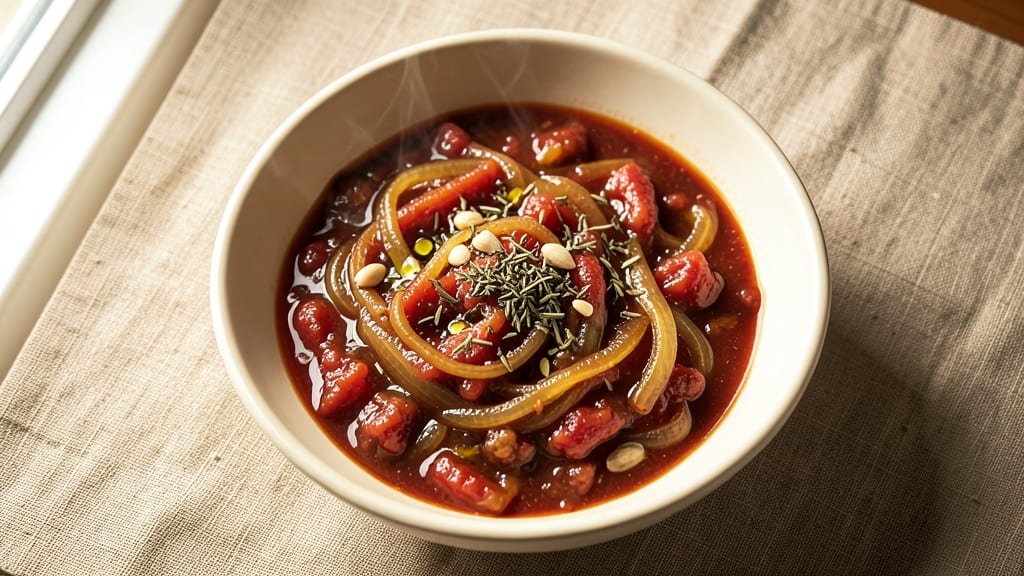
This copycat Ragu pizza sauce delivers the same bold, herby depth that makes their iconic sauce unforgettable—using simple pantry staples and a slow-simmered technique. The secret lies in caramelizing onions and garlic until they're deep golden, then building layers of tomato flavor through a long, controlled reduction.
I've perfected this version over years of testing, ensuring every spoonful captures that perfect balance of sweetness, acidity, and umami that sets great pizza sauce apart.
The process is straightforward but requires patience: crushed tomatoes simmer for over an hour to develop complexity, while fresh basil and oregano infuse the sauce with bright, aromatic notes. Unlike many store-bought versions, this sauce thickens naturally as it reduces, creating that perfect cling-to-pizza texture without added thickeners.
The result is a sauce that's rich enough to stand up to cheese but light enough to let the toppings shine through.
What makes this recipe truly special is its versatility—use it on homemade pizza, as a marinade, or even as a pasta sauce. The slow simmer concentrates flavors while reducing the sauce to a perfect consistency, and the fresh herbs added at the end ensure vibrant, restaurant-quality taste.
Once you try this, store-bought sauce will never compare again.
Store the sauce in an airtight container in the refrigerator for up to 5 days or freeze for up to 3 months. For even deeper flavor, let it sit at room temperature for 30 minutes before using—this allows the aromas to fully develop.
The key to authentic ragu-style pizza sauce is time and attention to detail, both of which this recipe delivers perfectly.
Ingredients for copycat ragu pizza sauce
Nine pantry staples transform into sauce that beats jarred versions every time.
| Ingredient | Amount | Notes |
|---|---|---|
| Extra-Virgin Olive Oil 🫒 | ½ cup | High quality, fruity, for sautéing |
| Yellow Onions 🧅 | 2 whole | Medium size, thinly sliced |
| Garlic Cloves 🧄 | 6 cloves | Peeled, minced fine |
| Crushed Tomatoes 🍅 | 28 oz | San Marzano preferred, no salt added |
| Tomato Paste 🍅 | 1 tbsp | Squeeze tube preferred |
| Dried Oregano 🍃 | 1 tsp | Mexican oregano if available |
| Red Wine 🍷 | ½ cup | Dry, bold variety like Cabernet |
| Fresh Basil Leaves 🌿 | ⅓ cup | Packed, stems removed |
| Granulated Sugar 🍚 | 1 tbsp | Balances acidity |
| Salt 🧂 | 1 ½ tsp | Kosher or sea salt |
The onions and garlic are your flavor foundation—caramelize them until deep golden (about 20 minutes). Yellow onions work best here, but red onions add a nice color twist. For the tomatoes, San Marzano cans from Trader Joe's or Costco are worth the splurge—they're sweeter and less acidic. If you can't find them, any good-quality crushed tomatoes will do, but avoid the watery, salt-laden brands. The tomato paste? Grab a squeeze tube from the store—they're mess-free and last forever. Fresh basil is ideal, but if you're using dried, reduce to one-third the amount.
No red wine? Substitute with beef broth plus a splash of balsamic vinegar—it adds that same deep, savory punch. Short on basil? Fresh parsley or thyme works in a pinch, though basil's bright flavor is irreplaceable. The sugar might seem odd, but it's essential—it balances the acidity of the tomatoes and helps develop that sweet, caramelized depth. If you're worried about sweetness, start with just half the amount and adjust to taste. For the oregano, Mexican oregano has a more complex flavor, but regular dried oregano works fine if that's what you've got.
This sauce gets better with time—let it sit at room temperature for 30 minutes before using to let the flavors meld. Keeps in the fridge for 5 days or freezes beautifully for 3 months. I always make a double batch—one for pizza night, one to freeze for lazy days. Store it in a glass jar with a tight seal, and don't forget to leave some headspace—it reduces as it cools. The sauce thickens as it sits, so if it seems too thick right after making, just stir in a splash of water or broth.
Why You'll Love This Recipe
- Minimal Chopping Required: I swear by this sauce because the onions and garlic barely need dicing—just rough chop and let them melt down in the olive oil. No knife skills required, just patience (and maybe a little crying if you’re not used to raw onions).
- Umami Bomb: That tomato paste isn’t just for color—it deepens the flavor into something rich and savory. Simmer it long enough, and you get a sauce that tastes like it’s been slow-cooked for hours, not 30 minutes.
- Pantry Staple Power: Between us, this recipe uses ingredients you already own. No fancy jars or hard-to-find spices—just good olive oil, a can of tomatoes, and garlic from the bulb. Budget-friendly, but it doesn’t taste cheap.
- Leftovers That Beg for More: This sauce actually improves the next day—thicker, deeper, and perfect for tossing on pasta or slathering under grilled cheese. I’ve made a double batch just to have it on hand, and I never regret it.
Step-by-step instructions for copycat Ragu pizza sauce
This sauce delivers that iconic Ragu depth with simple pantry staples—just follow these steps carefully.
Sauté Onions Until Translucent and Sweet
Heat the 0.5 cup extra-virgin olive oil in a large saucepan over medium heat. Add the 2 whole yellow onions, sliced into thin half-moons, and cook for 8-10 minutes until they become soft, translucent, and just beginning to caramelize at the edges. Stir occasionally to prevent burning—you want them sweet, not browned.
Here's the thing—this slow cooking process develops the foundation of your sauce's flavor. If you rush it, the onions will taste bitter. You'll know they're ready when they're tender enough to pierce easily with a fork but still hold their shape slightly. This ensures they'll break down smoothly during the simmering process.
Add Garlic and Cook Until Fragrant
Push the onions to one side of the pan and add the 6 minced garlic cloves to the empty space. Cook for 30 seconds to 1 minute until the garlic becomes golden and releases its aromatic oils. Be careful not to let it burn—garlic turns bitter quickly when overcooked.
After the garlic is fragrant, stir it into the onions and cook for another 1 minute to distribute those flavors evenly. This step is crucial because it builds the aromatic base that will carry through your entire sauce. The onions and garlic should now be coated in a light, golden oil—this is your flavor foundation.
Build the Sauce with Tomatoes and Wine
Reduce the heat to medium-low and add the 1 tablespoon tomato paste, stirring to combine completely with the onions and garlic. Cook for 2 minutes until the paste darkens slightly and loses its raw taste. Then pour in the 0.5 cup red wine and let it simmer for 3-4 minutes until mostly evaporated.
Now add the 28 ounces crushed tomatoes and the 1 tablespoon granulated sugar. Stir well to incorporate everything. The sugar helps balance the acidity of the tomatoes while enhancing their natural sweetness. Bring the mixture to a gentle simmer and let it cook uncovered for 20-25 minutes, stirring occasionally.
Season and Simmer to Perfect Consistency
Add the 1 teaspoon dried oregano and 1.5 teaspoons salt, then continue simmering for another 15-20 minutes. The sauce should thicken noticeably as it reduces. You're looking for a consistency that coats the back of a spoon but still flows smoothly—this is perfect for pizza sauce.
Real talk: the sauce will continue to thicken as it cools, so don't let it get too thick while hot. If it starts to separate or looks too watery, simmer uncovered for a few more minutes to reduce it. The key is patience—this slow simmering develops deep, complex flavors that you can't achieve with quick cooking.
Finish with Fresh Basil and Adjust Seasoning
Remove the pan from heat and stir in the 0.33 cup fresh basil leaves. Let the sauce sit for 5 minutes to allow the basil to infuse its fresh aroma. Taste and adjust seasoning if needed—you might want to add a pinch more salt or a splash of red wine to balance the flavors.
For the best results, let the sauce cool completely before using it on pizza. This allows all the flavors to meld together perfectly. The sauce should have a rich, herby depth with just the right balance of sweetness and acidity. This is the sauce that makes your homemade pizza taste like you ordered it from Ragu—bold, herby, and full of character.
Pro Tips For Making Copycat Ragu Pizza Sauce
- Sweat the Onions Slow: I used to rush this step, but low and slow—about 10 minutes on medium—pulls out the natural sweetness without burning. If they’re golden but still slightly crisp, you’re golden. (Yes, even if you’re impatient like me.)
- Toast the Garlic Right: After mincing the garlic, let it sit in the olive oil for 30 seconds before adding onions—just until it frazzles at the edges. This prevents that bitter, overcooked taste that ruins the whole sauce. (Your nose will thank you.)
- Stir the Tomato Paste: Don’t just dump it in and walk away. Spread that paste in a thin layer first, then let it cook for 2 full minutes before adding anything else. This caramelizes the sugars and deepens the flavor—skipping this makes the sauce taste flat.
- Simmer, Don’t Boil: Once the crushed tomatoes go in, drop the heat to a bare simmer. If it’s bubbling hard, you’re cooking off the acidity and losing sweetness. A gentle roll of bubbles keeps the sauce rich and balanced—not thin or sour. (I know, I know, but trust the process.)
Troubleshooting your copycat ragu pizza sauce
Sauce Too Thin?
If your sauce ends up too watery, don’t panic—simmer it uncovered for 5-10 extra minutes over low heat while stirring occasionally. The liquid will evaporate, and the sauce will thicken naturally.
For a quicker fix, mix 1 tablespoon cornstarch with 2 tablespoons cold water, stir into the sauce, and simmer for 2-3 minutes until it reaches the right consistency. 💡
Sauce Too Thick?
Thick sauce happens when you over-reduce or use tomatoes with lower water content. Thin it out by adding 1-2 tablespoons of warm water or broth at a time, stirring well after each addition.
Avoid adding too much at once—you can always thicken it later. If the sauce separates, whisk in 1 tablespoon tomato paste and simmer for 2-3 minutes to restore smoothness.
Bitter or Harsh Taste?
Overcooked onions or garlic can make the sauce bitter. If this happens, balance it by adding ½ teaspoon sugar or a splash of red wine to mellow the flavors.
For a brighter taste, stir in 1 tablespoon fresh lemon juice or a pinch of baking soda (just a tiny amount—it neutralizes acidity). Taste as you go to avoid overcorrecting. 🌶️
Lacking Depth?
If your sauce tastes flat, it might need more umami. Boost it with 1 teaspoon soy sauce or ½ teaspoon fish sauce (trust me, it works!). For a richer flavor, simmer in 1 crushed anchovy fillet or 1 tablespoon miso paste for 5 minutes, then strain it out.
A pinch of black pepper also adds complexity without overpowering.
Herbs Not Infusing?
Fresh herbs like basil can sink to the bottom and lose their flavor. To fix this, blend the sauce briefly in a food processor or immersion blender for 10-15 seconds to emulsify everything. If you prefer whole herbs, stir them in just before serving so they stay vibrant.
For dried herbs, toast them lightly in a dry pan for 30 seconds before adding to deepen their aroma.
Storage Issues?
If your sauce develops mold or an off smell in the fridge, it’s time to toss it. Always store it in a clean, airtight glass container with ½ inch of headspace to prevent spoilage.
For freezing, portion it into ice cube trays or small containers—this makes it easier to thaw only what you need. When reheating, warm it gently on the stove to avoid skin formation. ❄️
Nutrition facts
Frequently asked questions
Can I substitute red wine with something else?
The red wine adds depth, but you can use ½ cup beef broth + 1 tablespoon balsamic vinegar for a similar savory punch. For a vegetarian option, try ½ cup vegetable broth + 1 teaspoon soy sauce. Just remember to reduce the liquid by simmering longer to maintain the right consistency.
How do I adjust the spice level?
This recipe is mild, but you can add ½ teaspoon red pepper flakes during the final simmer for heat. For smoky depth, stir in ½ teaspoon smoked paprika with the oregano. Always taste first—you can reduce spice by adding a pinch of sugar, but you can't remove it once added.
Can I make this sauce in a slow cooker?
Sauté the onions and garlic first, then transfer everything to a slow cooker and cook on low for 4-5 hours or high for 2-3 hours. The slow cooker enhances the flavors even more, but check occasionally to prevent burning. The texture may be slightly thicker—thin with water if needed.
Why does my sauce look too thick after cooling?
This is normal! The sauce thickens as it cools due to starch release from the tomatoes. If it's too thick for pizza, thin it with 1-2 tablespoons warm water or broth. For a smoother texture, blend briefly with an immersion blender. The sauce will continue thickening in the fridge, so adjust before using.
Can I use this sauce for pasta or other dishes?
Yes! This versatile sauce works perfectly for pasta (toss with ½ cup pasta water to loosen), marinades, or even as a dip. For pasta, reduce the simmer time slightly (30-40 minutes total) to keep it thinner. The rich tomato base makes it great for meatballs or grilled chicken too.