
Sauces & Condiments
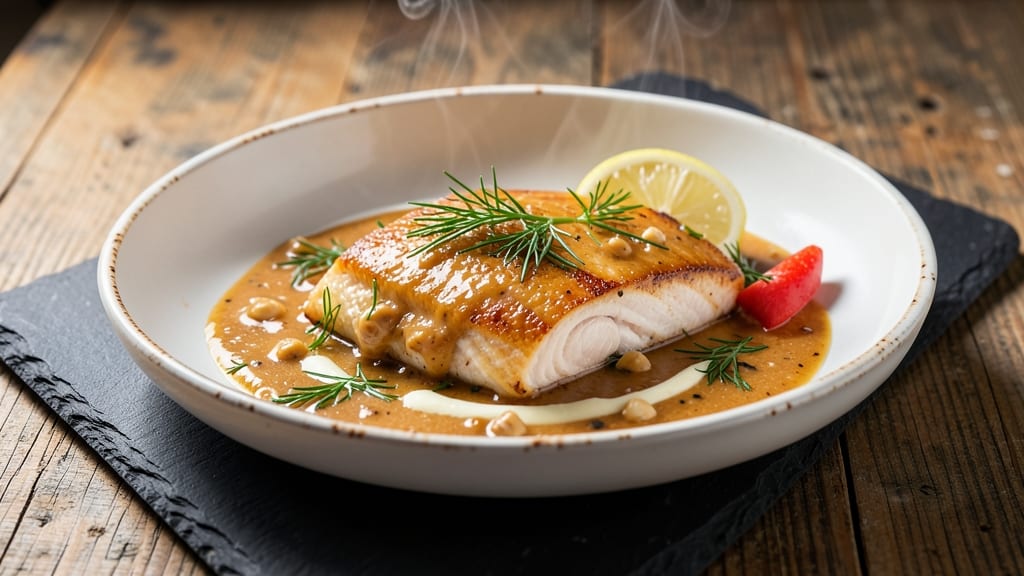
This crab sauce for fish transforms simple seafood into an elegant, restaurant-worthy dish with just 10 minutes of effort. The secret lies in balancing rich crab meat with bright lemon, fresh dill, and velvety butter—a combination that elevates grilled, baked, or pan-seared fish to new heights.
I developed this recipe after realizing how often store-bought sauces missed the mark, lacking that perfect harmony of sweet, tangy, and herby notes.
The sauce begins with a delicate base of shallots and garlic, gently cooked until fragrant but never bitter. Cream and butter create a silky texture, while fresh dill and lemon juice add brightness that cuts through the richness.
What sets this apart is the way the crab meat—finely chopped for a smooth consistency—absorbs the flavors without overpowering them. The result is a velvety, drizzle-worthy sauce that clings beautifully to fish fillets.
Perfect for serving over grilled salmon, seared scallops, or even as a dipping sauce for shrimp, this recipe delivers professional results without requiring advanced techniques. The sauce keeps well in the refrigerator for up to 3 days or can be frozen for longer storage, making it ideal for meal prep.
Once you try this, you’ll never settle for anything less than homemade again.
Pair it with flaky white fish like cod or halibut, or use it as a bold topping for seafood linguine. The versatility of this sauce means it’s ready whenever your menu calls for a touch of coastal elegance. Let’s get cooking—your taste buds will thank you.
Ingredients for crab sauce for fish
Ten ingredients, one luxurious sauce. Elevate seafood with this velvety lemon-dill crab masterpiece.
| Ingredient | Amount | Notes |
|---|---|---|
| Fresh Dill 🌿 | ⅓ cup | Chopped finely for brightness |
| Lemon Juice 🍋 | ½ cup | Freshly squeezed, no pulp |
| Unsalted Butter 🧈 | ½ cup | Cold, cubed for best texture |
| Heavy Cream 🥛 | ⅓ cup | Full-fat for richness |
| Shallots 🧅 | 2 whole | Minced, not too fine |
| Garlic Cloves 🧄 | 2 cloves | Minced, not pressed |
| Crab Meat 🦀 | 1 lb | Lump or chunk style preferred |
| Salt 🧂 | ½ tsp | Adjust to taste |
| White Wine 🍷 | ¼ cup | Dry, like Sauvignon Blanc |
| Extra-Virgin Olive Oil 🫒 | 1 tbsp | For finishing drizzle |
The crab meat is non-negotiable—lump or chunk style gives texture, while backfin or imitation falls flat. Grab fresh crab meat from the seafood counter (not the canned stuff) for that sweet, briny flavor. If you're using frozen, thaw it overnight in the fridge. The dill? Fresh is a must—dried just won’t cut it here. For the shallots, Trader Joe’s sells pre-minced ones in a jar, which saves time. The white wine should be dry—Sauvignon Blanc or Pinot Grigio work perfectly, but skip the sweet stuff.
No fresh dill? Dried dill at one-third the amount is a pinch, but I won’t lie—it’s not the same. Short on crab meat? Shrimp or scallops work in a pinch, but chop them extra fine. The butter needs to be cold—take it out of the fridge 10 minutes before using. For the wine, if you’ve got none, fish stock with a splash of lemon juice mimics the acidity. The olive oil should be high-quality—California extra-virgin adds a nice fruity note. And if you’re feeling fancy, add a pinch of cayenne for subtle heat.
This sauce keeps beautifully—3 days in the fridge, sealed tightly in a jar with a thin layer of olive oil on top. For longer storage, freeze in 1-tablespoon portions (perfect for single servings). Reheat gently in a saucepan over low heat, stirring constantly. I like to make a double batch—one for the fridge, one for the freezer—so I always have it ready for last-minute seafood dinners. The flavors actually improve the next day as everything melds together.
Why You'll Love This Recipe
- I swear by this trick: just buy pre-minced shallots from the jar. One less knife to wash, and the sauce still tastes like I spent hours in the kitchen. The butter and cream melt together so smoothly—no lumps, no stress.
- No-Chop Necessary: I swear by this trick: just buy pre-minced shallots from the jar. One less knife to wash, and the sauce still tastes like I spent hours in the kitchen. The butter and cream melt together so smoothly—no lumps, no stress.
- Bright & Creamy Magic: That first spoonful? It’s like sunshine in a bowl. The lemon juice cuts through the richness of the heavy cream, while the fresh dill adds this herbal punch that makes even the simplest pan-seared fish taste like a restaurant dish.
- Weeknight & Weekend Ally: I use this sauce on Tuesdays for a quick dinner (hello, baked cod) and on Sundays for a fancy-ish spread with grilled trout. Same recipe, different vibes—no extra effort, just different results.
Step-by-step instructions for crab sauce for fish
This creamy, bright sauce comes together faster than you can say "dinner's ready."
Sauté Shallots and Garlic Until Soft
Heat the 1 tablespoon extra-virgin olive oil in a medium saucepan over medium heat. Add the 2 whole minced shallots and cook for 3-4 minutes until they become translucent and just beginning to turn golden. This ensures they're sweet and tender, not bitter.
Add the 2 cloves minced garlic and cook for another 30 seconds until fragrant. The garlic should smell pungent but not burn—if it darkens too quickly, reduce the heat slightly. This aromatic base forms the flavor foundation of your sauce, so don't rush this step.
Deglaze with White Wine
Pour in the 0.25 cup white wine and immediately scrape up any browned bits from the bottom of the pan using a wooden spoon. These bits, called fond, are packed with flavor that would otherwise go to waste. Let the wine simmer for 2-3 minutes until it reduces by about half and becomes slightly syrupy.
This reduction concentrates the alcohol flavor while adding depth to the sauce. If you smell the wine cooking off completely, you've gone too far—just remove the pan from heat for 30 seconds to stop the process if needed.
Add Butter and Crab Meat
Reduce heat to low and add the 0.5 cup cold cubed unsalted butter. Stir constantly until the butter melts completely and the mixture becomes glossy and emulsified. This step creates the sauce's signature richness and velvety texture.
Add the 1 lb crab meat and the 0.5 teaspoon salt, stirring gently to distribute evenly. Cook for 2-3 minutes just until the crab meat is heated through. Overcooking will turn it rubbery, so keep a close eye on the pan—it should reach 145°F internally.
Finish with Cream and Lemon
Pour in the 0.33 cup heavy cream and the 0.5 cup lemon juice, stirring constantly to combine. The sauce should begin to thicken slightly as it heats through. Let it simmer gently for 1-2 minutes until it reaches your desired consistency—it should coat the back of a spoon but still be pourable.
Remove from heat and stir in the 0.33 cup chopped fresh dill. The dill adds bright, herbal notes that cut through the richness of the butter and cream. Taste and adjust seasoning with additional salt if needed. The sauce should be tangy, creamy, and perfectly balanced.
Serve Immediately Over Fish
Transfer the sauce to a serving bowl and drizzle with a thin stream of 1 tablespoon extra-virgin olive oil for extra richness. This finishing touch adds a luxurious sheen and enhances the sauce's texture. Serve immediately over your choice of fish—it pairs beautifully with flaky white fish like cod or haddock.
Each spoonful should deliver a perfect balance of buttery richness, bright lemon acidity, and fresh dill flavor. The sauce's velvety texture will complement the delicate flavor of the fish while adding a restaurant-quality touch to your meal. Enjoy while warm for the best experience!
Pro Tips For Making Crab Sauce For Fish
- Cook Shallots Slowly: I learned this the hard way—rush the shallots, and you’ll end up with bitter, charred bits instead of sweet, jammy flavor. Sauté them over medium-low heat in the butter until they’re golden and translucent (about 8-10 minutes), stirring occasionally. If they start to stick, add a splash of cream to deglaze—it’s worth the extra time.
- Chill the Cream First: Cold heavy cream blends smoother and doesn’t scramble when you add it to the hot butter. Take it out of the fridge 10 minutes before using, but don’t let it sit too long—lumpy cream is a pain to fix. This keeps your sauce silky, not grainy.
- Zest the Lemon Too: Most recipes call for juice, but the zest adds a bright, aromatic punch that cuts through the richness. Use a fine grater and add it with the juice—just a teaspoon or two is enough. Skip this, and your sauce will taste flat, even if the acidity is perfect.
- Finish with Fresh Dill: Chop the dill finely and stir it in at the very end—right after the sauce comes off the heat. This keeps the leaves vibrant and prevents them from turning bitter. A handful (about 2 tablespoons) is plenty; any more, and it’ll overpower the delicate flavors.
Storing and reheating your crab sauce for fish
Refrigerator Storage
Transfer your freshly made crab sauce to an airtight glass container—I prefer Pyrex with a snap-on lid—and let it cool to room temperature before refrigerating. Store it at 40°F or below for up to 3 days.
The sauce actually improves overnight as the flavors meld together, becoming even more harmonious. To preserve freshness, press a plastic wrap directly onto the surface before sealing the lid, minimizing air exposure. 🥫
Freezer Preservation
For longer storage, portion the sauce into 1-tablespoon servings in silicone ice cube trays or small freezer-safe jars. Freeze flat for easy stacking and quick thawing. Once frozen, transfer the portions to a heavy-duty freezer bag, squeezing out excess air to prevent freezer burn.
Label with the date—this sauce stays delicious for up to 3 months. I always keep a batch frozen for spontaneous seafood nights! ❄️
Thawing Techniques
Thaw refrigerated sauce overnight in the fridge for the safest, most even results. For quicker use, place the sealed container in a bowl of warm water (not hot) for 10-15 minutes. Never microwave thawed sauce directly—this can break the emulsion and make it grainy.
Instead, transfer the thawed sauce to a saucepan and gently reheat over low heat, stirring constantly until warmed through. 🔥
Reheating Perfection
Reheat only what you need to preserve freshness. In a saucepan over low heat, gently warm the sauce for 3-5 minutes, stirring frequently to prevent separation. If it thickens too much, add 1-2 teaspoons of heavy cream or water to restore its silky texture.
Avoid high heat—this sauce is delicate and can curdle if overheated. Taste and adjust seasoning after reheating, as flavors can mellow slightly. ✨
Reviving Separated Sauce
If your sauce separates upon reheating (a common issue with dairy-based sauces), don’t panic! Place the pan back on low heat and whisk vigorously while adding 1 tablespoon of cold butter, one piece at a time.
The fat will help re-emulsify the sauce. For extra insurance, whisk in 1 teaspoon of lemon juice to sharpen the flavors and restore balance. Most separated sauces come back beautifully with this method! 💡
Serving After Storage
This sauce is best used within 3 days of refrigeration or 1 month of freezing for peak flavor. After reheating, drizzle it over grilled cod, pan-seared scallops, or steamed shrimp for that restaurant-quality finish.
The texture may thicken slightly after storage, so thin with a splash of fish stock or lemon juice if needed. Always serve warm for the best experience—cold sauce loses its velvety appeal. 🦞
Nutrition facts
Frequently asked questions
Can I substitute shrimp or scallops for crab in this sauce?
Shrimp or scallops work beautifully as a substitute—just chop them extra fine (about 1/4-inch pieces) to mimic the texture of crab meat. Use the same 1 lb equivalent and cook them just until heated through (2-3 minutes) to avoid toughness. The sauce's flavor profile remains just as rich and creamy.
How do I prevent the sauce from separating when reheating?
Reheat the sauce very gently over low heat and stir constantly to maintain its emulsion. If separation occurs, whisk in 1 tablespoon of cold butter and a splash of lemon juice to restore its velvety texture. Always reheat only what you need to keep it fresh.
What’s the best fish to pair with this crab sauce?
This sauce shines with flaky white fish like cod, halibut, or sea bass, but it also elevates grilled salmon or pan-seared scallops. For maximum flavor impact, serve it over hot fish right after cooking—it clings perfectly to crispy or tender textures.
Can I make this sauce without wine?
Yes! Replace the 1/4 cup white wine with 1/4 cup fish stock or a mix of lemon juice and water (2 tbsp lemon juice + 2 tbsp water). The acidity from the lemon will still brighten the sauce, though the wine adds a subtle depth that’s hard to replicate.
How do I adjust the thickness of the sauce?
For a thicker sauce, simmer it 1-2 minutes longer to reduce. If it’s too thick, whisk in 1-2 teaspoons of heavy cream or water to loosen it. The ideal consistency should coat the back of a spoon but still be pourable for easy drizzling.