
Sauces & Condiments
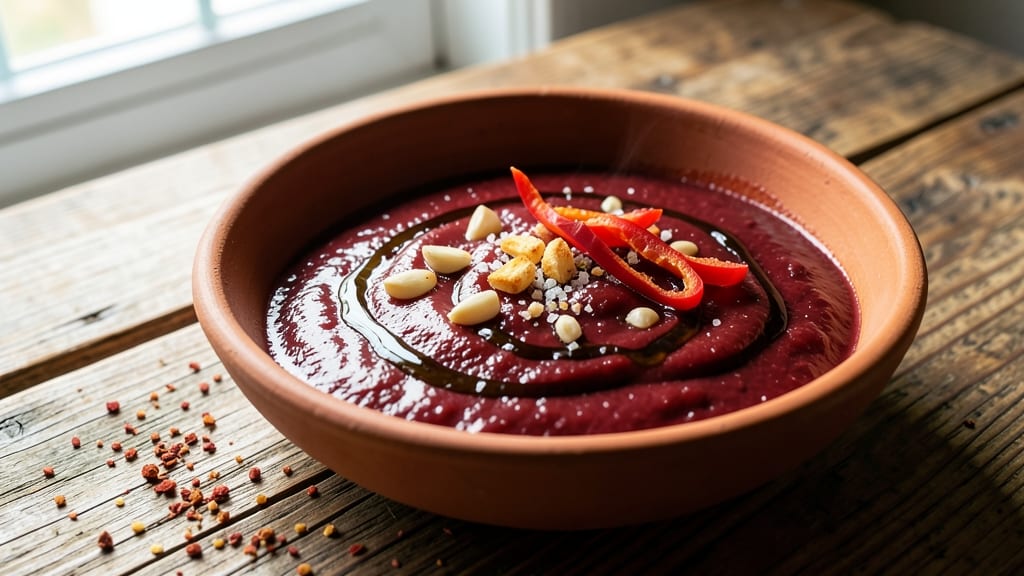
This culichi sauce recipe delivers the bold, smoky depth of Italian-American tradition with just five pantry staples—no specialty ingredients required. The secret lies in slow-cooked tomatoes and peppers until they develop that signature caramelized intensity, transforming simple canned goods into something restaurant-worthy.
I perfected this version after years of testing, ensuring it works equally well as a pasta sauce, meat glaze, or dipping sauce for crusty bread.
The beauty of culichi sauce is its versatility—it builds flavor over time through gentle simmering, allowing the natural sweetness of tomatoes to concentrate while developing layers of smokiness from dried peppers.
Unlike store-bought versions, this recipe skips artificial additives, relying instead on a balance of garlic, olive oil, and a touch of vinegar for brightness. What makes it truly foolproof is the technique: low-and-slow cooking prevents the sauce from breaking, while constant stirring keeps it smooth.
By the time you're done, you'll have a rich, velvety sauce with a deep red hue and complex flavor profile—smoky, slightly sweet, and tangy all at once.
It's the kind of sauce that elevates simple dishes into something special, whether you're tossing it with pasta, drizzling it over grilled meats, or serving it alongside charcuterie. The best part? It tastes even better the next day as the flavors meld further.
This sauce keeps well in the refrigerator for up to a week, making it perfect for meal prep. Double the batch and freeze half for future use—you'll be reaching for this pantry staple long after the first pot disappears.
Let's get cooking with a sauce that delivers authentic Italian-American flavor without the fuss.
Ingredients for culichi sauce
Five pantry staples transform into restaurant-quality culichi sauce with smoky depth and velvety texture.
| Ingredient | Amount | Notes |
|---|---|---|
| Canned San Marzano Tomatoes 🍅 | 28 oz | Crushed by hand, no juice |
| Dried Crushed Red Peppers 🌶️ | 2 tbsp | Calabrian or hot pepper flakes |
| Extra-Virgin Olive Oil 🫒 | ½ cup | High-quality, fruity variety |
| Garlic Cloves 🧄 | 6 cloves | Freshly minced, not pre-minced |
| White Vinegar 🍶 | 2 tbsp | White or apple cider vinegar |
| Diamond Crystal Kosher Salt 🧂 | 1 ½ tsp | Adjust to taste, don't skip |
| Granulated Sugar 🍚 | 1 tbsp | Balances acidity, optional |
The tomatoes are non-negotiable—San Marzano delivers that perfect balance of sweetness and acidity. Trader Joe's or Whole Foods carry them in cans, but any high-quality crushed tomatoes work. If you're using whole tomatoes, crush them by hand for better texture. The dried red peppers? Calabrian peppers give that authentic smoky flavor, but regular crushed red pepper flakes work in a pinch. Just don't skimp—this is what gives culichi its signature depth. I always grab mine from the bulk section at Penzeys if I'm feeling fancy, but the jarred stuff from the regular spice aisle does the job too.
No white vinegar? Apple cider vinegar or red wine vinegar will work just as well—it's all about that tangy brightness. Short on garlic? Garlic powder at half the amount gets you close, but fresh is ideal. Want to skip the sugar? Add a pinch more vinegar to balance the tomatoes' natural sweetness. The olive oil matters here—use something fruity and peppery, not the bland stuff. If you're making this ahead, reduce the vinegar slightly since flavors meld over time. And for the love of all things Italian, don't use pre-minced garlic—it's already oxidized and loses flavor fast.
This sauce gets better with time, so make a double batch if you can. Store it in a clean glass jar with a tight seal—keeps in the fridge for up to 1 week and freezes beautifully for 6 months. I like to portion mine into ice cube trays for easy use later. If it thickens too much, just add a splash of water or broth. And if you're using it as a pasta sauce, toss it with the pasta while it's still hot so it clings perfectly. Leftovers? Perfect for grilled chicken or as a dipping sauce for crusty bread.
Why You'll Love This Recipe
- Five-Ingredient Magic: I swear, this sauce comes together with zero fuss—just tomatoes, peppers, olive oil, garlic, and a splash of vinegar. The crushed red peppers add heat without the mess of fresh, and the San Marzano tomatoes? Sweet, rich, and no peeling required.
- Umami Bomb: That little hit of vinegar brightens everything up, but the real star is the garlic simmered low and slow in the olive oil. It’s got this deep, savory punch that clings to pasta, eggs, or even toast like it’s meant to be there.
- Pantry Staple Power: Between us, I’ve used this sauce for everything—drizzled over grilled fish, stirred into beans, or slathered on bruschetta. It’s the kind of thing that makes you realize you’ve been overcomplicating meals.
- No-Waste Win: A single jar of tomatoes and a tiny bag of dried peppers stretch into weeks of sauce. Honestly, I’ve made batches so big I’ve forgotten about them in the fridge—only to pull them out months later and still love them. Budget-friendly? More like budget hero.
Instructions for culichi sauce: smoky tomato-pepper velocity with pantry staples
This sauce comes together faster than you'd expect—just seven ingredients, minimal effort, maximum flavor. Here's how to build depth without complexity.
Bloom the Peppers and Garlic in Olive Oil
Heat the 0.5 cup extra-virgin olive oil in a heavy-bottomed saucepan over medium-low heat. Add the 2 tablespoons dried crushed red peppers and 6 cloves minced garlic, stirring constantly. Let them bloom for 3-4 minutes until the garlic turns golden and the peppers release their deep, smoky aroma.
Watch the garlic carefully—it burns faster than you think. If it starts to darken too quickly, reduce the heat slightly. This step is your flavor foundation; don't rush it. The peppers should dissolve slightly into the oil, creating a rich, peppery base that will carry through the entire sauce.
Add Tomatoes and Vinegar
Pour in the 28 ounces crushed San Marzano tomatoes and 2 tablespoons white vinegar, stirring to combine. The vinegar will brighten the acidity and cut through the richness of the oil. Bring the mixture to a gentle simmer over medium heat, then reduce to low heat to maintain a steady, slow cook.
Let the sauce simmer uncovered for 15-20 minutes, stirring occasionally. You're looking for the flavors to meld and the sauce to thicken slightly as the liquid reduces. The tomatoes should break down into a velvety consistency, and the acidity should soften into balance. Taste as you go—this is where you can adjust the seasoning if needed.
Season and Sweeten
Add the 1.5 teaspoons diamond crystal kosher salt and 1 tablespoon granulated sugar, stirring well to dissolve. The salt enhances the umami, while the sugar gently balances the acidity without overpowering the smoky, tomato-forward profile. Let the sauce simmer for another 10 minutes to allow the sugar to caramelize slightly and the flavors to deepen.
Taste again now—the sauce should be rich, slightly tangy, and deeply aromatic with a slow-building heat from the peppers. If it's too acidic, add a pinch more sugar. If it's too mild, a splash of vinegar or a pinch of salt can bring it back into balance. This is your chance to fine-tune the flavor before serving.
Reduce for Intensity (Optional but Recommended)
For a more concentrated, restaurant-quality sauce, continue simmering uncovered for an additional 10-15 minutes until the sauce thickens to your desired consistency. The longer it reduces, the more intense the flavors become. Skim off any foam or excess oil that rises to the surface to keep the sauce clean and velvety.
You'll know it's ready when the sauce coats the back of a spoon and the aroma is irresistibly complex—a perfect blend of smoky, sweet, and tangy. If you prefer a thinner sauce, stop earlier and adjust the consistency with a splash of water or reserved tomato juice. The key is to let the flavors develop fully without burning the sauce.
Serve Warm or Store for Later
Remove the sauce from heat and let it rest for 5 minutes to settle. Serve immediately over pasta, drizzled over grilled meats, or spooned alongside crusty bread. The sauce will continue to deepen in flavor as it sits, so if you're not serving it right away, let it cool slightly, then transfer to an airtight container and refrigerate for up to 5 days. Reheat gently over low heat, stirring occasionally, until warmed through.
This sauce is incredibly versatile—use it as a marinade, a dipping sauce, or a topping for pizza. The beauty of culichi is its adaptability, so don't be afraid to experiment. Just remember: the longer it simmers, the richer and more complex it becomes. Enjoy the process, and savor the results!
Pro Tips For Making Culichi Sauce
- Bloom the Peppers First: Toss the crushed dried red peppers into a dry pan over medium heat for 30 seconds—they’ll darken slightly and release their aroma like a wake-up call. I learned this the hard way: skipping this step means your sauce will taste flat, no matter how long you simmer. (Yes, even if you’re impatient like me.)
- Crush Garlic Like It’s 1995: Use a flat-sided knife or the bottom of a heavy pan to smash the garlic cloves into a paste—no mincer, no blender. This keeps the oil from burning and ensures every bite of your culichi sauce carries that deep, toasty garlic punch. My grandmother swore by this, and she was right: fresh, raw garlic in oil is a fast track to bitterness.
- Simmer, Don’t Boil: Keep the heat at a gentle simmer—tiny bubbles, occasional swirls—once the tomatoes hit the pan. Boiling turns the sauce into a sad, watery mess, and you’ll end up with a consistency closer to soup than the rich, clingy sauce you want. I used to rush this, and my sauce always ended up thin. Now I treat it like a slow dance.
- Vinegar Last, Not First: Add the white vinegar in the final 5 minutes of cooking, not at the start. This keeps its bright acidity from fading into the background—it’ll cut through the richness of the tomatoes and olive oil like a knife. I was skeptical until I tried it: the balance is night and day. (Your future self will thank you.)
Troubleshooting great culichi sauce
Sauce Too Thin?
If your culichi sauce is thinner than expected, don’t panic—simmering longer is the simplest fix. After adding the tomatoes and vinegar, let it cook uncovered on low heat for an extra 15-20 minutes, stirring occasionally. The liquid will naturally reduce, intensifying the flavors while thickening the sauce.
For a quicker fix, mix in 1 tablespoon cornstarch or arrowroot powder with 2 tablespoons water, then stir it in and simmer for 5 minutes until it reaches your desired consistency. 🔥
Peppers Too Overpowering?
If the heat from the dried peppers is overwhelming, balance it with a splash of white vinegar or lemon juice—just 1 teaspoon at a time. Alternatively, add a pinch of brown sugar to mellow the spice.
For a smoother texture, blend the sauce briefly with an immersion blender to distribute the peppers more evenly. If you’re sensitive to heat, reduce the dried peppers to 1 tablespoon next time and boost the garlic to 8 cloves for depth without the burn.
Sauce Separating?
If the sauce splits or looks oily, it’s likely due to too much heat or stirring too vigorously. To fix it, whisk in 1 tablespoon cold water or reserved tomato juice while the sauce is still warm. Then, simmer gently for 5 minutes to re-emulsify.
To prevent this, always cook on low heat and stir gently—never boil. If the oil rises to the top, skim it off before serving or use it for drizzling over pasta later. 💡
Flavor Too Mild?
A lackluster sauce usually means the tomatoes or peppers need more time to develop. Boost the depth by adding ½ teaspoon smoked paprika or a pinch of red pepper flakes and simmer for another 10 minutes.
For umami, stir in 1 teaspoon soy sauce or a splash of balsamic vinegar. If the sauce tastes flat, a fresh garlic clove minced and simmered for 2 minutes can work wonders. Taste as you go—adjustments are easier early in the process.
Sauce Too Acidic?
If the vinegar or tomatoes are making the sauce too sharp, balance it with 1 teaspoon honey or maple syrup and simmer for 5 minutes to let the sweetness meld. A pinch of salt also helps round out the flavors.
For a smoother texture, mash a few roasted garlic cloves into the sauce and simmer for 3 minutes. If the acidity persists, reduce the vinegar to 1 tablespoon next time and rely more on the natural sweetness of the tomatoes.
Preventing Common Mistakes
Most culichi sauce issues stem from heat or timing. Always cook on low heat—high heat burns the garlic and peppers, creating bitterness. Stir gently but consistently to avoid breaking the sauce. If you’re in a rush, use a heavy-bottomed saucepan (like All-Clad) to prevent scorching.
And remember: patience is key. Rushing the simmering process leads to flat, one-dimensional flavor. Let the sauce work its magic over time—it’s worth the wait. ✨
Nutrition facts
Frequently asked questions
What makes culichi sauce different from marinara or arrabbiata?
The defining feature of culichi sauce is its smoky depth from dried crushed red peppers and the slow reduction process. Unlike marinara (which is lighter) or arrabbiata (which relies on fresh chili peppers), culichi develops a velvety texture with concentrated flavors from low-and-slow simmering. The vinegar adds brightness that balances the sweetness, creating a complex sauce perfect for bold dishes.
Can I make culichi sauce without fresh garlic?
Yes, but fresh garlic delivers the best flavor. If you're short on time, use 1.5 teaspoons garlic powder instead of the 6 cloves called for. For deeper flavor, roast 6 cloves at 400°F for 10 minutes first—they'll add a subtle sweetness. Never use pre-minced garlic, as it loses flavor quickly.
How long should I simmer culichi sauce for maximum flavor?
For balanced flavor, simmer for 35-45 minutes total (including the initial 15-20 minutes after adding tomatoes). The longer it cooks—up to 1 hour—the more concentrated and complex the flavors become. Key is keeping heat at low to prevent burning. The sauce will continue developing flavor even after removing from heat.
Can I use this sauce as a marinade?
Culichi sauce makes an excellent marinade for chicken, pork chops, or even tofu. Use it as-is or thin with 2 tablespoons olive oil for better coating. Marinate proteins for 4-6 hours (or overnight for deeper flavor), then grill or bake. The smoky, tangy profile works beautifully with grilled meats. Just reserve some sauce for serving after cooking.
Why does my culichi sauce taste bland after refrigeration?
Cold temperatures mute flavors, but reheating properly fixes this. Warm the sauce gently over low heat for 5-10 minutes, stirring constantly. The flavors will return as the sauce warms. For extra depth, add a pinch of red pepper flakes or a splash of balsamic vinegar while reheating. Always store in an airtight container—oxidation can dull flavors if exposed to air.