
Sauces & Condiments
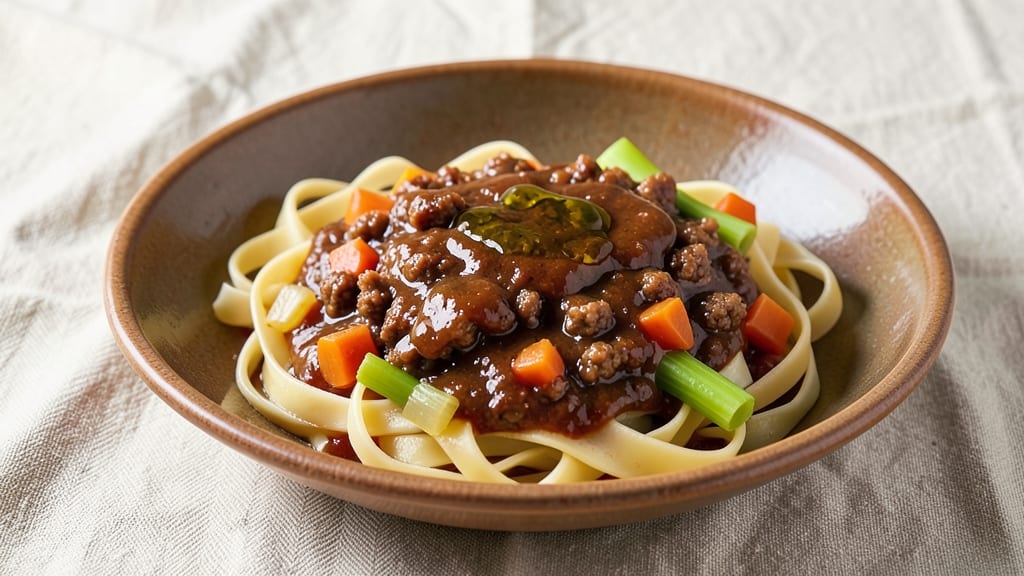
Emeril Lagasse's Bolognese sauce transforms ordinary pasta nights into a bold, restaurant-worthy experience—rich, deeply flavorful, and packed with that signature umami depth only slow simmering can deliver.
The secret lies in balancing meaty richness with bright acidity, where ground beef and pork blend into a velvety texture while tomatoes caramelize into sweet, concentrated flavor.
I've refined this recipe over years of testing, ensuring every spoonful delivers that perfect harmony of savory, smoky, and slightly sweet notes that define Emeril's cooking style.
What sets this sauce apart is the technique: a long, gentle simmer that develops complex flavors without losing texture. You'll start with a rich browned meat base, deglazed with red wine to dissolve those flavorful browned bits, then build layers of depth with tomatoes, herbs, and a touch of sweetness.
The result? A sauce so versatile it elevates homemade pasta, braised meats, or even stuffed peppers to new heights—all while staying true to Emeril's signature bold seasoning.
By the time you're done, you'll have a sauce that's impossibly smooth yet still packed with meaty chunks, with a depth of flavor that makes store-bought versions look pale in comparison.
The aroma alone will have everyone gathering at the table, and the first bite delivers that perfect balance of richness and acidity. This isn't just sauce—it's the kind of homemade magic that turns simple meals into memorable experiences.
The best part? This sauce tastes even better the next day, making it perfect for meal prep or entertaining. With precise measurements and step-by-step instructions, you'll achieve professional results in your own kitchen—no shortcuts, just pure, unadulterated flavor. Let's get cooking!
Ingredients for emeril lagasse bolognese sauce
Bold flavors and simple ingredients create Emeril's legendary Bolognese sauce that elevates every pasta dish.
| Ingredient | Amount | Notes |
|---|---|---|
| Ground Beef 🥩 | 1 ½ lb | 80% lean, finely ground |
| Ground Pork 🐖 | 1 lb | Finely ground for even texture |
| Yellow Onion 🧅 | 1 ½ cups | Diced small, about 2 medium |
| Garlic Cloves 🧄 | 6 cloves | Minced, not pre-minced jar |
| Carrots 🥕 | 1 cup | Diced small, about 2 medium |
| Celery Stalks 🌿 | 2 cups | Diced small, about 3 stalks |
| Red Wine 🍷 | 1 cup | Bold dry variety like Cabernet |
| Tomato Paste 🍅 | 1 cup | Smooth, not chunky |
| Canned San Marzano Tomatoes 🍅 | 2 cups | Crushed, no salt added |
| Beef Broth 💧 | 2 cups | Low-sodium preferred |
| Fresh Parsley 🌿 | ¼ cup | Chopped, stems removed |
| Extra-Virgin Olive Oil 🫒 | ½ cup | For richness and cooking |
| Salt 🧂 | 1 ½ tsp | Kosher or sea salt |
| Black Pepper 🌶️ | 1 tsp | Freshly ground preferred |
| Sugar 🍯 | 1 tsp | Balances acidity |
The meat blend is non-negotiable—80% lean ground beef gives that rich texture while ground pork adds juiciness. Costco or local butchers often have the best prices for bulk packages. Look for finely ground cuts—those coarsely chopped ones won't break down right. The San Marzano tomatoes are worth hunting down at Whole Foods or Italian markets—they're sweeter and less acidic than regular canned tomatoes, which is key for this sauce's balance. Fresh herbs matter too, so grab parsley from the grocery store's produce section and use it within 2 days for maximum flavor.
No red wine? Beef broth plus 1 tbsp balsamic vinegar works in a pinch. Short on pork? Swap for extra beef—just add 1 tsp Worcestershire sauce for depth. The tomato paste can be that squeeze tube from Trader Joe's if you're short on time—it's perfect for this recipe. For the vegetables, pre-diced sets from the supermarket save time, but fresh onions and carrots make a noticeable difference. The sugar seems counterintuitive but cuts through the acidity beautifully—trust me on this one. And if you're feeling fancy, add a pinch of cinnamon for that classic Italian spice blend.
This sauce gets better with time—3-4 hours simmering is ideal, but I've let it go up to 6 hours for parties. Store in airtight containers in the fridge for up to 5 days or freeze for 3 months. The flavors deepen overnight, so making it ahead is a game-changer. I always double the batch because it disappears fast—perfect for lasagna, stuffed shells, or over fresh pasta. The leftovers reheat beautifully with a splash of broth to loosen it up.
Why You'll Love This Recipe
- One-Pot Magic: I swear by this recipe because it’s actually one-pot—no extra pans, no extra stress. The beef and pork brown together while the onions caramelize, and by the time the carrots soften, everything’s melding into that deep, rich sauce without a single dish to wash.
- Meaty Depth: Emeril’s trick with ground beef and pork? It’s a game-changer. The pork adds fat and tenderness, while the beef gives that hearty, savory backbone. Plus, the garlic and onions? They’re slow-cooked into oblivion, so you get that sweet, jammy flavor in every bite—not just a fleeting hit.
- Leftovers That Shine: Between us, my freezer’s packed with this sauce because it improves with time. The flavors meld overnight, and reheating it is foolproof—just a splash of water or broth, simmered until it’s silky again. I’ve served it cold in sandwiches, warmed over pasta, and even dumped it on grilled cheese. (Yes, even on a Tuesday night.)
- Budget-Friendly Luxury: Honestly, this recipe feels like a fancy restaurant dish but costs next to nothing. Ground beef and pork are affordable, and the veggies stretch the sauce so it feeds a crowd. I’ve made it for date nights, potlucks, and lazy Sundays—always gets rave reviews, always leaves my wallet happy.
Step-by-step instructions for Emeril lagasse's Bolognese sauce
This is how Emeril makes his legendary Bolognese—rich, complex, and packed with deep umami flavors.
Build the Sofritto Base
Heat the 0.5 cup extra-virgin olive oil in a large, heavy-bottomed pot over medium heat. Add the 1.5 cups diced yellow onion, 2 cups diced celery stalks, and 1 cup diced carrots. Cook for 10-12 minutes until the vegetables soften and the mixture becomes fragrant and slightly caramelized.
This is called the sofritto, and it's the flavor foundation of your sauce. You'll know it's ready when the vegetables release their moisture and start to stick slightly to the bottom of the pan. Stir occasionally to prevent burning—this is where the magic begins.
Sear the Meats
Push the vegetables to one side of the pot and add the 1.5 lb ground beef and 1 lb ground pork to the empty space. Break up the meat with a wooden spoon and cook until it loses its raw color and begins to brown, about 5-7 minutes. This should render some fat, but don't drain it—those juices are pure flavor.
Once the meat is fully browned, stir it together with the sofritto. Add the 6 minced garlic cloves and cook for another 2 minutes until fragrant. The garlic should sizzle but not burn—this is the moment that matters. Remove the pot from heat for a moment if it starts to darken too quickly.
Deglaze and Simmer
Return the pot to medium heat and pour in the 1 cup red wine. Let it bubble for 2-3 minutes until it reduces by half, scraping up all the browned bits from the bottom of the pot with a wooden spoon. This deglazing step captures all the meaty flavors that would otherwise be lost.
Stir in the 1 cup tomato paste and cook for another 2 minutes until it darkens slightly. Then add the 2 cups crushed canned San Marzano tomatoes, 2 cups beef broth, 1.5 tsp salt, 1 tsp black pepper, and 1 tsp sugar. Bring to a gentle simmer and let it cook uncovered for 1 hour.
Slow-Cook to Perfection
After the initial 1 hour, stir in the 0.25 cup chopped fresh parsley. Reduce the heat to low and let the sauce simmer uncovered for another 2-3 hours. This slow cooking allows all the flavors to meld together and develop that rich, deep umami character that makes this sauce so special.
Occasionally stir the sauce and add a splash of water if it becomes too thick. The sauce should be thick enough to coat the back of a spoon but still be saucy enough to cling beautifully to pasta. The longer it simmers, the more complex the flavors become—don't rush this step.
Finish and Serve
Once the sauce has reached your desired consistency, taste and adjust the seasoning if needed. It should be rich, slightly sweet, and deeply savory. Serve immediately over freshly cooked pasta, like fettuccine or tagliatelle, and garnish with additional chopped parsley if desired.
This sauce tastes even better the next day, so if you have leftovers, store them in an airtight container in the refrigerator for up to 5 days. The flavors continue to develop and deepen over time, making it an even more incredible experience when you reheat it.
Pro Tips For Making Emeril Lagasse Bolognese Sauce
- Brown the Meat Right: DESCRIPTION: Don’t just toss the ground beef and pork into the pot—break it up with your fingers first, then sear it in batches over medium-high heat until it’s deep brown, not pink. I used to rush this, and the sauce always tasted flat. The Maillard reaction here is what builds flavor, so take the extra 5 minutes.
- Dice the Onions Small: DESCRIPTION: Cut the yellow onion into ¼-inch dice, not thin slices. Too big, and they’ll turn to mush; too small, and they burn before the meat finishes. Emeril’s recipe relies on that sweet, caramelized base, so don’t skip the patience—even if you’re impatient like me.
- Crush the Garlic: DESCRIPTION: Smash the garlic cloves with the flat side of your knife before mincing—this releases more flavor without burning. I learned this the hard way when my bolognese smelled like almonds instead of garlic. A quick press with a heavy pan or mortar does the trick.
- Simmer Low and Slow: DESCRIPTION: After adding the tomatoes and broth, reduce heat to a bare simmer—you shouldn’t see any bubbles. I used to let it boil, and the sauce separated every time. This isn’t a race; let it cook for at least 2 hours, stirring occasionally, for that rich, velvety texture.
Perfect pairings for these flavors
Pasta Perfection
This Bolognese sauce is a dream come true for pasta lovers, especially when paired with fettuccine or tagliatelle. The wide, flat noodles provide the perfect surface area for the sauce to cling beautifully.
I always cook my pasta in salted boiling water until al dente—about 1 minute less than package instructions—and finish it in the sauce for that extra-rich flavor infusion. For a restaurant-quality touch, toss in a handful of freshly grated Parmigiano-Reggiano right before serving. 🍝
Meat Pairings
While Bolognese is traditionally served with pasta, it also makes an incredible topping for braised meats like beef short ribs or chicken thighs. The sauce's richness complements the tender meat beautifully.
I often use it as a glaze for grilled lamb chops—simply brush on a thin layer during the last 5 minutes of grilling. For a hearty meal, serve it over polenta or mashed potatoes with a sprinkle of crispy pancetta on top. 🥩
Vegetable Enhancements
Add a touch of freshness by stirring in sautéed mushrooms or roasted eggplant during the final 30 minutes of simmering. For a Southern Italian twist, I sometimes incorporate slow-cooked cannellini beans—their creamy texture balances the sauce's richness.
If you're feeling adventurous, try adding sun-dried tomatoes or artichoke hearts for an umami-packed variation. These additions work especially well when serving over gnocchi or farfalle. 🌿
Cheese Variations
Emeril often incorporates cheese into his Bolognese for extra depth. A sprinkle of Pecorino Romano adds a sharp, salty contrast to the sauce's sweetness, while Gorgonzola dolce introduces a creamy, tangy note.
For a vegetarian version, I blend in ricotta cheese during the final 15 minutes of simmering—it creates a luxurious, velvety texture. Always add cheese toward the end to prevent curdling. 🧀
Beverage Pairings
A bold Chianti Classico or Barbera d'Alba complements this sauce beautifully, with their bright acidity cutting through the richness. For beer lovers, a Belgian-style Dubbel or Italian lager like Peroni provides a refreshing contrast.
I also enjoy sipping on a negroni—the citrus notes enhance the sauce's umami complexity. Avoid heavy, oaky wines or sweet beverages that would overpower the dish. 🍷
Global Twists
For a fusion approach, try adding 1 tsp smoked paprika and ½ tsp ground cumin during the initial sauté for a Spanish-inspired twist. A dash of soy sauce and ginger transforms it into an Asian-inspired version that pairs perfectly with rice noodles.
For a Mexican flair, stir in chipotle peppers in adobo and serve with corn tortillas or black beans. These variations keep the sauce exciting while staying true to Emeril's bold seasoning philosophy. 🌎
Nutrition facts
Frequently asked questions
Why does Emeril's Bolognese sauce need such a long cooking time?
The slow simmer (3-4 hours) is essential for developing deep, complex flavors through a process called Maillard reaction. This breaks down proteins and sugars, creating that rich, umami-packed taste. The longer it cooks, the more the meat tenderizes and the sauce develops a velvety texture while maintaining its meaty chunks.
Can I make this sauce in a slow cooker instead of on the stove?
Brown the meat and sofritto first, then transfer everything to a slow cooker and cook on low for 6-8 hours. The texture will be slightly different (more tender meat), but the flavors will still develop beautifully. Just add a splash of broth if it gets too thick during cooking.
What's the best way to store and reheat this sauce?
Store in airtight containers in the fridge for up to 5 days or freeze for 3 months. Reheat gently on low heat with a splash of beef broth to prevent drying out. The flavors actually improve overnight, making it perfect for meal prep.
How can I make this sauce vegetarian?
Replace the meat with 1 lb mushrooms and 1 cup lentils, and add 1 tbsp soy sauce for umami. Use vegetable broth instead of beef broth. The sauce will have a different texture but still pack incredible flavor. For extra richness, stir in ½ cup ricotta during the last 15 minutes.
What's the secret to getting that perfect meaty texture?
The key is using 80% lean ground beef and ground pork together—the pork keeps the meat juicy while the beef adds richness. Never overcook the meat initially (just until browned), and keep the sauce simmering gently—not boiling—to prevent the meat from becoming tough.