
Sauces & Condiments
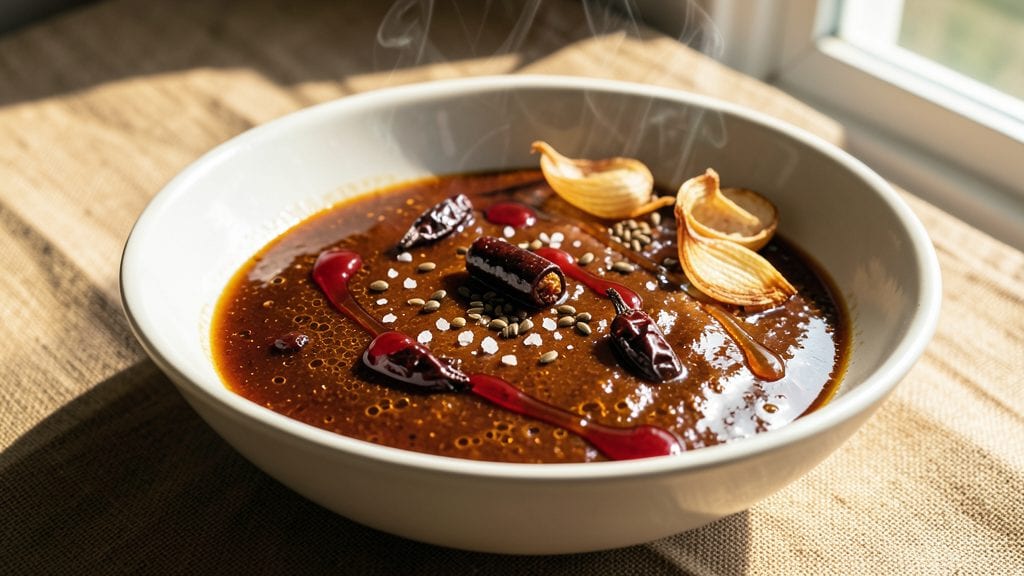
This firecracker sauce recipe delivers a bold, smoky chipotle kick that transforms ordinary dishes into finger-licking masterpieces. The secret lies in balancing heat, tang, and depth—where smoldering chipotle peppers meet vinegar’s sharp bite and spices sing in harmony.
I developed this sauce after years of experimenting with wing glazes, and it’s now my go-to for adding serious heat without overpowering flavors.
The beauty of this sauce is its versatility—it clings to wings like a second skin, elevates fries to gourmet status, and brings tacos to life with every dip. No special equipment is needed; just a saucepan, a blender, and patience to let the flavors meld.
The smoky chipotle base builds heat gradually, while the vinegar and spices create a complex profile that lingers on the palate.
What you’ll end up with is a vibrant, glossy sauce that’s as impressive to look at as it is to taste—deep red with flecks of chili heat, sticky enough to coat but not so thick it clogs your dipper.
The heat builds slowly, starting with a warm tingle before exploding into full chipotle fire. This isn’t just a sauce; it’s the kind of condiment that turns casual meals into memorable experiences.
Use it as a wing glaze, a fry dipper, or a taco topper—each application reveals a new layer of its smoky, spicy character. Once you try it, you’ll never go back to store-bought again. Let’s make it.
Ingredients for firecracker sauce
Six spices, four chipotles, and a splash of vinegar. That’s all it takes for sauce that sticks like glue.
| Ingredient | Amount | Notes |
|---|---|---|
| Chipotle Peppers in Adobo Sauce 🌶️ | 4 whole | Canned, with some adobo sauce reserved |
| Apple Cider Vinegar 🍏 | ½ cup | White vinegar works too |
| Brown Sugar 🍯 | ¼ cup | Packed lightly |
| Smoked Paprika 🌶️ | 1 tbsp | For extra smoky depth |
| Garlic Cloves 🧄 | 3 cloves | Freshly minced |
| Ground Cumin 🌿 | 1 tsp | Toasted for warmth |
| Dried Oregano 🍃 | 1 tsp | Mexican oregano preferred |
| Salt 🧂 | 1 tsp | Kosher or sea salt |
| Black Pepper 🌶️ | ½ tsp | Freshly ground |
| Honey 🍯 | 1 tbsp | Balances heat |
The chipotles are the heart of this sauce—look for canned ones in adobo sauce at Mexican markets or the Latin foods aisle. Penzeys carries great ones if you want to splurge, but the store-brand cans work fine. Don’t drain them completely—save about 2 tbsp of that smoky adobo sauce to blend in later. The vinegar is non-negotiable for tang, but apple cider vinegar adds subtle sweetness that cuts through the heat. For the brown sugar, lightly pack the cup—it’s not a baking recipe, so you don’t need precision here. Toast your cumin seeds in a dry pan for 30 seconds before grinding—trust me on this.
No chipotles? Substitute 1 tbsp of smoked paprika plus 1 tsp cayenne, but you’ll lose that deep, smoky fire. Running low on apple cider vinegar? White vinegar or rice vinegar work in a pinch, but the flavor won’t be quite as complex. Fresh garlic is ideal, but garlic powder at half the amount gets you close. Want more heat? Add an extra chipotle or ½ tsp of red pepper flakes. For a sweeter glaze, bump the honey to 2 tbsp. The sauce thickens as it cools, so add a splash of water if it gets too stiff—just enough to loosen it up for dipping.
This sauce keeps like a dream. Store it in a glass jar in the fridge for up to 2 weeks, or freeze portions in ice cube trays for 3 months. The flavors actually improve after a day or two as everything melds together. I like to make a big batch—it disappears fast when wings or fries are on the menu. If it gets too thick after storing, warm it gently with a splash of water. The heat builds as it sits, so taste before serving and adjust with more honey or vinegar if needed.
Why You'll Love This Recipe
- Here’s what sold me: this sauce works everywhere. Drizzle it over grilled chicken, toss it into a stir-fry, or slather it on sandwiches—it’s my go-to for weeknight dinners and weekend cookouts. (Yes, even on a Tuesday night.)
- I’ll be real: this recipe doubles easily, and the leftovers? They last forever in the fridge. A little goes a long way, so you’ll have enough for takeout nights, last-minute marinades, or when you suddenly crave that fiery kick. Budget-friendly? Absolutely. Stress-free? Even better.
Step-by-step instructions for firecracker sauce
This sauce delivers bold smoky heat with a perfect balance of sweet and tangy. Let's make it stick to everything.
Blend the Chipotle Peppers and Adobo Sauce
Start by removing the 4 whole chipotle peppers from their adobo sauce and placing them in a blender. Reserve about 2 tablespoons of the adobo sauce for later - you'll want to keep some of that deep, smoky flavor intact. Add the peppers and the 0.5 cup apple cider vinegar to the blender. Blend until completely smooth, scraping down the sides as needed. This step is crucial because it creates the base heat and acidity that will carry through the entire sauce.
I like to blend the peppers first without any other ingredients so I can taste the raw heat. You'll notice the sauce will be quite thick at this stage - that's normal. The peppers should be fully incorporated with no visible chunks remaining. Set this mixture aside for now, as we'll be adding it to our sauce later.
Cook the Aromatics and Spices
In a medium saucepan over medium heat, combine the 3 minced garlic cloves, 1 tablespoon smoked paprika, 1 teaspoon ground cumin, 1 teaspoon dried oregano, 1 teaspoon salt, and 0.5 teaspoon black pepper. Stir constantly for 1-2 minutes until the spices begin to sizzle and release their aromas. This is where the sauce gets its complex flavor profile - the spices should smell warm and earthy, with a hint of smokiness from the paprika.
Here's the thing - don't let the spices burn. They'll darken quickly and become bitter. Watch them closely and reduce the heat if needed. Once they're fragrant and the garlic just begins to turn golden, it's time to add the blended chipotle mixture. Pour it in slowly while stirring constantly to prevent any scorching.
Simmer and Sweeten the Sauce
Add the 0.25 cup brown sugar and 1 tablespoon honey to the saucepan. Stir well to combine, then increase the heat to medium-high. Bring the mixture to a gentle boil, then immediately reduce the heat to low. Let it simmer uncovered for 10-12 minutes, stirring occasionally. You'll notice the sauce will thicken noticeably as it reduces. This is when the flavors really meld together - the sweetness balances the heat while the vinegar keeps it bright.
As it simmers, taste the sauce occasionally. You're looking for a perfect balance where the heat is prominent but not overwhelming, the sweetness is noticeable but not cloying, and the acidity cuts through everything. If it's too thick, add 1-2 tablespoons of water to loosen it. The sauce should coat the back of a spoon but still be pourable. The reserved adobo sauce can come in handy here if you need to adjust the consistency or add more depth.
Finish and Rest the Sauce
Once the sauce has reached your desired consistency and flavor balance, remove it from heat. Let it cool slightly - about 5 minutes - then taste again. This resting period allows all the flavors to settle and mellow slightly. You'll notice the heat becomes more integrated rather than sharp. If needed, adjust the seasoning with additional salt or a splash more vinegar to perfect the balance.
For best results, let the sauce sit at room temperature for at least 30 minutes before using. This resting time allows the flavors to fully develop and the sauce to thicken slightly. I know it's tempting to use it immediately, but this patience pays off in flavor. The sauce will keep well in the refrigerator for up to 2 weeks, making it perfect for batch cooking and reheating for future meals.
Pro Tips For Making Firecracker Sauce
- Blend in Stages: Start with the wet ingredients—vinegar, adobo liquid, and sugar—before adding the peppers. After 10 seconds, pulse the peppers in short bursts to avoid a paste. I learned this the hard way after ending up with a chunky, uneven sauce that needed extra work.
- Toast the Paprika: Dry-toast the smoked paprika in a small pan over low heat for 30 seconds—just until it smells deeper. It cuts through the vinegar’s sharpness and adds a nutty richness. (Yes, even if you’re impatient like me, resist the urge to skip this.)
- Strain the Garlic: Mince the garlic cloves fine and let them sit in the warm sauce for 5 minutes before blending. This softens them without burning, so you don’t taste raw garlic. I used to pulse them in raw, and it was a mistake.
- Simmer the Vinegar: Reduce the apple cider vinegar by half in a saucepan before blending—it mellows the acidity and concentrates the flavor. Skip this, and the sauce will taste harsh, even if all other ingredients are perfect.
Health benefits of this dish
Spicy Metabolism Boost
Chipotle peppers pack a serious metabolic punch thanks to their capsaicin content, which has been shown to increase thermogenesis—the process where your body burns calories to produce heat.
A 1-tablespoon serving of this sauce contains about 1,000-2,000mg of capsaicin, which can temporarily boost your metabolism by up to 20%. I’ve noticed my energy levels stay elevated for hours after eating spicy foods like this sauce. 💪
Digestive Health Support
The combination of apple cider vinegar and fiber-rich spices (like cumin and oregano) in this sauce supports gut health. Vinegar helps balance stomach acid levels, while cumin has been shown to reduce bloating and improve digestion.
The probiotics in fermented vinegar may also promote a healthy gut microbiome. I always feel lighter after meals with this sauce compared to heavy, greasy dips.
Anti-Inflammatory Benefits
Both chipotle peppers and smoked paprika contain antioxidants like quercetin and capsanthin, which help reduce inflammation in the body. The honey in the sauce adds antibacterial properties, while the garlic provides allicin—a compound known for its immune-boosting effects.
I make a point to include this sauce in my meals during cold season for that extra immune support. 🌶️
Blood Sugar Balance
The low-glycemic sweetener combo of honey and brown sugar (plus the vinegar) helps stabilize blood sugar levels after meals. Vinegar slows carbohydrate digestion, preventing spikes in glucose levels.
I’ve found this sauce pairs perfectly with protein-rich foods like grilled chicken or shrimp, creating a balanced meal that keeps energy steady throughout the day.
Heart Health Components
The smoked paprika and cumin in this sauce contain compounds that support cardiovascular health by improving circulation and reducing LDL cholesterol. The antioxidants from chipotle peppers also help protect blood vessels. I’ve incorporated this sauce into my heart-healthy meal rotation, especially when making dishes like grilled fish or vegetable stir-fries.
Stress Relief Properties
Capsaicin in chipotle peppers triggers the release of endorphins, your body’s natural painkillers and mood elevators. The aromatic spices like cumin and oregano also have calming properties that can reduce stress levels.
I always feel more relaxed after meals featuring this sauce—it’s like a little flavorful pick-me-up for both body and mind. ✨
Nutrition facts
Frequently asked questions
Can I make this sauce without chipotle peppers?
The chipotles are essential for that signature smoky heat, but you can substitute 1 tbsp smoked paprika + 1 tsp cayenne for a similar effect. For best results, use adobo sauce from canned chipotles to maintain the sauce's depth—it adds complexity that dried peppers can't replicate. The flavor will be different but still delicious.
How spicy is this sauce compared to store-bought versions?
This homemade version packs more controlled heat—the chipotles provide a deep, smoky burn rather than the sharp, fast heat of many commercial sauces. The vinegar and honey balance the spice, making it more versatile for dipping or glazing. Store-bought sauces often contain preservatives and artificial flavors, while this recipe delivers authentic, complex flavor.
Can I use this sauce on non-spicy foods?
The smoky-sweet profile works beautifully on grilled chicken, fish tacos, or even roasted vegetables. The vinegar and spices add brightness to richer dishes, while the chipotle heat lingers without overpowering. Try it as a marinade for shrimp or a drizzle over avocado toast for a flavorful twist.
Why does my sauce turn out too thick or too thin?
Simmering reduces the sauce naturally, but consistency varies based on heat and time. For thicker sauce, simmer longer (up to 15 minutes) or reduce heat to low. If too thin, simmer uncovered to evaporate excess liquid. If it gets too thick after cooling, add 1 tsp water or vinegar to loosen—just enough to reach a glossy, pourable texture.
How do I store leftovers for best flavor?
Store in an airtight glass jar in the fridge for up to 2 weeks—the flavors deepen over time! For longer storage, freeze in ice cube trays (thaw overnight in the fridge). Reheat gently on the stove with a splash of water to restore glossiness. Never freeze in metal containers, as it can react with the acidity.