
Sauces & Condiments
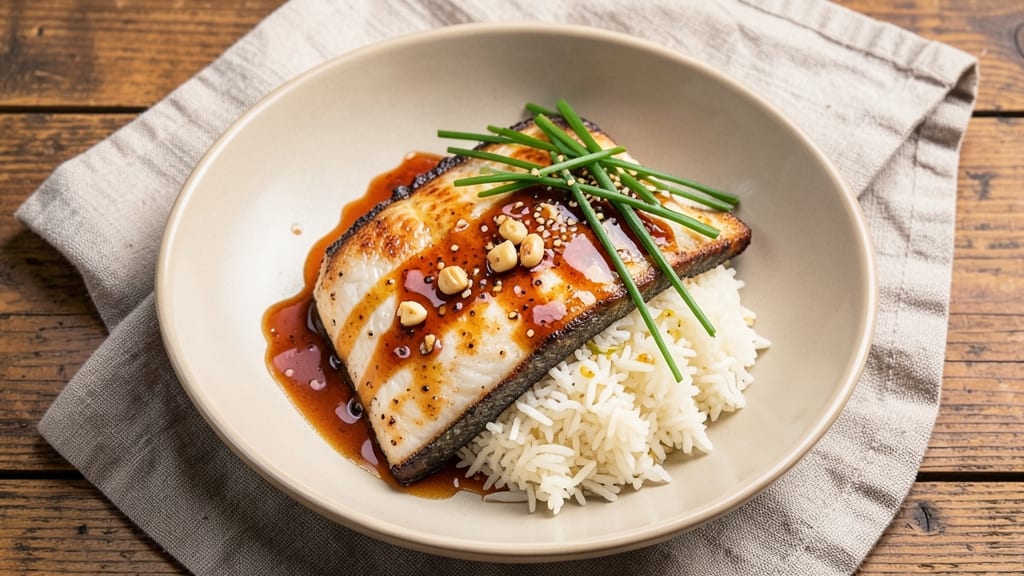
This quick umami-packed fish with soy sauce recipe transforms simple white fish into a restaurant-worthy dish in just 20 minutes—no fancy techniques required.
The secret lies in balancing soy sauce’s bold flavors with a touch of sweetness and acidity, creating a glossy glaze that caramelizes beautifully while keeping the fish tender. I’ve perfected this method after years of testing, and it’s become my go-to for weeknight dinners that feel special without the fuss.
The beauty of this recipe is its versatility—pan-frying delivers crispy edges, while steaming or grilling keeps the texture delicate. A quick 10-minute marinade with soy sauce, honey, and garlic infuses the fish with depth, and a splash of rice vinegar brightens the dish without overpowering the natural flavor.
The result? Fish that’s perfectly seasoned, with a glossy sheen and a balance of salty, sweet, and savory notes that linger.
What you’ll end up with is a dish that’s foolproof yet impressive—crispy on the outside, moist inside, and coated in a sticky-sauce that clings to every bite. Serve it over steamed rice or with a simple stir-fried vegetable medley to round out the meal.
The soy sauce’s umami richness pairs beautifully with the mild sweetness of the glaze, making this one of those recipes that’s as satisfying as it is quick.
Whether you’re cooking for two or feeding a crowd, this method scales effortlessly. The key is timing—just 20 minutes from start to finish—and a few simple ingredients that likely already live in your pantry. Let’s get cooking!
Ingredients for fish with soy sauce
Simple ingredients that transform into a restaurant-worthy umami-packed fish dish in minutes.
| Ingredient | Amount | Notes |
|---|---|---|
| White Fish Fillets 🐟 | 1 ½ lb | Cod, halibut, or tilapia preferred |
| Light Soy Sauce 🥄 | ½ cup | Kikkoman preferred for balance |
| Honey 🍯 | 2 tbsp | Wildflower for floral notes |
| Rice Vinegar 🍶 | 2 tbsp | Seasoned preferred for depth |
| Garlic Cloves 🧄 | 3 cloves | Minced, fresh preferred |
| Sesame Oil 🫒 | 1 tbsp | Toasted sesame for aroma |
| Neutral Oil 🫒 | 2 tbsp | Avocado or vegetable oil |
| Cornstarch 🌾 | 1 tbsp | For crispy coating |
| Fresh Ginger 🌿 | 1 tbsp | Grated, peeled |
| Green Onions 🧅 | 3 whole | Sliced, for garnish |
| Sesame Seeds 🌾 | 1 tbsp | Toasted for crunch |
| Diamond Crystal Kosher Salt 🧂 | ½ tsp | For seasoning |
| Ground Black Pepper 🌶️ | ¼ tsp | Freshly ground |
The quality of your fish makes all the difference here. Whole Foods or Trader Joe's carry excellent cod and halibut fillets, but any mild white fish works. Look for fillets with a firm texture and vibrant color—avoid any with a fishy odor or discoloration. The soy sauce is non-negotiable; Kikkoman provides that perfect balance of saltiness and umami without overpowering. For the honey, Manuka or wildflower varieties add subtle floral notes that complement the soy sauce beautifully. Fresh ginger and garlic should be bright and aromatic—if they smell musty, they've lost their potency.
No sesame oil? Toasted peanut oil works as a substitute, though it lacks the distinct nutty aroma. Running short on cornstarch? Arrowroot powder or tapioca starch will give you that same crispy texture. The rice vinegar can be swapped for apple cider vinegar in a pinch, though it will alter the delicate balance slightly. For those avoiding gluten, tamari can replace soy sauce, but the flavor profile will differ. If you can't find fresh ginger, powdered ginger at half the amount works, though it lacks the same depth. The green onions can be omitted if you prefer a cleaner presentation, but they add a lovely freshness to the dish.
Store your fish in the coldest part of the fridge, wrapped in a paper towel, and use within 2 days for optimal texture. The marinade components—soy sauce, honey, and vinegar—can be pre-mixed and stored in an airtight container in the fridge for up to 5 days. For a quick weeknight meal, portion the sauce into small containers and keep it ready in the fridge. The sesame seeds and green onions should be stored separately in the fridge and added fresh just before serving to maintain their vibrant color and crisp texture. This dish reheats beautifully, making it perfect for meal prep—simply warm in a skillet or microwave for 1-2 minutes.
Why You'll Love This Recipe
- 20-Minute Magic: I swear by this when I’m staring at the clock at 6:30pm. Five ingredients, one pan—just sear the fish, toss in the garlic, soy, honey, and vinegar, then let it simmer until the sauce clings like a sweet, salty hug. No chopping, no fuss, no second-guessing.
- Sweet-Savory Balance: That honey-soy glaze? It’s the kind of flavor that makes you pause mid-bite. The garlic sizzles first, then the vinegar brightens everything up while the soy deepens into something rich. Not too heavy, not too light—just right, like a perfect handshake.
- Lunchbox Hero: Between us, this is my go-to for packed lunches. Cold fish? Still holds up. The sauce stays sticky and delicious even after a day in the fridge, and it pairs with rice or noodles like it was born for it. (Yes, even on a Tuesday night.)
- Budget Bright Spot: White fish is cheap, and this recipe stretches it far. A single fillet feeds two for dinner, or four for lunch the next day. Honestly, I’ve made this with tilapia, cod, or even frozen haddock—same great results, half the cost of fancy seafood nights.
Step-by-step instructions for quick umami-packed soy sauce fish
This method delivers restaurant-quality flavor in under 20 minutes—no complicated techniques required.
Prepare the Glaze and Season the Fish
In a small bowl, whisk together the 0.5 cup light soy sauce, 2 tablespoons honey, 2 tablespoons rice vinegar, 1 tablespoon toasted sesame oil, 1 tablespoon grated fresh ginger, 0.5 teaspoon Diamond Crystal kosher salt, and 0.25 teaspoon freshly ground black pepper. This glaze forms the umami foundation of your dish, balancing sweet, tangy, and salty notes perfectly. Set aside while you prepare the fish.
Pat the 1.5 lb white fish fillets completely dry with paper towels—this ensures maximum crispiness when seared. Place the fillets on a plate and sprinkle lightly with 1 tablespoon cornstarch, gently pressing it into both sides. The cornstarch creates a delicate crust that holds up during stir-frying while maintaining tenderness. Let them sit while you heat your pan.
Sear the Fish for Crispy Edges
Heat 1 tablespoon neutral oil in a large skillet over medium-high heat until shimmering. Add the fish fillets and cook undisturbed for 2 to 3 minutes per side, until the edges turn golden brown and crisp. You'll see the cornstarch coating develop a light crust—this is your signal that the fish is ready to remove. Transfer the fillets to a plate and tent loosely with foil to keep warm.
While the fish cooks, add the remaining 1 tablespoon neutral oil to the same skillet and increase heat to medium-high. Add the 3 minced garlic cloves and cook for 30 seconds until fragrant—don't let them brown, or they'll become bitter. Remove the garlic with a slotted spoon and set aside for garnish.
Stir-Fry the Fish in the Glaze
Return the skillet with the garlic-infused oil to medium heat. Pour in the prepared glaze and bring to a gentle simmer, allowing the sauce to reduce by about one-third—this concentrates the flavors. Add the seared fish fillets back to the skillet, spooning the reduced glaze over them. Cook for 1 to 2 minutes, just until the fish is heated through and the sauce clings to the surface.
The fish should reach an internal temperature of 145°F when checked with an instant-read thermometer. If the sauce thickens too much during cooking, add 1 to 2 tablespoons of water to maintain the perfect glossy consistency. The result should be tender, flaky fish with a glossy, balanced sauce that coats each bite.
Finish and Serve Immediately
Remove the fish from the skillet and transfer to a serving platter. Sprinkle evenly with the 1 tablespoon toasted sesame seeds and the 3 sliced green onions, reserving a few slices for garnish. The sesame seeds add a nutty crunch while the green onions provide a fresh contrast to the rich umami flavors.
Serve immediately over steamed jasmine rice or with a side of quick-pickled vegetables to complement the dish's bold flavors. The combination of crispy edges, tender fish, and glossy glaze makes this a perfect weeknight meal that feels like a restaurant experience.
Pro Tips For Making Fish With Soy Sauce
- Pat Dry First: Wet fish sticks to the pan like glue—no one wants that. Grab paper towels and press hard for 30 seconds before cooking. I learned this the hard way when my first batch slid into a greasy mess instead of searing.
- Simmer Soy Sauce Low: Light soy sauce burns faster than you’d think. Reduce heat to medium-low once it hits the pan, and let it bubble gently for 2-3 minutes before adding fish. After burning three batches, I finally figured out this was the thing that matters most.
- Mince Garlic Fine: Big chunks of garlic just sit there like decorative rocks. Use a knife or garlic press to get it almost paste-like—it blends into the sauce smoothly and adds depth. (Yes, even if you’re impatient like me.)
- Add Honey Last: Tossing honey in too early turns your sauce into a sticky, uneven glaze. Wait until the soy sauce has cooked down for 1-2 minutes, then stir in honey and vinegar together. This guarantees a glossy, balanced finish—no clumpy bits or overpowering sweetness.
Make-ahead tips for this dish
Marinade Prep Ahead
The glaze is the heart of this dish, so I always make it first—it can sit in the fridge for up to 5 days in an airtight container. I like to double the recipe and store it in 4-ounce portions for quick weeknight meals.
Just whisk it back together before using, and you’re ready to go. The key is keeping the ingredients balanced—if the honey crystallizes, gently warm the mixture until smooth. 🥄
Fish Prep for Storage
Pat your fish fillets completely dry and store them in a single layer on a plate, separated by parchment paper. Place them in an airtight container with a paper towel on top to absorb any moisture, then refrigerate for up to 2 days.
For longer storage, freeze the fillets in a single layer before transferring to a freezer bag—this prevents them from sticking together. Thaw overnight in the fridge before cooking. 🐟
Partial Cooking Method
Save time by partially cooking the fish ahead. Sear the fillets as directed, then transfer them to an airtight container with a splash of the glaze.
Refrigerate for up to 24 hours—when ready to serve, simply reheat in the skillet with fresh glaze over medium heat for 2-3 minutes. This works especially well for meal prep, as the fish stays moist and the sauce reheats beautifully. 🔥
Glaze Reheating Tricks
If you’re reheating the entire dish, warm the glaze separately in a small saucepan over low heat until it reaches 165°F. Then, gently reheat the fish in a skillet with a splash of oil, adding the warmed glaze at the end.
For extra shine, add 1 teaspoon water to the glaze while reheating—this helps restore its glossy texture. 💫
Freezer-Friendly Assembly
For a fully make-ahead meal, assemble the dish completely (fish + glaze) and freeze it in a single layer on a tray before transferring to a freezer bag.
When ready to eat, thaw overnight in the fridge, then reheat in a skillet over medium heat for 5-7 minutes, stirring occasionally. The texture might be slightly less crispy, but the flavors remain rich and balanced. ❄️
Garnish Last-Minute Freshness
Toast your sesame seeds and slice your green onions fresh just before serving to keep them vibrant. If you’re prepping ahead, store them separately in the fridge and add them right before plating. This ensures your dish looks as good as it tastes—crisp, colorful, and full of contrast. 🧅
Nutrition facts
Frequently asked questions
What type of fish works best for this soy sauce recipe?
Mild white fish like cod, halibut, or tilapia are ideal—they absorb the soy glaze beautifully without overpowering the delicate flavors. Avoid strong-tasting fish like tuna or swordfish, as their bold flavors can clash with the sauce's balance of sweet and salty notes.
Can I make this recipe without cornstarch for crispiness?
Yes! Use 1 tablespoon all-purpose flour or 1 teaspoon potato starch instead. For a gluten-free option, try 1 tablespoon crushed rice cereal or almond flour. The key is creating a thin, even coating that crisps when seared.
How do I prevent the fish from sticking to the pan?
Pat the fillets completely dry with paper towels before seasoning, and make sure your skillet is properly heated over medium-high heat. A light coating of neutral oil (like avocado or vegetable) will also help create a non-stick barrier. Never overcrowd the pan—cook in batches if needed.
What if my sauce turns out too thick or too thin?
For a thicker sauce, simmer it longer without the fish to reduce by half. If it's too thin, add 1 teaspoon cornstarch mixed with 1 tablespoon water and stir until glossy. Too sweet? Add 1 teaspoon extra rice vinegar. Too salty? Balance with a splash of honey or a pinch of sugar.
Can I bake this instead of pan-frying?
Brush the fish with the glaze, place on a lined baking sheet, and bake at 400°F for 12-15 minutes until the edges are crisp. Broil for the last 1-2 minutes to caramelize the sauce. The texture will be slightly less crispy than pan-fried, but the umami flavors remain rich and balanced.